Uncategorized
6 Point Shilajit Lab Report Checklist for Australian Buyers
Verify Shilajit lab reports in Australia with a six point checklist. Spot fake COAs, check lab accreditation, lot match, analytical methods, and LODs.
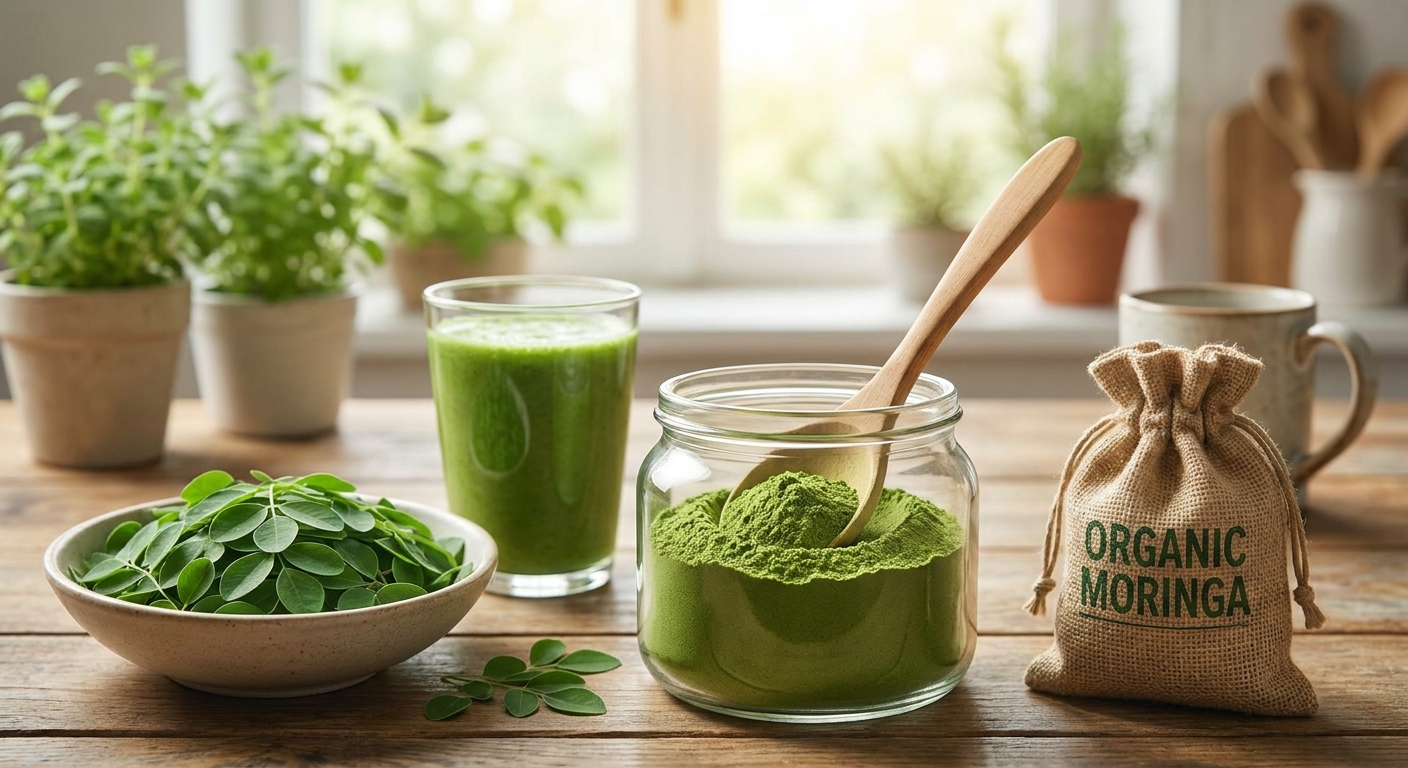
Organic moringa powder is everywhere in 2026 — health food aisles, wellness influencers, even servo shelves — but most jars sold in Australia are stem-heavy, poorly tested, and nowhere near the leaf-only grade the label implies. This guide breaks down what actually separates a genuine organic moringa powder from a green-dyed filler, and where it fits next to other natural energy options.
Moringa oleifera leaf has been used across South Asia and parts of Africa for generations, and the powder form made it easy to sell as a superfood in Western markets. The problem in 2026 is oversupply from unregulated growers, which means quality swings wildly between brands even when every label says "organic".
If you're buying organic moringa powder for daily energy and nutrition, you're really buying a micronutrient supplement, not a stimulant. That distinction matters because it changes what "working" looks like — and it's why a lot of Australians who try moringa for a quick energy lift end up disappointed and switch to something with a more immediate effect, like Shilajit resin for shift workers and fatigue.
Organic moringa powder suits people who already eat reasonably well and want a plant-based nutrient top-up — think busy parents skipping vegetables some days, or anyone wanting a caffeine-free addition to a smoothie routine. It is not the right pick if you're chasing a noticeable jump in stamina or mental sharpness within days; that outcome sits closer to fulvic-acid resins and adaptogens than to leaf powders.
Look for certification from a recognised body, not just the word "organic" printed on the bag. Most reputable moringa powder sold in Australia in 2026 traces back to farms in India or the Philippines, and the seller should be able to name the region without hesitation.
Genuine moringa leaf powder is a bright, almost matcha-like green. If a jar looks dull khaki or brownish, it's been cut with stem and stalk material, which dilutes the nutrient profile and tastes more bitter.
A fine 100-200 mesh grind mixes smoothly into water or a smoothie without gritty residue at the bottom of the glass. Coarser grinds are cheaper to produce but harder to dose consistently.
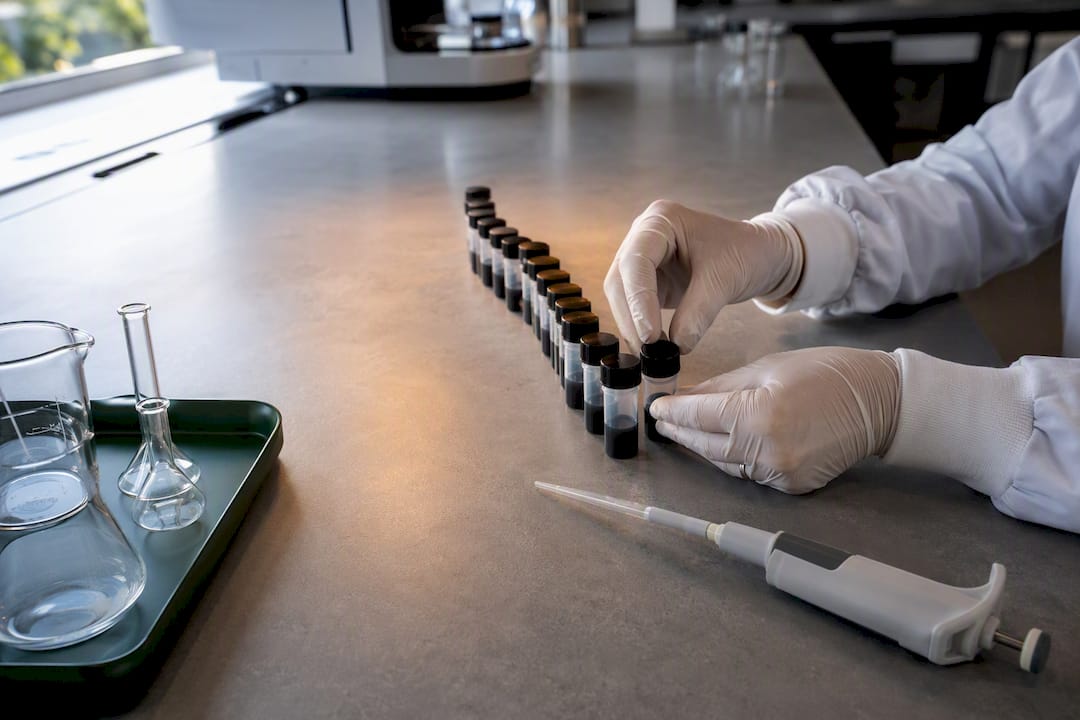
Heavy metal and microbial testing is the one criterion sellers skip most often because it costs money. Ask for a current certificate of analysis (COA) before you buy — a seller who can't produce one in 2026 shouldn't be trusted with anything you're putting in your body daily.
Moringa loses potency fast once ground. A powder with no visible harvest or packed-by date is a guessing game — you have no way to know if it's six months or two years old.
Moringa powder isn't the only plant-based option Australians reach for in 2026. Here's how it stacks up against two supplements people commonly compare it to.
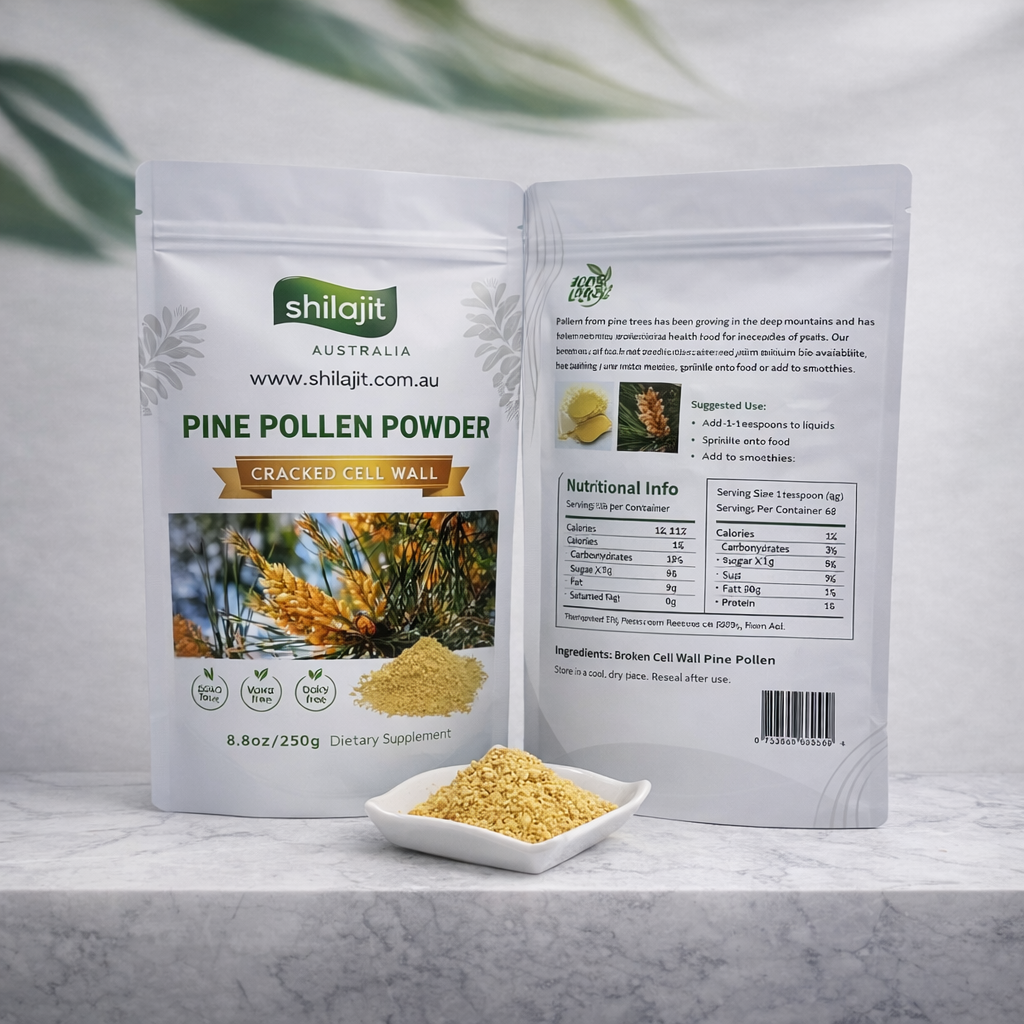
Organic moringa powder — the steady nutrition pick. One heaped teaspoon a day is the typical serving, mixed into water or a smoothie. It delivers a broad micronutrient spread rather than a felt energy lift, and results build over weeks, not hours. Verdict: Consider if your goal is general nutrition support rather than an immediate energy boost.
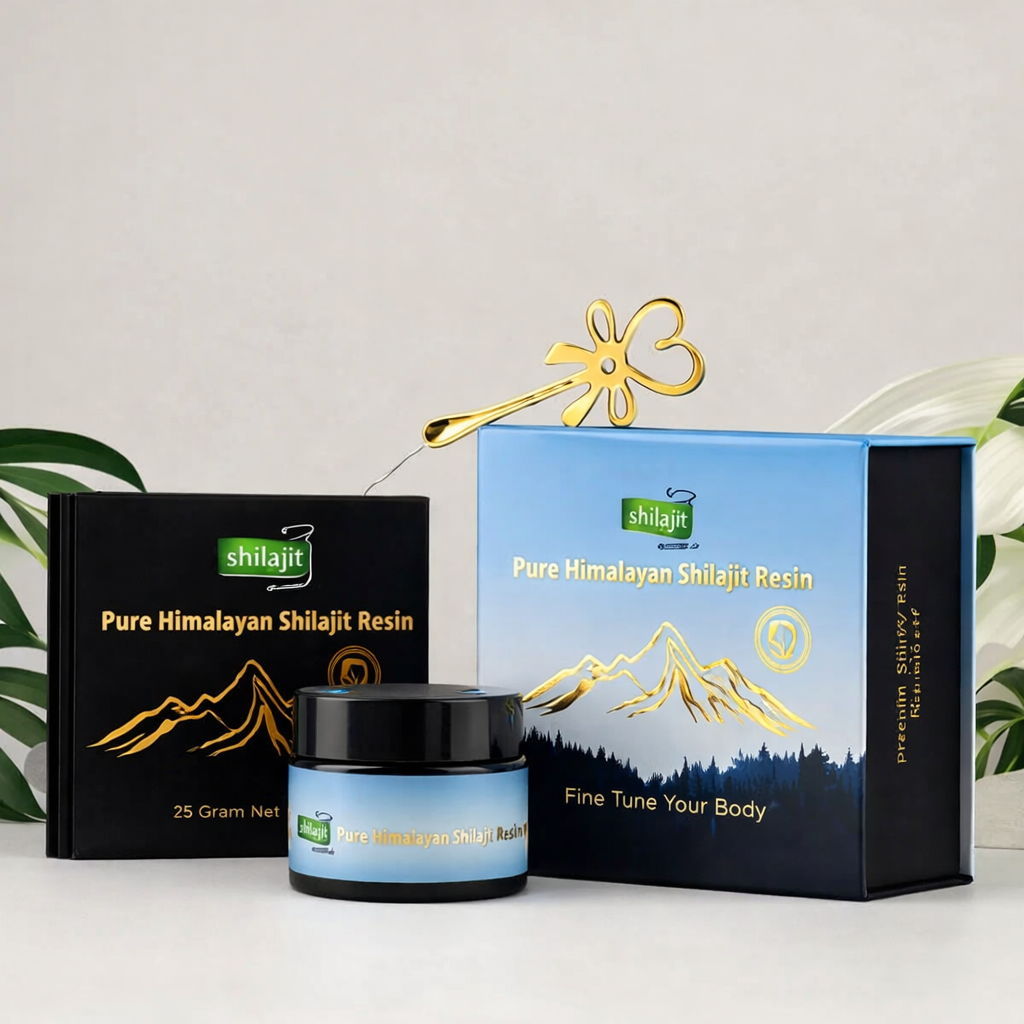
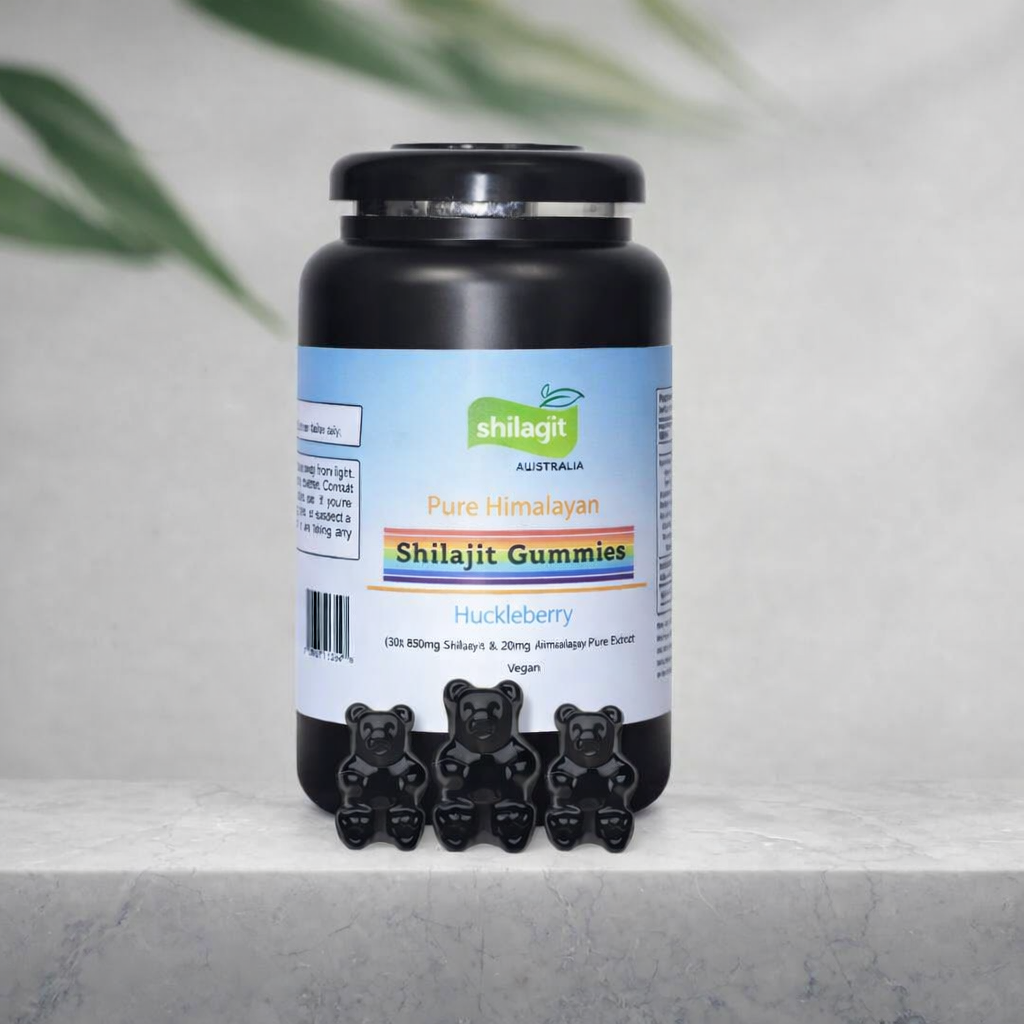
Shilajit resin — the fast, felt-energy pick. A pea-sized dose (roughly 300-500mg) dissolved in warm water delivers fulvic acid and 85+ trace minerals, and most people notice a difference in energy and mental clarity within days rather than weeks. It's a genuinely different mechanism to a leaf powder — mineral-dense resin versus fibrous plant matter — which is why professionals who tried moringa first often move to Shilajit capsules for busy professionals once they want something that works faster. Verdict: Buy if daily fatigue, not general nutrition, is the actual problem you're solving.
Ashwagandha — the calm-and-recovery pick. Better suited to stress and sleep support than to raw energy, ashwagandha works on cortisol regulation rather than mineral replenishment. It pairs reasonably well with moringa but doesn't replace what a mineral-rich resin does for stamina. Verdict: Consider as an add-on, not a substitute, for either moringa or shilajit.
| Criterion | Organic moringa powder | Shilajit resin | Ashwagandha |
|---|---|---|---|
| Primary benefit | Broad micronutrient support | Fast, felt energy and stamina | Stress and sleep support |
| Time to notice effect | Weeks | Days | Days to weeks |
| Daily form | 1 tsp in water/smoothie | Pea-sized dose in warm water | Capsule or powder |
| Best for | General nutrition top-up | Fatigue, focus, stamina | Cortisol and recovery |
| Verdict | Consider | Buy for energy goals | Consider as add-on |
For readers dealing with genuine brain fog rather than a general nutrition gap, Shilajit resin for brain fog and focus is the more direct fix — moringa's nutrient spread supports overall health but doesn't target mental clarity the way a fulvic-acid resin does.
What is organic moringa powder good for?
Organic moringa powder supports general daily nutrition through vitamins, minerals, and plant compounds from the moringa oleifera leaf. It’s better suited to steady, long-term nutrition support than a fast energy lift, with most people noticing benefits over weeks rather than days in 2026 usage reports.
Is organic moringa powder better than Shilajit for energy?
Shilajit resin generally produces a faster, more noticeable energy effect than moringa powder because it delivers concentrated fulvic acid and trace minerals rather than fibrous leaf matter. Moringa powder works better as a nutrition supplement than as a dedicated energy booster.
How much organic moringa powder should you take daily?
A typical daily serving is one heaped teaspoon, roughly 3-5 grams, mixed into water, juice, or a smoothie. Starting with a smaller half-teaspoon dose for the first week helps you gauge tolerance before moving to a full serving.
How do you know if moringa powder is real organic quality?
Real organic moringa powder is bright green, not khaki or brown, and comes with a visible harvest date and a third-party lab report. If a seller can’t produce a current certificate of analysis in 2026, treat that as a red flag rather than an oversight.
Can you take moringa powder and Shilajit together?
Yes, moringa powder and Shilajit resin target different outcomes — broad nutrition versus felt energy and stamina — so combining a moringa smoothie with a daily resin dose is common practice. Start each separately for a week first to see how your body responds before stacking them.
What does organic moringa powder taste like?
Fresh, genuine moringa powder has a grassy, slightly bitter, matcha-like taste. A powder that tastes flat, dusty, or overly bitter usually signals stem content or an old batch past its useful potency.
Does organic moringa powder have caffeine?
No, moringa powder contains no caffeine, which is why its energy effect feels gradual rather than immediate. People wanting a caffeine-free but faster-acting option often turn to Shilajit resin instead.
The single biggest quality tell for organic moringa powder in 2026 isn't the label — it's the colour test. Tip a small amount onto a white plate: vibrant matcha-green passes, anything leaning brown or grey fails, no matter what the packaging claims.
“If your moringa powder looks more khaki than matcha, you’re paying leaf prices for stem filler.”
Verify Shilajit lab reports in Australia with a six point checklist. Spot fake COAs, check lab accreditation, lot match, analytical methods, and LODs.
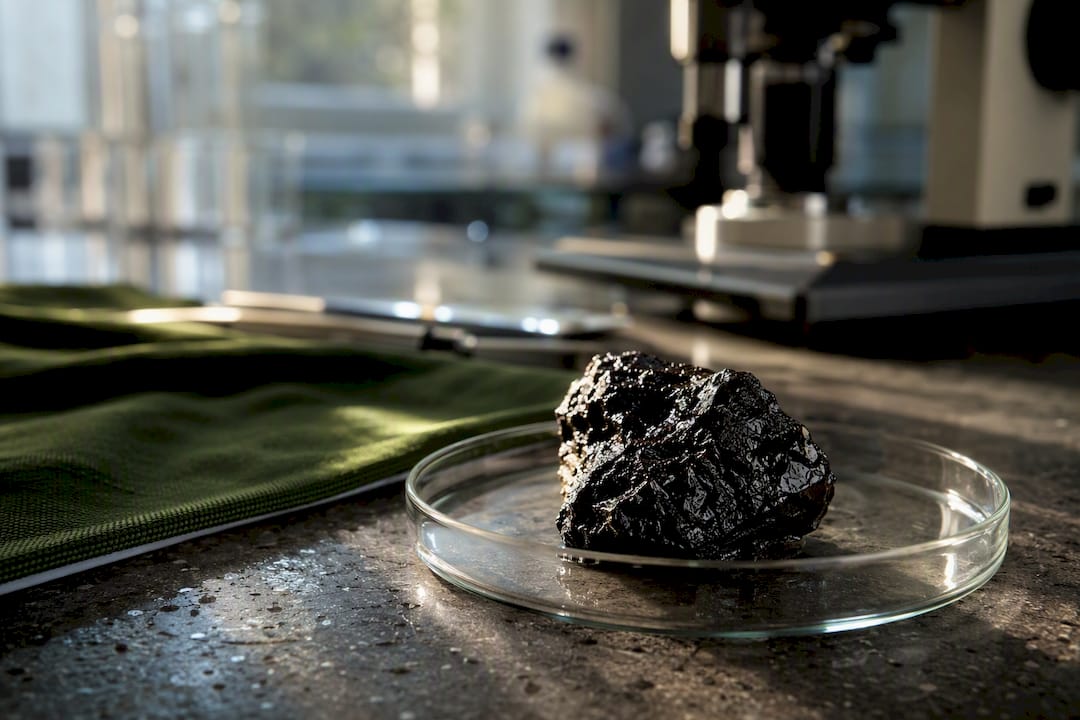
Learn to pick pure shilajit by reading the batch COA. Check fulvic acid range, named lab method, numeric heavy-metal results, and harvest altitude.