Uncategorized
6 Point Shilajit Lab Report Checklist for Australian Buyers
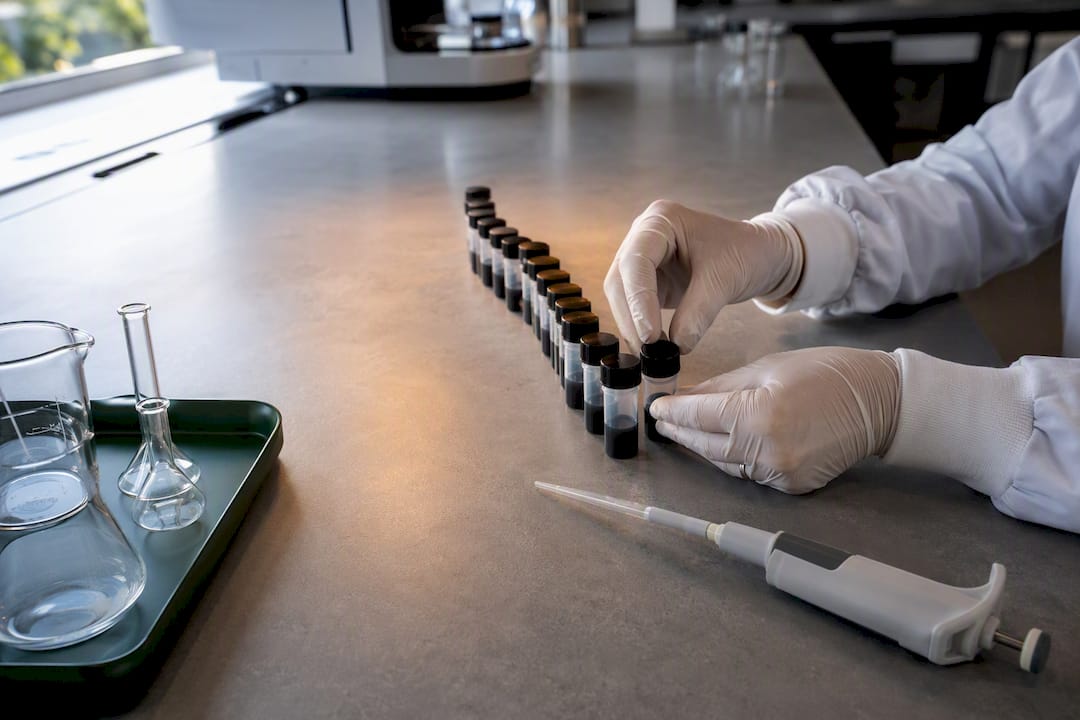
Verify Shilajit lab reports in Australia with a six point checklist. Spot fake COAs, check lab accreditation, lot match, analytical methods, and LODs.

An earth-derived supplement is any dietary supplement whose active ingredients originate directly from soil, mineral deposits, marine sediments, or decomposed organic earth matter rather than being synthesized in a lab. Familiar examples include Shilajit (a fulvic-rich mineral resin from high-altitude rock formations), diatomaceous earth (a silica-rich powder from fossilized algae deposits), fulvic and humic acid extracts, mineral clays such as bentonite, and silica-rich earth powders. One caveat before anything else: “earth-derived” describes a sourcing story, not a safety guarantee or a proven clinical outcome. In Australia, the Therapeutic Goods Administration (TGA) governs what supplement advertisers can and cannot claim, and those rules apply regardless of how ancient or natural a product’s origin sounds.
Earth-derived supplements can deliver genuine mineral and bioactive value, but only when sourcing, processing, and third-party testing are verifiable. “Natural” is a sourcing claim, not a safety certificate.
| Point | Details |
|---|---|
| Definition and scope | Earth-derived supplements come from soil, mineral deposits, or marine sediments; examples include Shilajit, diatomaceous earth, and fulvic/humic extracts. |
| Evidence is preliminary | Mechanisms are plausible for most ingredients, but large human clinical trials are limited; avoid products that overstate proven outcomes. |
| Safety checks are non-negotiable | Always request a COA with heavy-metal and microbial panels tied to a specific batch number before purchasing. |
| TGA “natural” rules apply | Australian law requires minimal processing and no new chemical identity; a “natural” label without a processing description is a compliance risk. |
| Shilajit as a benchmark | Shilajit Australia provides batch-specific COAs, stated fulvic acid percentages, and Himalayan sourcing details, setting the standard for transparency in this category. |
The category is broader than most buyers realize. Six distinct groups cover the majority of products on the Australian market.
| Category | Primary constituents | Typical claims |
|---|---|---|
| Mineral resin (Shilajit) | Fulvic acid, humic substances, trace minerals | Energy, mitochondrial support, metabolism |
| Diatomaceous earth | Silicon dioxide (silica) | Skin, hair, bone, detox |
| Humic/fulvic extracts | Humic acid, fulvic acid, electrolytes | Nutrient transport, gut health |
| Bentonite clay | Montmorillonite, trace minerals | Gut binding, detoxification |
| Marine mineral complex | Calcium, magnesium, trace minerals | Bone density, mineral bioavailability |
| Multi-ingredient earth powders | Variable | Broad wellness, energy, immunity |
The chemistry varies by category, but several constituents appear across most earth-sourced products.
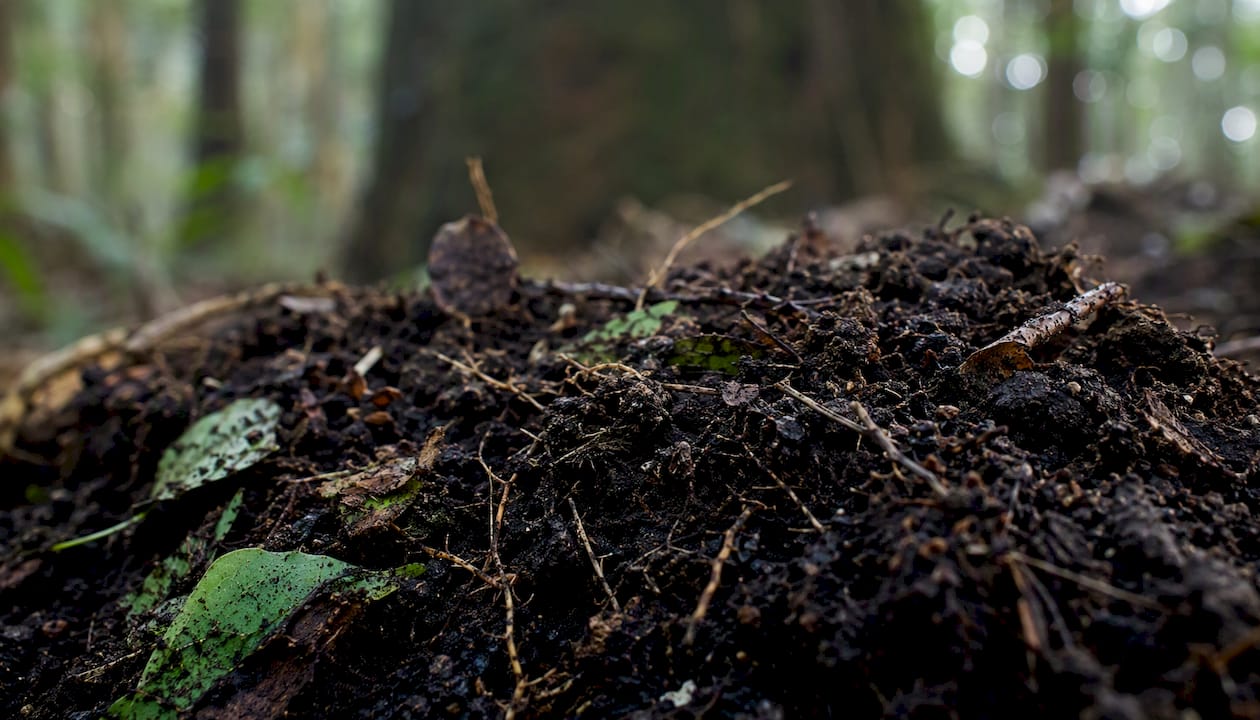
Fulvic and humic acids are the most discussed. Fulvic acid is a low-molecular-weight compound formed over millennia as organic matter decomposes in soil. It carries a negative charge that may help shuttle minerals and other nutrients across cell membranes, which is the basis for claims about enhanced mineral absorption. Humic substances are larger, more complex molecules from the same decomposition process, proposed to support immune modulation and gut barrier function.
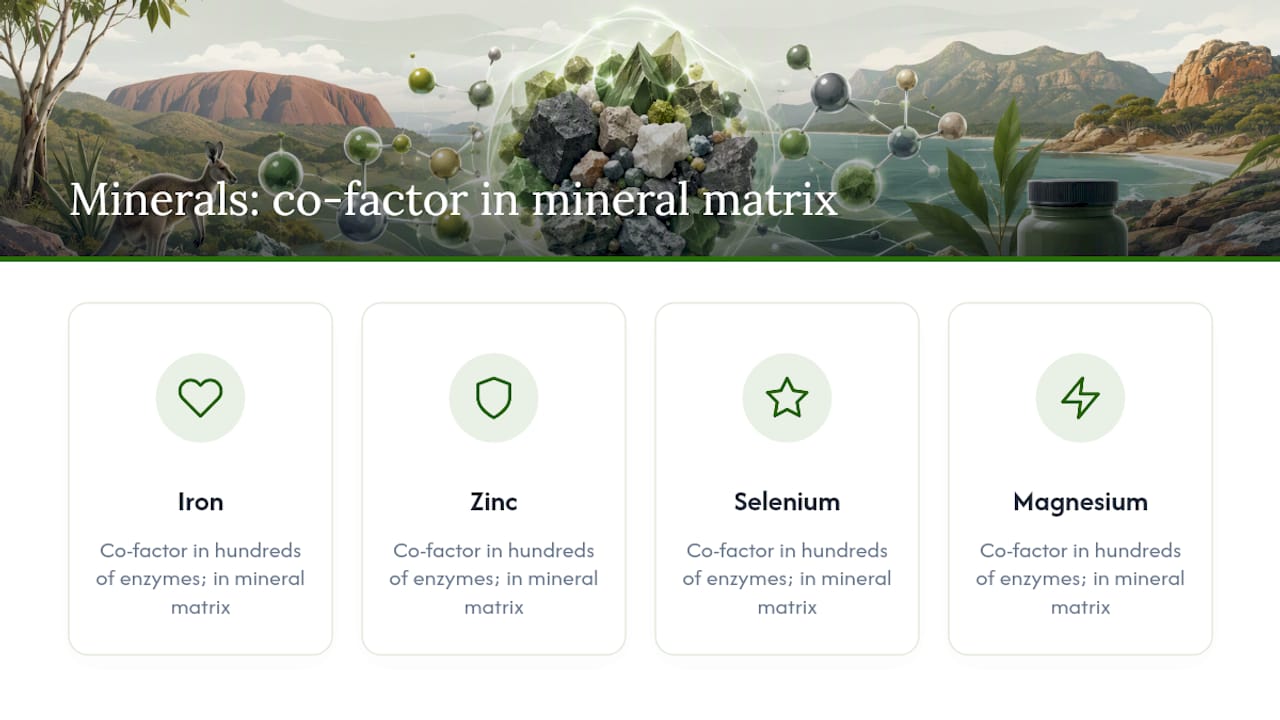
Trace minerals such as iron, zinc, selenium, and magnesium appear in most mineral-origin products. These act as co-factors in hundreds of enzyme reactions. The body cannot make them, so dietary sources matter. Earth-derived products can deliver them in a mineral matrix rather than as isolated salts, though whether that matrix improves bioavailability is still being studied.
Silica (silicon dioxide) is the dominant constituent in diatomaceous earth. PubChem’s silica entry documents it as a widely occurring inorganic compound. Structurally, silicon plays a proposed role in collagen synthesis and connective tissue integrity, though human clinical evidence remains limited.
Processing matters here more than most product pages admit. A raw mineral extract that undergoes only filtration and drying stays chemically close to its source. One that is chemically converted or heavily refined may no longer meet the TGA’s definition of “naturally derived,” even if the starting material was entirely geological. The distinction affects both labeling and what claims a seller can legally make. For a deeper look at why minimal ingredient lists and processing steps matter, the reasoning in minimal ingredients and skin health applies equally well to supplement formulation.
The honest answer: promising mechanisms, limited large-scale human trials. Here is where the evidence stands for each major ingredient type.
The overall picture: several ingredients have plausible mechanisms and preliminary signals. None has the volume of large, high-quality randomized trials that would justify strong efficacy claims. Read any product page that says otherwise with skepticism.
Earth-derived products carry risks that are easy to overlook because “natural” sounds inherently safe. It is not.
Exposure-route hazards for powders are the most underappreciated concern. Diatomaceous earth and similar fine powders can irritate eyes, lungs, and skin on contact. WebMD specifically flags this risk. Manufacturers should provide particle-size or dust-suppression data for any powder intended for oral use; if that information is absent from the product page, that is a gap worth questioning.

Contamination risks are real across the whole category. Soil and mineral deposits can accumulate heavy metals (lead, arsenic, mercury, cadmium) and microbial toxins. Without third-party testing, there is no way to know what is in the jar.
Populations at higher risk:
Red flags on labels and lab reports that should trigger caution:
When to seek medical advice: Stop use and consult a GP if you experience unusual fatigue, nausea, skin reactions, or respiratory symptoms after starting a new earth-derived product. Anyone on medication should speak with a doctor before starting, given the potential for mineral and fulvic compounds to interact with drug absorption.
A product’s origin story is compelling marketing. It does not substitute for third-party lab proof. Here is what to actually check.
Buyer’s checklist for Australian consumers:
What test results mean at a glance: Lead limits for supplements in Australia are set by the TGA; a COA showing lead below 0.5 mg/kg is a reasonable benchmark for mineral products, though the specific limit depends on product type and daily dose. Microbial results should show “not detected” for pathogens. If a COA lists only one or two parameters, it is incomplete.
Dosing principles: Start at the lowest suggested dose and hold it for two to four weeks before adjusting. Take mineral-rich products with food unless the label specifically states otherwise. Track how you feel, not just whether you feel something. If you are on any prescription medication, get medical clearance first.
Pro Tip: Before buying any earth-derived supplement, download the COA from the product page and check that the batch number on the COA matches the batch number on the label. If the seller cannot provide a current COA on request, that alone is reason to look elsewhere.
The TGA does not recognize “earth-derived” as a regulated ingredient class. What it does regulate is how sellers use the word “natural” in advertising.
Under TGA guidance on natural claims, a product can only be marketed as “natural” or “naturally derived” if three conditions are met: the raw material must be a form found in nature; the ingredient must have undergone only minimal processing; and the finished product must not have become a new chemical identity. If any of those conditions fail, the “natural” claim is potentially misleading.
Practical implications for buyers:
The same chemical can be “natural” if extracted and minimally processed from a geological source, but cannot be marketed as natural if it was produced synthetically or chemically transformed. Label language must match that legal reality, and it often does not.
Shilajit is the most recognizable earth-derived mineral resin on the Australian market and a useful case study for applying the buyer checklist.
Typical composition: fulvic acid (a significant organic acid fraction), humic substances, and a complex of trace minerals including iron, zinc, copper, and selenium. The resin forms over centuries as plant matter decomposes under pressure in high-altitude rock formations, most commonly in the Himalayas, Altai, and Caucasus ranges.
Stepwise verification checklist for a Shilajit product:
Realistic vs. red-flag claims:
| Realistic claim | Red-flag claim |
|---|---|
| “Supports energy and vitality” | “Cures chronic fatigue” |
| “Contains fulvic acid and trace minerals” | “Detoxifies all heavy metals from the body” |
| “Traditionally used in Ayurvedic practice” | “Clinically proven to reverse aging” |
| “Lab-tested for purity” (with COA) | “Lab-tested” (no COA available) |
Shilajit’s natural benefits for energy and wellness are well-documented in traditional use and supported by preliminary research, but the strongest products are the ones that show their testing, not just tell you about it. Shilajit’s Himalayan Shilajit purity guide walks through what genuine sourcing and quality verification looks like in practice.
The category has real merit and real problems, often in the same product. What frustrates us about most earth-derived supplement marketing is the gap between a compelling origin story and actual quality proof. “Ancient Himalayan resin” or “pristine diatomite” sounds authoritative, but those phrases describe geology, not safety or potency.
The products worth taking seriously are the ones that treat transparency as a baseline, not a selling point. A current COA with a heavy-metal panel, a stated fulvic acid percentage, and a batch number that matches the label are not premium features. They are the minimum. Any seller who positions those basics as evidence of superiority is telling you something about the rest of the market.
The evidence for most earth-derived ingredients is genuinely promising at the mechanistic level. Fulvic acid’s proposed role in mineral transport is chemically coherent. Silica’s structural contributions to connective tissue are biologically plausible. But “plausible mechanism” and “proven clinical outcome” are not the same thing, and the supplement industry routinely blurs that line. Buyers who understand the difference will make better decisions and avoid products that overpromise.
For Australians specifically: the TGA framework gives you a real tool. Use it. Check the ARTG. Read the COA. Ask for the processing description. The sellers who cannot answer those questions are the ones to avoid.
If you have read this far, you know what to look for in an earth-derived supplement. Shilajit Australia’s pure Himalayan Shilajit resin is batch-tested by third-party labs for heavy metals, microbial contamination, and fulvic acid content, with COAs available on every product page. The resin is sourced from high-altitude Himalayan formations, purified without chemical solvents, and ships directly to Australian addresses.
This is not a “trust us, it’s natural” pitch. The COA is there. The batch number is on the label. The fulvic acid percentage is stated. For anyone who has spent time sorting credible earth-derived products from marketing noise, that transparency is the actual differentiator. Browse the Shilajit supplement range and download the current COA before you buy.
This article is general information, not a substitute for advice from a qualified doctor. Consult a qualified healthcare professional about your own circumstances before acting on anything here.
Verify Shilajit lab reports in Australia with a six point checklist. Spot fake COAs, check lab accreditation, lot match, analytical methods, and LODs.
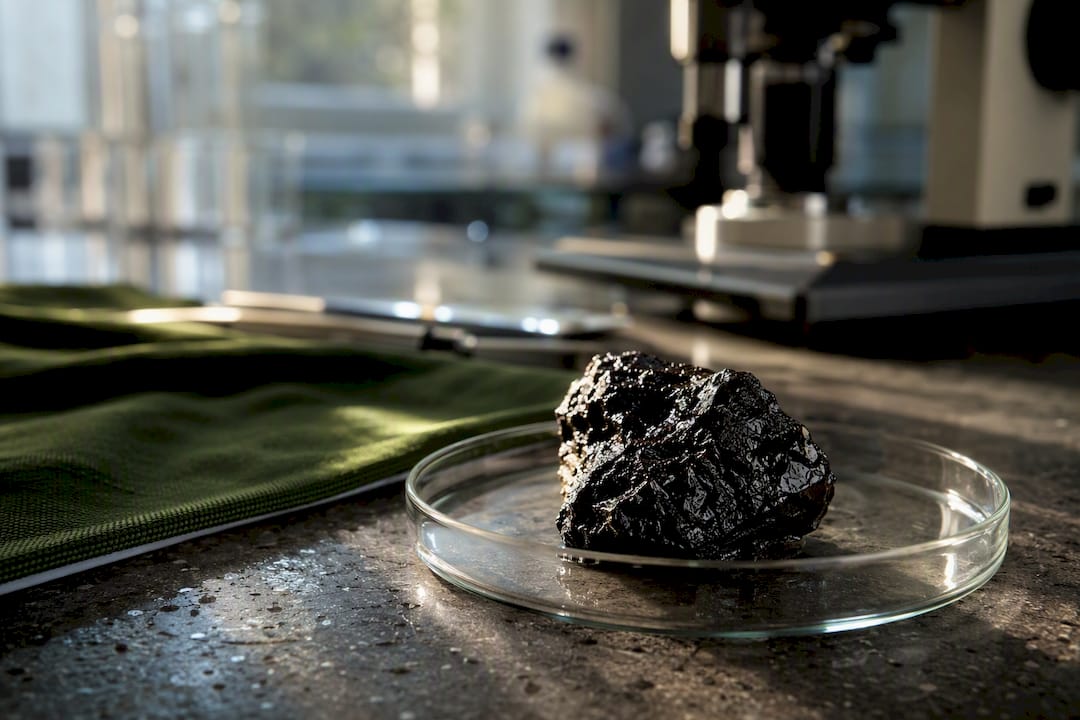
Learn to pick pure shilajit by reading the batch COA. Check fulvic acid range, named lab method, numeric heavy-metal results, and harvest altitude.