
Uncategorized
6 Point Shilajit Lab Report Checklist for Australian Buyers
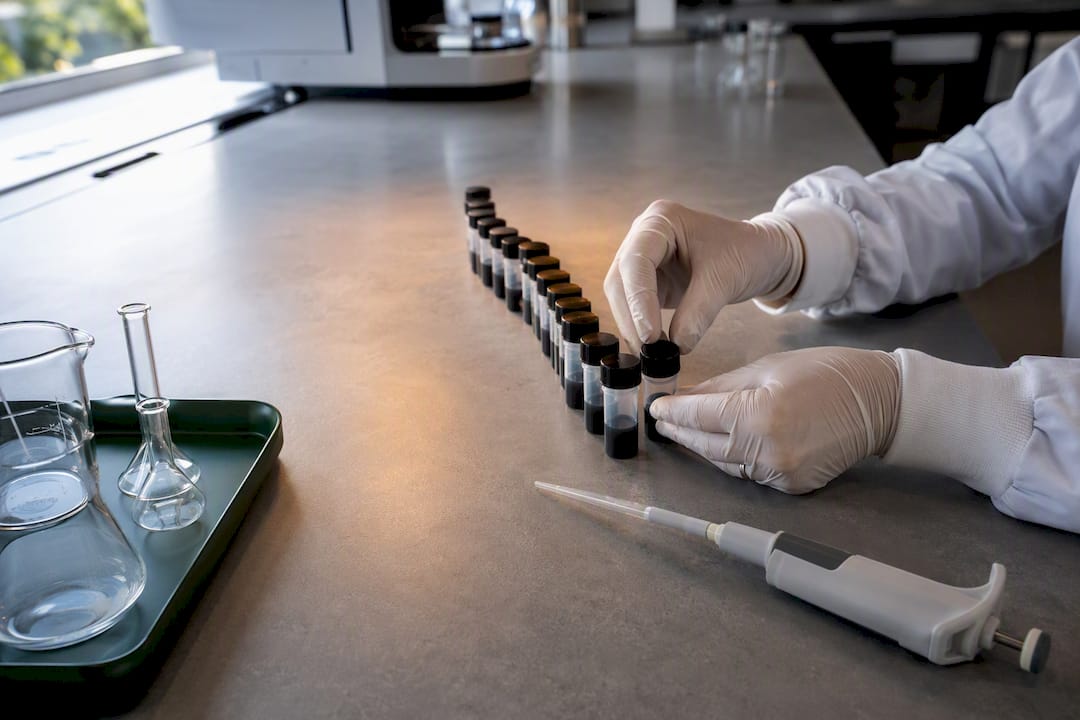
Verify Shilajit lab reports in Australia with a six point checklist. Spot fake COAs, check lab accreditation, lot match, analytical methods, and LODs.
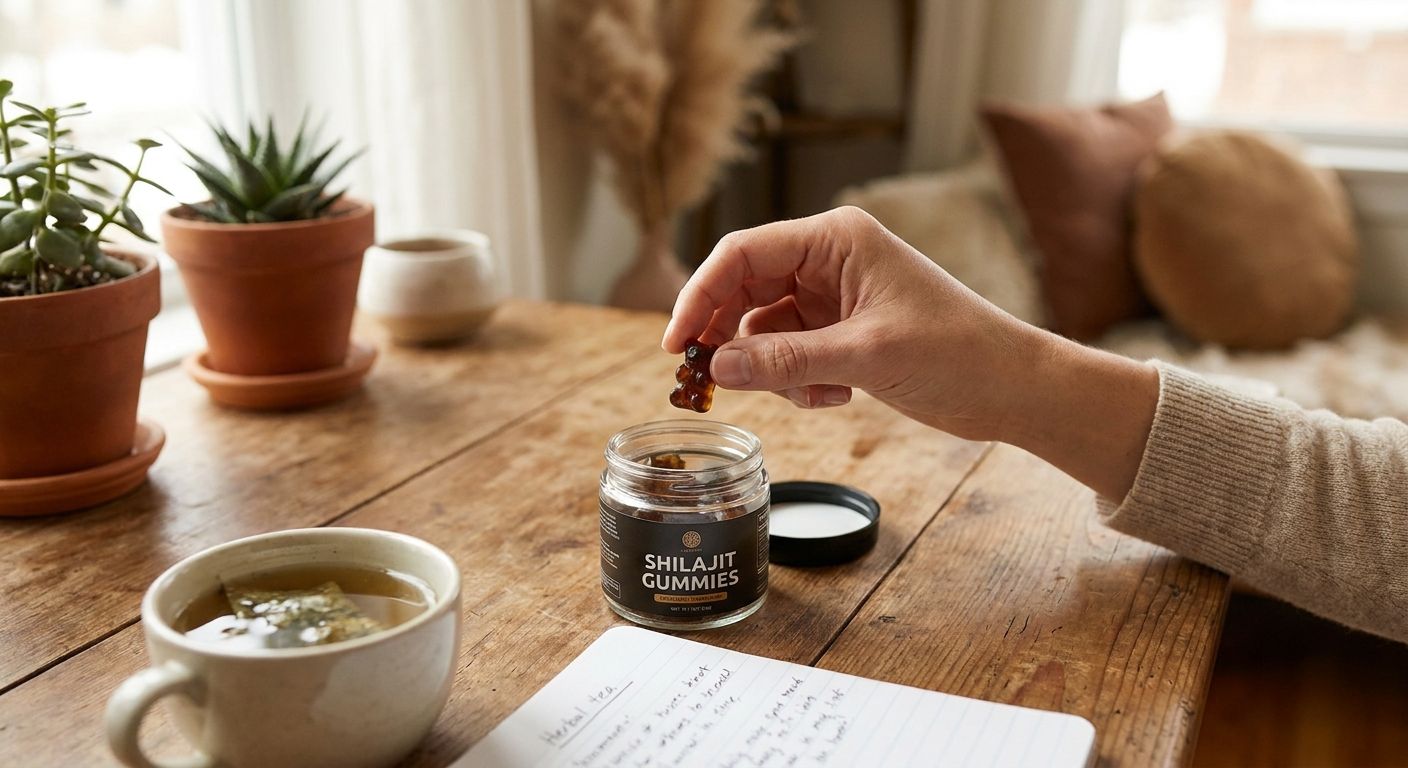
You took your first shilajit gummy expecting a jolt and got… nothing. That's normal, and it doesn't mean the product failed — it means you're checking for results too early or looking for the wrong signs.
Shilajit doesn't work like caffeine. There's no receptor to slam and no immediate spike to chase, which is exactly why so many people quit in week one and conclude the product is a dud. The compound works through mineral and fulvic acid delivery that builds over repeated dosing, so the real question isn't "did I feel something today" — it's "has my baseline shifted over two to four weeks."
If you're new to the format, start with a clear picture of what shilajit gummies for beginners are supposed to do before you start grading your own results against the wrong benchmark. Australia's supplement market is flooded with diluted or synthetic resin sold as "pure," and a weak product will genuinely produce nothing — so knowing what to track separates a slow-acting genuine supplement from a fake one that never had a chance to work.
Write down your current energy level (1-10), how many times you hit an afternoon slump, and your sleep quality for three days before your first gummy. Without this, you're comparing memory against feeling, and memory is unreliable. Most people who say "nothing happened" never actually recorded what "before" felt like.
Expect subtle digestive settling or mild alertness at most — this is your body adjusting to the mineral load, not the main effect kicking in. A common mistake here is expecting a caffeine-like hit and dismissing the product when it doesn't arrive. If you feel jittery or nauseated in this window, you're likely overdosing — cut back to half a gummy.
This is the first window where real shifts show up for most users: fewer 3pm crashes, steadier energy through the day rather than a spike-and-drop pattern. Compare against your baseline log daily. If your afternoon slump hasn't budged at all by day 10, check your dose against the label — it's the most common fix.
Better sleep quality and waking up less groggy are among the earliest reported changes, often before people notice daytime energy shifts. Note whether you're waking up during the night less often. If sleep hasn't changed and energy hasn't changed by week 3, that's your signal to reassess the product, not wait longer.
This is where gym-goers and active users get the clearest read: track a specific lift, a run time, or grip strength on a dynamometer if you have one. A genuine change here — even 5-10% on a familiar lift or a faster recovery between sets — is a stronger signal than "I feel good," because it's measurable and hard to fake with placebo.
By now you should have four to eight weeks of daily notes. Compare week 8 against your baseline across all four markers: energy, sleep, slump frequency, and physical performance. If two or more have moved in the right direction, the product is working for you — if none have moved, move to the troubleshooting section below before assuming shilajit itself doesn't work.
Not sure your dose is right?
Compare gummy strengths and find where to buy tested stock in Australia.
“If nothing has moved by week four, the problem is dose or product quality, not shilajit itself.”
Once you've confirmed the product is working, the next move is building consistency into a routine rather than tracking day-by-day forever. See how to build a daily shilajit routine for a sustainable long-term dosing pattern that keeps the effect steady into 2026 and beyond, rather than fading out after the initial month.
Do shilajit gummies work as well as resin?
Shilajit gummies work through the same fulvic acid and mineral delivery as resin, but absorption can be slightly slower due to the gummy base. Quality and dose matter more than format — a low-dose gummy will underperform a properly dosed resin.
How long before shilajit gummies start working?
Most users report noticeable changes in energy and slump frequency between day 7 and day 14, with sleep and recovery shifts often showing up first. Full effects on strength and stamina typically build over 4 to 8 weeks of consistent use.
Why do I feel nothing after two weeks of shilajit gummies?
Two weeks with no change usually points to an underdose, inconsistent daily use, or a diluted product without lab-tested purity. Check your label’s fulvic acid content and confirm you’re taking the gummy at the same time daily before assuming it’s not working.
Is jitteriness a sign shilajit gummies are working?
No — jitteriness is a sign of overdosing, not effectiveness. Genuine shilajit produces steady energy without a crash; if you feel wired or anxious, halve your dose rather than reading it as a positive sign.
What’s the first sign shilajit gummies are working?
Better sleep quality and fewer afternoon energy slumps are usually the earliest markers, often appearing before daytime energy noticeably improves. Track both from day one to catch the earliest signal.
Can shilajit gummies work for some people and not others?
Yes — baseline fatigue causes like iron deficiency or poor sleep hygiene won’t respond to shilajit the way general low energy does. If markers haven’t moved after 8 weeks of correct dosing, an underlying condition may be the reason, not the supplement.
How much shilajit fulvic acid should a gummy contain to work?
Look for a labelled fulvic acid percentage and lab-test batch reference on the packaging rather than a vague "pure shilajit" claim. Products without disclosed testing are the most common reason users report zero effect after weeks of use.
The people who quit shilajit gummies in week one are almost always grading it against caffeine's timeline, and the people who stick with a proper log through week four are almost always the ones who report it working. The log matters more than the gummy — track sleep and slump frequency from day one, not just how wired you feel, and you'll get an honest answer by 2026's fourth week of use instead of a guess after three days.
You have subscribed to our newsletter successfully.
Verify Shilajit lab reports in Australia with a six point checklist. Spot fake COAs, check lab accreditation, lot match, analytical methods, and LODs.
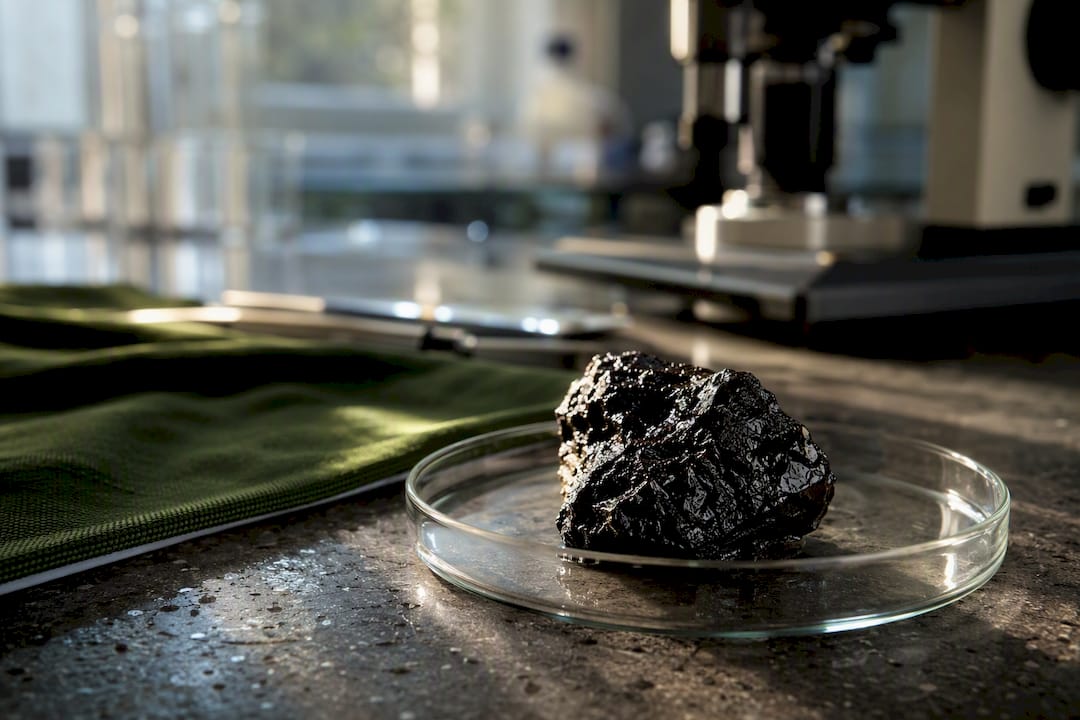
Learn to pick pure shilajit by reading the batch COA. Check fulvic acid range, named lab method, numeric heavy-metal results, and harvest altitude.

Subscribe to our weekly newsletter and receive exclusive offers you love!!
You have subscribed to our newsletter successfully.