Uncategorized
6 Point Shilajit Lab Report Checklist for Australian Buyers
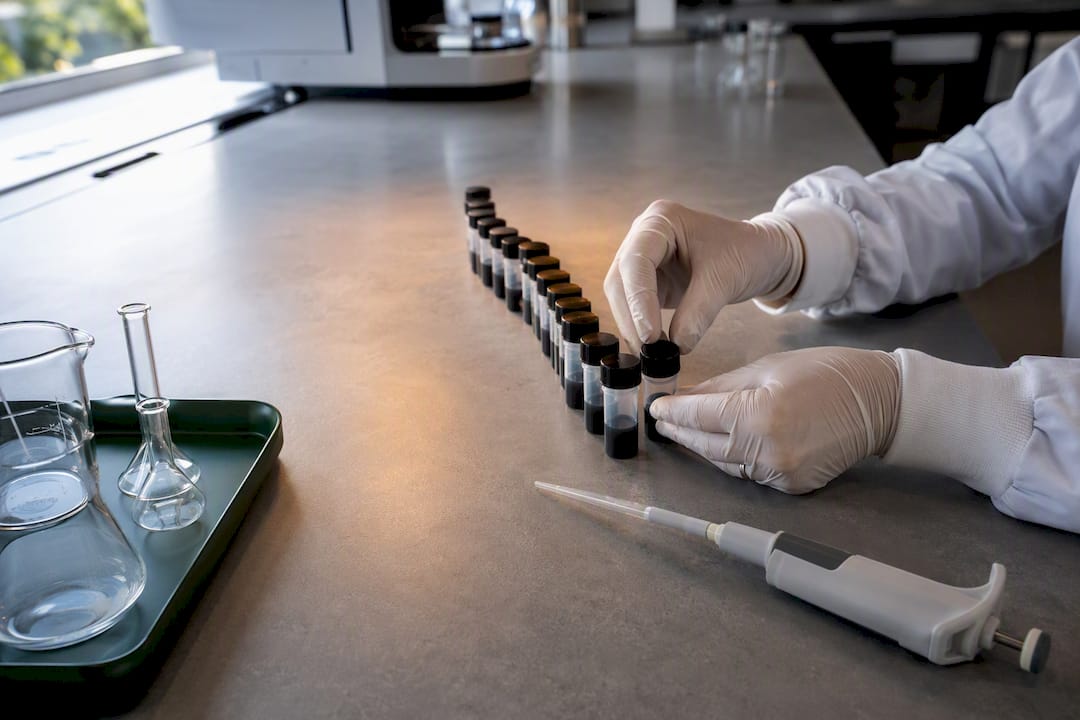
Verify Shilajit lab reports in Australia with a six point checklist. Spot fake COAs, check lab accreditation, lot match, analytical methods, and LODs.

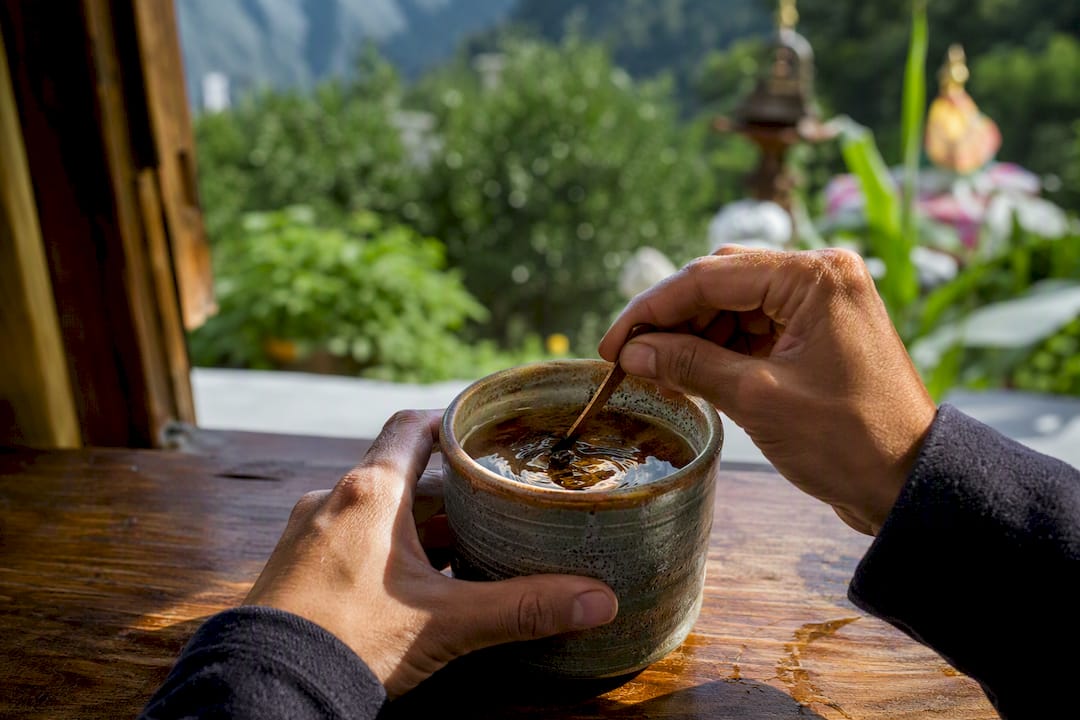
Himalayan Shilajit can offer modest, measurable support for cellular energy, fatigue resistance, and post-training recovery when you use a purified, lab-tested resin at trialed doses. It is not a stimulant and it is not a cure. Biohacking with Himalayan Shilajit means treating it like a mitochondrial support tool, not a magic bullet: the compound most researchers point to is fulvic acid, a mineral transporter that shows up in nearly every discussion of mitochondrial bioenergetics and Shilajit’s mechanism of action. Clinical dosing typically lands around 500 mg per day, often split into two doses, with a slow ramp-up over the first two weeks. One 28-day pilot trial on resin found real, if modest, gains in strength and endurance markers.
Skip it entirely if you’re pregnant, breastfeeding, managing hemochromatosis, or taking iron supplements, and talk to a doctor first if you’re on blood pressure medication or blood-glucose-lowering drugs.
Himalayan Shilajit works best as a modest, trackable addition to a training and recovery routine, not a replacement for sleep, nutrition, or medical care.
| Point | Details |
|---|---|
| Start low, ramp slowly | Begin at 100 to 150 mg daily for a week before working up to the 500 mg/day trial dose. |
| Evidence is real but early | A 28-day pilot study showed strength and endurance gains, but larger trials are still needed. |
| Timing affects absorption | Take it in the morning on an empty stomach or before training, since peak levels appear hours later. |
| Skip it with certain conditions | Avoid Shilajit if pregnant, breastfeeding, or managing iron-overload disorders like hemochromatosis. |
| Purity determines safety | Choose a resin with a published COA for heavy metals and microbial testing, like Shilajit’s lab-tested resin. |
Shilajit forms over centuries as plant matter decomposes under pressure in the Himalayan mountains, seeping out of rock crevices as a dark, tar-like exudate during warmer months. Local harvesters collect it, purify it to remove grit and organic debris, and concentrate it into the sticky resin most people recognize. The raw material varies significantly depending on altitude, rock composition, and processing method, which is why sourcing and purification standards matter more here than with most supplements.
The bioactive profile is what makes it interesting to biohackers rather than just another mineral supplement. The main compounds include:
You’ll find Shilajit sold as traditional resin, purified extract, powder, tincture, or gummies. Resin preserves the widest range of the original phytomineral matrix, which is part of why the pilot trial on ergogenic effects used resin rather than an isolated extract. Powders and gummies trade some of that complexity for convenience and consistent dosing, which suits people who travel or dislike the taste. When you’re reading a label, check for a stated fulvic acid percentage and a short, clean ingredient list. If a product lists “proprietary blend” instead of a percentage, that’s a signal to keep looking.
The mechanistic story starts at the mitochondrial level. Shilajit has shown antioxidant and anti-inflammatory activity in lab research, and some of that action appears to support mitochondrial bioenergetics, the cellular process that converts nutrients into usable energy. That’s a plausible link to reduced perceived fatigue and better recovery capacity after training, though it’s worth being precise: “supports” is not the same as “dramatically increases.”
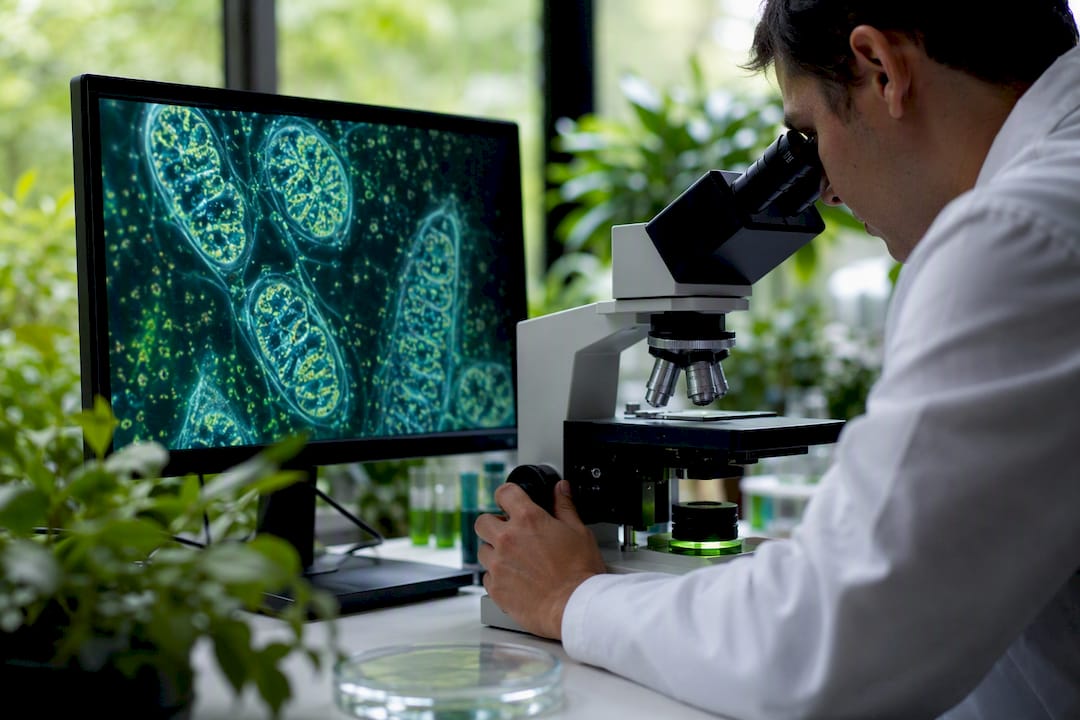
Fulvic acid’s role as a mineral transporter is the piece biohackers get most excited about. The theory holds that fulvic acid helps shuttle magnesium, zinc, and other trace minerals across cell membranes more efficiently, which could improve cellular uptake of nutrients your mitochondria already need to function. This is a mechanistic hypothesis more than a settled fact, but it’s a coherent one, and it lines up with why Shilajit shows up so often in natural energy and mineral supplement discussions.
Here’s how those mechanisms map onto what biohackers actually track:
Pro Tip: If you want to visualize this for your own tracking, sketch a simple timeline: mark when you take your dose, mark the 3 to 6 hour window when blood levels of fulvic acid typically peak, and overlay your workout time. That overlap is where you’re most likely to notice a subjective difference in output.
The most cited piece of human evidence is a 28-day open-label pilot study using purified Shilajit resin at 500 mg per day in healthy, moderately active men. Researchers tracked muscle strength, endurance, aerobic capacity, and fatigue scores, and reported within-group improvements across most of those markers, along with favorable biomarker shifts and good tolerability.
That’s genuinely useful data. It’s also limited in ways worth stating plainly:
Mainstream clinical summaries echo this caution. Cleveland Clinic’s review notes that while Shilajit contains fulvic acid and trace minerals with plausible biological activity, current human clinical evidence remains limited, and many available studies carry methodological weaknesses.
The honest read on the evidence: promising signal, especially for recovery and fatigue markers, but not yet backed by the large, placebo-controlled trials that would let anyone call it “proven.” Treat it as a supported hypothesis worth testing on yourself, not a settled conclusion.
For further reading on trial specifics and dosing ranges, the Examine.com supplement summary breaks down dosing variability across the published literature in more depth than most consumer articles attempt.
Grading expectations by confidence level keeps you from either dismissing Shilajit or overselling it to yourself. Based on the pilot trial data and mechanistic research, here’s a rough breakdown:
On the common question of whether Shilajit is good for building muscle: the honest answer is that it may modestly support the recovery and adaptation processes around training, rather than driving hypertrophy on its own. Think of it as something that could help you train consistently and recover a bit faster, not a substitute for progressive overload and protein intake.
If you’re going to self-test, track something concrete. Reasonable options include a fatigue rating scale (rate 1 to 10 each morning), your working weight on a key lift, perceived exertion (RPE) during a standard training session, or a simple subjective focus score you log daily. Give subjective energy changes two to four weeks before drawing conclusions. Strength and recovery markers may need the full month or longer, matching the gym performance and recovery timelines used in trial data.

Shilajit’s mineral content, particularly iron, is exactly what makes it useful for some people and risky for others. The contraindications are specific enough to take seriously rather than treat as generic supplement fine print.
Avoid Shilajit if you have any of the following:
Use caution and talk to a clinician first if you’re taking:
Contamination is the other major risk category, separate from the compound itself. Raw or poorly processed Shilajit can carry heavy metals, polycyclic aromatic hydrocarbons (PAHs), or microbial contaminants, and Banner Health’s clinical guidance specifically flags third-party testing as the way to screen for this before it ever becomes a health issue rather than after.
Before starting, a baseline check makes sense: know your current iron levels if you have any risk factors, note your baseline blood pressure if you’re on antihypertensives, and watch for unexplained fatigue, GI upset, or unusual hormone-related symptoms in the first few weeks. Any of those warrant a pause and a conversation with a doctor, not a “wait and see” approach.
Dose-ramping matters more with Shilajit than with most supplements, partly because of GI sensitivity in some people and partly because you want a clean read on tolerance before you commit to a target dose.
Starter protocol:
Timing follows the compound’s absorption profile. Experts generally recommend taking it in the morning on an empty stomach or ahead of training, since Shilajit metabolizes slowly and peak blood levels of its active compounds tend to show up several hours after ingestion, not immediately.
Stacking is where people often overcomplicate things. Shilajit tends to pair reasonably with adaptogens or CoQ10, both of which touch similar mitochondrial and energy pathways. Avoid stacking it with iron supplements or unverified multi-mineral blends, since you risk pushing mineral intake past what your body needs without any way to track the overlap. For preparation methods, a dedicated recipe guide covers ways to dissolve resin without degrading its active compounds.
Track two categories throughout: subjective metrics (energy, focus, perceived fatigue) and objective ones (a specific lift, a run time, resting heart rate). If nothing shifts by day 28, that’s useful data too.
Purity is the single biggest variable separating a useful Shilajit product from a risky one, since the raw resin can vary enormously depending on where and how it was harvested.
Run through this checklist before buying:
Red flags include vague sourcing language (“Himalayan sourced” with no specifics), no lab report available on request, health claims that sound too dramatic for a supplement with limited clinical backing, or resin that’s marketed as “raw and untested” as though that’s a selling point rather than a risk.
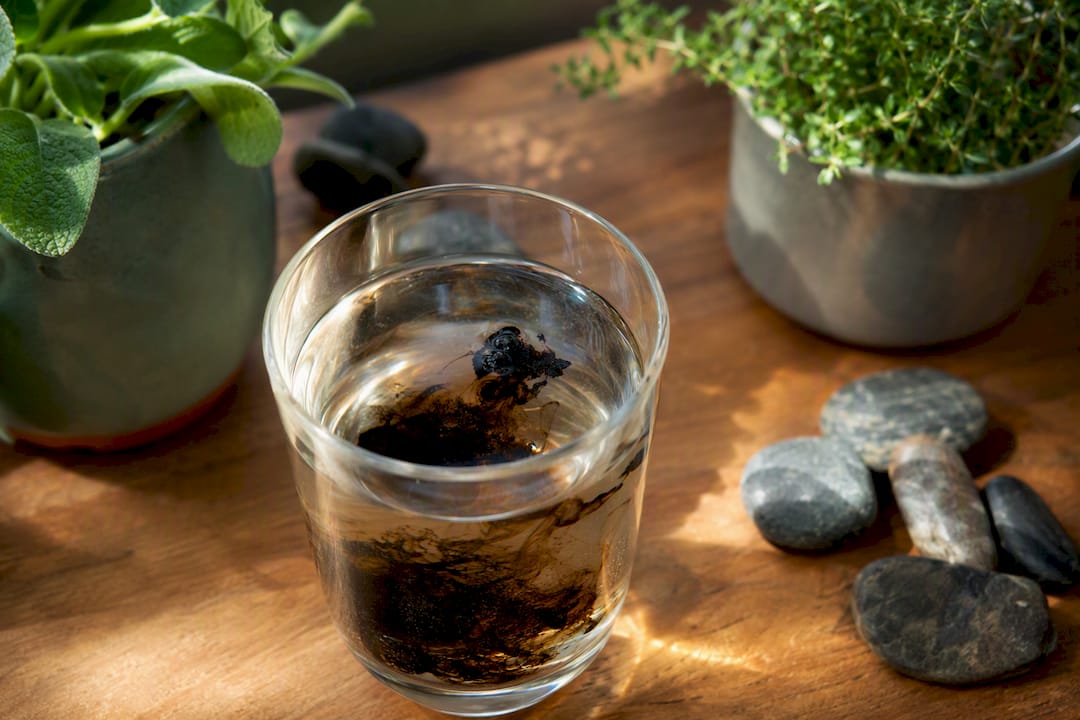
You can also run a simple at-home check: a high-quality resin should dissolve almost completely in warm water or milk, leaving little to no gritty residue behind. Heavy sediment or a product that won’t fully dissolve suggests fillers or poor purification.
Pro Tip: Always ask to see the COA before you buy, not after. A supplier that hesitates to share one is telling you something. Shilajit’s own purity and sourcing guide walks through exactly what a legitimate report should include.
We test every batch for heavy metals, microbial load, and PAHs before it reaches a customer, because the contamination risks in this category are real and well documented. One thing we’ve learned from years of working with resin: dissolve it in warm water or warm milk, never boiling, since high heat can degrade the fulvic acid you’re paying for. Our certificates of analysis are posted alongside each product for exactly this reason.
If you’ve read this far, you already know the two things that matter most when picking a product: verified purity and a fulvic acid content you can actually see on the label. Shilajit’s Pure Himalayan Shilajit resin is lab-tested for heavy metals, microbial contaminants, and PAHs on every batch, with the certificate of analysis published rather than sent on request.
That transparency matters more than most marketing copy, since the biggest risk in this category isn’t the compound itself, it’s what ends up in an untested batch. If you’re ready to start the 28-day protocol outlined above, check the current COA and product details before your first dose, then order the resin and begin your micro-test week.
Verify Shilajit lab reports in Australia with a six point checklist. Spot fake COAs, check lab accreditation, lot match, analytical methods, and LODs.
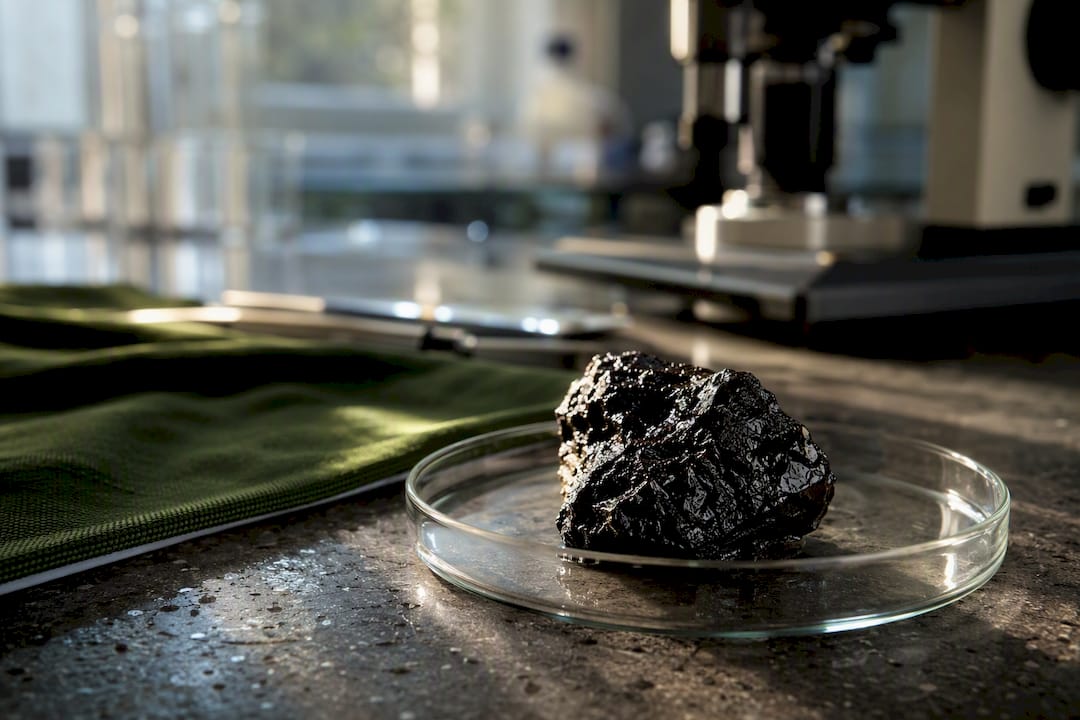
Learn to pick pure shilajit by reading the batch COA. Check fulvic acid range, named lab method, numeric heavy-metal results, and harvest altitude.