Uncategorized
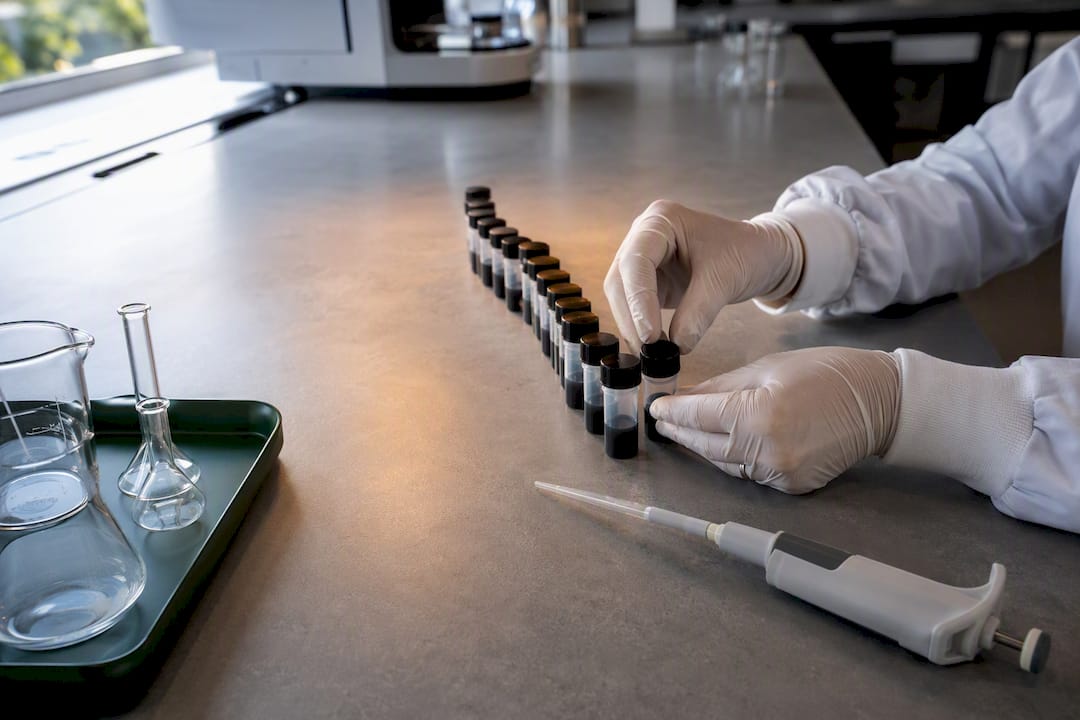
6 Point Shilajit Lab Report Checklist for Australian Buyers
Verify Shilajit lab reports in Australia with a six point checklist. Spot fake COAs, check lab accreditation, lot match, analytical methods, and LODs.

Pine pollen is generally safe for most healthy adults in typical culinary or supplement amounts, but it is not risk-free. The most common problems are mild digestive complaints like bloating, diarrhea, and loss of appetite. The more serious concern is allergy: because pine pollen is a pollen, it can trigger anything from hay-fever symptoms to asthma flares to, rarely, anaphylaxis. If you develop throat swelling, trouble breathing, or dizziness after taking it, stop immediately and seek emergency care.
TL;DR:
- Digestive reactions to pine pollen are common initially but usually resolve within two weeks with dose adjustments and taking it with food.
- Pine pollen allergy symptoms can range from mild hay-fever-like reactions to severe anaphylaxis, especially in allergy or asthma-prone individuals.
- There is limited human research on pine pollen’s hormone effects, so claims of testosterone boosting remain unproven and should be approached cautiously.
- People on blood thinners, hormone therapies, or with hormone-sensitive conditions should consult a doctor before use due to potential drug interactions.
- Always choose products with verified batch testing and start with a low dose while monitoring reactions, especially if managing chronic health issues or allergies.
Gastrointestinal upset is the side effect people run into most often, and it’s rarely dangerous. Nausea, bloating, gas, mild diarrhea, and a temporary dip in appetite show up most frequently in the days right after starting a new bottle or bumping up a dose. A bibliometric review of pine pollen research found that when clinical trials did report adverse events, they were typically these kinds of mild GI symptoms, and they tended to resolve on their own.
The timing pattern matters. Most people who notice stomach trouble feel it within the first few days of use or right after increasing their dose, not weeks into a steady routine. Your gut is adjusting to a new plant material, similar to how it reacts to any new fiber-rich food or herbal powder. Consumer health reporting on pine pollen echoes this pattern, describing the same short list of complaints as the ones people bring up most.
A few adjustments usually solve the problem without abandoning the supplement entirely:
Pro Tip: Log your first two weeks on pine pollen in a note app, not your memory. Loss of appetite and mild bloating are easy to dismiss as “just a busy week” until you look back and see the pattern lines up exactly with your dosing days.
If digestive symptoms persist past two weeks or get worse instead of better, that’s no longer a normal adjustment period. It’s a signal to stop and talk to a clinician before continuing.
Allergic reaction is the risk that deserves the most attention, and it’s also the one people underestimate because pine pollen has a reputation as a “mild” allergen. That reputation is only half true. Pine pollen grains are large and don’t travel deep into the lungs as easily as grasses or ragweed, which is why NC State researchers note it causes fewer classic spring allergy complaints than people assume from watching it coat their car in yellow dust. But “less likely” is not “unable to,” and taking pollen orally as a concentrated supplement is a different exposure route than breathing it outdoors.
Thermo Fisher’s allergen data shows regional sensitization rates above 8% in some areas, and the organization now classifies pine pollen as an allergen of growing concern linked to allergic rhinitis, conjunctivitis, and asthma. Clinical allergy testing backs this up: skin prick tests came back positive in up to 69% of certain allergic patient cohorts in one study, with meaningful cross-reactivity between different pine species.
Symptoms range widely in severity:
The American College of Allergy, Asthma & Immunology also flags cross-reactivity between pine pollen and pine nuts, so a known pine nut allergy is a real reason for caution. If you have diagnosed asthma, any pollen allergy, or a prior anaphylactic reaction to any substance, talk to an allergist before trying pine pollen, not after.
Pine pollen is often marketed as a natural testosterone booster, partly because it contains trace amounts of phytoandrogens. The evidence for that claim in humans is thin. Most of what supports it comes from cell studies, animal research, or traditional use rather than controlled human trials measuring hormone levels before and after supplementation. The bibliometric analysis of pine pollen research found the overall clinical trial base is small, and testosterone-specific outcomes are not well represented in that limited pool.
That uncertainty cuts both ways. If pine pollen doesn’t meaningfully raise testosterone in most people, it also probably isn’t going to meaningfully suppress it. But “probably” is not the same as “confirmed,” and anyone with a hormone-sensitive condition should treat any hormone-active supplement with real caution rather than assuming it’s inert.
Specific groups where this matters most:
If you fall into any of those categories, the safer move is a conversation with an endocrinologist or your treating specialist before adding pine pollen to your routine, not a forum post asking whether it’s fine.
Pine pollen is biologically active, and biologically active substances can interact with medications in ways that aren’t always obvious from a supplement label. Practitioner guidance on pollen-based allergens generally recommends caution for anyone managing chronic conditions with multiple medications, since interaction risk rises with each drug added to the mix, a point echoed by allergy and asthma clinical resources.
Three mechanisms explain most of the plausible risk:
If you take anticoagulants, blood pressure medication, hormone therapy, or any drug you know is processed by the liver, don’t guess. Before your next appointment, write down every medication and supplement you take, including doses, and bring the specific pine pollen product name and batch number if you have it. That level of detail helps a clinician actually assess your risk instead of giving you a generic answer.
There is no universally agreed-upon dose for pine pollen. Recommendations vary widely across vendors and traditional-use sources, and long-term safety data simply doesn’t exist yet at the scale needed to set a confident standard. That gap puts more responsibility on the buyer to choose carefully and dose conservatively.
Quality control is the other half of the risk equation. Pollen products can carry contaminants, microbial load, or co-extracted plant proteins that trigger reactions unrelated to the pine pollen itself. A product that looks identical to another on a shelf can carry a very different risk profile depending on how it was harvested and processed.
A practical buying checklist:
Shoppers comparing options can look at how pine pollen powder products sold in Australia disclose sourcing and testing before choosing one.
Pro Tip: Ask any supplier one direct question before you buy: “Can you send me the COA for the batch I’d actually be receiving?” A company that answers fast and specifically is telling you something. One that goes quiet is telling you something too.
The clinical evidence for pine pollen is thinner than the marketing around it suggests, and it’s worth knowing exactly how thin. A bibliometric analysis of 239 pine pollen publications found only 37 were actual clinical trials. That’s roughly one in six papers involving real human testing, with the rest made up of lab studies, animal research, and traditional-use writeups.
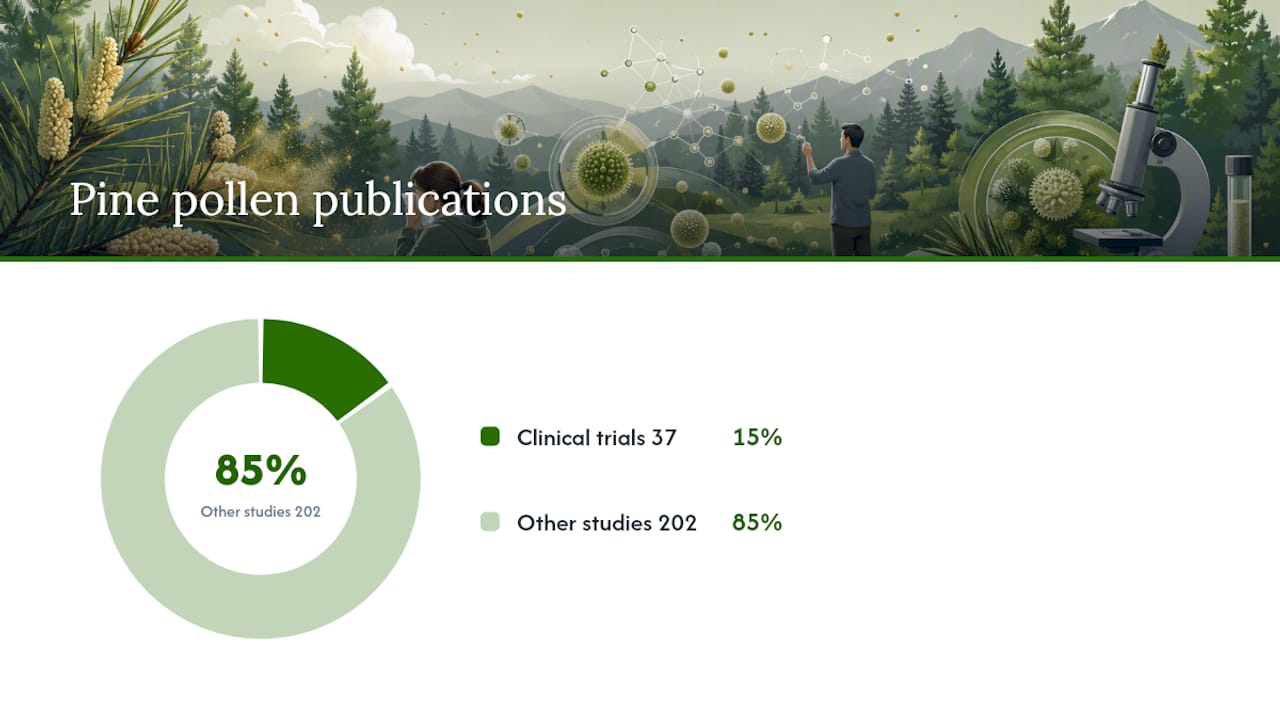
Within that small pool of trials, the pattern is fairly consistent: when adverse events were reported at all, they were typically mild and gastrointestinal, and they resolved without lasting harm. That’s a genuinely reassuring signal, but it comes with real caveats. Small sample sizes limit how confidently researchers can generalize findings to the broader population. Adverse event reporting wasn’t standardized across studies, meaning some trials may have missed or underreported symptoms outright. Follow-up periods tended to be short, leaving long-term use largely unexamined.
Here’s what that leaves genuinely unknown: how pine pollen behaves over months or years of continuous use, how it affects pregnant people, children, or those with chronic illness, what a truly standardized safe dose looks like, and how it interacts with specific drug classes in controlled settings. None of that has been rigorously studied yet. Treat any strong safety claim you see online, in either direction, with appropriate skepticism until that research catches up.
Certain groups face higher risk and should skip pine pollen entirely, or only use it under direct medical supervision: anyone with a known pollen or tree nut allergy, people with asthma, anyone with a history of anaphylaxis to any trigger, pregnant or breastfeeding people, children, and anyone with a hormone-sensitive cancer or on interacting medication.
Two categories of red flags call for different responses:
Knowing which category you’re in, before you’re in it, is the whole point of reading a list like this.
Product quality problems are largely preventable, and that’s the piece of this equation a supplement seller actually controls. Some supplement sellers publish batch testing and purity information for their products, an approach built around the idea that buyers shouldn’t have to take purity claims on faith.
Third-party testing and published lab reports reduce contamination risk. They don’t eliminate the personal risk of an allergic reaction or a drug interaction, because those depend on your own biology and medical history, not on how clean the product is. A pristine, contaminant-free pine pollen product can still trigger a reaction in someone with a pollen allergy.
If you’re evaluating any pollen-based or mineral-based supplement, request the COA before you buy, start at the lowest end of the suggested serving, and keep a short symptom log for the first two weeks. That combination, tested product plus cautious personal use, is the most reasonable way to manage a supplement category where the clinical evidence is still catching up to the marketing.
Pine pollen sits in an odd spot: genuinely useful to some people, genuinely risky for a defined minority, and under-researched for almost everyone. The instinct to treat it as either a miracle or a hazard misses what the evidence actually supports, which is a supplement worth trying cautiously if you’re not in a high-risk group, and worth skipping if you are.
What gets underestimated most is the allergy angle. People fixate on dosing and testosterone claims when the more immediate, more common risk is a pollen-related reaction, mild or severe, especially in anyone with existing asthma or seasonal allergies. That’s the question worth answering honestly before the dosing question even comes up.
If you decide to move forward, prioritize a tested product, start low, and loop in a clinician if you’re on medication or managing a chronic condition. Our purity testing overview walks through what batch testing should actually look like for any mineral or herbal supplement, not just ours.
— Shilajit
If you’ve read this far and you’re still interested in pine pollen, the question becomes which product to trust, not whether the category itself is worth exploring. Some suppliers provide detailed batch information instead of asking you to take purity claims on faith.
This matters most for health-conscious adults who plan to start low, watch for reactions over the first couple of weeks, and check in with a clinician if they’re on medication or managing a hormone-sensitive condition. That’s exactly the cautious, informed approach this entire article has been building toward. Our pine pollen powder product page lists ingredient details and sourcing information so you can review what you’re getting before it arrives. If you want to compare it against other tested Himalayan-sourced supplements first, our pure Shilajit resin page is a reasonable next stop. Either way, request the batch COA before you commit to a bottle.
This article is general information, not a substitute for advice from a qualified doctor. Consult a qualified healthcare professional about your own circumstances before acting on anything here.
Verify Shilajit lab reports in Australia with a six point checklist. Spot fake COAs, check lab accreditation, lot match, analytical methods, and LODs.
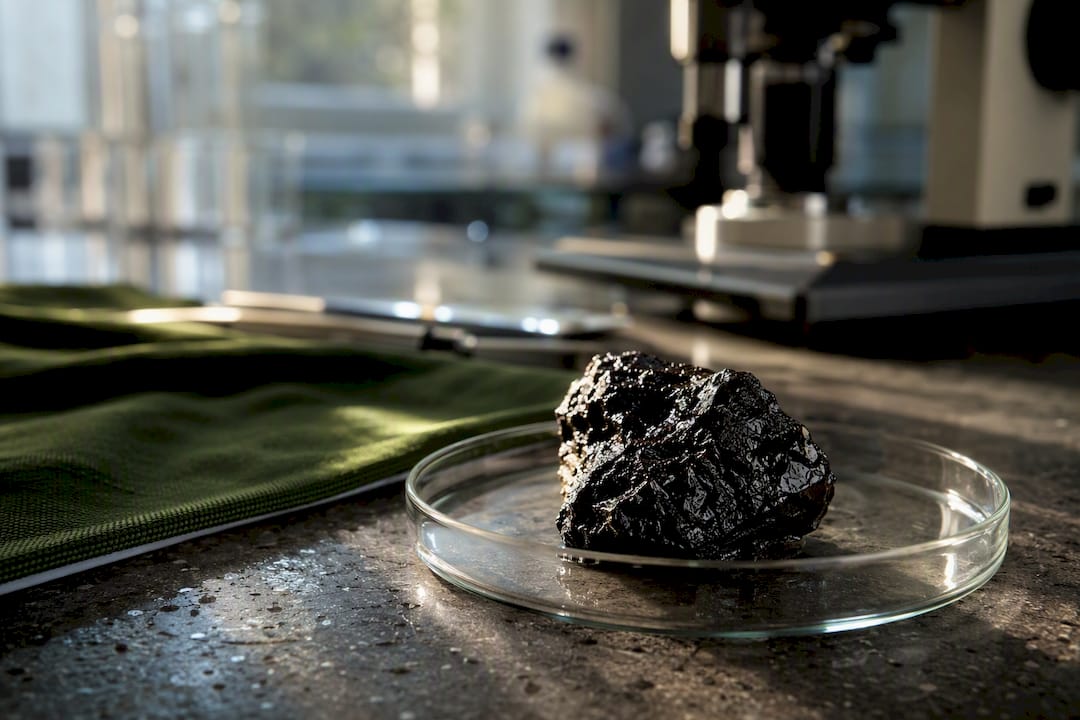
Learn to pick pure shilajit by reading the batch COA. Check fulvic acid range, named lab method, numeric heavy-metal results, and harvest altitude.