Uncategorized
Shilajit in Pregnancy: Why Doctors Advise Against It and What to Do
Avoid shilajit while pregnant or breastfeeding. No controlled trials, contamination risk, and one case links use to high blood pressure. Inform your…
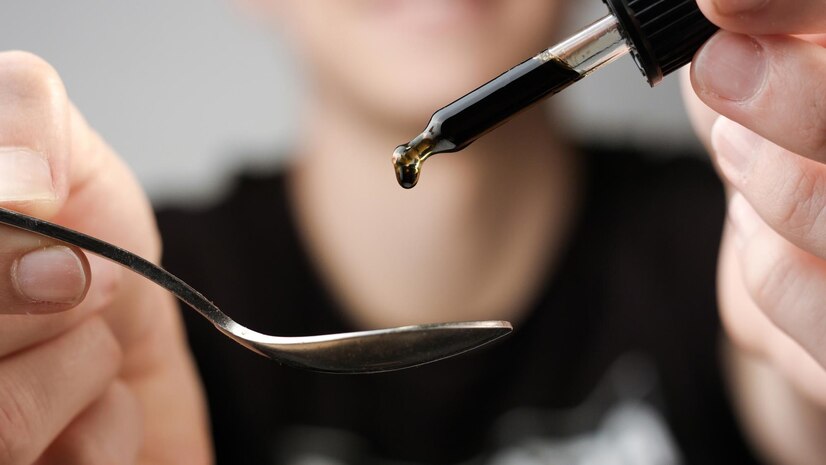
Fulvic acid is a group of naturally occurring organic compounds formed as plant material breaks down in soil and water. It is also one part of shilajit, but fulvic acid and shilajit are not the same thing. For Australians comparing supplements in 2026, the practical priority is evidence, product identity and independent contaminant testing—not the biggest percentage printed on a label.
Fulvic acid is not a single, fixed molecule. It is a variable mixture of small organic compounds created when microorganisms break down plant material over time. Those compounds occur within the broader family called humic substances, which are found in soil, peat, compost, sediment and natural water.
The chemistry changes with the source material and the way it is extracted. That matters because two bottles labelled “fulvic acid” can differ in composition, concentration and intended use. An agricultural soil input is not automatically suitable for people, and a human supplement should never be replaced with a garden product.
Shilajit Australia sells lab-tested Himalayan shilajit, where fulvic acid occurs as part of a more complex resin. This page explains the compound without treating it as a cure or as a substitute for medical care.
Shilajit is a naturally occurring mineral-rich substance associated with mountain rock formations. Its composition includes humic substances, other organic material and mineral constituents. Fulvic acid is one fraction within that mixture.
| Question | Fulvic acid | Shilajit |
|---|---|---|
| What is it? | A variable group of water-soluble organic compounds | A complex natural substance containing fulvic acid and other constituents |
| How is it sold? | Liquids, powders and ingredients for different uses | Commonly resin, capsules or powder |
| Are all products interchangeable? | No; agricultural and human-use products serve different purposes | No; source, purification and testing vary |
| What should buyers check? | Intended use, manufacturer directions and contaminant testing | Identity, batch testing, purification and clear serving directions |
The 2026 verdict: choose shilajit when you want the whole resin, and choose an isolated fulvic acid product only when its intended use and evidence match your reason for taking it. A large fulvic acid number does not, by itself, prove authenticity, purity or better results.
Fulvic acid has been studied for antioxidant activity, inflammation, immune signalling, gut function and interactions with minerals. Much of that work comes from laboratory, animal or early-stage research. It can help researchers identify mechanisms worth studying, but it does not establish that a supplement treats disease in people.
A 2018 peer-reviewed review available through the US National Library of Medicine described the research base as minimal and called for more investigation. That remains the responsible reading in 2026: there are plausible areas of interest, but the evidence does not support sweeping promises about detoxification, immunity, brain health or chronic disease.
Laboratory studies suggest fulvic acid can interact with oxidative and inflammatory pathways. Results vary by source and preparation, and some findings point in different directions. A biological effect in a cell or animal model is not the same as a proven benefit from an oral supplement.
Fulvic compounds can bind with minerals and other charged particles. This chemical behaviour is one reason fulvic acid is widely discussed in agriculture and supplement marketing. It does not mean every mineral becomes better absorbed in the human body, or that more fulvic acid automatically produces a stronger effect.
Researchers have examined how fulvic acid may interact with the gut environment and immune signalling. Human trials are too limited to define a reliable benefit, dose or treatment role. If a product promises to treat a gut, immune or inflammatory condition, treat that as a medical claim requiring strong evidence—not a routine wellness statement.
Search results often mix chemistry, traditional use, agricultural products and supplement claims. Keep these categories separate. In 2026, a buyer should not assume that fulvic acid:
“Natural” describes origin, not purity or clinical effectiveness. Testing and transparent manufacturing matter because natural materials can vary and can pick up unwanted contaminants during collection or processing.
The Australian market includes human supplements, plant products and raw materials. Similar wording can appear across all three. Before buying in 2026, confirm what the product is designed for and who is responsible for its manufacture.
The label should clearly state whether the product is for human consumption. Do not ingest fertilisers, soil conditioners, laboratory materials or products whose intended use is unclear.
A useful report identifies the product or batch and shows what was measured. For a natural supplement, relevant checks can include identity, microbial contamination and heavy metals. Shilajit Australia’s testing information explains the brand’s approach to purity and batch verification.
Fulvic acid is a complex mixture, so results can depend on the analytical method. A percentage without the test method, sample identity or laboratory context is difficult to compare. There is no universal rule that one fulvic acid percentage is best for every shilajit product.
Claims to cure, prevent or reverse disease are not supported by the current evidence reviewed for this 2026 guide. A credible seller distinguishes traditional use and emerging research from proven clinical outcomes.
The product should provide clear serving directions, storage instructions and warnings. Avoid using a concentrated ingredient by guesswork. If the label is incomplete or the seller cannot explain what the product contains, skip it.
Human safety data for isolated fulvic acid are limited, especially for long-term use. WebMD’s evidence summary reports that there is not enough reliable information to define an appropriate oral dose and flags possible medicine interactions.
Do not treat online dosage ranges as universal instructions. Concentration and composition vary between products, and isolated fulvic acid is not equivalent to shilajit resin.
Stop using the product and seek advice if you develop an unexpected reaction. This 2026 guide provides general information and does not diagnose, treat or replace personalised medical advice.
No authoritative, universal oral dose applies to every fulvic acid product. The material is not standardised across sources, and a liquid concentrate cannot be compared directly with a shilajit resin or capsule.
Use only the directions for the exact human-use product you have. Do not copy a dose from another brand, an agricultural product or an online forum. If the directions conflict with advice from your health professional, follow the professional advice.
Fulvic and humic acids both belong to the humic-substance family, but they are separated by chemical behaviour. Fulvic fractions are generally smaller and remain soluble across a wider range of acidity, while humic acid is less soluble under acidic conditions.
That distinction is useful in chemistry and agriculture. It does not establish that one is a better human supplement. Product purpose, evidence, composition and safety still decide whether a formulation is appropriate.
Fulvic acid interacts with minerals and biological systems in laboratory research, but broad benefits in people are not proven. Human evidence remains too limited to claim that it reliably improves energy, detoxification, immunity or brain function.
No. Fulvic acid is one component found within shilajit; shilajit also contains other organic compounds and mineral constituents.
Pregnant or breastfeeding people, children, people taking prescription medicines and anyone with an ongoing medical condition should seek professional advice before use. Never use it as a replacement for prescribed treatment.
Not necessarily. Test methods and source materials differ, and percentage alone does not prove identity, purity, safety or effectiveness.
No. Only use products clearly made and labelled for human consumption; agricultural fulvic acid is designed for plants or soil.
Check the intended use, manufacturer, serving directions, warnings and batch-specific contaminant testing. Skip products that hide their source, use cure-all claims or provide only an unexplained percentage.
Fulvic acid content is a product characteristic, not a complete quality score. The best buying decision in 2026 comes from matching the product to its intended use, checking independent test information and keeping health claims within the limits of human evidence.
You have subscribed to our newsletter successfully.

Avoid shilajit while pregnant or breastfeeding. No controlled trials, contamination risk, and one case links use to high blood pressure. Inform your…
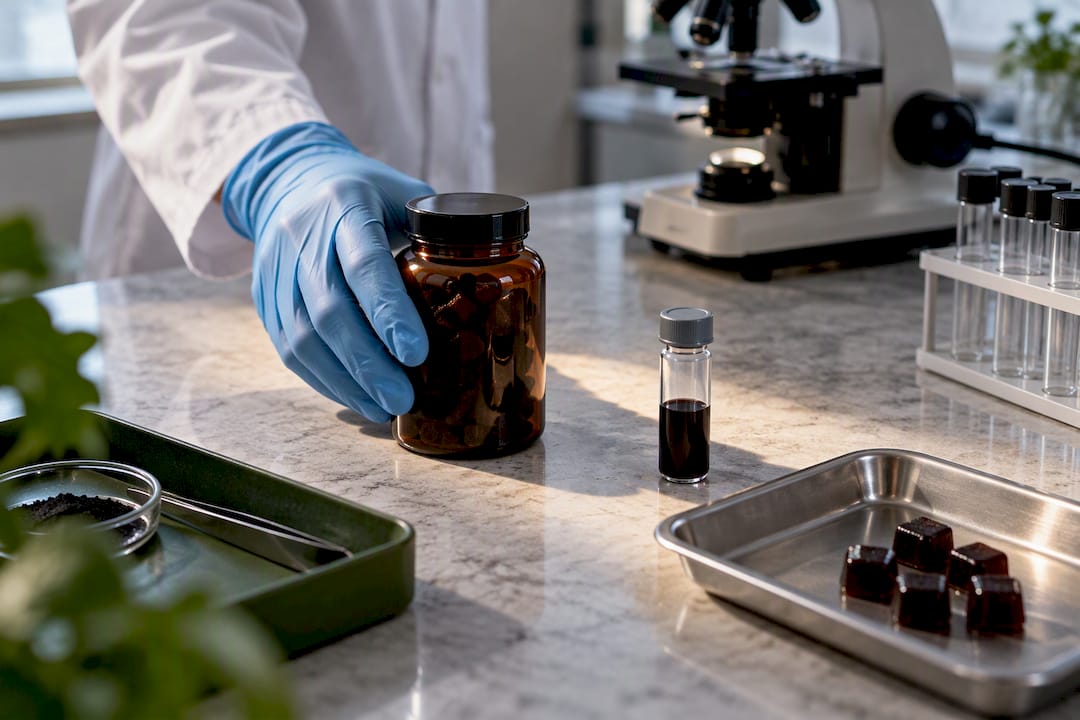
Australia-focused look at shilajit gummies: what human trials actually show, how 500 mg/day dosing compares, and why batch COAs and TGA safety checks matter.

Subscribe to our weekly newsletter and receive exclusive offers you love!!
You have subscribed to our newsletter successfully.