Uncategorized
Shilajit in Pregnancy: Why Doctors Advise Against It and What to Do
Avoid shilajit while pregnant or breastfeeding. No controlled trials, contamination risk, and one case links use to high blood pressure. Inform your…

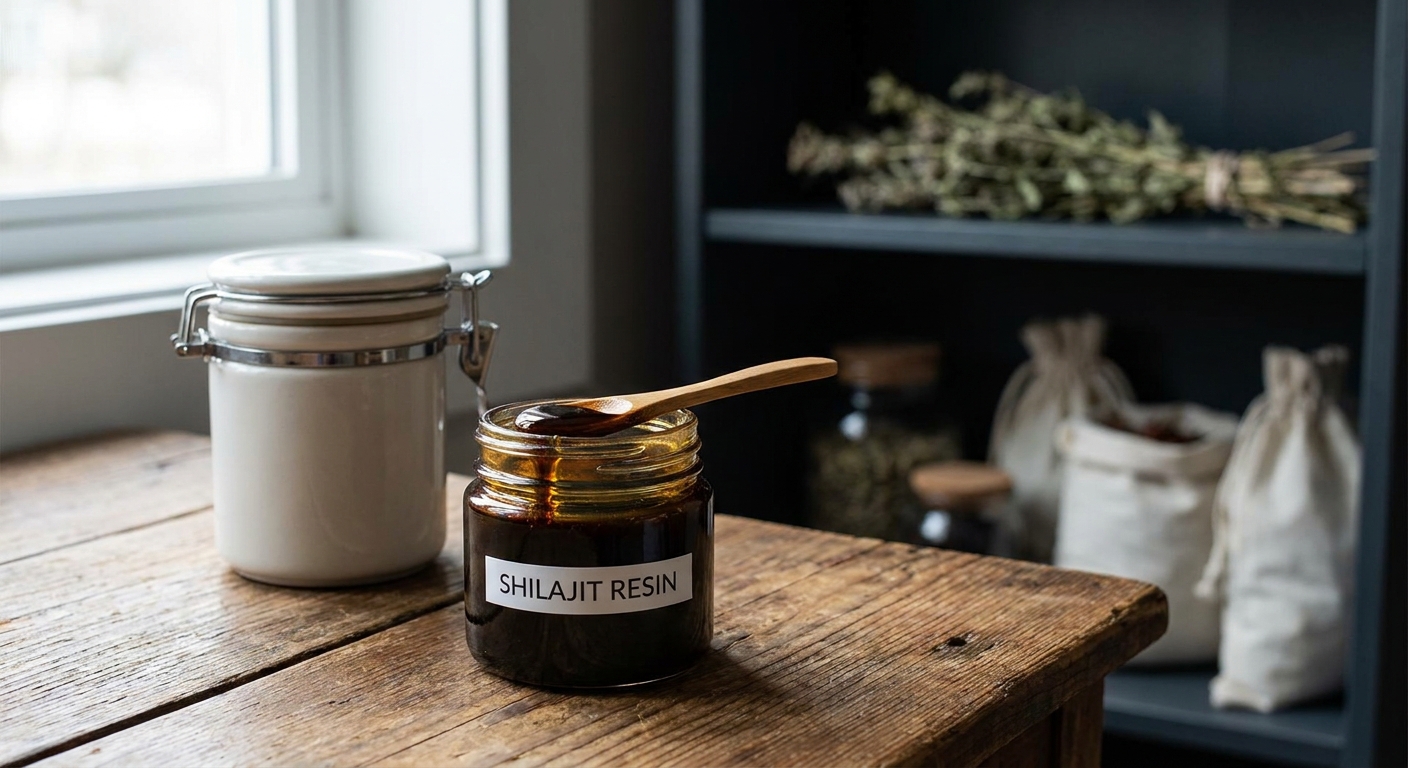
Shilajit resin degrades fast when it hits heat, light, or moisture — and once it does, potency drops and mould risk climbs. This guide covers exactly how to store shilajit resin so every gram stays as potent as the day the jar was opened.
Shilajit resin is a mineral-rich, water-soluble substance — that's exactly why it's fragile once the jar is open. It's hygroscopic, meaning it pulls moisture out of the air, and Australian summers push kitchen and bathroom humidity well past the point where resin starts absorbing water it shouldn't.
Get storage wrong and you get two failure modes: resin that turns rock-hard and unusable, or resin that goes soft, sour, and eventually mouldy. Neither is a quality problem with the best shilajit resin in Australia — it's a storage problem, and it's fixable in five minutes.
An airtight jar is the single biggest factor in how long shilajit resin stays fresh. Plastic tubs, even ones with snap lids, let air and moisture creep in over months — glass with a rubber or silicone gasket does not.
Most shilajit resin ships in a small glass jar for this exact reason. If you're transferring resin into a bigger container, pick dark or amber glass so light exposure stays low. Expected outcome: the resin surface stays glossy and pliable instead of forming a dry crust within days.
Common mistake: leaving the jar loosely closed because scooping is easier that way. That single habit is responsible for most hardened, unusable jars.
Shilajit resin softens and can separate above roughly 25°C (77°F), which is common on an Australian kitchen counter in summer or anywhere near a stove or sunny windowsill. Once it's warmed and cooled a few times, texture becomes inconsistent and unpleasant to dose.
A pantry shelf, a bedroom drawer, or a cupboard on an internal wall all work. Expected outcome: the resin holds a firm, tar-like consistency that's easy to portion with a spoon.
Bathrooms and kitchens near a sink are the worst storage spots in the house because ambient humidity swings hard. A silica gel sachet dropped into the jar (not touching the resin directly) pulls excess moisture out of the air pocket above the product.
If you live somewhere genuinely humid — coastal Queensland, tropical Northern Territory — check the jar every few weeks for condensation on the inside of the lid. Expected outcome: no beading, no softening, no smell change over 2026's warmer months.
UV exposure breaks down the fulvic acid and trace minerals that make shilajit resin worth taking in the first place. A closed cupboard does this job automatically; a clear jar sitting on an open shelf does not.
If your only storage option is a see-through container, wrap it in a tea towel or store it inside a small box. Expected outcome: colour and smell stay consistent jar to jar, which matters if you're comparing batches or brands like the ones covered in the guide to purity and potency in shilajit resin.
Wet fingers or a damp spoon introduce moisture directly into the resin, which is the fastest way to trigger mould growth from the inside out. Keep one dedicated dosing tool for the jar and dry it fully between uses.
Expected outcome: the resin surface stays clean and uniform, with no soft spots forming where the spoon last touched.
Press the lid down firmly and give it a quarter turn past closed if it's a screw-top. A jar that looks shut but isn't fully sealed still lets air exchange happen slowly over weeks.
Expected outcome: minimal air gap inside the jar, which slows oxidation and keeps texture stable for months.
Most Australian homes don't need the fridge — a cool cupboard does the job. But if ambient indoor temperature regularly sits above 30°C during a heatwave, a fridge shelf (not the door, which fluctuates more) can stop the resin from turning liquid.
Expect the resin to firm up noticeably in the fridge; let it sit at room temperature for a few minutes before scooping so it doesn't crack the spoon or tear.
Make a quick visual and smell check part of your routine. Fresh resin is dark brown to black, has a mild earthy or slightly bitter smell, and pulls into a thin string when warmed between fingers.
Expected outcome: catching a problem early, before an entire jar is compromised.
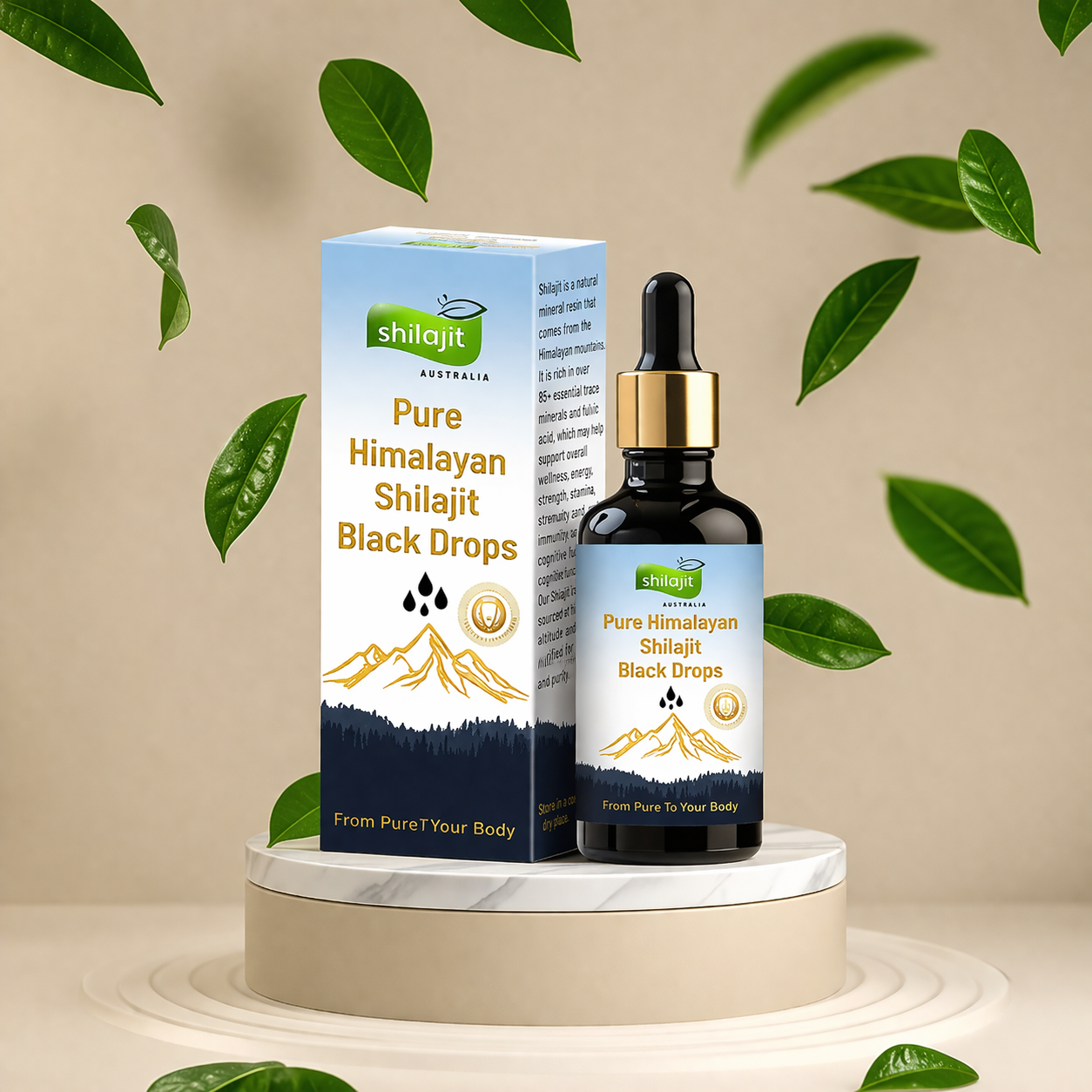
Once storage is sorted, the next variable that affects how long shilajit resin performs well is dosing consistency — how much you take and when. Get that dialled in and a single jar lasts as long as it's meant to, without waste from over-scooping or spoiled batches sitting half-used in the back of a cupboard.
How long does shilajit resin last once opened?
Properly stored in an airtight jar away from heat and light, opened shilajit resin typically stays usable for several months to around a year. Once mould, sour smell, or persistent liquefying shows up, the batch should be discarded regardless of how long it’s been open.
Should shilajit resin be refrigerated?
No, not by default — a cool, dark cupboard works for most Australian homes. Refrigeration only helps if indoor temperatures regularly exceed 30°C, and the resin should be left to soften slightly before scooping straight from the fridge.
Can shilajit resin go mouldy?
Yes, if moisture gets into the jar from a wet spoon, fingers, or high ambient humidity. White or grey fuzz on the surface, or a sour smell instead of an earthy one, means the batch should be thrown out.
Why did my shilajit resin turn hard?
Hardening usually happens from cold exposure or a jar that’s been left slightly open, letting moisture escape. Warming the sealed jar gently in your hands for a few minutes typically brings it back to a workable, tar-like consistency.
Is it fine to store shilajit resin in plastic?
Glass with an airtight seal is a better choice than plastic, since plastic containers let air and moisture exchange happen slowly over months. Glass, especially amber or opaque glass, also blocks light exposure that degrades the resin’s mineral content.
Does shilajit resin need to be kept in the dark?
Yes, UV light breaks down the fulvic acid and trace minerals in shilajit resin over time. A closed cupboard or a wrapped jar on an open shelf both prevent this kind of light-driven degradation.
What does fresh shilajit resin look like versus spoiled?
Fresh resin is dark brown to near-black, smells mildly earthy or bitter, and pulls into a thin string when warmed. Spoiled resin shows fuzzy discoloration, a sour smell, or has turned watery and separated.
The jar lid does more work than the cupboard it sits in — a resin jar stored on a sunny counter but sealed properly will outlast one tucked in a dark drawer with a loose lid. Check the seal before you check the location.
Avoid shilajit while pregnant or breastfeeding. No controlled trials, contamination risk, and one case links use to high blood pressure. Inform your…
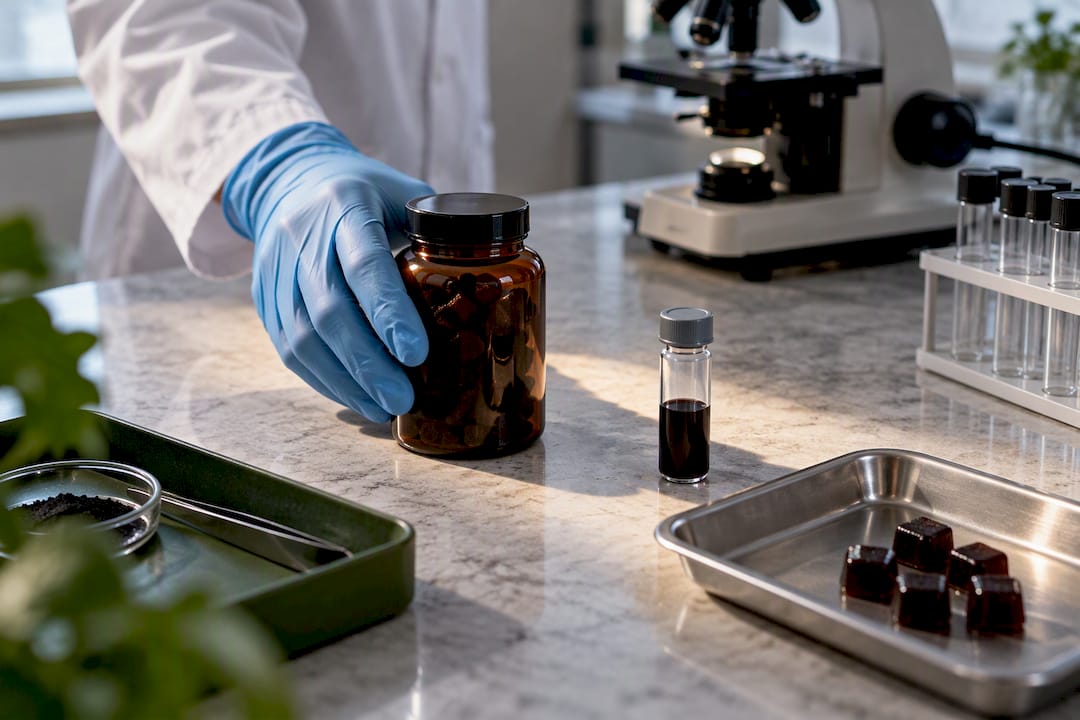
Australia-focused look at shilajit gummies: what human trials actually show, how 500 mg/day dosing compares, and why batch COAs and TGA safety checks matter.