Uncategorized
Shilajit in Pregnancy: Why Doctors Advise Against It and What to Do
Avoid shilajit while pregnant or breastfeeding. No controlled trials, contamination risk, and one case links use to high blood pressure. Inform your…

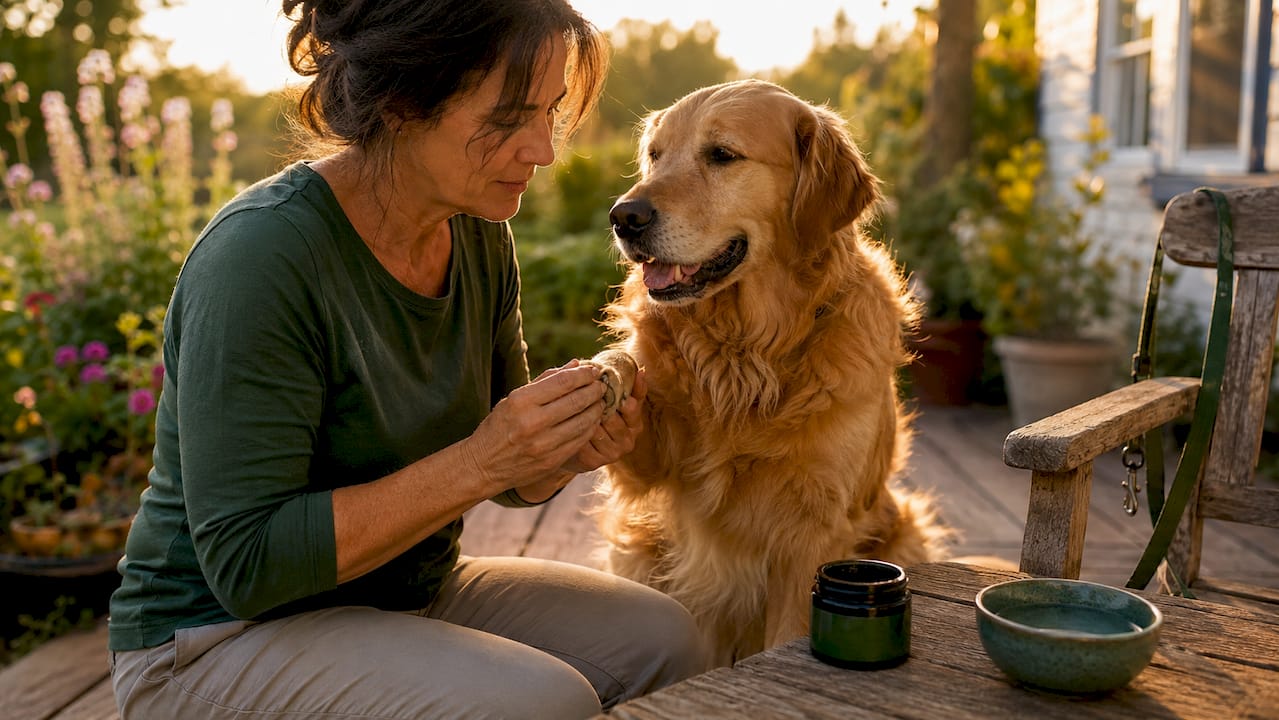
Shilajit is a natural bioactive resin proven to reduce joint inflammation and improve mobility in dogs, making it one of the most compelling natural supplements for canine arthritis and age-related stiffness. Sourced from high-altitude Himalayan rocks and processed using traditional Ayurvedic methods, shilajit contains two key compounds: fulvic acid and dibenzo-alpha-pyrones (DBPs). These compounds work at the cellular level to address the root causes of joint pain in dogs. For dog owners researching shilajit dog joint health explained in plain terms, this article covers the clinical evidence, biological mechanisms, and practical guidance you need.
Clinical evidence for shilajit in dogs is specific and measurable. Dogs with moderate arthritis treated with 500 mg of shilajit daily showed significant pain reduction and improved mobility within 14 to 30 days, with measurable biomarker improvement after 60 days in a 120-day study. That timeline is faster than most traditional joint supplements, which typically require 8 to 12 weeks before owners notice any change.
A separate study on purified shilajit found it reduced inflammation swelling by 76% in experimental models. That figure reflects shilajit’s strong anti-inflammatory action, not just mild symptom relief. The same research confirmed a strong safety and tolerance profile, with no significant adverse effects reported at therapeutic doses.
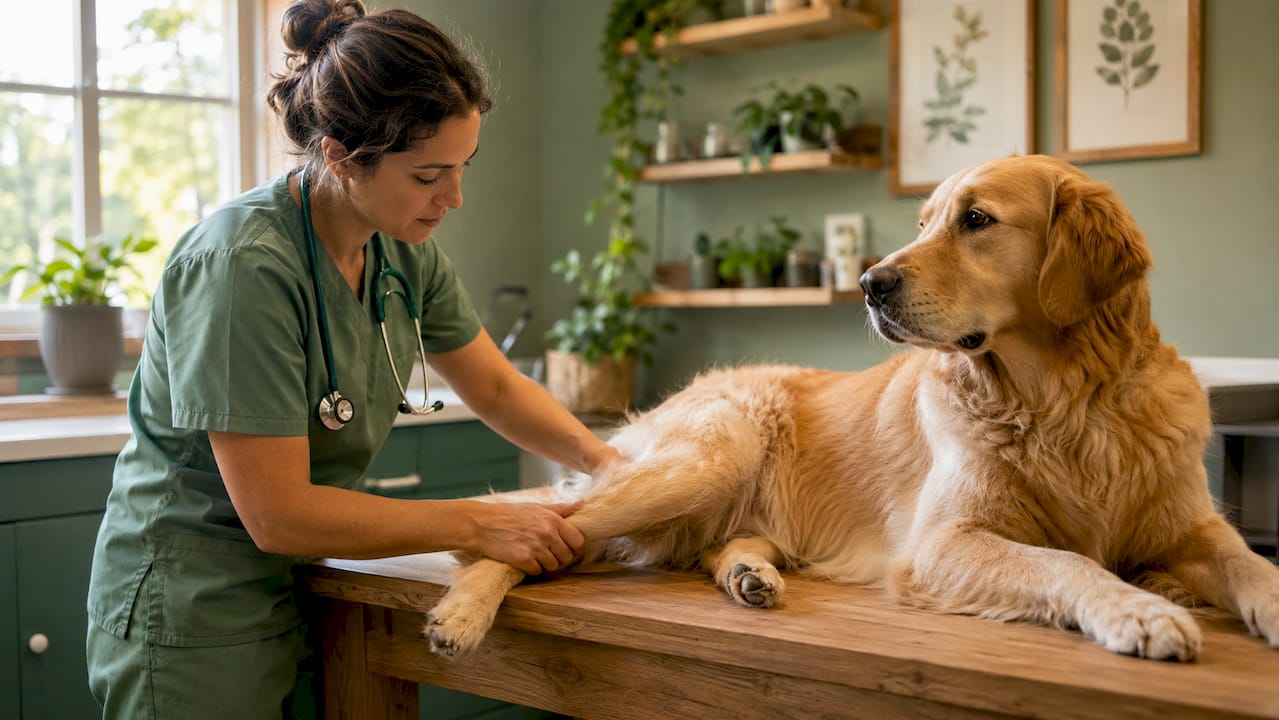
One reason shilajit’s research translates well from humans to dogs is that the biological pathways it targets are conserved across species. The NF-kB pathway, which drives chronic inflammation, and the mitochondrial electron transport chain both function the same way in dogs and humans. This means human research findings reliably inform veterinary applications, giving dog owners more confidence in the evidence base.
| Study Parameter | Result |
|---|---|
| Daily dosage used | 500 mg |
| Mobility improvement onset | 14–30 days |
| Biomarker improvement | After 60 days |
| Study duration | 120 days |
| Inflammation reduction | 76% in experimental models |
“Shilajit’s bioactivity is consistent across species due to fundamental biological pathways like NF-kB and the mitochondrial electron transport chain, which are conserved in dogs and humans.” — Veterinary expert analysis
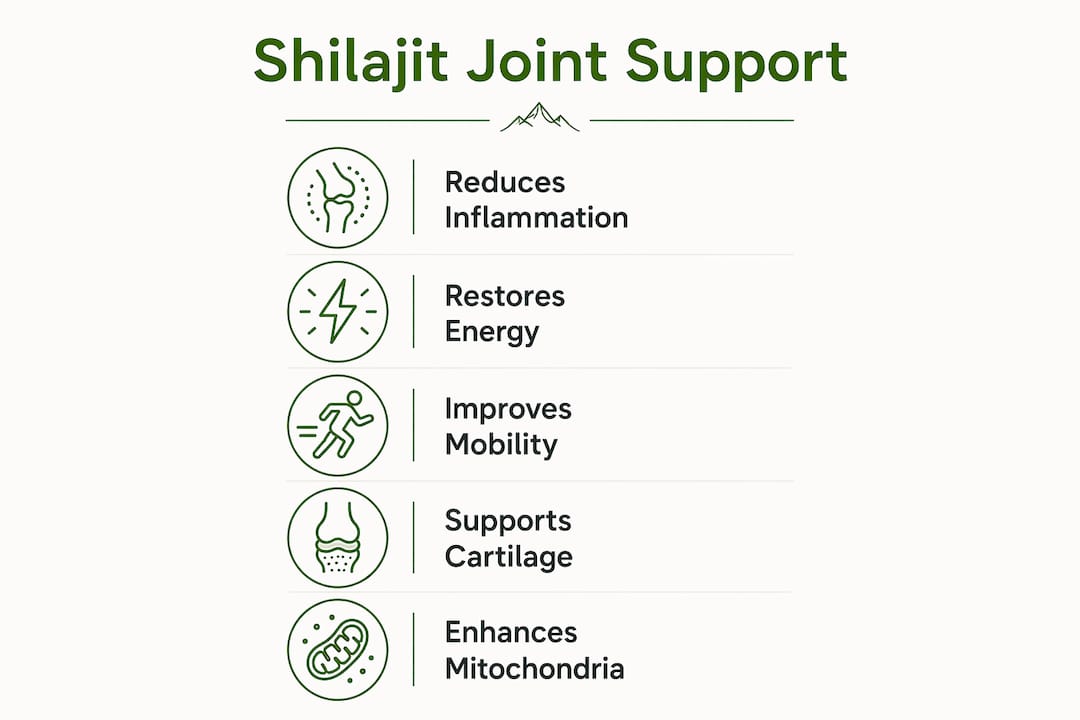
Shilajit acts through three distinct biological mechanisms, each targeting a different driver of joint pain and stiffness. Understanding these mechanisms explains why shilajit outperforms single-action supplements.
Pro Tip: If your dog is already on a CoQ10 supplement, adding shilajit may produce faster results. The DBPs in shilajit and CoQ10 work together to stabilize mitochondrial function more effectively than either compound alone.
Dog owners have long relied on glucosamine, chondroitin, and green-lipped mussel for joint support. Shilajit does not replace these supplements. It adds a layer of cellular support that traditional supplements cannot provide.
| Supplement | Primary Action | Mitochondrial Support | Gut Barrier Benefit | Onset Time |
|---|---|---|---|---|
| Glucosamine | Cartilage building | No | No | 8–12 weeks |
| Chondroitin | Cartilage protection | No | No | 8–12 weeks |
| Green-lipped mussel | Omega-3 anti-inflammation | No | No | 4–8 weeks |
| Shilajit | Multi-pathway support | Yes | Yes | 14–30 days |
Glucosamine and chondroitin reduce inflammation and support cartilage production, but they do not address the energy deficit in joint cells. Shilajit’s mitochondrial support fills that gap. A dog whose joint cells lack energy cannot repair cartilage efficiently, even with adequate glucosamine intake.
Veterinary joint protocols recommend shilajit as an adjunct therapy combined with glucosamine for enhanced results. The combination targets both structural repair and cellular energy, producing better outcomes than either supplement alone. For senior dogs dealing with both arthritis and general fatigue, this combination addresses multiple problems at once.
Here is a practical approach for combining supplements:
Product quality is the single most important factor when choosing shilajit for your dog. Purified shilajit resin offers the best bioavailability and safety profile, avoiding heavy metals and contaminants found in lower-grade forms. Always choose a product that provides third-party testing results for each batch.
Pro Tip: Store shilajit resin in a cool, dry place away from direct sunlight. Heat degrades the bioactive compounds, reducing its effectiveness for your dog.
Complementary practices strengthen shilajit’s effects. Controlled low-impact exercise, such as short daily walks, maintains joint mobility without adding stress. A diet rich in omega-3 fatty acids supports the anti-inflammatory effects shilajit initiates. For dogs with severe arthritis, always work with a veterinarian to build a complete care plan that includes shilajit as one component.
Shilajit supports dog joint health through three mechanisms: NF-kB pathway inhibition, mitochondrial energy restoration, and gut barrier repair, making it more effective than single-action supplements when used consistently.
| Point | Details |
|---|---|
| Clinical onset is fast | Dogs show mobility improvements in 14–30 days, faster than glucosamine alone. |
| Purified resin is best | Choose third-party tested resin to avoid contaminants that reduce safety and effectiveness. |
| Combine with glucosamine | Shilajit and glucosamine together target both cellular energy and cartilage repair. |
| Gut health matters | Shilajit repairs intestinal barrier function, reducing systemic inflammation that worsens joints. |
| Dose consistently | The studied effective dose is 500 mg daily; results require at least 30 days of consistent use. |
Most conversations about canine joint health focus on cartilage. Glucosamine, chondroitin, collagen. All useful. But cartilage repair requires energy, and that energy comes from mitochondria inside joint cells. If those mitochondria are failing, which they do in aging and arthritic dogs, no amount of structural supplementation will produce the results you want.
That is the insight shilajit brings to the table. Addressing cellular energy metabolism is the key to managing joint stiffness and fatigue beyond inflammation control alone. I have seen dog owners spend months on glucosamine with minimal results, then add shilajit and notice a real difference within weeks. The difference is not magic. It is mitochondrial support doing what structural supplements cannot.
The gut connection is equally overlooked. A dog with a compromised intestinal barrier is constantly fighting low-grade systemic inflammation. That inflammation feeds directly into joint pain. Shilajit’s ability to stimulate Akkermansia muciniphila and repair the gut lining addresses this hidden driver. Most joint supplements ignore it entirely.
My honest advice: do not treat shilajit as a replacement for veterinary care or proven supplements. Treat it as the missing layer. Pair it with glucosamine, maintain your dog’s exercise routine, and give it at least 30 days before evaluating. The shilajit resin guide at Shilajit covers the bioactive mechanisms in more detail if you want to go deeper. Product quality is non-negotiable. Unpurified shilajit can contain heavy metals that cause more harm than good. Verify third-party testing before you buy anything.
— Shilajit
Dog owners who want to act on this research need a product that matches the purity standards used in clinical studies.

Shilajit’s pure Himalayan shilajit resin is sourced from high-altitude Himalayan rock formations and processed using traditional Ayurvedic methods. Every batch is third-party tested for heavy metals and contaminants, matching the purification standards that produce the joint health results described in this article. The resin form delivers the highest bioavailability, meaning your dog absorbs more of the active compounds per dose. If you prefer a smaller starting size, the 25-gram jar is a practical way to introduce shilajit into your dog’s routine before committing to a larger supply.
Shilajit is a natural resin containing fulvic acid and dibenzo-alpha-pyrones that reduce joint inflammation, restore cellular energy, and repair gut barrier function. These three actions together address the root causes of canine arthritis more broadly than single-action supplements.
Most dog owners report visible mobility improvements within 14 to 30 days at 500 mg daily, with measurable biomarker improvement occurring after 60 days of consistent use.
Purified shilajit resin is well-tolerated in dogs at therapeutic doses, with no significant adverse effects reported in clinical studies. Always choose a third-party tested product and consult your veterinarian before starting any new supplement.
Yes. Veterinary joint protocols recommend combining shilajit with glucosamine for better results. Shilajit adds mitochondrial and gut support that glucosamine alone does not provide.
Purified resin offers the best bioavailability and the lowest contamination risk. Capsules are a convenient alternative, but verify that the product lists its fulvic acid content and provides third-party testing documentation.
Avoid shilajit while pregnant or breastfeeding. No controlled trials, contamination risk, and one case links use to high blood pressure. Inform your…
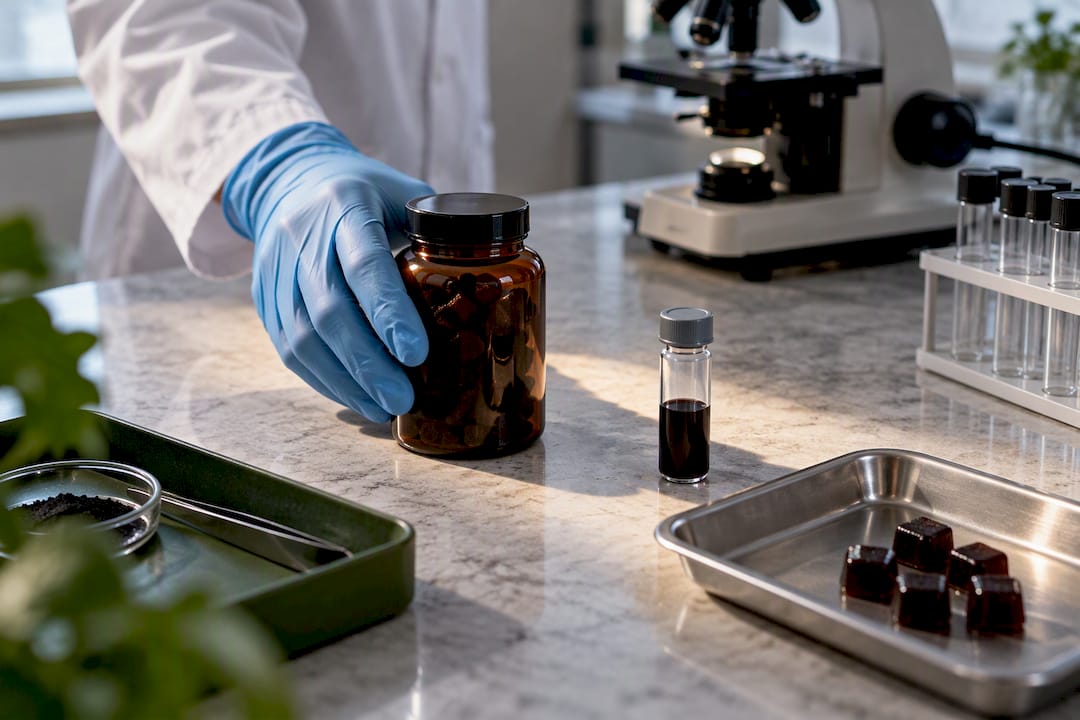
Australia-focused look at shilajit gummies: what human trials actually show, how 500 mg/day dosing compares, and why batch COAs and TGA safety checks matter.