Uncategorized
Shilajit in Pregnancy: Why Doctors Advise Against It and What to Do
Avoid shilajit while pregnant or breastfeeding. No controlled trials, contamination risk, and one case links use to high blood pressure. Inform your…


Shilajit can support weight-loss efforts indirectly, mainly by improving mitochondrial energy production and helping the body handle exercise and blood sugar better. It is not a proven standalone fat burner. The strongest human evidence comes from a 12-week trial that combined shilajit with other compounds, exercise, and diet, not shilajit alone. Purity matters as much as dose, so pairing it with a real training and nutrition plan, and a lab-tested product, is what actually moves the needle.
TL;DR:
- Most human studies on shilajit and weight loss involve combination supplements, with little evidence isolating shilajit’s standalone effects.
- Shilajit may support mitochondrial function and reduce fatigue, potentially improving exercise endurance rather than directly causing fat loss.
- Benefits observed in trials are modest and appear mainly as adjunctive effects that complement diet and exercise, not replacements.
- Contamination risks from heavy metals are well-documented, making sourcing and product purity crucial before use.
- Expect noticeable changes in energy and workout capacity within a few weeks, but significant fat loss requires consistent training and calorie control.
Most of what we know about shilajit and fat loss comes from a small pool of studies, and almost none of them isolate shilajit as the only variable. Human randomized trials number in the low single digits when it comes to weight-related outcomes specifically. The rest of the supporting research is preclinical: animal models, cell cultures, and lab work on fulvic acid chemistry. That distinction matters when you’re deciding how much weight to put on any single claim.
The studies that do exist tend to follow one of two designs. Either they measure biomarkers over a few weeks (such as insulin sensitivity, lipid panels, or inflammatory markers) or track body composition changes in conjunction with structured exercise and diet programs. There is little evidence from trials measuring fat loss from shilajit alone without other interventions.
What gets measured varies by study:
The honest read: sample sizes are small, shilajit is frequently combined with other ingredients like chromium or Phyllanthus emblica, and results are mixed once you look past the six-week mark. A review of trials and narrative evidence on humic and fulvic substances concludes that most positive findings reflect adjunctive benefit, not standalone weight-loss efficacy from shilajit by itself.
There’s also a safety-evidence gap worth naming directly. Far more research exists on shilajit’s contamination risks (heavy metals, in particular) than on long-term, shilajit-only efficacy trials. That asymmetry should shape how you read every other claim in this guide: the case for benefit is plausible but thin, while the case for caution around sourcing is comparatively well documented.
The case for shilajit resting on mechanism, not miracle, starts with mitochondria. These are the structures inside your cells that convert nutrients into usable energy, and fulvic acid along with related dibenzo-alpha-pyrones found in shilajit appear to support the electron transport chain that drives ATP production. Lab and small human studies show markers of improved mitochondrial function and reduced fatigue with fulvic-acid-containing preparations, which is a plausible route to better stamina, not a direct fat-melting effect.
A second pathway involves AMPK, short for AMP-activated protein kinase. Think of AMPK as a cellular fuel gauge: when energy runs low, it switches on processes that burn stored fat for fuel and dial down fat storage. Preclinical models show shilajit’s bioactive compounds can trigger AMPK activation, which is linked to increased fat oxidation in animal and cell studies. That’s promising biology, but it hasn’t yet been confirmed as a driver of measurable fat loss in humans at typical supplement doses.
The third and probably most practical mechanism is the least glamorous: energy and adherence. If shilajit reduces the fatigue that makes you skip a workout or half-heartedly jog through one, that alone can shift your weekly calorie burn more than any direct metabolic effect. Small human trials have reported improved fatigue and exercise outcomes after shilajit supplementation, and better exercise capacity tends to translate into more consistent training, which is where real body-composition change happens.
Anti-inflammatory and insulin-sensitivity effects round out the picture. Chronic low-grade inflammation and poor insulin sensitivity both make fat loss harder and fat gain easier. Indexed human studies report antioxidant and anti-inflammatory effects after shilajit supplementation that may influence lipids and insulin sensitivity, though the sample sizes are small and study designs vary widely.
Here’s the practical breakdown of how these mechanisms could stack:
Pro Tip: Don’t judge shilajit by the scale in week one. Mitochondrial and inflammatory markers shift slowly. If you’re going to notice anything early, it’s usually energy and workout stamina, not the number on your bathroom scale.
The gap between mechanistic plausibility and proven clinical efficacy is the single most important thing to understand here. A compound can activate the right pathway in a petri dish and still fail to produce a measurable difference in a 200-pound adult over 12 weeks. Shilajit sits in that gap right now: real biology, incomplete proof.
The most relevant human data comes from a 12-week randomized, double-blind trial that tested chromium combined with Phyllanthus emblica fruit extract and shilajit, layered on top of supervised exercise and a reduced-calorie diet. The trial, registered under NCT06641596 and published with a DOI in Nutrients, started with 166 participants and had 109 complete the full protocol.
The numbers that matter:
That last point is the one most marketing pages skip. This trial can’t tell you what shilajit alone contributes, because nobody removed chromium and Phyllanthus emblica to test that. It tells you that a multi-ingredient formula, layered on top of real diet and exercise changes, outperformed placebo early on. That’s a meaningfully different claim than “shilajit burns fat.”
Smaller studies fill in adjacent pieces. Research on fatigue and endurance outcomes suggests shilajit supplementation can improve exercise tolerance in some participants, which matters for adherence even if it doesn’t show up as a direct fat-loss number. Combination-supplement trials pairing chromium, Phyllanthus emblica, and shilajit have shown more consistent short-term improvements than shilajit alone would likely produce, but again, without isolating the ingredient.
Statistically, the effects reported across this body of research are modest, not dramatic. They read as adjunct benefits, the kind of thing that might tip the scale a few percentage points in your favor over 6 to 12 weeks if you’re already training and eating with intent. They are not the kind of effect that replaces a calorie deficit or a training program.
The limitations worth remembering before you buy anything:
Shilajit shows up in three common forms, each with its own dosing logic:
Resin offers the most traditional dosing experience but requires you to judge quantity by eye, which is imprecise if you’re tracking intake closely. Standardized extracts solve that problem at the cost of some of the mineral complexity found in whole resin. Clinical trial doses vary by study and often combine shilajit with other ingredients, so there’s no single “proven” gram amount to chase.
Timing tends to follow a simple pattern: morning, or 30 to 45 minutes before a workout, when the goal is energy and exercise capacity rather than sleep or digestion support. Start on the low end of any dosing range for the first week or two, then adjust based on how you feel. Detailed dosage guidance can help you calibrate against your body weight and tolerance.
Give it real time before judging results. Energy and stamina changes often show up within 4 to 8 weeks; body-composition shifts, if they happen at all, take longer and depend far more on your training and diet than on the supplement. Keep a simple log: dose, timing, energy level, and workout performance, so you’re tracking something concrete instead of guessing.
Contamination is the real risk with shilajit, not the compound itself. Raw shilajit is mined from rock in high-altitude regions, and depending on sourcing and processing, it can carry heavy metals like lead, arsenic, or mercury. Regulatory and safety reviews point to contamination as a documented risk for some shilajit supplements on the market, which is why third-party batch testing isn’t optional if you’re taking this regularly.
Who needs a clinician’s input before starting:
Reported side effects in the existing literature are generally mild: gastrointestinal upset, occasional allergic-type reactions, and in rare cases, shifts in lab markers that warrant monitoring if you’re on other medications. None of this is severe, but it’s also not nothing, particularly if you’re layering it on top of existing prescriptions.
Pro Tip: A legitimate lab report names the specific heavy metals tested, gives numeric results (not just “pass”), and states the testing method, usually ICP-MS. If a product page only says “lab tested” with no numbers attached, that’s a red flag, not reassurance.
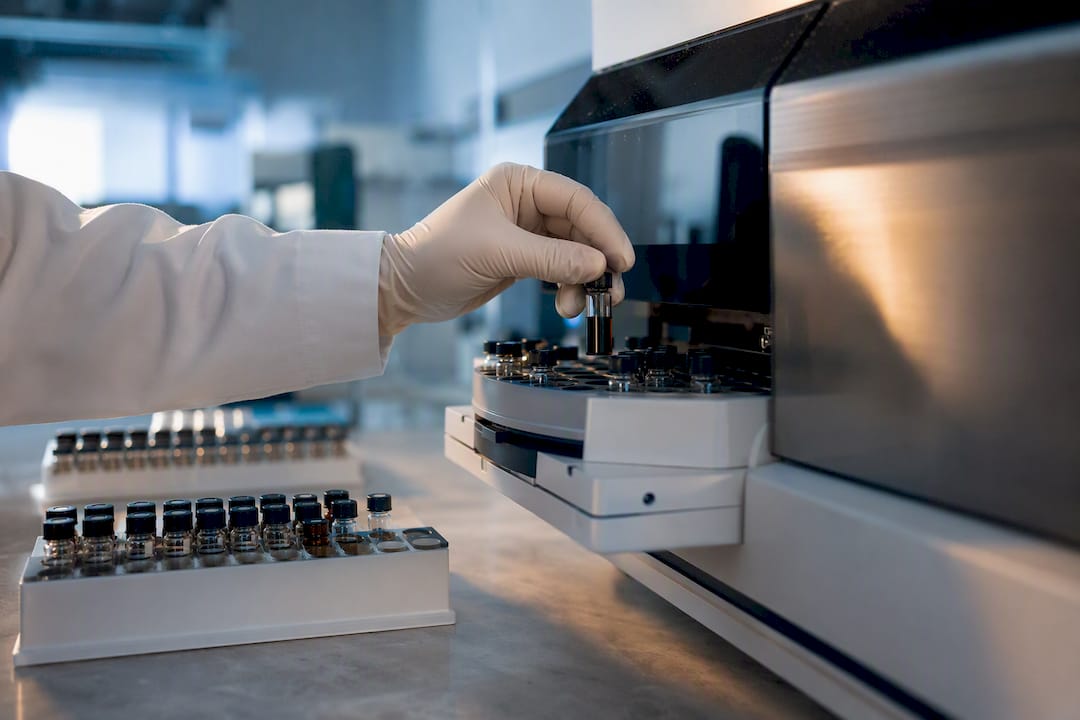
Watch for vague fulvic acid percentage claims, no visible batch certificate, and unclear country of origin. Legitimate suppliers publish per-batch purification and testing details precisely because contamination is a known industry problem, not a hypothetical one.
If you’re going to try shilajit as part of a weight-management approach, sequence matters more than the supplement itself:
What you should actually measure: body weight trend (not daily fluctuations), waist circumference, and simple performance markers like your reps, sets, or how far you can walk or run without stopping. Note energy levels and any new symptoms in the same log.
Know when to stop. If you notice no energy shift after two months, or you develop any adverse reaction, that’s your signal to reassess, not push through. Anyone starting new medications or receiving a new diagnosis mid-use should check in with a clinician before continuing.
Set your expectations accordingly: shilajit is, at best, a modest adjunct. The main drivers of weight change remain calorie balance and consistent training, the same as they’ve always been.
Shilajit sells resin, tinctures, gummies, and related mineral supplements, and every claim in this guide about purity and dosing reflects the same standard we apply to our own products:
That framing matches what the clinical evidence actually supports: energy and metabolic support, not a promise of pounds lost.
The gap between how shilajit gets marketed and what the trials show is the real story here. Search “shilajit for weight loss” and you’ll find plenty of pages implying it burns fat directly. The evidence doesn’t support that framing. What it supports is something less flashy but more useful: a supplement that may help your mitochondria work better and your workouts feel less brutal, which over months can compound into real progress.
Conventional advice treats shilajit as interchangeable with any other “metabolism booster.” That undersells the mechanism and oversells the outcome at the same time. The AMPK and mitochondrial pathways are genuinely interesting biology. They just haven’t been proven to move a scale on their own, and the one strong human trial we have tested shilajit as part of a three-ingredient formula, not solo.
If you’re going to prioritize one thing, prioritize sourcing. A contaminated product carries real downside risk with no offsetting benefit. A clean, tested product carries modest upside. That asymmetry should drive your decision more than any fat-burning claim on a label.
Shilajit’s pure Himalayan resin is positioned as energy and metabolic support, not a fat-burning shortcut, and every batch ships with lab-testing documentation so you know what’s actually in it before you take it.
Each batch of the 50 Grams Pure Shilajit Resin comes with purity certificates covering heavy-metal screening, so you’re not guessing at contamination risk the way you would with an unlabeled resin from an unfamiliar seller. If you want the fuller picture on sourcing and purity standards before you buy, the purity guide breaks down what separates a clean product from a risky one. Start with a pea-sized dose dissolved in warm water, track your energy for a few weeks, and adjust from there. Order the resin directly from the product page and check the batch certificate that ships with it before your first dose. For more updates and practical insights on shilajit and healthy lifestyle habits, follow Shilajit Australia on Facebook.
Readers who want method-level detail should consult the original trial protocols and peer-reviewed papers directly rather than relying on summaries alone.
This article is general information, not a substitute for advice from a qualified doctor. Consult a qualified healthcare professional about your own circumstances before acting on anything here.
Avoid shilajit while pregnant or breastfeeding. No controlled trials, contamination risk, and one case links use to high blood pressure. Inform your…
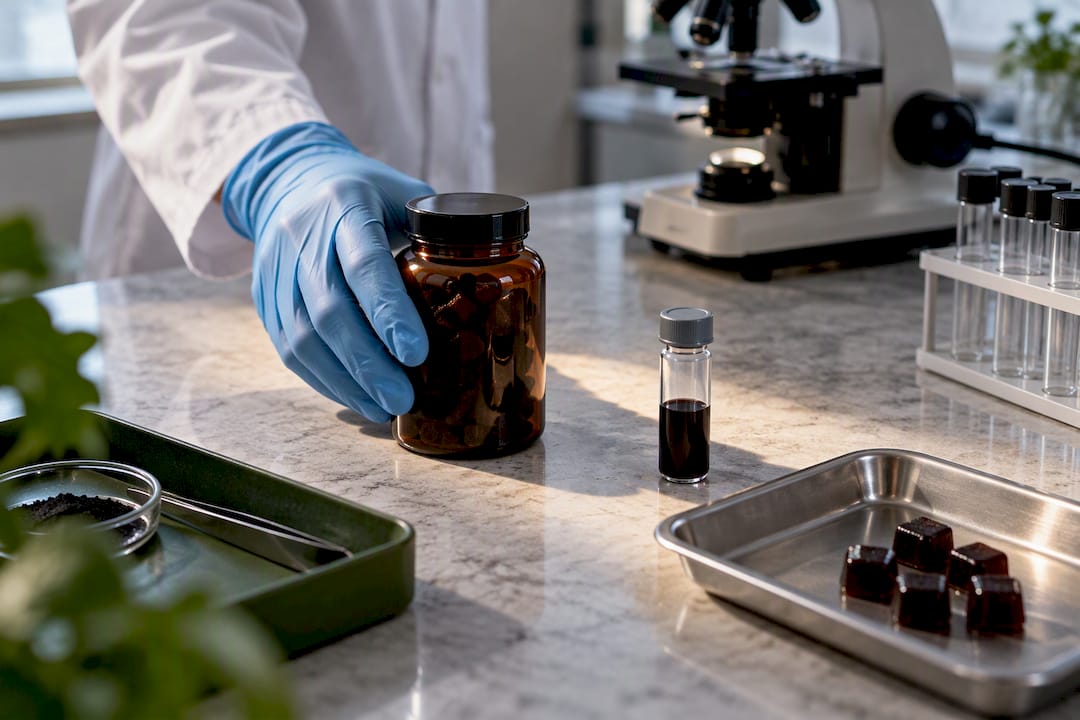
Australia-focused look at shilajit gummies: what human trials actually show, how 500 mg/day dosing compares, and why batch COAs and TGA safety checks matter.