Uncategorized
Shilajit in Pregnancy: Why Doctors Advise Against It and What to Do
Avoid shilajit while pregnant or breastfeeding. No controlled trials, contamination risk, and one case links use to high blood pressure. Inform your…

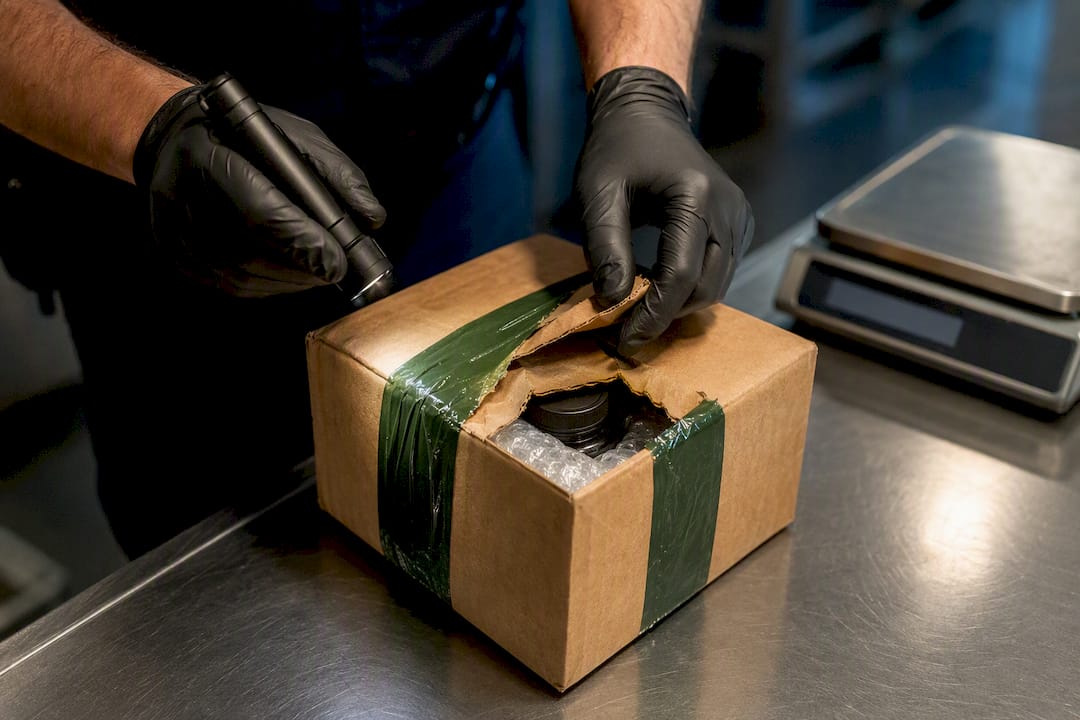
Selling shilajit commercially in Australia sits in a legal gray zone because it is not listed on the Australian Register of Therapeutic Goods. Individuals, however, can lawfully bring in a personal supply under the Therapeutic Goods Administration’s Personal Importation Scheme, provided the Australian Border Force doesn’t flag the shipment. The short version: buying for yourself is fine within limits; running a shopfront that advertises it as a cure is not.
TL;DR:
- Importing shilajit for personal use is legal under the Personal Importation Scheme if the order is within a three-month supply and clearly for yourself or immediate family.
- Selling or advertising shilajit as a therapeutic product without ARTG registration breaches Australian law, risking seizure and penalties for businesses.
- Unregulated batches may contain dangerous contaminants like heavy metals and microbes, emphasizing the importance of third-party testing and batch-specific COAs.
- Consumers should verify product compliance, keep detailed purchase records, and avoid use if pregnant, breastfeeding, or on certain medications to reduce health risks.
- Most legal issues stem from scale, intent, and product contamination, not the ingredient itself, which remains unbanned but is classified as unapproved for commercial sale.
The reason shilajit sits outside normal retail rules comes down to one registry: the ARTG. Any product marketed in Australia as having a therapeutic effect, whether that’s boosting energy, easing joint pain, or supporting testosterone, needs to be entered on that register or fall under a specific exemption. Shilajit isn’t listed, and legal commentary on the topic confirms that fact, which is why businesses can’t legally advertise it as a health cure in the way many overseas sellers do.
The Therapeutic Goods Act 1989 (Cth) is the law doing the heavy lifting here. It draws a hard line around unapproved therapeutic goods and makes advertising them to Australian consumers unlawful unless an exemption applies, a rule the Act itself sets out in plain terms. Three things follow from that:
None of this bans the ingredient itself. It bans the unapproved commercial pathway.
The Personal Importation Scheme is the legal door most Australians actually walk through. It lets you import a therapeutic good that isn’t ARTG listed, as long as it’s for your own use or an immediate family member’s, not for resale, and not in a quantity that looks like stock for a business.
Statistic snapshot: Border officers commonly apply a benchmark of a 3-month supply per order and roughly a 12-month supply across a year, an interpretation drawn from how the personal importation conditions are typically applied at the border. There’s no official published cap etched into the Act itself, which is exactly why quantity becomes a judgment call.
Three things determine whether your order clears customs without a second look:
Border Force officers and TGA compliance staff both have discretion to assess intent, not just weight or volume. A documented use plan and clean paper trail genuinely reduces the odds of a shipment getting flagged or held for questioning.
Border seizure is the most common outcome, not prosecution. If a shipment looks like commercial stock, or lacks proper labeling, the Australian Border Force can hold or destroy it under Customs Act powers, often without a formal court process at all.
Where it escalates is intent and scale:
Statistic snapshot: Legal analysis of these tiers notes that penalty severity scales sharply between individual importers and commercial advertisers, with businesses facing corporate-level fines well beyond what an individual risks for a personal order. A one-off personal purchase and a website selling shilajit as a “libido cure” sit in completely different risk categories.
Legality is only half the story. The other half is what’s actually in the resin you’re importing, and that’s where the TGA’s caution starts to make practical sense rather than just bureaucratic sense.
Raw shilajit is scraped from rock exudate at high altitude, and without proper purification it can carry:
Cleveland Clinic notes that shilajit supplements have not been evaluated by regulators for safety or effectiveness in the way pharmaceuticals are, and that heavy metal contamination is a real, documented risk in products that skip third-party testing. Banner Health’s clinical guidance echoes this, adding that shilajit can interact with medications and that quality varies enormously between suppliers.
Pro Tip: Never trust a product photo of a lab report. Ask the seller for the actual certificate of analysis (COA) tied to the specific batch number on your jar, not a generic one from their website.
Staying inside the law and staying safe are two different checklists that happen to overlap almost entirely. Work through these before you place an order:
Pro Tip: Screenshot the product page showing dosing instructions and COA at the time of purchase. If the seller updates or removes that page later, you’ll still have proof of what you actually bought.
Reviewing our buying guide for shilajit in Australia before you order is a fast way to check you’re covering all five points.
Shilajit isn’t suitable for everyone, and no COA changes that. Skip it, or get medical clearance first, if you fall into any of these groups:
Talk to a GP or pharmacist before starting, and hand them the COA, not just the marketing copy.
We sell Himalayan shilajit resin that’s lab-tested for purity, and every batch comes with dosing guidance so you’re not guessing at a “reasonable personal supply.” You can review our buying guide for staying compliant when importing shilajit and check batch-level testing details on our product pages before you order.
— Shilajit
Most shilajit sold online skips the one thing that actually protects you: a real, batch-specific COA. Shilajit gives you that upfront, on the product page, not buried in a PDF you have to email support for.
Every batch of our pure Himalayan shilajit resin ships with purity testing results and clear dosing instructions, so calculating a compliant personal supply takes minutes, not guesswork. If you’re still comparing sourcing and purity standards, our guide to Himalayan shilajit purity walks through what separates a clean batch from a contaminated one. Check the current batch COA on the product page, confirm your dosing plan, and place your order today. Follow us on Instagram to learn more about shilajit legal in australia updates, product information and quality insights.
This article is general information, not a substitute for advice from a qualified doctor. Consult a qualified healthcare professional about your own circumstances before acting on anything here.
Avoid shilajit while pregnant or breastfeeding. No controlled trials, contamination risk, and one case links use to high blood pressure. Inform your…
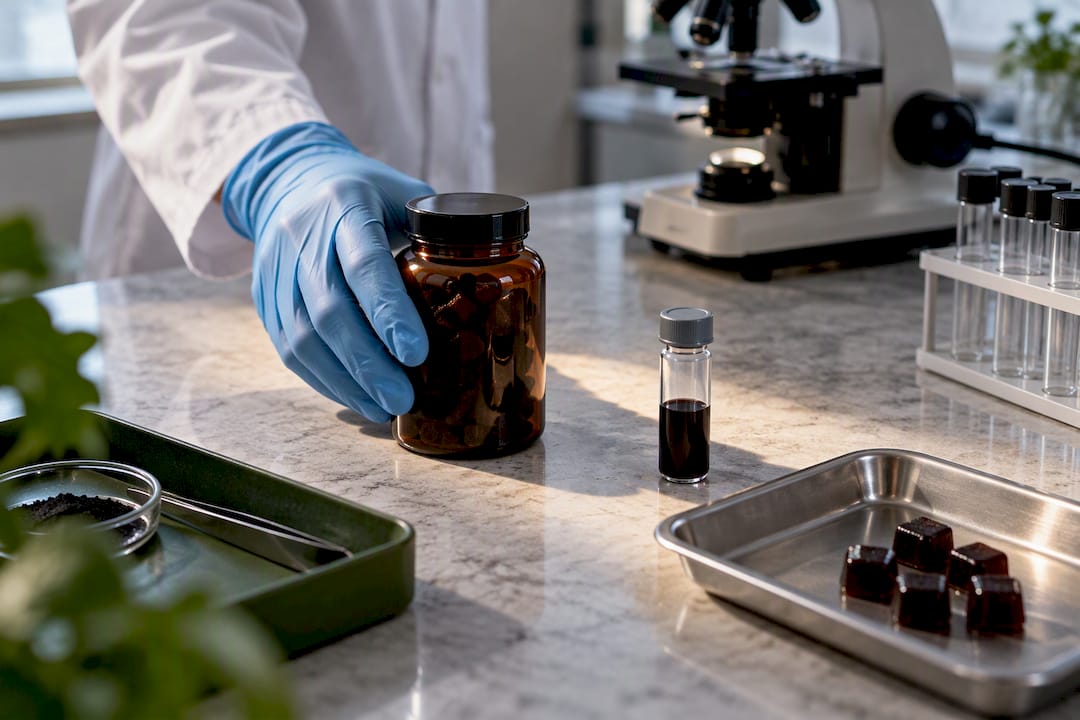
Australia-focused look at shilajit gummies: what human trials actually show, how 500 mg/day dosing compares, and why batch COAs and TGA safety checks matter.