Uncategorized
Shilajit in Pregnancy: Why Doctors Advise Against It and What to Do
Avoid shilajit while pregnant or breastfeeding. No controlled trials, contamination risk, and one case links use to high blood pressure. Inform your…

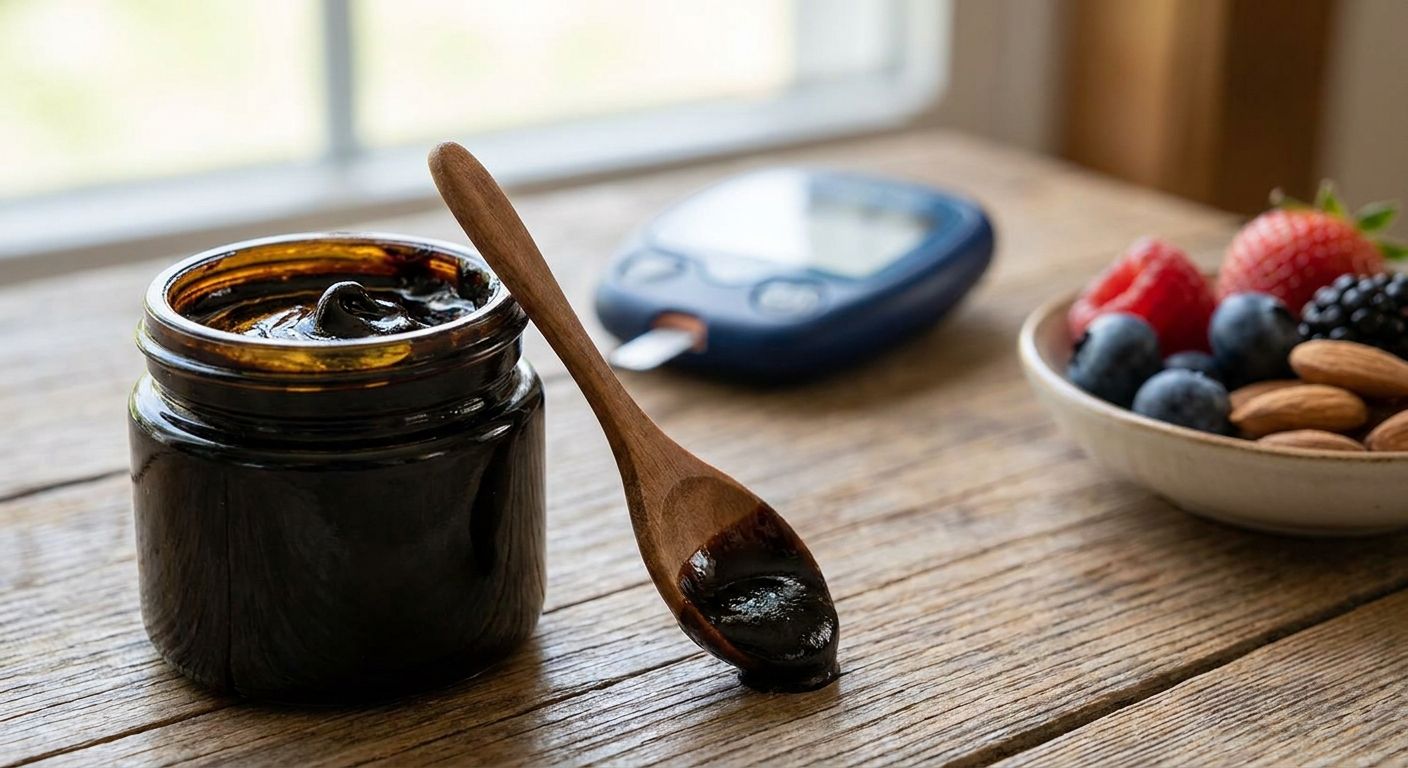
Shilajit for blood sugar support means choosing pure resin over sugar-loaded formats, checking lab results for fulvic acid content, and treating it as one piece of a metabolic health routine rather than a medical treatment.
Searches for shilajit for blood sugar spike every January and every winter as Australians look for natural additions to a metabolic health routine. The interest is real, but so is the risk: shilajit resin sold cheap and unregulated can carry heavy metals, and a supplement aimed at blood sugar-conscious buyers loses the plot fast if it’s packed with added sugar.
Shilajit is a mineral-rich resin that forms over centuries in the Himalayas, and its defining compound is fulvic acid — a carrier molecule that Ayurvedic practice has used for generations alongside diet and lifestyle changes. None of this makes shilajit resin a substitute for medication, and no reputable seller should claim it treats diabetes. What it can be, in 2026, is a lab-tested mineral supplement chosen carefully to fit a broader routine.
This guide is for Australians already managing blood sugar through diet, exercise, or a doctor’s plan who want a natural mineral addition without undoing that work with hidden sugar. It’s for people who read labels, who care whether a resin is choosing the right shilajit supplement for their specific goal rather than a generic wellness trend, and who want dosing control rather than a one-size gummy. If you’re on metformin, insulin, or any blood sugar medication, this is also for you — with the caveat that your GP needs to be in the loop before you start.
Fulvic acid is the active carrier compound in shilajit resin, and it’s what separates a genuine Himalayan resin from a filler-heavy imitation. Products listing 85+ trace minerals on the label, like the Shilajit Gummies Gold formula, give you a benchmark to compare against cheaper alternatives that list almost nothing.
Resin that forms in mountain rock can pick up heavy metals if it isn’t purified and tested properly, and that risk matters more for anyone already managing a health condition. Lab-tested purity isn’t a marketing line here — it’s the one thing that determines whether the mineral content helps or just adds contaminant load.
If the entire point is blood sugar-conscious supplementation, added sugar in the delivery format defeats the purpose before the shilajit even does anything. Check the ingredient list on gummies and tinctures specifically — resin and capsules are far less likely to carry hidden sweeteners.
Pure resin gives you the mineral complex in its most concentrated, least-processed state, while powders and low-grade capsules often dilute it with plant fillers to bulk out volume. For blood sugar support specifically, concentration matters more than convenience.
Resin lets you measure a precise, small serving with a dosing spoon rather than committing to a fixed capsule or gummy dose. That flexibility matters if you’re introducing shilajit slowly while watching how your body responds.
Anyone on diabetes medication needs to check with a doctor before adding shilajit resin, since minerals and supplements can interact with treatment plans in ways a product label can’t predict. This isn’t a box to tick — it’s the single most important criterion on this list.
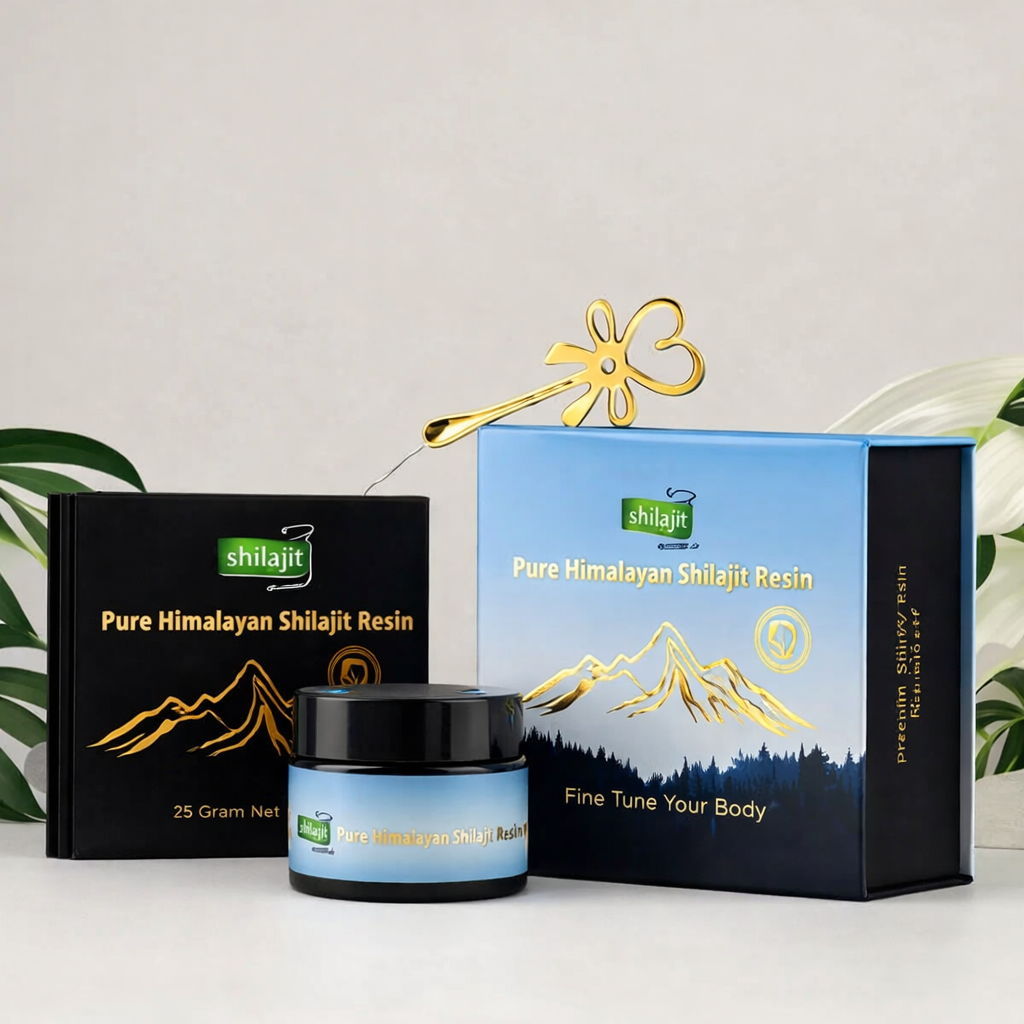
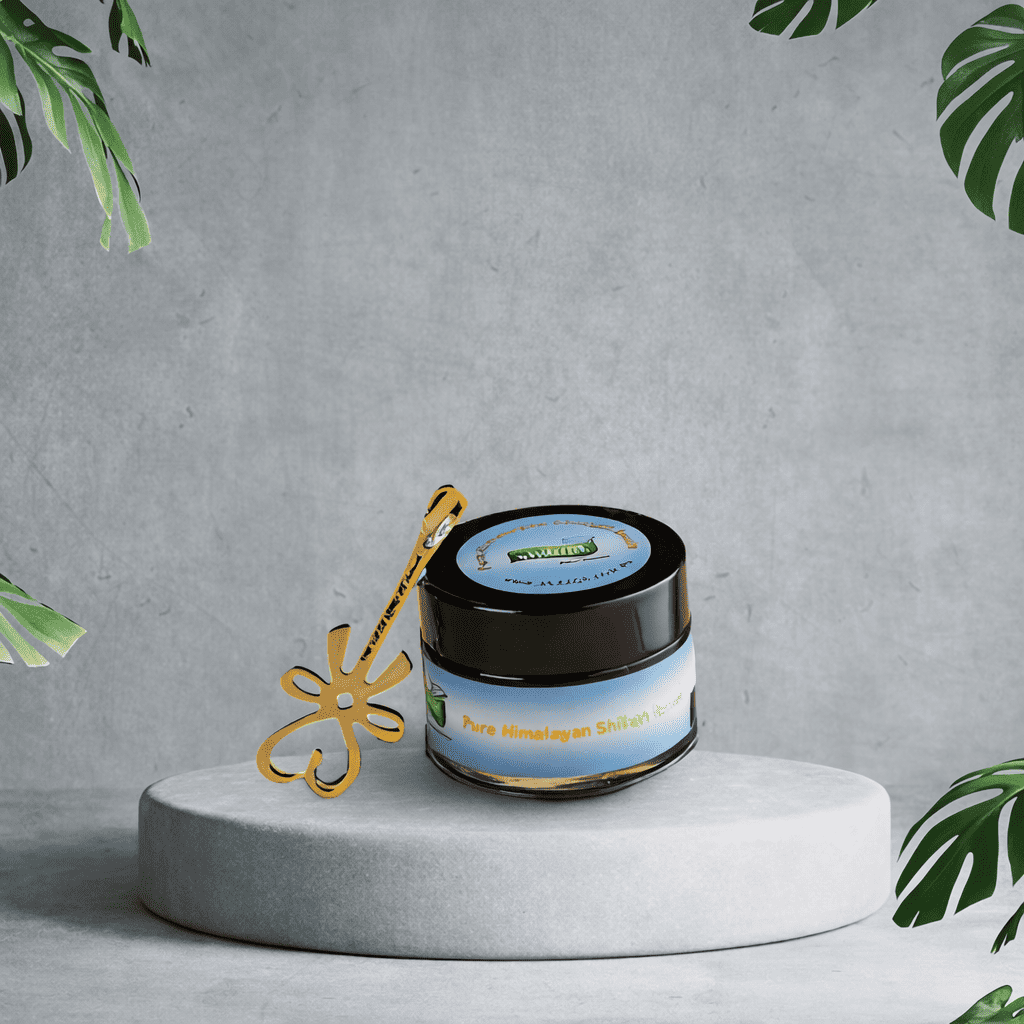
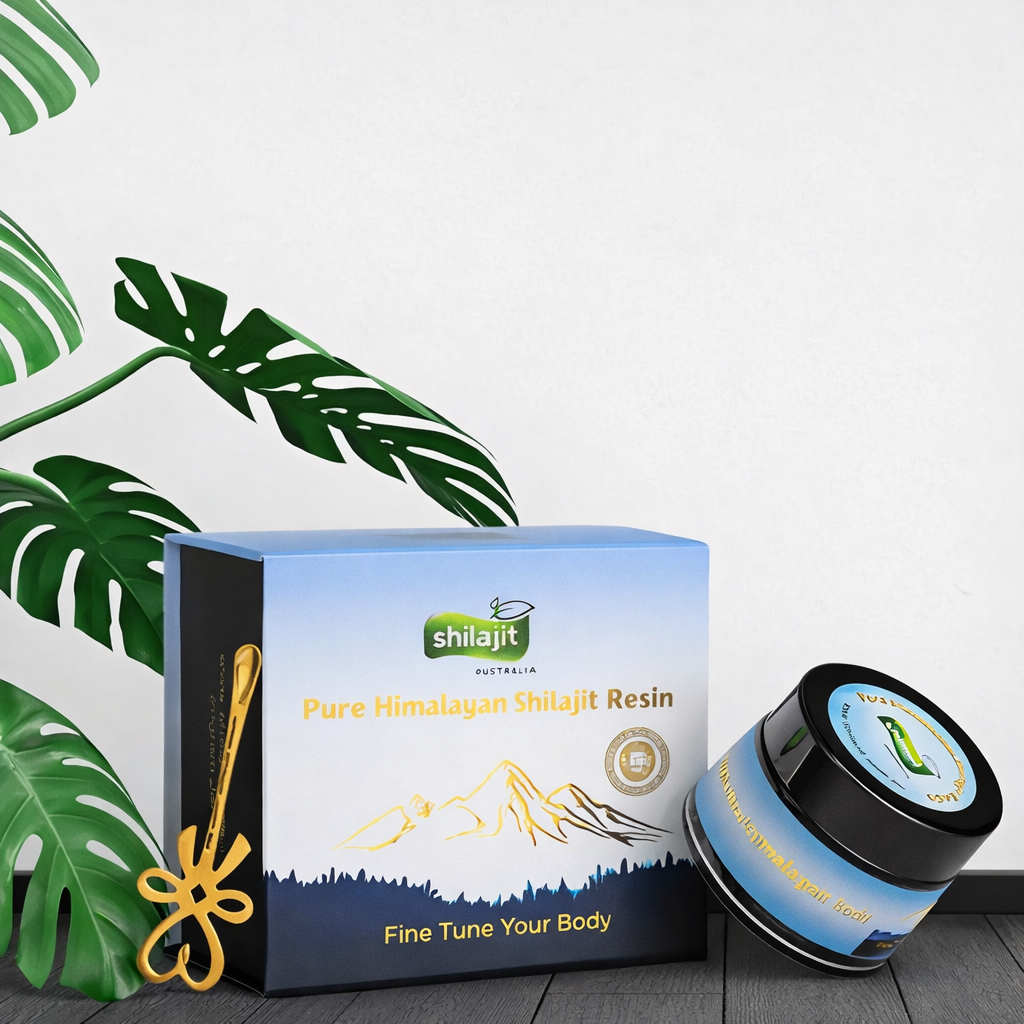
The Precision Pick — smaller resin jar for dose control. A 25-gram jar lets you measure small, consistent servings while you learn how your body responds, which matters more here than with a general energy supplement. Priced at roughly $2.80 per gram, it’s not the cheapest per-gram option, but it’s the right starting size before committing to bulk. Read the maximum absorption technique guide before your first dose. Verdict: Buy.
The Mineral-Dense Pick — resin with a stronger fulvic acid profile. A 50-gram jar sits in the middle price tier and gives you more room to build a consistent daily habit without re-ordering every few weeks. This is the format most people land on once they’ve confirmed shilajit resin works for their routine, and it pairs well with the fulvic acid resin approach to daily mineral intake. Verdict: Buy.
The Budget Pick — bulk resin jars. A 100-gram set split across two 50-gram jars brings the price per gram down to roughly $1.80, the lowest in the range, and makes sense once you know you’ll use shilajit resin consistently through 2026. The catch is upfront cost, so this isn’t the pick for a first-time buyer. Verdict: Consider.
| Pick | Format | Best fit | Verdict |
|---|---|---|---|
| Precision resin (25g) | Pure resin | First-time dose control | Buy |
| Mineral-dense resin (50g) | Pure resin | Consistent daily routine | Buy |
| Bulk value jars (100g) | Pure resin | Lowest cost per gram | Consider |
| Sugar-added gummies | Gummy | Convenience only | Skip |
Is shilajit good for blood sugar?
Shilajit resin is traditionally used in Ayurvedic wellness practice as part of a broader diet and lifestyle routine, not as a standalone treatment for blood sugar conditions. It’s a mineral supplement, and anyone managing diabetes should treat it as an addition to their plan, not a replacement for it.
Can diabetics take shilajit resin?
Anyone on diabetes medication should talk to a doctor before starting shilajit resin, since minerals and supplements can interact with treatment plans. A doctor can confirm whether it fits alongside your current prescriptions.
How much shilajit resin should I take per day?
Serving size varies by product and is listed on the label, and most people start with a small measured amount using a dosing spoon before adjusting. Resin gives more dosing control than a fixed-dose capsule or gummy.
Is shilajit resin better than gummies for blood sugar-conscious buyers?
Resin is generally the better choice because it avoids the added sugar or sweeteners found in some gummy formats. If you do choose gummies, check the label for added sugar before buying.
Does shilajit interact with metformin or other diabetes medication?
There’s no way to confirm interactions without checking with a doctor or pharmacist first, since individual medication regimens vary. Always disclose any supplement, including shilajit resin, to your prescribing doctor.
What’s the difference between shilajit resin and shilajit capsules?
Resin is the least-processed, most concentrated form, while capsules often include additional binders or fillers to hold their shape. For mineral density, resin is the stronger option gram for gram.
How do I know if shilajit resin is authentic?
Authentic resin should carry a lab test certificate confirming purity and screening for heavy metals. A seller unwilling to share that documentation is a reason to look elsewhere.
Is it safe to take shilajit resin every day?
Daily use is common practice among shilajit resin users, but anyone with an existing health condition or on medication should confirm with a doctor first. Follow the serving size on the product label rather than estimating your own dose.
The detail most buyers miss: resin dissolves best in warm water, not hot, because high heat can degrade the fulvic acid compound that makes shilajit resin worth buying in the first place. A jar that’s technically pure but gets stirred into a scalding coffee every morning isn’t delivering what the label promises — the format matters, but so does how you use it. Find more helpful tips on choosing pure and lab tested Shilajit by following us on Pinterest.
Avoid shilajit while pregnant or breastfeeding. No controlled trials, contamination risk, and one case links use to high blood pressure. Inform your…
Australia-focused look at shilajit gummies: what human trials actually show, how 500 mg/day dosing compares, and why batch COAs and TGA safety checks matter.