Uncategorized
Shilajit in Pregnancy: Why Doctors Advise Against It and What to Do
Avoid shilajit while pregnant or breastfeeding. No controlled trials, contamination risk, and one case links use to high blood pressure. Inform your…


People cutting back on caffeine reach for shilajit resin because it supplies energy through mineral and fulvic acid pathways instead of forcing an adrenaline spike, which means no jitters and no crash when the dose wears off. This segment isn’t looking for a stronger stimulant — they’re looking for a way to feel normal again without three coffees before noon, and shilajit fills that gap differently than most “caffeine alternatives” on the market.
Caffeine dependence builds fast. Most regular coffee drinkers in Australia consume 200-400mg of caffeine a day across two to four cups, and the body adapts to that baseline within weeks — which is exactly why stopping suddenly triggers headaches, fatigue and irritability. Shilajit doesn’t replace caffeine molecule-for-molecule; it works on a different system entirely, supporting mitochondrial energy production and mineral status rather than blocking adenosine receptors the way coffee does.
That difference is the whole point for this segment. People aren’t cutting caffeine because they hate coffee — they’re cutting it because the crash, the sleep disruption, or the reliance itself has become the problem. Swapping in shilajit resin mixed into your morning coffee during the taper phase, then dropping the coffee later, tends to work better than an abrupt switch.
Shilajit instead of caffeine is a gradual swap, not an overnight replacement — the people who succeed treat week one as a taper, not a detox.
Dropping from three coffees to zero in one day is the single biggest reason people give up on this switch by day three. A slower taper gives shilajit time to build baseline mineral status while your nervous system adjusts.
The morning slot is where most people feel the caffeine gap hardest, so it’s the logical place to introduce shilajit first.
Caffeine withdrawal is real and measurable, and pretending it won’t happen sets people up to quit the switch early.
Caffeine has a mild diuretic effect, so cutting it changes your fluid and mineral balance on top of the energy shift.
Not every format suits every lifestyle, and picking the wrong one is a common reason people abandon the switch.
Cutting caffeine doesn’t have to mean cutting coffee entirely — plenty of people keep one cup for the ritual, minus the dependence.
Energy response to shilajit varies by body weight, diet, and how depleted your mineral status was to start with.
When you’re ready to compare which product actually suits a caffeine taper, the table below breaks down the practical differences.
| Option | Best for | Starting price | Key limitation |
|---|---|---|---|
| Shilajit Resin 25g | Daily flexible dosing, mixing into drinks | $69.99 | Strong taste, needs dissolving |
| Shilajit Gummies (100 pack) | Taste-averse users, grab-and-go dosing | $89.55 | Fewer active doses per gram than resin |
| Shilajit Tincture 50ml | On-the-go dosing, desk or gym bag | $68.55 | Smaller total mineral yield per bottle |
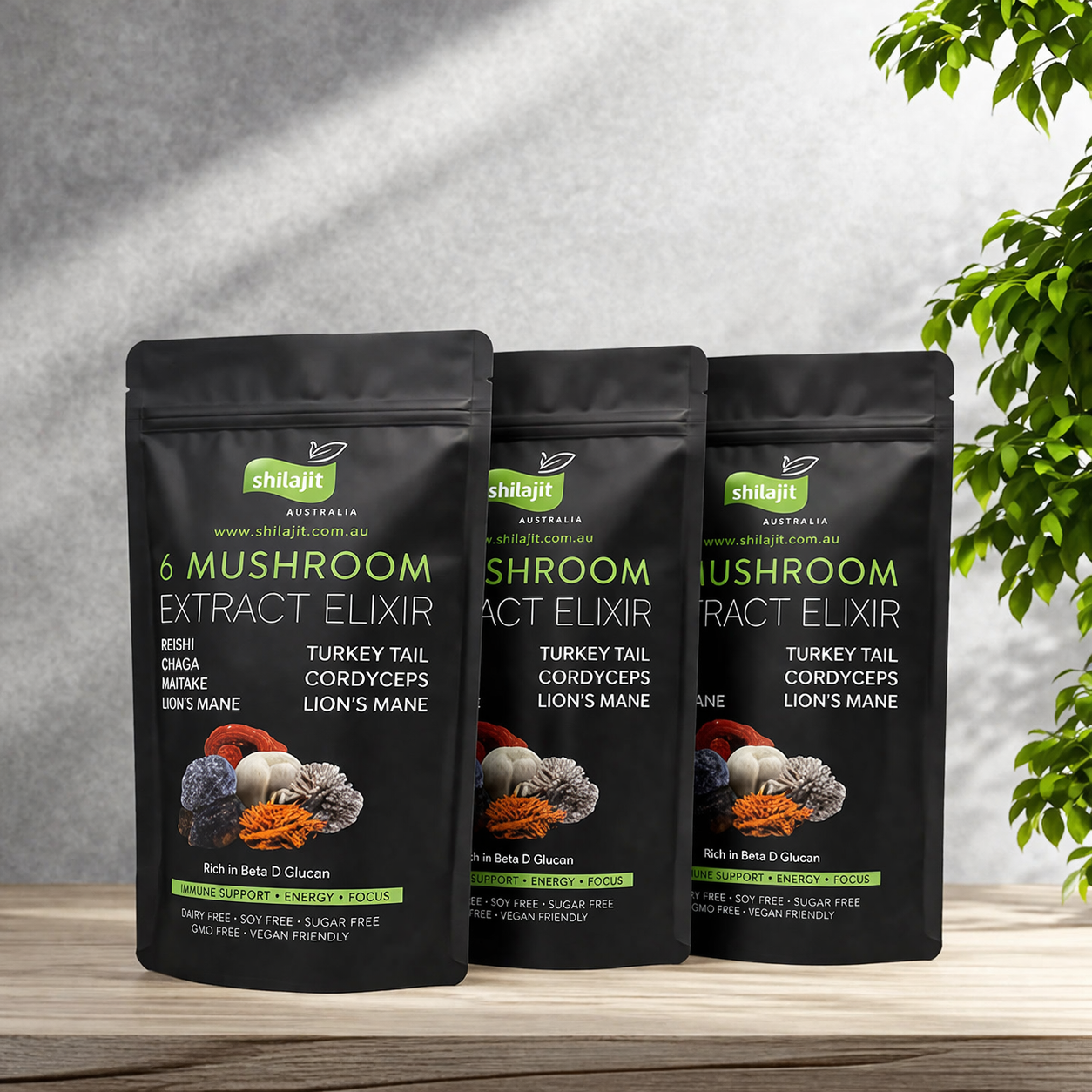
| Mushroom Elixir 250g | Caffeine-free focus stack, paired with shilajit | $69.66 | Not a direct caffeine substitute on its own |
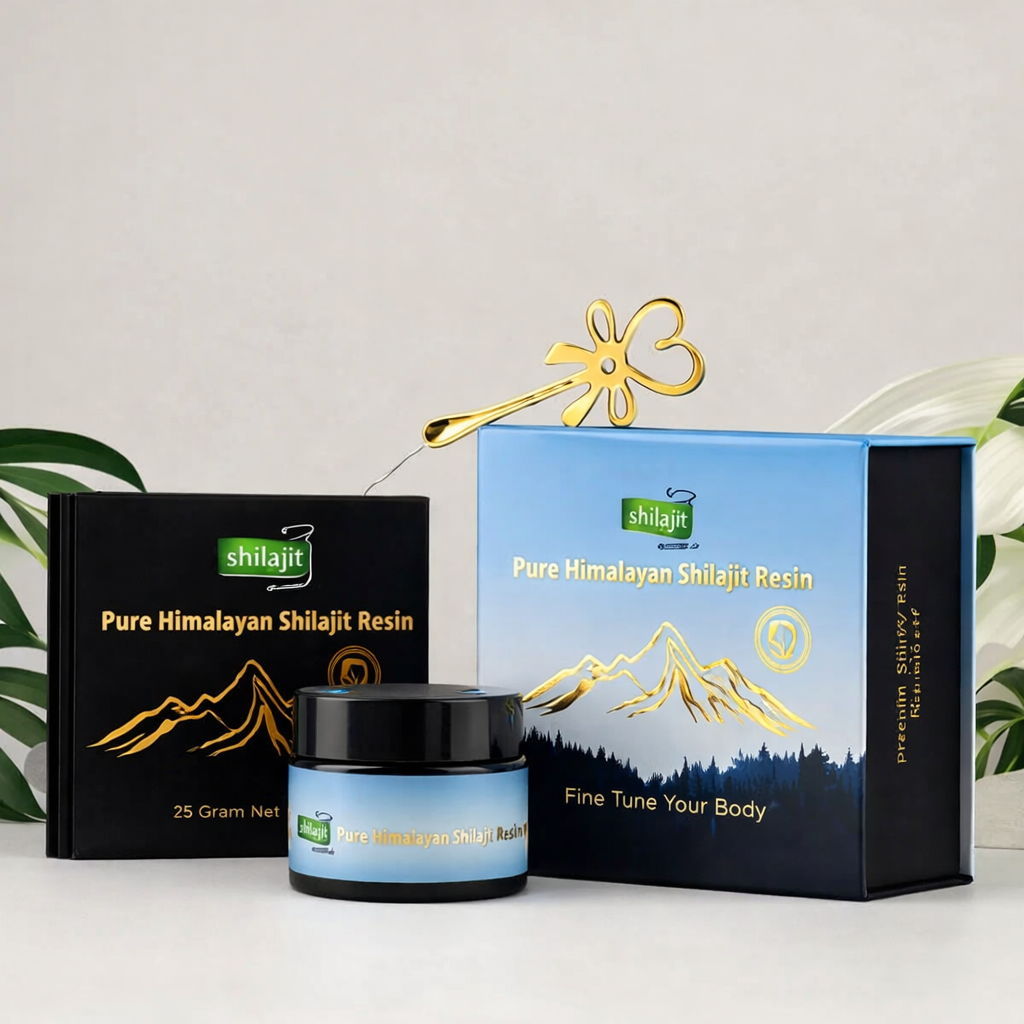
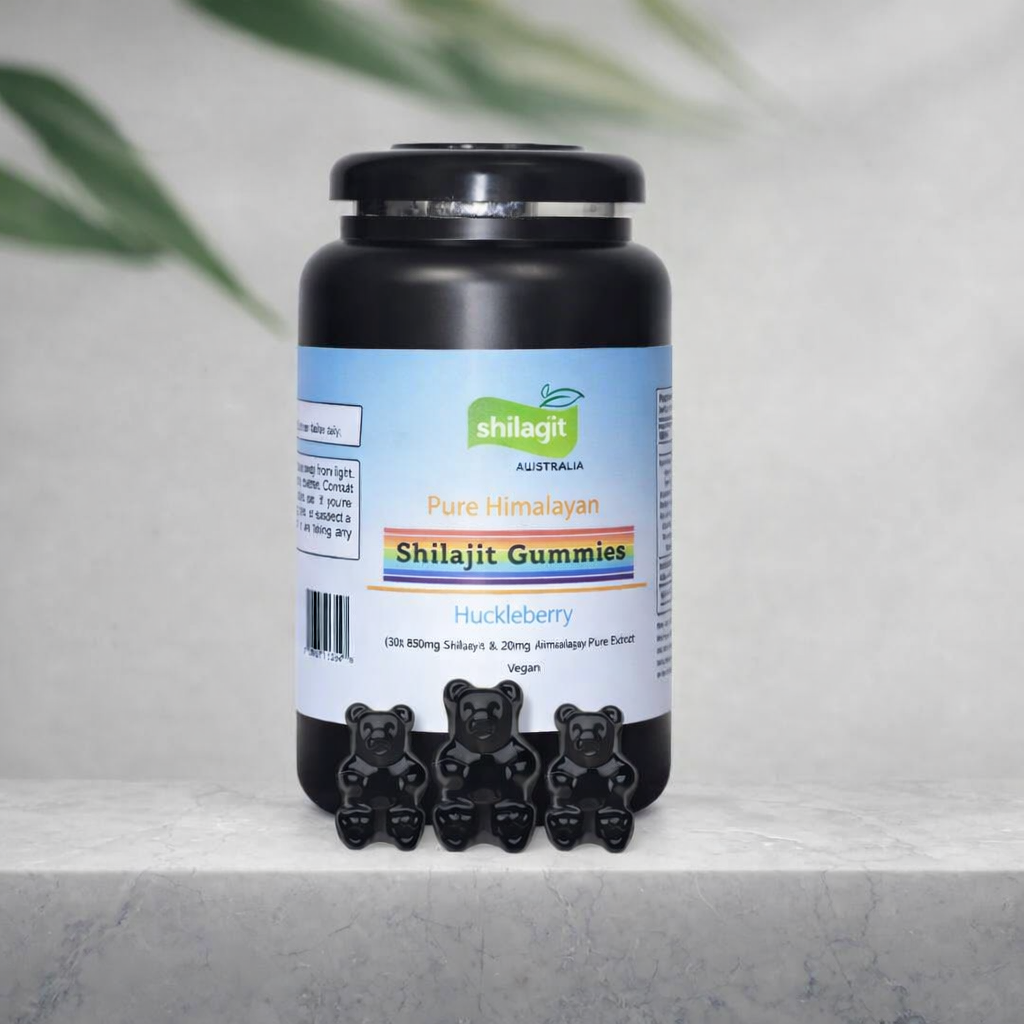
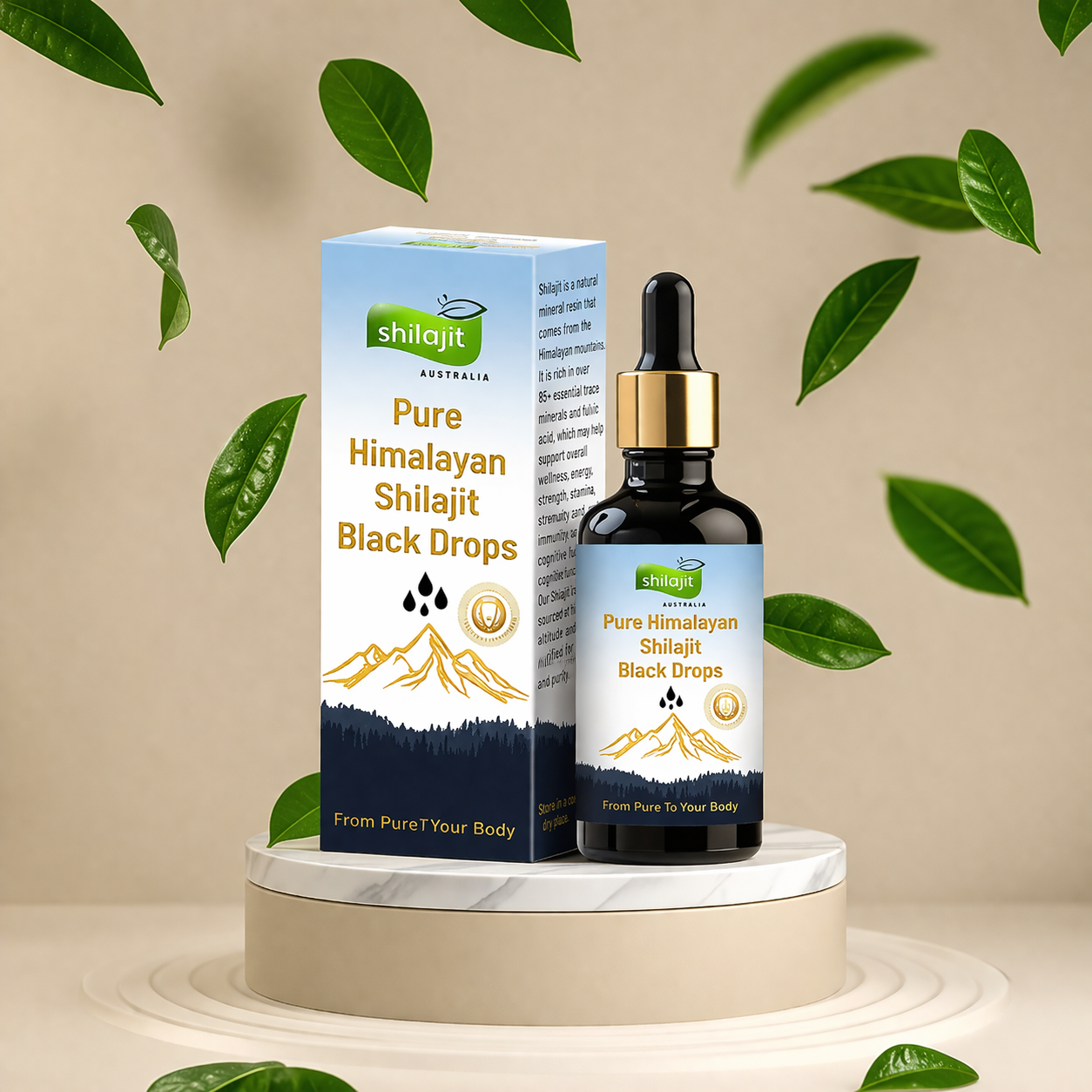
Verdict: shilajit resin is the strongest starting point for this switch in 2026 — it gives the most control over dose size during a taper, which matters more than convenience in the first two weeks.
Is shilajit a good substitute for caffeine?
Shilajit is a workable substitute for caffeine because it supports cellular energy production rather than stimulating the nervous system, so it avoids the jitters and crash of coffee. It won’t replicate an instant caffeine hit, but it supports steadier energy across the day once your body adjusts over 1-2 weeks.
How long does it take to feel shilajit energy?
Most people report a noticeable energy shift within 7-14 days of consistent daily use. Shilajit works on mineral status and cellular energy pathways, which build gradually rather than hitting instantly like caffeine.
Can you take shilajit and coffee together while cutting back?
Yes, mixing a small shilajit resin dose into a reduced coffee amount during the taper phase is a common approach. It lets you lower caffeine gradually while shilajit builds baseline energy support in the background.
Does shilajit cause a crash like caffeine?
No, shilajit doesn’t produce the sharp crash associated with caffeine because it doesn’t work through adenosine receptor blocking. Energy from shilajit tends to feel steadier across the day rather than peaking and dropping.
How much shilajit resin should you take when quitting caffeine?
A standard serving is a pea-sized amount, roughly 300-500mg, taken once daily. Start at the lower end of that range in week one and adjust after two weeks based on how you feel.
Will shilajit help with caffeine withdrawal headaches?
Shilajit doesn’t stop caffeine withdrawal headaches directly, since those are tied to adenosine receptor changes, but supporting hydration and mineral intake alongside it can ease the intensity. Withdrawal headaches typically peak 20-51 hours after your last full caffeine dose and fade within a week.
Is shilajit safe to take every day in 2026?
Lab-tested Himalayan shilajit resin taken at standard daily servings is considered safe for most healthy adults. Check the product’s lab test certificate for purity before starting a daily routine, and speak with a doctor if you’re on medication.
What’s the best shilajit product for beginners cutting caffeine?
Shilajit resin is the best starting point for beginners cutting caffeine because it allows precise dose adjustment during a taper. Gummies or tincture drops suit people who want a no-mixing, grab-and-go option instead.
The part most people skip is measuring their actual starting caffeine intake before they start tapering — most guess low. Write down every coffee, energy drink and pre-workout for three days before you touch shilajit at all; the taper plan only works if the starting number is real, and 2026 is as good a year as any to finally track it properly. For more insights on Shilajit Instead of Caffeine and maintaining daily energy, follow Shilajit Australia on Facebook.
Avoid shilajit while pregnant or breastfeeding. No controlled trials, contamination risk, and one case links use to high blood pressure. Inform your…
Australia-focused look at shilajit gummies: what human trials actually show, how 500 mg/day dosing compares, and why batch COAs and TGA safety checks matter.