Uncategorized
Shilajit in Pregnancy: Why Doctors Advise Against It and What to Do
Avoid shilajit while pregnant or breastfeeding. No controlled trials, contamination risk, and one case links use to high blood pressure. Inform your…

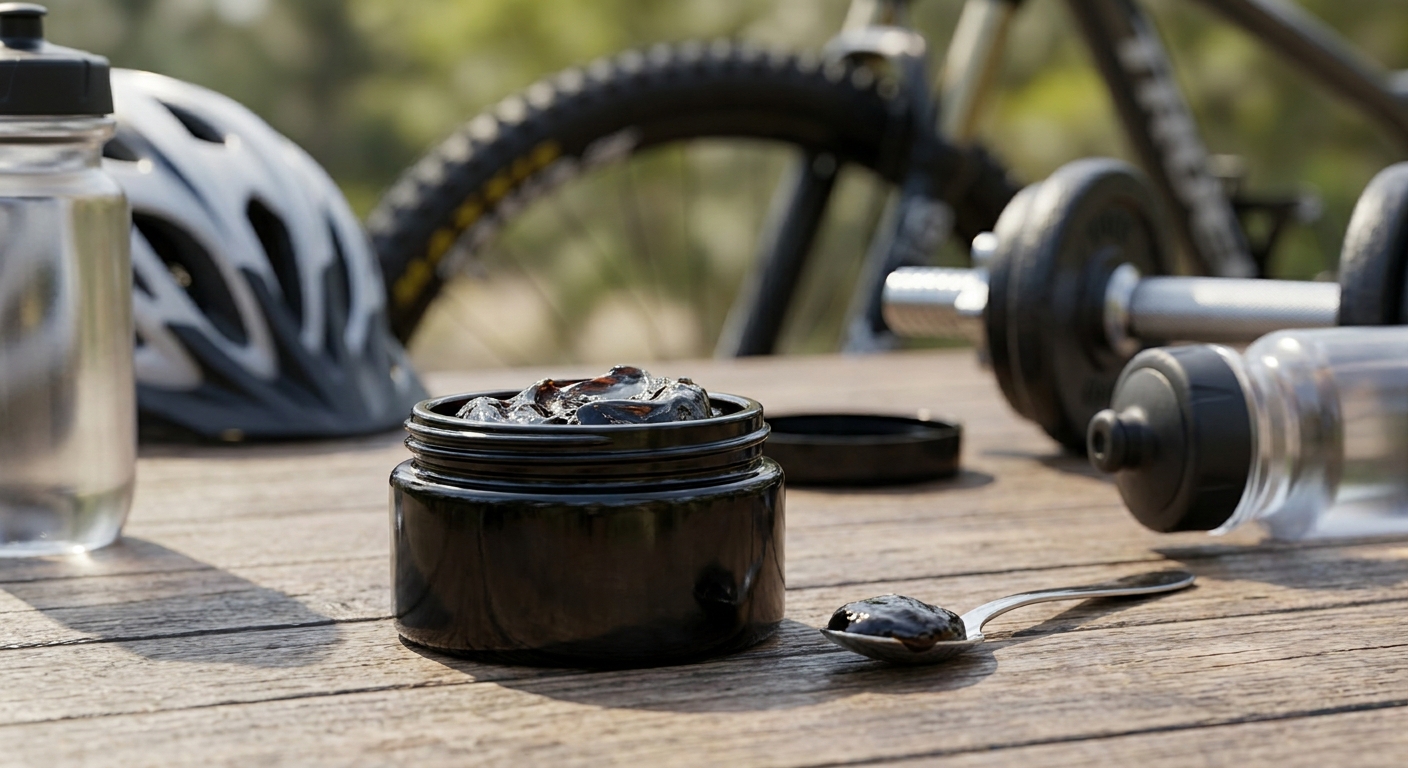
Shilajit for cyclists and strength training comes down to one variable most guides skip: your resin has to fit two completely different training demands, long aerobic hours on the bike and short, heavy loading in the gym, without you having to guess the dose every time.
Cyclists spend hours depleting glycogen and electrolytes at steady heart rates; strength athletes spend 45 minutes wrecking muscle fibre and need it repaired before the next session. Shilajit's fulvic acid and 85+ trace minerals get pulled into both conversations because the compound sits at the intersection of endurance support and recovery support. The problem in 2026 is that online shilajit sales have grown faster than quality control — a lot of what's marketed as "Himalayan resin" is cut, synthetic, or sourced from unverified regions. Picking the right format and the right supplier matters more than picking the right macro-nutrient timing app.
This guide is for road and gravel cyclists logging 150km or more a week, strength athletes training four to five sessions a week, and hybrid trainers who lift twice and ride twice. If you're deciding between a shilajit resin format and a capsule for convenience, or trying to work out whether the same product suits both a long Saturday ride and a heavy squat day, the criteria below settle it.
Fulvic acid is the transport molecule that carries shilajit's trace minerals into cells, and it's the number most worth checking on a lab report before dosage or price. A resin with low fulvic acid content is doing less work per gram, which matters more for cyclists burning through electrolytes over three-hour rides than it does for someone taking a supplement occasionally.
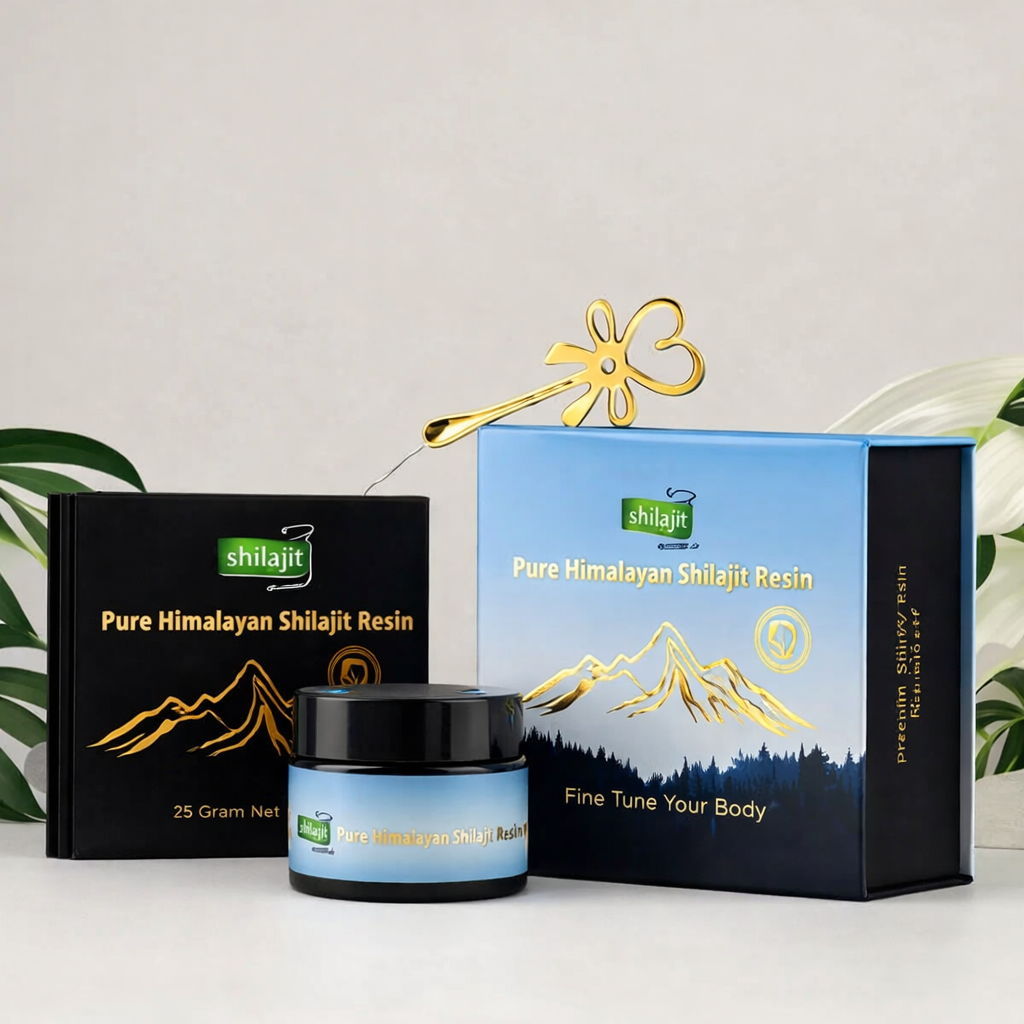
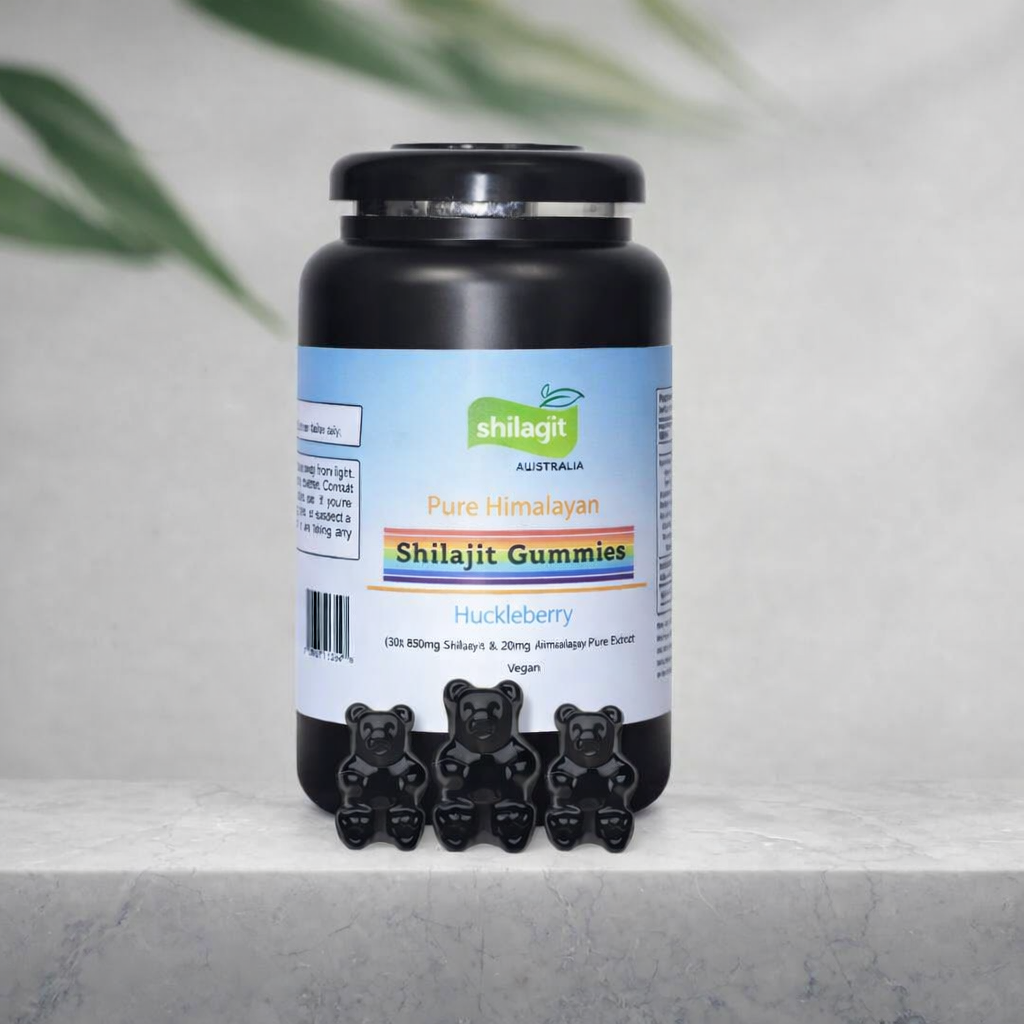
Resin dissolves in five minutes and works well for a controlled morning dose before a long ride. Capsules travel better in a gym bag and suit lifters who want a fixed dose with zero prep. Gummies suit anyone who wants a daily habit without measuring anything, but check the actual shilajit content per gummy against a resin serving before assuming it's equivalent.
Raw shilajit is a mineral pitch pulled from rock at altitude, and unrefined or poorly purified batches can carry heavy metal contamination. Athletes training daily are consuming the product far more often than a casual user, so a batch without third-party lab verification is a bigger risk multiplied over 2026's training calendar, not a one-off gamble.
A rest week doesn't need the same dose as a back-to-back century ride and heavy squat block. Resin gives you the easiest control here because you can measure a smaller or larger pea-sized amount by eye, where capsules lock you into a fixed milligram count per dose.
Raw resin has a strong, mineral, slightly bitter taste that some cyclists find hard to manage pre-race on an already sensitive stomach. A tincture or gummy format solves the taste problem for anyone who needs to take a dose in the car park before a session and doesn't want it lingering.
Daily use across a full training block adds up fast. Work out cost per gram, not cost per jar, before comparing resin, capsules, and gummies — a jar that looks cheaper upfront can cost more per dose once you factor in serving size.
The endurance pick. For cyclists riding 150km-plus weeks, the resin format built around sustained aerobic output is the one to reach for — check the dedicated shilajit resin for endurance athletes and runners breakdown for dosing around long rides. The specific number that matters here is timing: taken 30-45 minutes before a ride, resin has time to dissolve and absorb before you're depleting anything. Buy if your weekly volume is endurance-first.
The strength pick. Lifters training four or five sessions a week care more about recovery windows than aerobic sustain, and the shilajit resin for gym performance and recovery page covers post-lift timing specifically. The relevant detail is taking it post-training rather than pre-training, since recovery-focused use is about the 24-48 hours after a heavy session, not the hour before it. Buy if your split is strength-first.
The wildcard. Cyclists carrying knee or joint strain from high mileage sometimes overlook shilajit's role in joint and mobility support — it's a secondary benefit, not the headline one, but worth knowing about if mobility is limiting your training more than energy is. Consider this angle if joint discomfort is your bigger training barrier than fatigue.
The strength-building angle. Male strength athletes chasing training adaptations sometimes stack shilajit with testosterone-support goals specifically, which is a different framing than pure recovery. It's a reasonable secondary reason to choose resin over capsules if that's part of your training goal, but it shouldn't be the only reason you buy. Consider it as a bonus, not the primary driver.
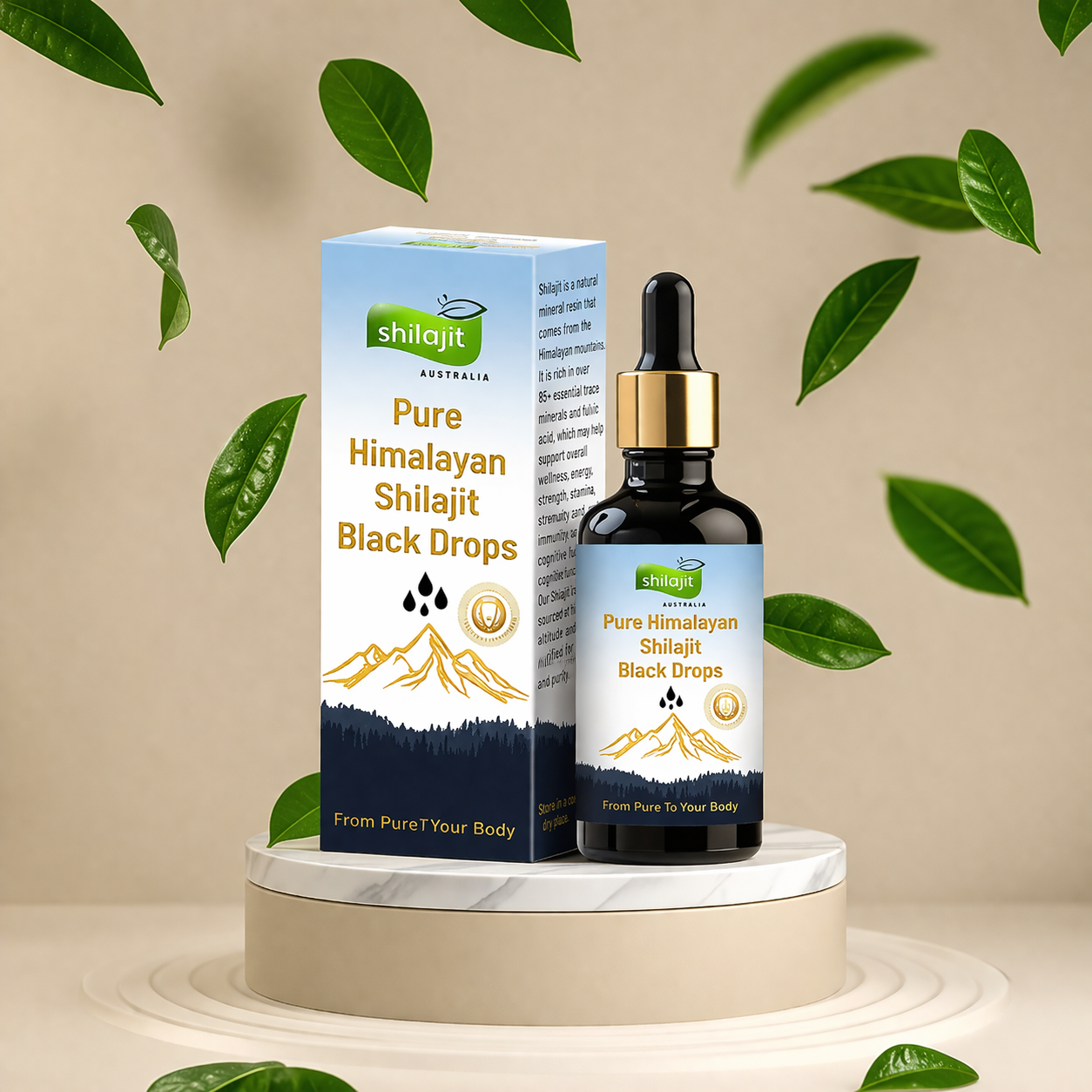
| Pick | Best for | Format | Timing | Verdict |
|---|---|---|---|---|
| Endurance resin | Cyclists, 150km+ weeks | Resin | Pre-ride, 30-45 min | Buy |
| Recovery resin | Lifters, 4-5 sessions/week | Resin | Post-training | Buy |
| Joint/mobility angle | High-mileage riders with joint strain | Resin | Daily | Consider |
| Testosterone-support angle | Strength athletes with hormone goals | Resin | Daily | Consider |
| Proprietary-blend capsules | Nobody training seriously | Capsule | Unclear | Skip |
Is shilajit good for cyclists?
Shilajit suits cyclists because its fulvic acid and trace mineral content supports the mineral depletion that comes with long aerobic training. Taken 30-45 minutes before a ride, resin has time to dissolve and absorb before high-output demand starts.
How much shilajit should a cyclist take before a ride?
A pea-sized dose, roughly 300-500mg of resin dissolved in warm water, is the standard starting point in 2026. Riders doing back-to-back long rides can adjust upward within that range rather than doubling the dose blind.
Is shilajit better than creatine for strength training?
They’re not interchangeable — creatine drives power output and cell hydration, while shilajit supports mineral status and recovery. Many lifters use both rather than choosing one over the other.
Does shilajit help muscle recovery after lifting?
Shilajit’s trace mineral profile is commonly used post-training rather than pre-training because recovery-focused use targets the 24-48 hours after a heavy session. That’s a different timing strategy than the pre-ride use cyclists rely on.
What’s the difference between shilajit resin and capsules for athletes?
Resin lets you adjust the dose by eye for a rest week versus a heavy training block, while capsules lock you into a fixed milligram count. Athletes with variable training loads generally get more flexibility from resin.
How do I know if shilajit resin is authentic?
Authentic resin comes with a lab test result showing fulvic acid content and confirming it’s free of heavy metal contamination above safe limits. Resin sold without any testing documentation is the biggest red flag in the current market.
Can shilajit replace electrolyte tablets on long rides?
No — shilajit supports trace mineral status but isn’t formulated as a sodium and electrolyte replacement for sweat loss. Use it alongside your existing electrolyte strategy, not instead of it.
Does shilajit affect testosterone in strength athletes?
Some strength athletes use shilajit as part of a testosterone-support routine, though it’s a secondary reason to choose it rather than the primary one. Recovery and mineral support are the more consistently reported reasons athletes stick with it.
The timing split is the detail most guides bury: cyclists get more out of a pre-ride dose, lifters get more out of a post-training dose, and taking resin at the same time of day regardless of what you trained that day is the most common mistake in this category. Match the dose to the session, not the clock.
Avoid shilajit while pregnant or breastfeeding. No controlled trials, contamination risk, and one case links use to high blood pressure. Inform your…
Australia-focused look at shilajit gummies: what human trials actually show, how 500 mg/day dosing compares, and why batch COAs and TGA safety checks matter.