Uncategorized
6 Point Shilajit Lab Report Checklist for Australian Buyers
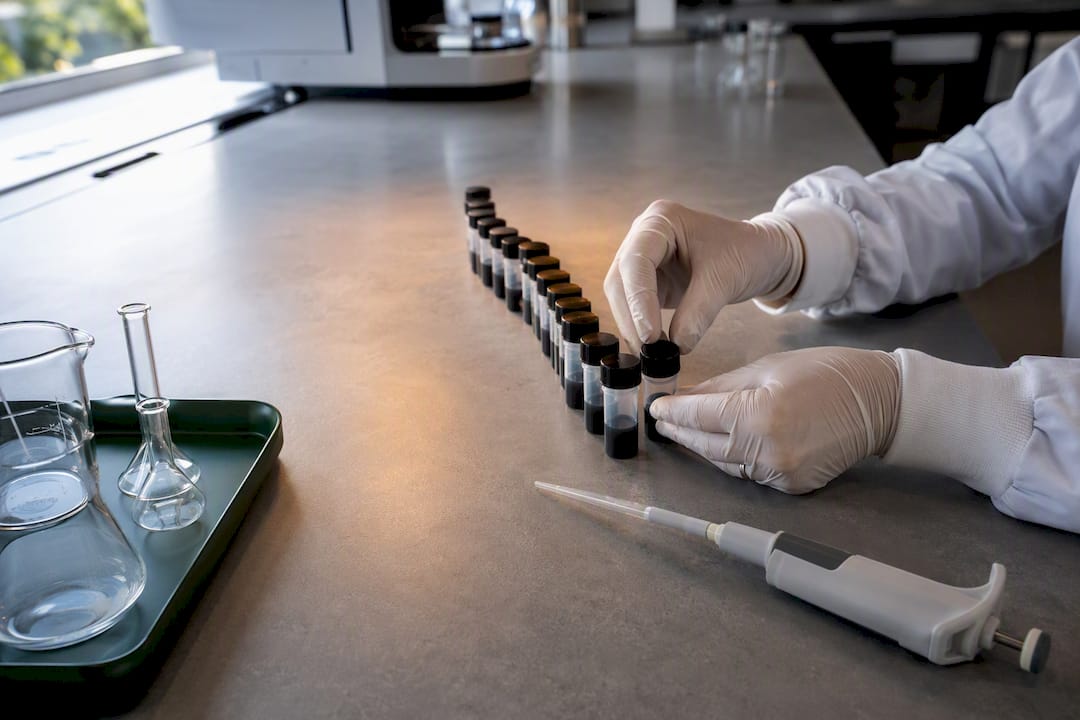
Verify Shilajit lab reports in Australia with a six point checklist. Spot fake COAs, check lab accreditation, lot match, analytical methods, and LODs.


Iron, magnesium, calcium, sodium, potassium, zinc, selenium, copper, and phosphorus are the minerals essential for athletic performance that every serious athlete should understand. If you train hard, sweat heavily, restrict calories, or follow a vegetarian or vegan diet, at least one of these is likely running low without obvious symptoms. The single most useful action you can take right now: get a ferritin test and a basic metabolic panel, then bring the results to a sports dietitian or physician before reaching for any supplement.
Ranked by clinical evidence strength, here is where each mineral stands:
Pro Tip: If you experience unexplained fatigue, persistent muscle cramps, or a plateau in training adaptation, request a ferritin test and serum magnesium before assuming overtraining. These two markers are the most commonly missed in routine sports physicals.
Minerals do not provide energy directly. They make energy production possible. Every ATP molecule your muscles generate depends on mineral cofactors: magnesium stabilizes the ATP molecule itself, iron sits at the center of the cytochromes that drive oxidative phosphorylation, and zinc anchors the enzymes that clear the metabolic byproducts of hard training. Without adequate mineral status, the machinery runs, but not at full capacity.
“Inadequate intake of calories, carbohydrates, fluids, iron, and other minerals impairs athletic performance.” — MedlinePlus, National Library of Medicine
The performance systems that depend on minerals break down into five categories:
Certain athletic scenarios push mineral demand well above standard dietary reference intakes. Heavy sweat loss during endurance training depletes sodium, chloride, and trace minerals. Calorie restriction in weight-category sports creates across-the-board shortfalls. Vegetarian and vegan diets reduce heme-iron and zinc bioavailability. Training at altitude accelerates red blood cell turnover, raising iron demand. The German Nutrition Society (DGE) position paper specifically identifies iron, calcium, sodium, and vitamin D as especially critical for endurance exercise, weight reduction phases, and lopsided eating patterns.
A 2023 Frontiers narrative review makes the point clearly: most athletes can meet mineral needs from a balanced, energy-appropriate diet, and supplementation is warranted for specific deficiencies or special situations, not as routine practice.
No other mineral has a more direct line to performance than iron. Hemoglobin carries oxygen from your lungs to your muscles; myoglobin stores it inside muscle fibers; cytochrome enzymes use it to generate ATP. When iron is low, every one of those systems underperforms, and randomized controlled trials confirm that correcting iron deficiency in athletes improves physiologic markers of aerobic capacity.
Female athletes are the highest-risk group, particularly those with heavy menstrual bleeding. Endurance athletes lose iron through foot-strike hemolysis, GI microbleeding (especially with regular NSAID use), and sweat. Weight-category athletes who cycle through calorie restriction repeatedly deplete stores faster than they rebuild them. Vegetarians and vegans absorb only non-heme iron, which has substantially lower bioavailability than the heme iron in meat.
Athletic training can raise iron requirements by up to approximately 70% above non-athlete levels due to increased vascularization, hemoglobin-related adaptations, and exercise-related losses. That is not a small margin.
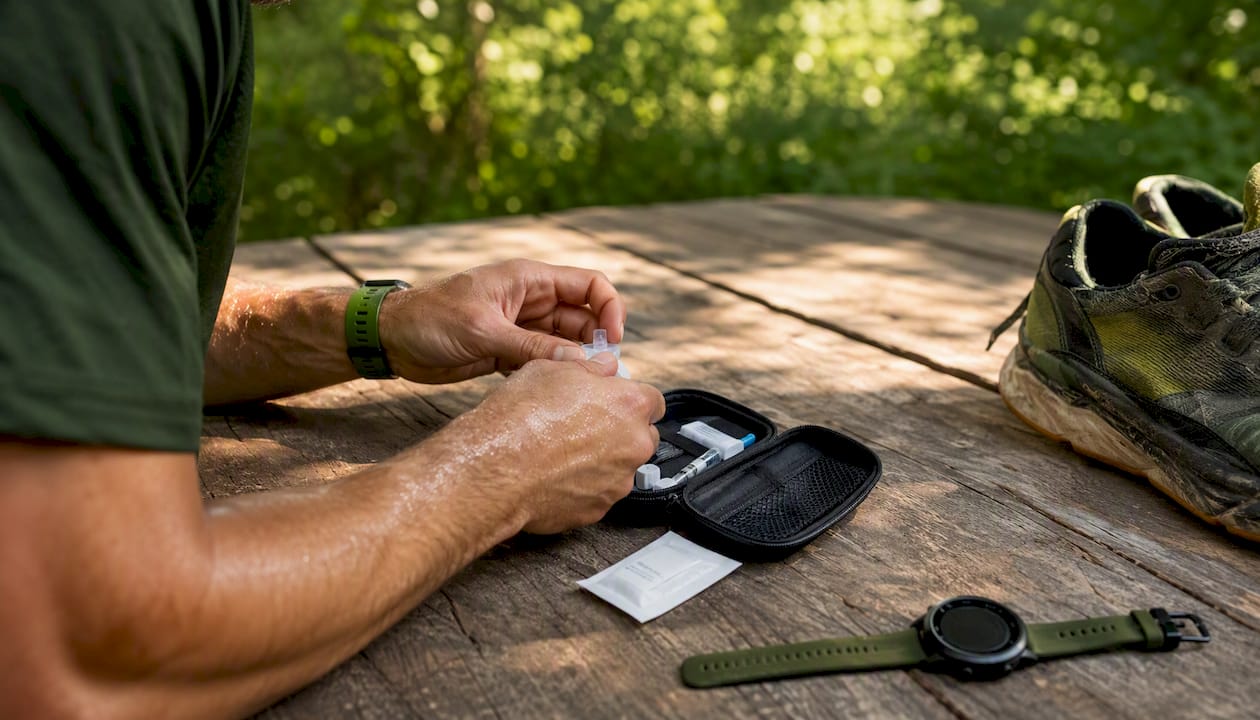
Serum ferritin is the most useful single marker. A ferritin below 12 µg/L indicates depleted stores (iron deficiency without anemia). Many sports medicine clinicians use a functional threshold of 30–35 µg/L for athletes because sub-optimal stores can impair performance before hemoglobin drops. Serum iron and transferrin saturation (TSAT) add context but fluctuate with inflammation and recent meals, so interpret them alongside ferritin and a complete blood count. Never self-diagnose from a single lab value; bring results to a clinician.
| Food | Serving | Iron (mg) | Type | Notes |
|---|---|---|---|---|
| Beef liver | 3 oz cooked | — | Heme | Highest bioavailability |
| Lean beef (sirloin) | 3 oz cooked | — | Heme | Practical everyday source |
| Canned clams | 3 oz | — | Heme | Exceptional density |
| Fortified breakfast cereal | 1 cup | — | Non-heme | Check label; pairs well with vitamin C |
| Cooked lentils | ½ cup | — | Non-heme | Good plant-based option |
| Cooked spinach | ½ cup | — | Non-heme | Oxalates reduce absorption |
| Tofu (firm) | ½ cup | — | Non-heme | Versatile plant source |
| Pumpkin seeds | 1 oz | — | Non-heme | Easy snack addition |
Therapeutic iron supplementation is indicated when ferritin is confirmed low by a clinician. Common oral regimens use ferrous sulfate, ferrous gluconate, or ferrous bisglycinate; bisglycinate tends to cause fewer GI side effects. Intravenous iron is reserved for severe deficiency, malabsorption, or when oral supplementation fails. Iron toxicity is real: excess iron generates free radicals and can damage organs. Never supplement iron without confirmed deficiency.
Pro Tip: Pair iron-rich meals with a vitamin C source (bell peppers, citrus, strawberries) to meaningfully increase non-heme iron absorption. Avoid consuming calcium-rich foods, coffee, tea, or high-phytate foods (bran, legumes) in the same meal as your primary iron source — these inhibitors can cut absorption by 50% or more.
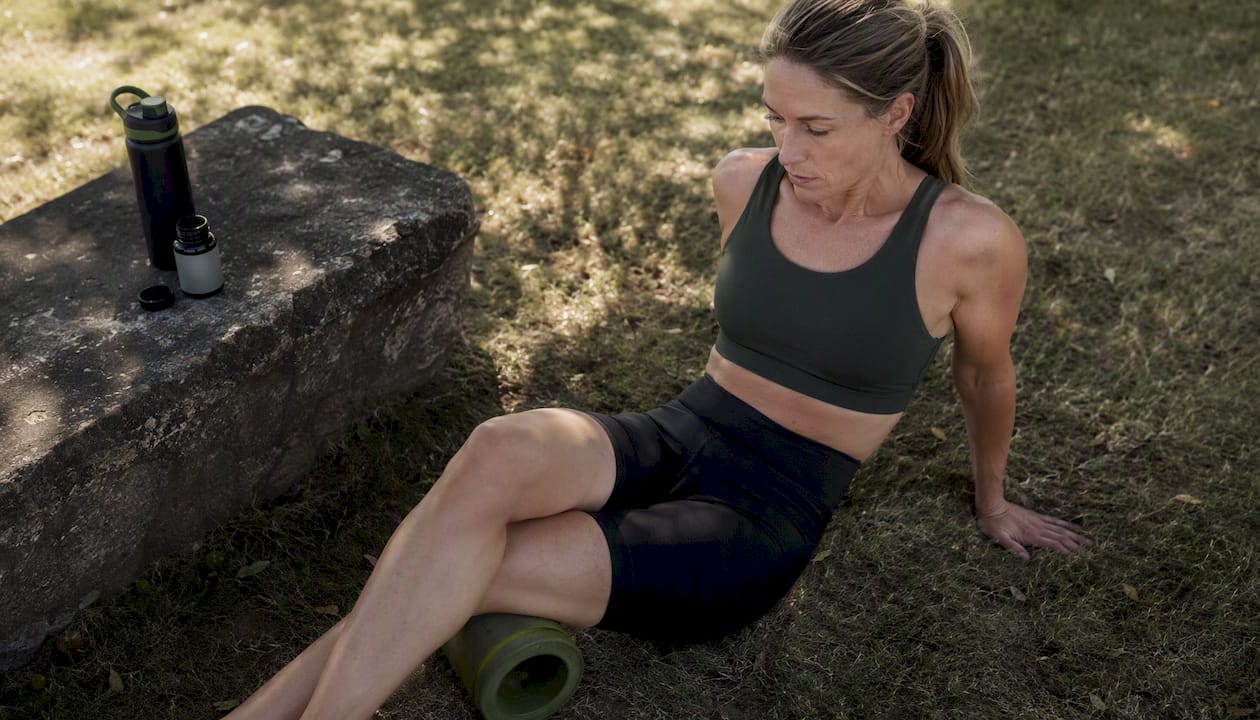
Magnesium is involved in over 300 enzymatic reactions, but for athletes the three that matter most are ATP stabilization (every ATP molecule is bound to magnesium), neuromuscular transmission, and mitochondrial energy metabolism. When magnesium intake is low, muscle relaxation is impaired, recovery slows, and sleep quality often drops.
The 2019 systematic review of 128 studies that assessed mineral supplementation in athletes placed magnesium alongside iron as having the strongest quality evidence for affecting performance. The key qualifier: benefits appear most reliably when baseline intake is already low, which is common.
Population-level data from that same review suggest that magnesium shortfalls affect approximately 50% of people in some study syntheses, making it one of the most widespread nutritional gaps. Athletes who sweat heavily or restrict calories are at the higher end of that risk.
Where the evidence is mixed: magnesium supplementation in athletes with adequate baseline status shows inconsistent results for performance outcomes. The benefit is clearest in deficient athletes and in specific recovery contexts (sleep quality, muscle soreness reduction).
Magnesium citrate and magnesium glycinate are the most bioavailable oral forms and cause fewer GI issues than magnesium oxide, which is poorly absorbed and commonly causes loose stools. Typical supplemental doses range from 200–400 mg elemental magnesium per day. The tolerable upper intake level (UL) for supplemental magnesium in adults is 350 mg/day from supplements alone; exceeding this increases GI side effects. Serum magnesium is a poor marker of total body status because the body tightly regulates serum levels at the expense of intracellular stores. A normal serum result does not rule out functional deficiency.
Calcium is the most abundant mineral in the body, and roughly 99% of it lives in bone. For athletes, that matters in two ways: bone must be strong enough to absorb training loads without stress fractures, and calcium is the trigger for muscle contraction itself. When a motor neuron fires, calcium floods into the muscle fiber and initiates the actin-myosin cross-bridge cycle. Phosphorus works alongside calcium in both bone mineral (hydroxyapatite) and in ATP, the energy currency of every cell.
The highest-risk group is female athletes experiencing low energy availability, menstrual dysfunction, or the full clinical picture of Relative Energy Deficiency in Sport (RED-S). When calorie intake falls too low, estrogen drops, bone resorption accelerates, and calcium absorption decreases simultaneously. This is not a minor inconvenience: stress fractures in this population can end seasons and, in severe cases, cause permanent bone density loss.
Male athletes are not immune. Distance runners, gymnasts, and cyclists who chronically under-fuel show measurable bone density deficits compared to age-matched controls.
| Food | Serving | Calcium (mg) | Notes |
|---|---|---|---|
| Plain low-fat yogurt | 1 cup | — | Highly bioavailable |
| Part-skim mozzarella | 1 oz | — | Easy to add to meals |
| Fortified soy milk | 1 cup | ~300–350 | Good dairy-free option |
| Low-fat milk | 1 cup | — | Standard reference food |
| Canned sardines (with bones) | 3 oz | ~325 | Also provides omega-3s |
| Cooked kale | 1 cup | — | Lower but bioavailable |
| Fortified orange juice | 1 cup | ~350 | Check label for added D |
| White beans (cooked) | ½ cup | — | Plant-based with fiber |
Calcium supplementation without adequate vitamin D is largely ineffective. Vitamin D regulates intestinal calcium absorption; without it, even high dietary calcium intake translates poorly into bone mineral density. Athletes training indoors or in northern latitudes are at particular risk for vitamin D insufficiency. Phosphorus balance is rarely a concern in athletes eating adequate protein and whole foods, but aggressive calcium supplementation can interfere with phosphorus absorption, so supplementing calcium beyond confirmed need is not advisable.
Sodium and potassium are the electrolytes that demand real-time management during prolonged or hot training sessions. For workouts under 60 minutes at moderate intensity, food and water cover the need. Once you cross into multi-hour endurance events, hot-weather competition, or back-to-back training days, a deliberate replacement strategy is not optional.
The simplest field method: weigh yourself (in minimal clothing) immediately before and after a training session without drinking during it. Each pound of body weight lost equals approximately 16 oz of fluid. Sweat sodium concentration varies widely between individuals, from roughly 200 mg/L to over 1,500 mg/L, which is why generic electrolyte advice fails so many athletes. The DGE position paper reports perspiration rates for endurance athletes ranging 0.4–1.8 L/hr, meaning mineral losses across a long session can be substantial and highly individual.
The 4Ps framework recommends arriving at competition fully hydrated, then consuming fluid proportional to body mass in the hours before the event. A practical starting point: drink approximately 16 oz of fluid about 2 hours before exercise, as MedlinePlus guidance recommends, then sip 6–8 oz every 15–20 minutes during activity.
Sodium replacement steps for prolonged events:
Cramp management:
Competition-day hydration checklist:
These trace elements do not generate headlines the way iron does, but they are the maintenance crew keeping your recovery systems functional. The honest summary: their roles in antioxidant defense and enzymatic function are well-established, but the evidence that supplementing them improves performance in athletes with adequate status is weak to mixed.
Zinc anchors superoxide dismutase, one of the primary antioxidant enzymes, and is required for protein synthesis, immune function, and testosterone metabolism. Athletes in calorie restriction and those with high sweat losses are most at risk. US food sources: oysters (the richest source at ~74 mg per 3 oz cooked), beef, pumpkin seeds, fortified cereals, and legumes. Population data suggest zinc shortfalls in approximately 17% of people in some study syntheses, lower than iron or magnesium but not trivial in high-training-load athletes.
Selenium is the cofactor for glutathione peroxidase, the enzyme that neutralizes lipid peroxides generated during hard training. Exercise-induced oxidative stress mobilizes intracellular selenium stores, meaning athletes with marginal intake may deplete functional reserves faster than sedentary individuals. The richest single food source in the US diet: Brazil nuts, with a single nut providing roughly 68–91 µg (the recommended daily amount for adults is 55 µg). Two Brazil nuts per day covers selenium needs for most people. Selenium toxicity (selenosis) is real and occurs at chronic intakes above 400 µg/day, so supplementing beyond food sources requires care.
Copper supports iron metabolism, collagen cross-linking (critical for tendon and ligament integrity), and ceruloplasmin-based antioxidant activity. It is lost in sweat during prolonged exercise. Organ meats, shellfish, nuts, and seeds are the best US dietary sources. Copper deficiency is uncommon in athletes eating varied diets, but excessive zinc supplementation can deplete copper by competing for intestinal absorption.
Phosphorus is rarely deficient in athletes eating adequate protein and whole foods. It is a structural component of ATP, DNA, and bone mineral, and it buffers intracellular pH during high-intensity exercise. Dairy, meat, fish, legumes, and whole grains all provide substantial phosphorus.
The Frontiers 2023 review notes that training increases demand for antioxidant-system minerals like selenium because exercise-induced oxidative stress mobilizes intracellular stores, and adequate baseline status is necessary for adaptive responses to training. That is the practical takeaway: these minerals matter most as a foundation, not as a performance booster you add on top.
Start with these screening questions before ordering any lab work or buying any supplement:
If you answered yes to any of these, testing is warranted before supplementing.
| Test | What it shows | Key caveats |
|---|---|---|
| Serum ferritin | Iron storage status | Best single iron marker; below 30–35 µg/L is functionally low for athletes |
| Hemoglobin / CBC | Anemia and red blood cell status | Normal Hb does not rule out iron deficiency without anemia |
| Serum iron + TSAT | Iron transport and utilization | Fluctuates with inflammation and meals; interpret with ferritin |
| Serum magnesium | Circulating magnesium | Poor proxy for total body status; normal result does not exclude deficiency |
| vitamin D | Vitamin D status | Needed to interpret calcium adequacy |
| urinary sodium | Actual sodium losses | Most accurate for personalized electrolyte planning; rarely done in practice |
| Serum zinc | Zinc status | Affected by infection and inflammation; interpret cautiously |
This is not a minor footnote. A Frontiers review and multiple position statements warn that supplement contamination with banned substances is a documented risk, and athletes bear full responsibility for what enters their body under anti-doping rules. Practical steps to reduce risk:
When you see a sports dietitian, bring a 3-day food log, your current training schedule (hours per week, intensity distribution), any prior lab results, and a list of current supplements. A typical iron supplementation trial runs 8–12 weeks with a follow-up ferritin test to confirm response. Magnesium is often trialed for 4–8 weeks with subjective monitoring of sleep and recovery quality.
Most athletes can meet mineral needs through an energy-appropriate, nutrient-dense diet. Supplements are for confirmed gaps, not insurance. Here is what a mineral-rich day looks like in practice.
Sample day menu (US portions):
Quick swaps to boost specific minerals:
Timing tips:
The honest answer: the evidence base is uneven, and most athletes would benefit from understanding that before spending money on supplements.
“A 2019 systematic review of 128 studies concluded that only iron and magnesium could be classified as having stronger quality evidence for affecting athletic performance; evidence for most other mineral supplements remains limited or inconsistent.” — MDPI Nutrients systematic review
| Mineral | Evidence strength | Practical takeaway |
|---|---|---|
| Iron | Strong | Test ferritin; supplement only when clinically low; corrects aerobic capacity |
| Magnesium | Moderate to strong | Most benefit when baseline intake is low; food-first, then citrate/glycinate |
| Calcium | Moderate | Critical for bone; prioritize food and vitamin D sufficiency |
| Sodium/Potassium | Strong (for hydration) | Manage in real time during prolonged exercise; personalize to sweat rate |
| Zinc | Limited to moderate | Food-first; test if calorie-restricted or high sweat loss |
| Selenium | Limited | Two Brazil nuts daily covers most needs; avoid supplementing beyond RDA |
| Copper | Limited | Rarely deficient; excess zinc supplementation can deplete it |
| Phosphorus | Limited | Deficiency uncommon in athletes eating adequate protein |
The DGE position paper and the Frontiers narrative review both land on the same conclusion: clinician-guided supplementation based on confirmed deficiency is the appropriate standard. Broad-spectrum mineral supplementation without testing is not supported by the evidence and carries real risks of toxicity and nutrient imbalances.
Research gaps worth noting: most trials are short-term (under 12 weeks), use heterogeneous athlete populations, and rarely control for baseline dietary intake. Longer trials with standardized dietary controls are needed before stronger claims can be made for trace minerals like copper and selenium.
Iron and magnesium have the strongest clinical evidence for affecting athletic performance; correcting confirmed deficiencies in these two minerals produces measurable improvements, while most other mineral supplements show limited or inconsistent benefits when baseline status is adequate.
| Point | Details |
|---|---|
| Iron and magnesium lead the evidence | These two minerals have the strongest research support; test ferritin and assess magnesium intake before supplementing anything else. |
| Food-first covers most needs | An energy-appropriate, nutrient-dense diet meets mineral requirements for most athletes; supplements are for confirmed deficiencies, not routine use. |
| Electrolytes require real-time management | Sodium and potassium replacement during prolonged or hot sessions should be personalized to sweat rate, not based on generic product labels. |
| Test before you supplement | Ferritin, CBC, and serum magnesium are the starting point; a sports dietitian or physician should interpret results and guide any supplementation trial. |
| Shilajit as a mineral-rich adjunct | Shilajit’s lab-tested Himalayan resin provides naturally occurring trace minerals and fulvic acid as a complement to a food-first mineral strategy, not a replacement for clinical testing. |
The supplement industry has a talent for turning legitimate nutritional science into marketing copy. Iron is genuinely critical for aerobic performance, so the industry sells iron to every tired athlete. Magnesium has real evidence for recovery support, so it ends up in every “sleep and recovery” stack. The problem is that supplementing a mineral you are not deficient in rarely helps and sometimes harms.
What the research actually supports is a more disciplined approach: identify your risk factors, test the markers that matter, correct confirmed deficiencies through food first and supplements second, and work with a clinician who understands athletic physiology. That is not a glamorous protocol, but it is the one that produces consistent results.
The other thing worth saying plainly: minerals do not work in isolation. Calcium needs vitamin D. Iron absorption is blocked by calcium and enhanced by vitamin C. Excess zinc depletes copper. Any supplement strategy that ignores these interactions is incomplete, and most off-the-shelf mineral stacks do not account for them.
For athletes who want a natural complement to a food-first approach, mineral-rich whole food sources and carefully sourced supplements with transparent lab testing are the appropriate next step. The key word is transparent: batch-tested, third-party verified, and used alongside clinical guidance rather than instead of it.
For athletes who have addressed their food-first strategy and want a natural adjunct that delivers trace minerals in a bioavailable matrix, Shilajit’s pure Himalayan resin is worth considering. Sourced from high-altitude Himalayan rock formations and processed using traditional methods, it contains naturally occurring trace minerals alongside fulvic acid, which supports mineral transport at the cellular level.
Every batch is lab-tested for purity and heavy metal content. That matters for athletes subject to anti-doping rules: you need to know exactly what is in your supplement, and Shilajit publishes those results. This is not a substitute for clinical iron or magnesium treatment if your ferritin is low or your dietary intake is inadequate. It is a complement to a well-structured mineral strategy, used after testing and ideally with clinical oversight. Read the Himalayan Shilajit purity guide to review the testing standards and mineral profile before you order.
This article provides general nutritional information and is not a substitute for professional medical advice. Consult a sports dietitian or physician before starting any new supplement, particularly if you have a diagnosed deficiency or are subject to anti-doping regulations.
These are the primary sources behind the claims in this article. Each is worth reading directly if you want to go deeper on any specific mineral or protocol.
Minerals and Vitamins in Sports Nutrition: Position of the DGE Working Group — The German Nutrition Society’s position paper identifying iron, calcium, sodium, and vitamin D as especially critical for athletes; includes sweat rate data (0.4–1.8 L/hr) and iron requirement estimates.
Nutrition and Athletic Performance: MedlinePlus Medical Encyclopedia — Practical, clinician-reviewed guidance on hydration volumes, food timing, and the role of key minerals; useful as a plain-language reference.
For personalized interpretation of lab results or a mineral intake assessment, consult a registered sports dietitian (RD or RDN with sports nutrition credentials) or a sports medicine physician. Self-diagnosing from population-level data is the most common mistake athletes make in this area.
Verify Shilajit lab reports in Australia with a six point checklist. Spot fake COAs, check lab accreditation, lot match, analytical methods, and LODs.
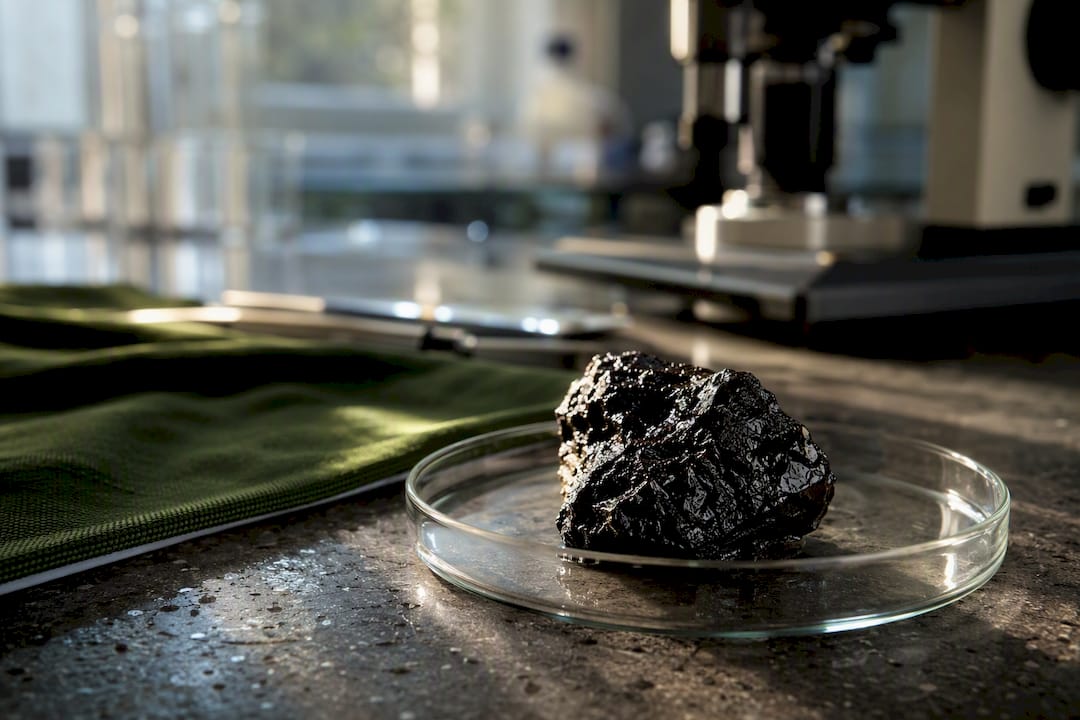
Learn to pick pure shilajit by reading the batch COA. Check fulvic acid range, named lab method, numeric heavy-metal results, and harvest altitude.