Uncategorized
6 Point Shilajit Lab Report Checklist for Australian Buyers
Verify Shilajit lab reports in Australia with a six point checklist. Spot fake COAs, check lab accreditation, lot match, analytical methods, and LODs.

Yes. Minerals measurably influence emotional wellbeing through neurotransmitter synthesis, stress-axis regulation, and oxidative balance, though they support mental health rather than replace treatment for it. The World Health Organization estimates depression affects roughly 280 million people globally, and a growing body of clinical research points to mineral status as one lever worth understanding, alongside sleep, therapy, and medication where indicated. A 2025 MDPI review lays out how zinc, selenium, iron, copper, and magnesium each touch neurotransmission and redox chemistry in ways that can tip mood in either direction.
The mechanisms cluster into a few clear categories:
None of this means popping a magnesium tablet cures depression. It means your mineral status is one measurable, modifiable input into how your brain regulates mood, and ignoring it leaves a real lever untouched.
Minerals influence emotional wellbeing through neurotransmitter synthesis, HPA-axis regulation, and oxidative balance, working best as an evidence-based adjunct to standard care rather than a replacement for it.
| Point | Details |
|---|---|
| Minerals affect mood through specific pathways | Magnesium, zinc, and iron each act on distinct mechanisms: NMDAR regulation, BDNF signaling, and dopamine synthesis. |
| Zinc, magnesium, selenium show the strongest evidence | Observational and RCT data consistently link these three to depression and anxiety risk. |
| Combined deficiencies compound risk | Low zinc plus low copper together carries higher depression odds than either deficiency alone. |
| Testing has real limits | Serum levels often miss tissue-level deficiency; timing and inflammation can distort results. |
| Shilajit offers lab-tested mineral support | Himalayan Shilajit resin provides a naturally broad trace-mineral profile as a diet-first adjunct, not a standalone treatment. |
Minerals do their emotional work through wiring, not magic. Trace elements make up an almost invisible fraction of total body mass, roughly 0.005 to 0.01 percent of body weight, yet they’re required cofactors for hundreds of enzymes that build and regulate the chemicals your brain runs on. That disproportion is the whole story: a small shortfall in a trace mineral can bottleneck a much larger biochemical system.
Take magnesium. It acts as a natural blocker at the N-methyl-D-aspartate receptor (NMDAR), a glutamate receptor that, when overactive, drives excitotoxicity and anxiety-like signaling. When magnesium runs low, that brake weakens, and glutamate signaling can run hotter than it should. Zinc works on a related but distinct channel, modulating NMDAR and GPR39 receptors that influence synaptic plasticity and the production of brain-derived neurotrophic factor (BDNF), a protein tied to mood resilience and the brain’s capacity to form new neural connections. Iron plays a different role entirely, serving as a required cofactor for tyrosine hydroxylase, the rate-limiting enzyme in dopamine and norepinephrine synthesis. Without sufficient iron, those catecholamine pathways slow down.
These direct roles are only half the picture. Minerals also operate at a systems level:
Brain regions that regulate emotion are especially sensitive to this chemistry. Clinical observations suggest the hippocampus and amygdala, both central to mood regulation and fear response, are particularly reactive to shifts in trace-element concentration, and abnormal levels in these regions have been linked to structural and functional changes tied to affective disorder risk, according to the same MDPI review.
None of this happens in isolation from your gut. Absorption depends heavily on what else is in your digestive tract: phytates in grains and legumes bind minerals like zinc and iron, reducing uptake, while vitamin C dramatically improves non-heme iron absorption. Heme iron, found in animal products, absorbs far more efficiently than the non-heme iron in plants regardless of what’s eaten alongside it.
Researchers increasingly describe mineral effects on mood as a network problem rather than a single-nutrient one. Minerals appear to act on shared biological hubs, including proteins like albumin and pathways like calcium signaling and insulin regulation, which means several elements can converge on the same emotional outcome through different routes.
That network framing, sometimes called metallomics, is why isolated single-mineral thinking tends to undersell what’s actually happening biochemically.
The evidence is real but uneven; some minerals have strong, repeated observational signals, while others show mixed or even U-shaped patterns where both deficiency and excess correlate with worse outcomes. A narrative review evaluating 15 elements in major depressive disorder found this pattern repeatedly: too little of a mineral caused problems, but so did too much, particularly for iron and copper.
Zinc, magnesium, and selenium have the most consistent observational backing. A large cohort study of Japanese workers found that low dietary intake of zinc, copper, and manganese was associated with higher odds of depression and anxiety symptoms, and the risk compounded when zinc and copper were both low, showing a significant increase in risk depending on the model. That additive pattern is a meaningful finding: it suggests these minerals don’t act independently, they interact.
Case-control research adds another layer. A Frontiers in Psychiatry case-control study found people with major depressive disorder had lower serum iodine, selenium, copper, and molybdenum than healthy controls, plus altered urinary zinc excretion, hinting that depression may involve disrupted mineral handling, not just low dietary intake.
Here’s how the main study types stack up:
| Study type | Typical finding | Key limitation |
|---|---|---|
| Cross-sectional cohort | Low zinc, copper, manganese intake linked to higher depression/anxiety odds | Cannot establish causation; diet self-reported |
| Case-control (serum/urine) | Lower serum selenium, copper, iodine in MDD patients versus controls | Small sample sizes; reverse causation possible |
| RCT (magnesium supplementation) | Symptom improvement with 125 to 300 mg elemental magnesium daily | Short trial duration; variable formulations tested |
| Narrative/systematic review | Consistent mechanistic links across zinc, magnesium, selenium, iron | Synthesizes heterogeneous studies; publication bias risk |
“Both deficiencies and excesses may be associated with symptom progression” is the core caveat running through the trace-element literature, and it applies differently to each mineral depending on its safety margin.
Interventional evidence, while thinner, is encouraging. A regionally focused mineral supplementation study comparing depressed and healthy individuals reported clinically meaningful reductions in PHQ-9 depression scores after short-term combined mineral supplementation, alongside restored serum mineral levels in the treatment group.
Translating that into a usable confidence scale: think of magnesium and zinc as having supportive evidence, meaning the data suggests adjunctive benefit worth discussing with a clinician, not a standalone treatment. Selenium and copper sit slightly behind them, with consistent associations but fewer intervention trials. Calcium and manganese have the thinnest direct evidence for mood specifically, even though their broader physiological roles are well established.
Each mineral earns its place on this list through a different mechanism, and the practical guidance differs just as much.
Magnesium is the best-studied mood mineral. It blocks NMDAR overactivation and calms HPA-axis output, and RCTs cited in the PMC narrative review used elemental doses between 125 and 300 mg per day with reported symptomatic benefit. Food sources include pumpkin seeds, spinach, almonds, and dark chocolate. Deficiency signs include muscle cramps, fatigue, irritability, and poor sleep. Magnesium citrate and glycinate absorb better than magnesium oxide, though oxide is cheaper and still commonly sold.

Zinc supports NMDAR and GPR39 signaling and BDNF production. The Japanese cohort study found low dietary zinc independently associated with depression and anxiety risk, with the effect compounding when copper was also low. Oysters, beef, pumpkin seeds, and chickpeas are strong sources, though phytates in legumes and grains reduce absorption meaningfully. Deficiency shows up as impaired taste or smell, slow wound healing, and hair thinning. Excess zinc, typically from long-term high-dose supplementation, can suppress copper absorption and cause its own problems.
Iron is the required cofactor for dopamine and norepinephrine synthesis via tyrosine hydroxylase. Low iron is one of the most common nutritional deficiencies worldwide and shows up as fatigue, brain fog, restless legs, and low mood, often before anemia is detectable on a standard blood count. Heme iron in red meat and poultry absorbs far more efficiently than non-heme iron in spinach or lentils. Pairing plant-based iron sources with vitamin C, think lentils with bell peppers or citrus, meaningfully improves absorption. Iron supplementation should be guided by a clinician and confirmed lab work, since excess iron accumulates in tissue and can be genuinely dangerous over time.
Selenium feeds antioxidant enzyme systems like glutathione peroxidase, limiting oxidative damage linked to mood disorders. The case-control research found lower serum selenium in MDD patients compared to healthy controls. Brazil nuts are famously concentrated, just two or three a day can cover typical intake needs, along with seafood and eggs. Selenium has a narrow safety margin; excess intake causes brittle nails, hair loss, and gastrointestinal symptoms, so supplementation warrants more caution than most other minerals on this list.

Copper works alongside zinc in antioxidant defense and neurotransmitter metabolism, but the relationship is genuinely double-edged. The trace-element narrative review found both low and elevated copper associated with symptom progression in depression. Shellfish, organ meats, and cashews are natural sources. Because zinc and copper compete for absorption, high-dose zinc supplementation over time can drive copper deficiency, which is one reason self-directing mineral supplementation without guidance is risky.
Calcium participates in the same signaling networks that metallomics research increasingly implicates in mood regulation, including neurotransmitter release itself, which depends on calcium influx at nerve terminals. Dairy, fortified plant milks, and leafy greens like kale are common sources. Direct RCT evidence for calcium’s effect on mood specifically is thinner than for magnesium or zinc, but its systemic role makes chronic deficiency worth ruling out.
Manganese appeared in the Japanese cohort findings alongside zinc and copper, with low dietary intake linked to higher depression and anxiety odds. Whole grains, nuts, and leafy greens supply it reliably through normal eating patterns, and true dietary deficiency is uncommon in people eating a varied diet.
Pro Tip: If you’re increasing dietary magnesium and zinc at the same time, space them across different meals. Both compete for some of the same intestinal transporters, and taking large doses together can blunt absorption of each.
Certain patterns should raise suspicion, especially when they show up together and your diet has been restrictive, low-variety, or heavy in ultra-processed food for an extended stretch.
Lab testing helps, but it comes with real caveats. Serum levels are the most commonly ordered tests, yet they don’t always reflect what’s happening inside cells, particularly for magnesium and zinc, where the body tightly regulates blood concentration even when tissue stores are running low. Serum copper and selenium can also be distorted by acute inflammation, since some carrier proteins behave as acute-phase reactants and shift regardless of true mineral status.
| Test | What it measures | Interpretation caveat |
|---|---|---|
| Serum zinc | Circulating zinc | Can appear normal despite tissue-level depletion |
| Serum magnesium | Circulating magnesium | Poorly reflects intracellular stores; often normal even when deficient |
| Ferritin and iron indices | Iron stores and transport | Ferritin rises with inflammation, masking true deficiency |
| Serum selenium | Circulating selenium | Affected by acute-phase inflammatory response |
Urinary testing adds a functional layer in some cases; unusually high urinary zinc loss, for instance, can occur even when intake looks adequate on paper, which is part of why some researchers push for more functional or metallomic testing panels rather than relying on serum alone.
Pro Tip: If you’re getting mineral levels checked, ask about timing. Fasting requirements vary by test, and taking a mineral supplement in the 24 to 48 hours before a blood draw can distort the result enough to trigger an unnecessary retest.
Start with food, not a supplement aisle. A diet-first approach naturally delivers minerals in the ratios and cofactor combinations your body evolved to process, and it sidesteps the absorption competition that happens when you supplement several minerals at once in isolated, high-dose form.
Build meals around a base of protein (for iron and zinc), nuts and seeds (for magnesium and selenium), and vegetables (for manganese and supporting micronutrients), and pay attention to pairing. Vitamin C alongside iron-rich plant foods, for example, meaningfully boosts absorption. Reducing ultra-processed food intake also matters more than people expect, since heavily processed diets are consistently linked to lower overall mineral intake across the trace elements discussed here.
Supplementation makes sense in three specific situations: a confirmed lab deficiency, dietary changes that haven’t resolved clear symptoms after several weeks, or a clinical context, like pregnancy or restrictive eating, where risk is elevated regardless of current test results. When you do supplement, form matters. Magnesium glycinate tends to cause less gastrointestinal upset than oxide. Iron should never be self-prescribed without lab confirmation, since excess iron accumulates in the liver and heart over time and carries real toxicity risk.
Interactions deserve real attention:
A regionally focused supplementation study that included combined mineral therapy reported meaningful PHQ-9 score reductions alongside restored serum mineral levels within a short-term intervention window, reinforcing that correction, when it’s genuinely needed, can show measurable results in weeks rather than months.
For a mild, low-intake scenario, food-first changes for four to six weeks with a follow-up symptom check is reasonable. For confirmed deficiency, work with a clinician on a monitored correction protocol with a recheck at 8 to 12 weeks. For maintenance once levels normalize, an annual dietary review plus lab recheck if symptoms recur is a sensible baseline. None of these timelines are rigid; they shift based on how severe the initial deficiency was and what else is going on medically.
Metallomics, the study of how minerals interact across biological networks rather than in isolation, is reframing how researchers think about mineral-mood connections. Instead of asking “does zinc cause depression,” the newer question is which shared hubs, like albumin transport, insulin regulation, and calcium signaling, multiple minerals converge on simultaneously.
That framing explains something clinicians have long noticed anecdotally: some people respond strongly to mineral correction while others, with seemingly similar deficiencies, see little change. Genetics affecting mineral transport and excretion, background inflammation, and coexisting conditions all shape how a given mineral level translates into brain-level effects.
Minerals appear to act on shared biological hubs rather than isolated single targets, which is exactly why supplementation should be treated as a supportive lever, not a guaranteed fix, for any one person’s mood symptoms.
The clearest next step for the field is well-powered randomized trials that stratify participants by their baseline mineral status before treatment, rather than treating all depressed patients as a uniform group. Until that evidence matures, individualized assessment, testing before guessing, remains the more defensible approach than blanket supplementation.
Pro Tip: If a mineral supplement hasn’t produced any noticeable change after 8 to 12 weeks at an appropriate dose, that’s meaningful information. It suggests either the deficiency wasn’t the primary driver of your symptoms or something else, like excretion or absorption, needs investigating.
The evidence has real gaps worth naming plainly. Most supporting data comes from observational studies that can show association but not proof of cause, dosages tested across RCTs vary widely, and long-term safety data for sustained high-dose supplementation is thin for several of these minerals. Population differences, age, baseline diet, genetics, also mean a finding in one study group doesn’t automatically generalize to you.
Certain situations require professional care regardless of what your mineral panel shows:
Nutritional strategies for depression are commonly explored alongside standard psychiatric and psychological care, according to NCCIH, but they’re described as complementary, not as a replacement for them.
If you do see a clinician, come prepared: bring a diet log, current symptoms with timing, and ask specifically about ferritin, serum zinc, magnesium, and selenium testing rather than a generic panel.
The mineral-mood research keeps circling back to one uncomfortable truth for anyone hoping for a simple fix: no single mineral is “the” depression mineral, and the studies that isolate one nutrient tend to show the weakest, most inconsistent effects. Zinc alone, copper alone, magnesium alone, each shows a real but modest signal. It’s the combined, additive pattern, low zinc plus low copper carrying more risk than either alone, that shows up most reliably across the research.
That’s a case for eating a genuinely varied diet over chasing a single supplement, and it’s also why we built Shilajit’s product information around transparency rather than miracle claims. Himalayan Shilajit resin naturally carries a broad mineral profile, including trace elements like the ones discussed throughout this piece, and every batch we sell gets lab-tested for purity rather than marketed on faith. That’s a deliberate choice, not a footnote.
— Shilajit
If you’ve read this far and you’re thinking about where whole-food minerals fit into your own routine, that’s the right instinct, and it’s worth being clear about what a supplement can and can’t do here.
Shilajit resin is not a treatment for depression or anxiety, and nothing on this page should be read that way. What it offers is a naturally occurring, lab-tested source of trace minerals, the same broad category of nutrients this article has walked through, as one piece of a diet-first approach to emotional wellbeing. Every batch sold through our pure Himalayan Shilajit resin listing comes with purity testing documentation, so you’re not guessing at what’s actually in the jar. If you want the fuller picture on sourcing and testing standards before buying anything, our guide to Himalayan Shilajit purity walks through exactly how batches are verified.
If you’re managing a diagnosed mood disorder, are pregnant, or take prescription medication, talk to your doctor before adding any new mineral supplement, especially around dosing and potential interactions covered earlier in this piece. For most health-conscious readers simply looking to round out a nutrient-dense diet, browsing the full product range is a reasonable next step.
Does the role of minerals in emotional wellbeing mean supplements can treat depression?
No. Minerals support the biochemical systems behind mood regulation, but the current evidence positions them as adjunctive support alongside therapy or medication, not a standalone treatment for diagnosed depression.
Which minerals boost mood the most reliably?
Magnesium, zinc, and selenium have the strongest observational and interventional evidence among minerals studied for emotional wellbeing, though effects are modest and vary by individual.
How long does it take to notice mood changes after correcting a mineral deficiency?
Some interventional research reports measurable symptom improvement within weeks of targeted supplementation, though timelines depend on how significant the initial deficiency was.
Can too much of a mineral hurt emotional wellbeing?
Yes. Research on trace elements in depression shows that both deficiency and excess of minerals like copper and iron can correlate with worse symptoms, which is why supervised dosing matters.
What’s the difference between vitamins and minerals for mental health?
Vitamins like vitamin D and B12 support overlapping pathways, including neurotransmitter synthesis, while minerals more often act as direct enzyme cofactors and ion-channel regulators; both matter for comprehensive nutrient status.
This article is general information, not a substitute for advice from a qualified doctor. Consult a qualified healthcare professional about your own circumstances before acting on anything here.
Verify Shilajit lab reports in Australia with a six point checklist. Spot fake COAs, check lab accreditation, lot match, analytical methods, and LODs.
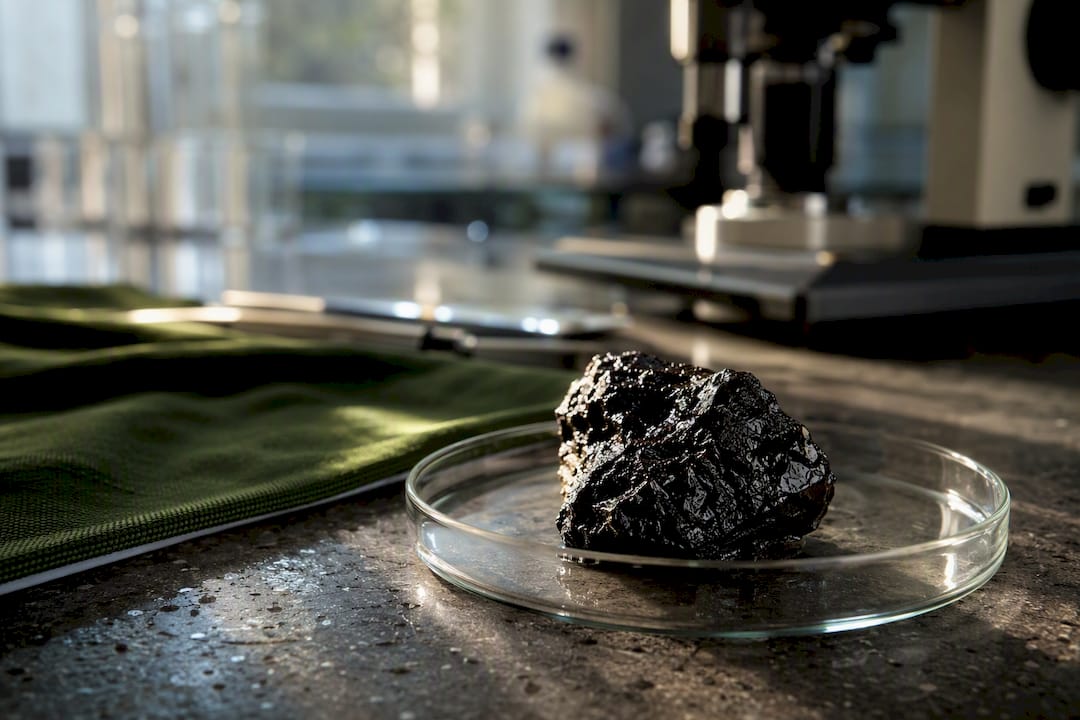
Learn to pick pure shilajit by reading the batch COA. Check fulvic acid range, named lab method, numeric heavy-metal results, and harvest altitude.