
Uncategorized
6 Point Shilajit Lab Report Checklist for Australian Buyers
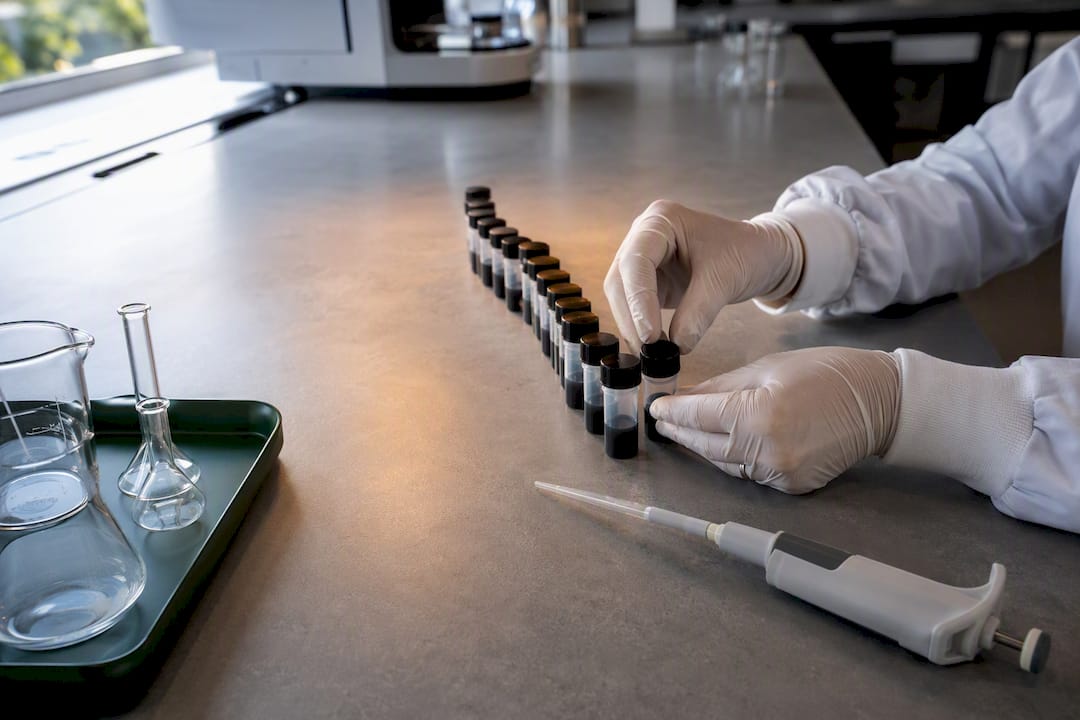
Verify Shilajit lab reports in Australia with a six point checklist. Spot fake COAs, check lab accreditation, lot match, analytical methods, and LODs.
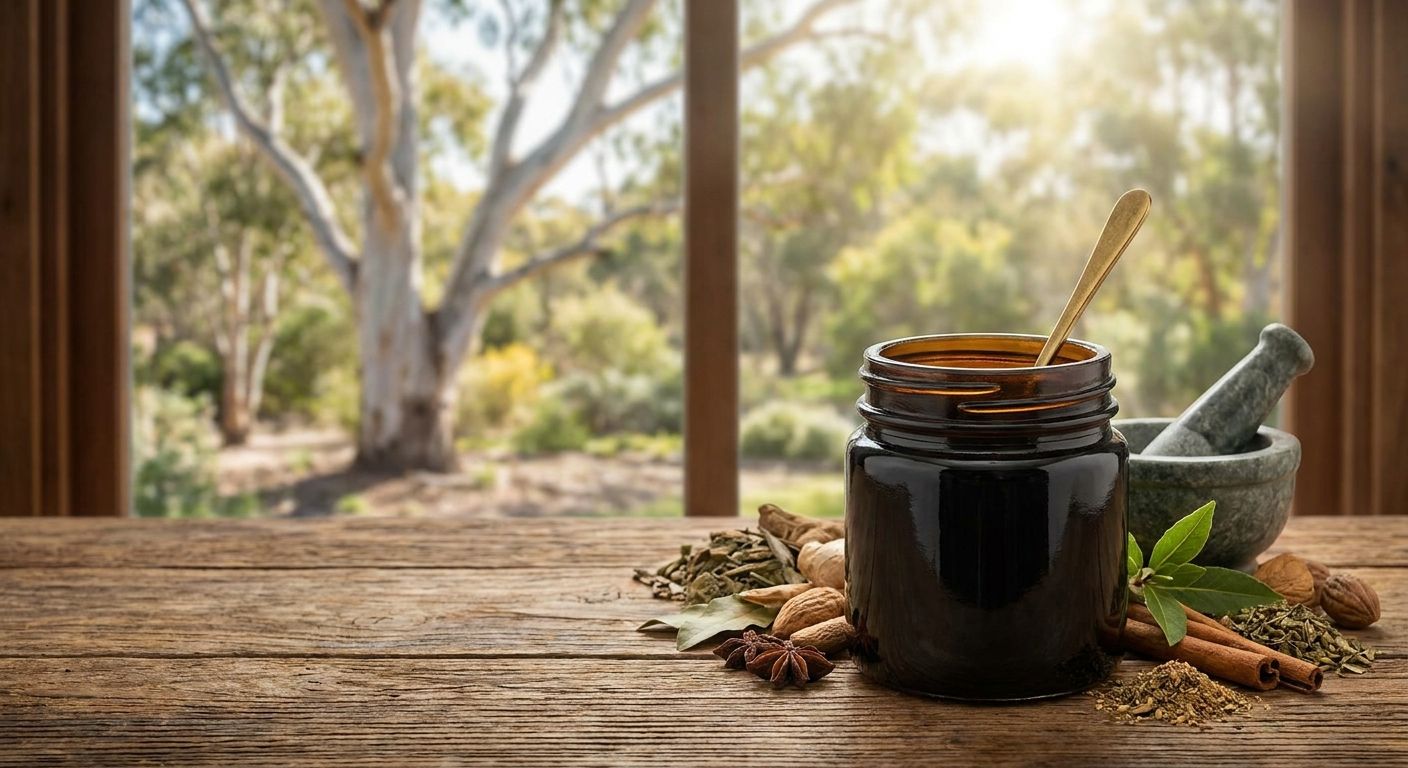
Ayurvedic practitioners recommending shilajit to clients in 2026 need more than a jar of resin on the shelf — they need a format, purity level and dosing structure that actually fits how a client will use it between consultations. This guide ranks the shilajit formats sold in Australia against the criteria that matter in a clinical or consultation setting, not marketing copy.
A practitioner's recommendation carries weight a retail shelf label doesn't. If a client asks "is this the real thing", the answer needs to hold up to scrutiny — sourcing, purity testing, and dosing logic all matter more than they do for a casual buyer browsing a supplement aisle.
Raw, low-grade shilajit sourced without testing has a documented history of heavy metal contamination, which is exactly why a certificate of analysis matters more in a clinical recommendation than in a general wellness purchase. Shilajit Australia lab-tests its Himalayan resin batches, which is the baseline a practitioner should expect from any supplier before putting a client's name next to a recommendation.
The format question is separate from the purity question. Traditional Ayurvedic texts describe shilajit resin dosed in small, pea-sized amounts — often cited around 300-500mg per day as a starting range — but a 2026 client base includes people who won't dissolve resin in warm milk every morning. That's where capsules, drops and gummies earn a place in a practitioner's toolkit, provided the trade-offs are understood.
| Format | Best for | Standout feature | Key limitation |
|---|---|---|---|
| Himalayan shilajit resin | Traditional dosing protocols | Full mineral and fulvic acid profile, unaltered | Strong taste; needs measuring |
| Shilajit capsules | Consistent client compliance | Pre-measured dose, no taste | Can't be fine-tuned mid-protocol |
| Shilajit tincture drops | Micro-dosing between sessions | Dropper allows small dose increments | Smaller volume, more frequent reorders |
| Shilajit gummies | Taste-sensitive clients | Palatable, habit-forming | Added sugars and binders dilute the dose |
| Shilajit with fulvic acid | Daily mineral stacking | Standardised fulvic acid alongside resin | More processed than single-ingredient resin |
Raw purified resin is the format closest to how shilajit appears in classical Ayurvedic practice — a small, pea-sized amount dissolved in warm water or milk, dosed by feel and adjusted over time.
Shilajit resin pros:
Shilajit resin cons:
Check how to choose quality shilajit resin before recommending a specific batch — purity variance between suppliers is real in 2026, and not every resin sold in Australia carries a current lab certificate.
Verdict: Buy — the default recommendation for clients following a traditional Ayurvedic protocol.
Encapsulated resin delivers a fixed milligram dose per capsule, which removes the guesswork a client faces with raw resin.
Shilajit capsules pros:
Shilajit capsules cons:
See shilajit capsules compared when a client asks for a no-fuss format that still comes with a lab certificate attached.
Verdict: Buy — for clients who need a habit they'll actually stick to.
Tincture drops are a liquid extract dosed by dropper, which makes them the easiest format for fine dose adjustments — useful when a client is titrating up from a low starting point or is sensitive to a full resin dose.
Shilajit tincture drops pros:
Shilajit tincture drops cons:
Shilajit Australia's tincture drops give a practitioner a lower-commitment starting point before stepping a client up to a full resin dose.
Verdict: Hold — solid for a titration phase, not built for long-term daily protocols.
Gummies mask the natural bitterness of resin in a chewable format, which solves the single biggest reason clients abandon shilajit in the first two weeks.
Shilajit gummies pros:
Shilajit gummies cons:
Browse shilajit gummies for daily use as a stepping-stone format, not the endpoint of a serious protocol.
Verdict: Skip for strict traditional recommendations. Buy for a taste-averse client who'd otherwise stop taking shilajit altogether.
This format standardises resin against a measured fulvic acid content, aimed at clients whose main goal is consistent trace-mineral intake rather than a traditional dosing ritual.
Shilajit with fulvic acid pros:
Shilajit with fulvic acid cons:
Verdict: Hold — reserve it for clients with a specific, named mineral-support goal rather than a default first recommendation.
Each format was weighed against the criteria above: lab testing, purification method, dosing flexibility, sourcing transparency, filler content, and certificate availability. Resin ranks first because it satisfies every criterion without processing trade-offs; the other formats trade some purity or traditional alignment for compliance, taste or dosing convenience. Before recommending any batch, walk through how to read a shilajit lab test certificate with the client — a certificate that only lists origin without heavy metal screening isn't a complete answer in 2026.
Compare shilajit formats before recommending
See lab-tested resin, capsules, drops and gummies side by side.
For a client starting a traditional protocol with no taste objections, Himalayan shilajit resin wins — it's the format closest to classical use and gives the most room to adjust dose over time. For a client who needs a habit they won't skip, move to capsules. For titration phases or taste-sensitive clients, drops and gummies each solve a specific compliance problem rather than competing head-to-head with resin.
The undecided default for 2026: start with resin, and only switch format if compliance becomes the actual barrier.
What’s the best shilajit for ayurvedic practitioners to recommend?
Himalayan shilajit resin is the best overall pick because it retains the full mineral profile and matches traditional Ayurvedic dosing most closely. Capsules, drops or gummies are better second choices when a client’s compliance is the real barrier.
Is shilajit resin better than shilajit capsules for clinical recommendations?
Resin offers more dosing flexibility and a purer, unprocessed profile, which suits a traditional protocol. Capsules trade some of that flexibility for consistent, no-taste dosing that’s easier for clients to stick with.
How do I check if a shilajit batch is safe to recommend to clients?
Ask for a current certificate of analysis that screens for heavy metals, including lead, arsenic and mercury, alongside fulvic acid content. A supplier that can’t produce a recent certificate shouldn’t be part of a professional recommendation in 2026.
Can Ayurvedic practitioners recommend shilajit gummies to clients?
Yes, for clients who reject resin on taste alone, since a gummy that gets taken daily beats a resin that sits unused in a cupboard. Gummies contain added sugars and binders, so they suit a bridge recommendation rather than a strict traditional protocol.
How much shilajit resin should a practitioner recommend per day?
A common starting range cited in Ayurvedic dosing guidance is roughly 300-500mg of resin daily, adjusted based on how the client responds. Capsule and drop formats should be dosed against the same range using the product’s stated equivalence.
Is tincture form as effective as traditional shilajit resin?
Tincture drops deliver a similar fulvic acid profile in a more diluted, easier-to-titrate form, which makes them useful for micro-dosing rather than a long-term daily replacement for resin. They’re a bridge format, not a substitute for a full protocol.
Does shilajit interact with medications a client might be taking?
Shilajit can interact with certain medications, which is a conversation a practitioner should have before recommending any format. Reviewing a client’s current medications against known interaction risks belongs in the consultation, not left to the product label alone.
How do I read a shilajit lab test certificate before recommending it?
Look for heavy metal screening results, a fulvic acid percentage, and a test date within the past year rather than a one-off certificate from years ago. A certificate missing any of those three elements isn’t a complete answer for a professional recommendation.
Most clients don't fail a shilajit protocol because the resin was wrong — they fail because nobody checked in after the first two weeks to see if the taste, format or dosing schedule actually fit their routine. Build a follow-up into the recommendation, not just the initial pick, and revisit the format choice before assuming the client simply stopped.
You have subscribed to our newsletter successfully.
Verify Shilajit lab reports in Australia with a six point checklist. Spot fake COAs, check lab accreditation, lot match, analytical methods, and LODs.
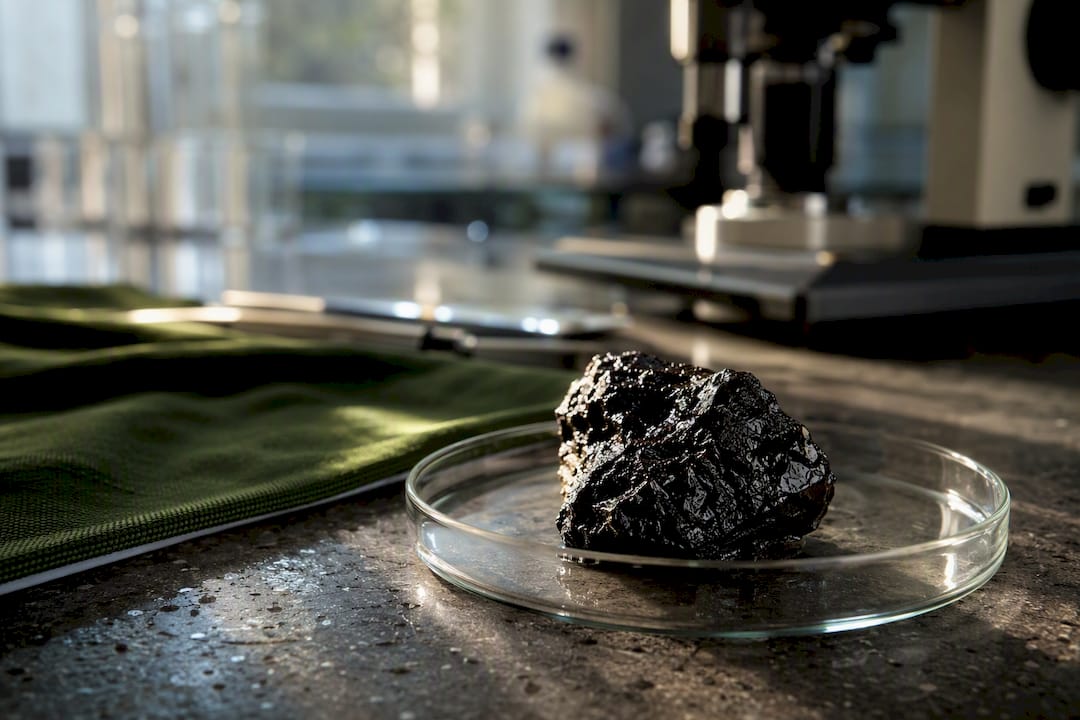
Learn to pick pure shilajit by reading the batch COA. Check fulvic acid range, named lab method, numeric heavy-metal results, and harvest altitude.

Subscribe to our weekly newsletter and receive exclusive offers you love!!
You have subscribed to our newsletter successfully.