Uncategorized
Shilajit in Pregnancy: Why Doctors Advise Against It and What to Do
Avoid shilajit while pregnant or breastfeeding. No controlled trials, contamination risk, and one case links use to high blood pressure. Inform your…

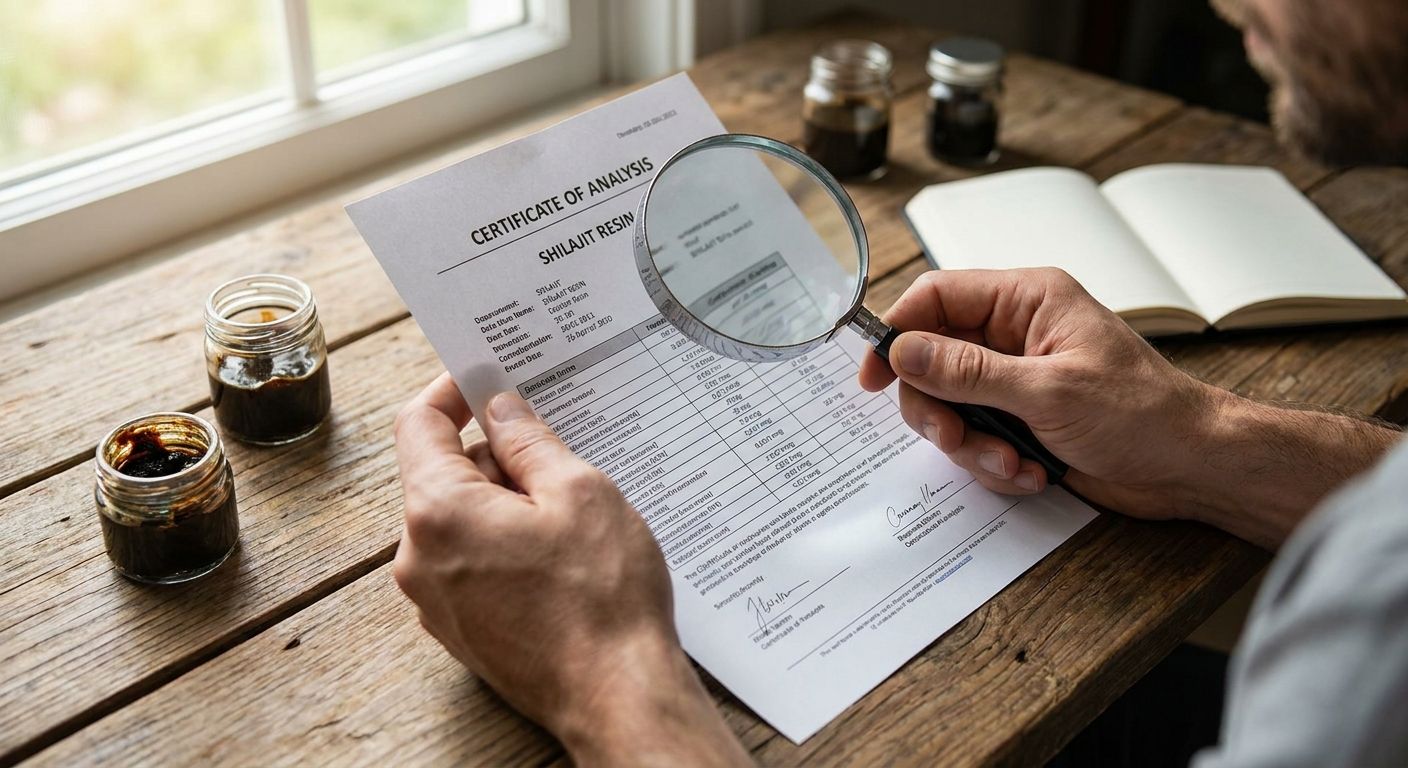
Most shilajit certificates on Australian websites are screenshots of a PDF nobody can trace back to a real lab. Here’s how to read the ones that matter before you hand over your card details in 2026.
Shilajit is raw mineral pitch scraped from Himalayan rock, and the purification process determines whether what you’re taking is a wellness resin or a jar of unrefined sediment with lead in it. A lab test certificate, specifically a Shilajit Lab Test Certificate, is the only document that proves purification actually happened.
The problem in 2026 is that certificates are easy to fake and easy to misrepresent. A seller can post one real certificate from one batch tested years ago and sell fifty batches under it. Knowing how to buy shilajit legally in Australia starts with knowing what a real certificate actually contains, not just whether one exists on the product page.
Australian consumers buying shilajit resin or capsules for energy, stamina, or general wellness are trusting a mineral supplement that comes from unregulated terrain. The certificate is your only checkpoint before the resin reaches your mouth.
A real certificate names the laboratory, its location, and often an accreditation number. This matters because “lab tested” means nothing if the lab is unnamed or unverifiable.
Search the lab’s name directly. If it doesn’t return an actual testing facility with a website and contact details, the certificate is decorative. Expected outcome: you find a real lab in under two minutes. Common mistake: accepting a certificate that only says “tested by an independent laboratory” with no name attached.
Every production run of shilajit resin should carry a batch or lot number, and the certificate should reference that exact number. This is the single biggest gap between a genuine certificate and a stock photo.
Check the jar or box for a printed code, then compare it against the code on the certificate. If they don’t match, the certificate belongs to a different batch — possibly one tested months or years before the batch you’re about to drink. Expected outcome: an exact match, digit for digit. Common mistake: assuming any certificate with the brand name on it applies to your specific purchase.
Heavy metal content and microbial load can shift between harvests, so a certificate from 2022 tells you nothing about a jar sold in 2026. Look for a clear test date, not just a certificate issue date.
A responsible seller re-tests each new batch. If the same certificate has been sitting on a product page for three years, ask why. Expected outcome: a test date within the current production cycle. Common mistake: confusing the certificate’s print date with the actual test date — they’re not always the same.
This is the section that actually protects your health. A proper certificate lists lead, mercury, arsenic, and cadmium as separate line items with numerical results, not a single “passed” checkbox.
Shilajit forms in mineral-rich rock, so trace metals are part of its natural composition — the certificate should show the lab detected specific, low levels rather than claiming zero contamination outright, which is a red flag for a certificate that’s been altered. Expected outcome: four distinct metal readings you can actually read. Common mistake: trusting a certificate that only says “within safe limits” with no numbers shown.
Fulvic acid is the compound responsible for shilajit’s mineral transport properties, and a real certificate quantifies it as a percentage of the resin’s total composition. Products from Shilajit Australia are formulated around fulvic acid content specifically for this reason.
If the fulvic acid line is missing entirely, the lab either didn’t test for it or the certificate has been trimmed down to hide a low result. Expected outcome: a specific percentage, not a vague “rich in fulvic acid” claim. Common mistake: confusing marketing copy about fulvic acid with an actual lab-verified figure.
Beyond heavy metals, a full certificate screens for yeast, mould, and bacterial contamination — relevant because shilajit resin is a raw natural substance before it’s purified. Understanding how shilajit resin gets purified before it reaches you explains why this step exists at all.
Look for a microbial section with pass/fail results against a named standard. Expected outcome: a clean result with the testing standard referenced. Common mistake: skipping this section because the heavy metals panel looked fine — they test different risks entirely.
Resin, gummies, and capsules can be tested separately, and a certificate for one form doesn’t automatically cover another. If you’re buying gummies, the certificate should reference the finished gummy product, not just the raw resin used inside it.
Expected outcome: the product form on the certificate matches what’s in your cart. Common mistake: assuming a resin certificate covers a capsule product from the same brand.
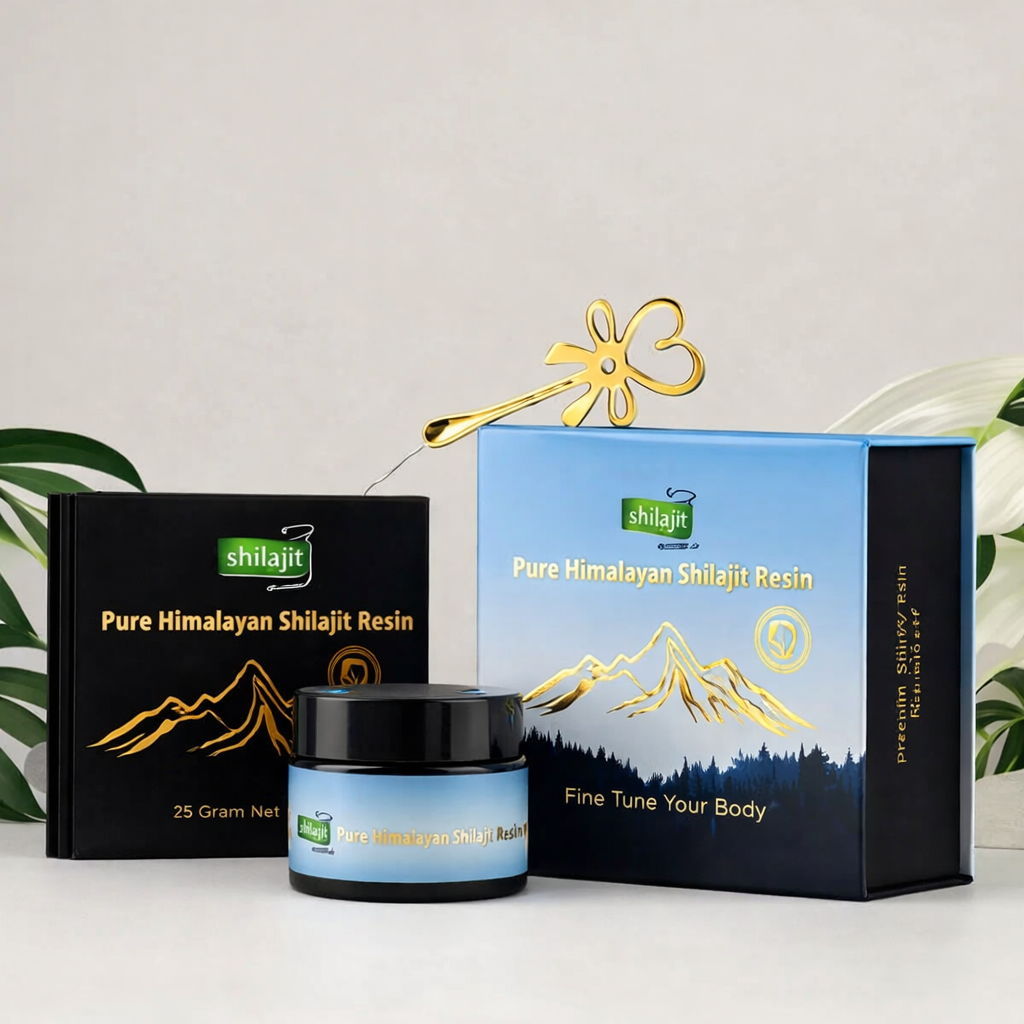
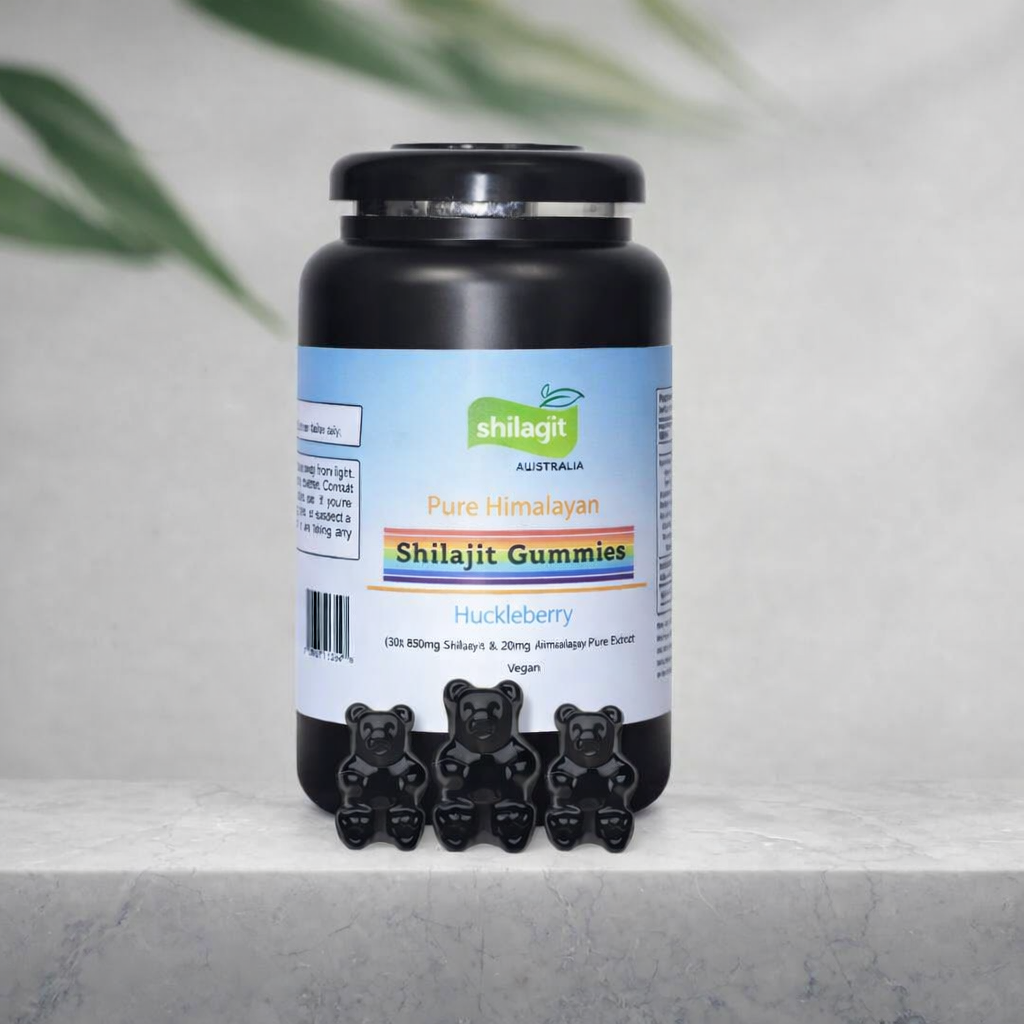
Once you know how to read a shilajit lab test certificate, the next move is comparing sellers who actually publish batch-matched results against those who don’t. Shilajit Australia lists lab-tested resin and gummies with certificates tied to specific batches, which is the standard every seller should be held to in 2026. Follow our Pinterest account for simple tips that can support a healthier and more energetic lifestyle.
What should a genuine shilajit lab test certificate include?
A genuine certificate names the testing lab, lists a batch number matching your product, shows a recent test date, and includes numbered results for heavy metals, fulvic acid, and microbial screening. Anything missing one of these is incomplete.
Is a shilajit certificate without a batch number trustworthy?
No. Without a batch number, the certificate could apply to any production run the seller has ever tested, not the specific jar you’re buying. Always ask for the batch-matched version.
How much lead is normal in shilajit resin?
Shilajit forms in mineral-rich rock, so trace heavy metals are part of its natural composition and a certificate should show specific low-level readings rather than claiming zero. If the certificate hides the actual numbers, treat it as unverifiable.
Can I ask a seller for the original lab certificate?
Yes, and you should. A legitimate seller will send the full PDF, not just a cropped image, usually within a day of your request.
Does a lab test certificate expire?
It doesn’t expire in a legal sense, but it only applies to the batch it was issued for. A certificate from 2023 tells you nothing about resin harvested and packaged in 2026.
What’s the difference between resin and gummy certificates?
A resin certificate tests the raw purified resin, while a gummy certificate should test the finished gummy product after other ingredients like ashwagandha or honey are added. One doesn’t automatically cover the other.
Where can I buy shilajit with verifiable lab certificates in Australia?
Look for sellers who publish batch-matched certificates directly on the product page rather than a single generic file. Shilajit Australia ties its lab results to specific resin and gummy batches for this reason.
The fastest way to spot a fake certificate isn’t the heavy metals panel — it’s the batch number. Sellers who fake purity will happily photoshop a metals table, but matching a certificate to an actual production run means running real tests on a real schedule, and most low-cost sellers simply don’t bother.
Avoid shilajit while pregnant or breastfeeding. No controlled trials, contamination risk, and one case links use to high blood pressure. Inform your…
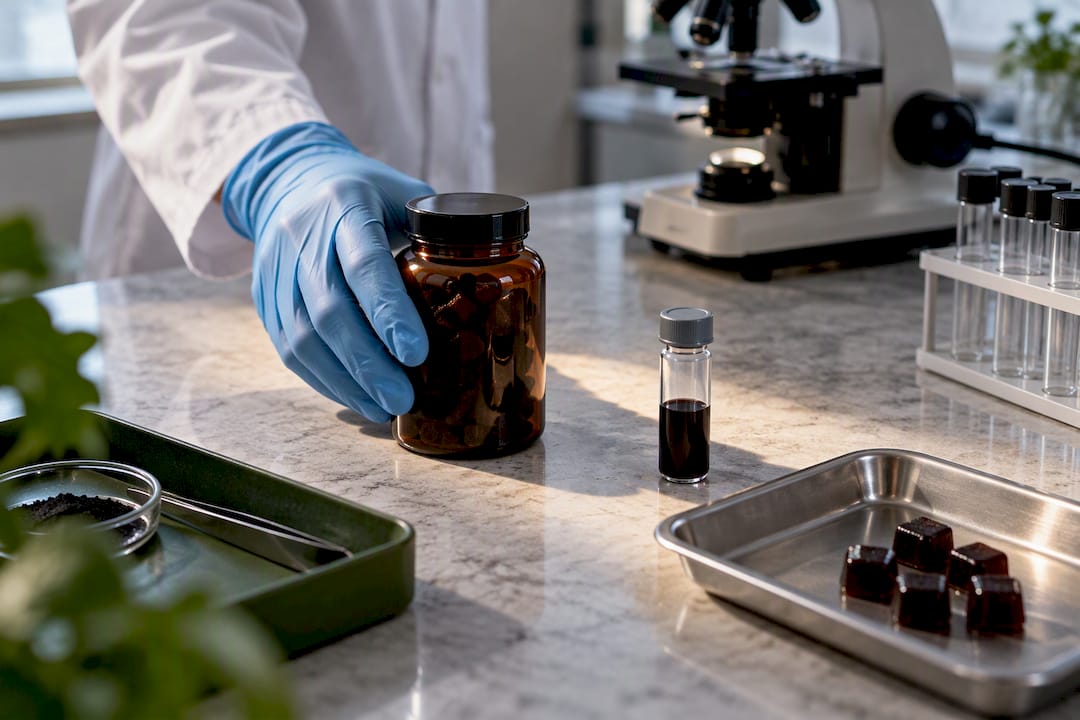
Australia-focused look at shilajit gummies: what human trials actually show, how 500 mg/day dosing compares, and why batch COAs and TGA safety checks matter.