
Uncategorized
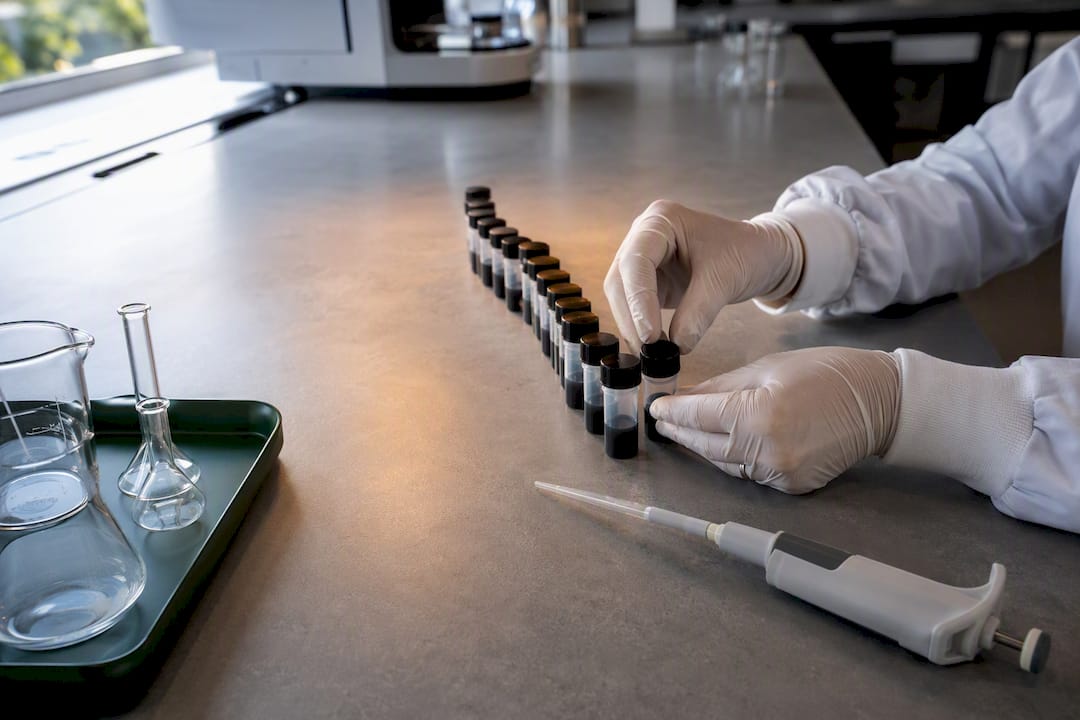
6 Point Shilajit Lab Report Checklist for Australian Buyers
Verify Shilajit lab reports in Australia with a six point checklist. Spot fake COAs, check lab accreditation, lot match, analytical methods, and LODs.
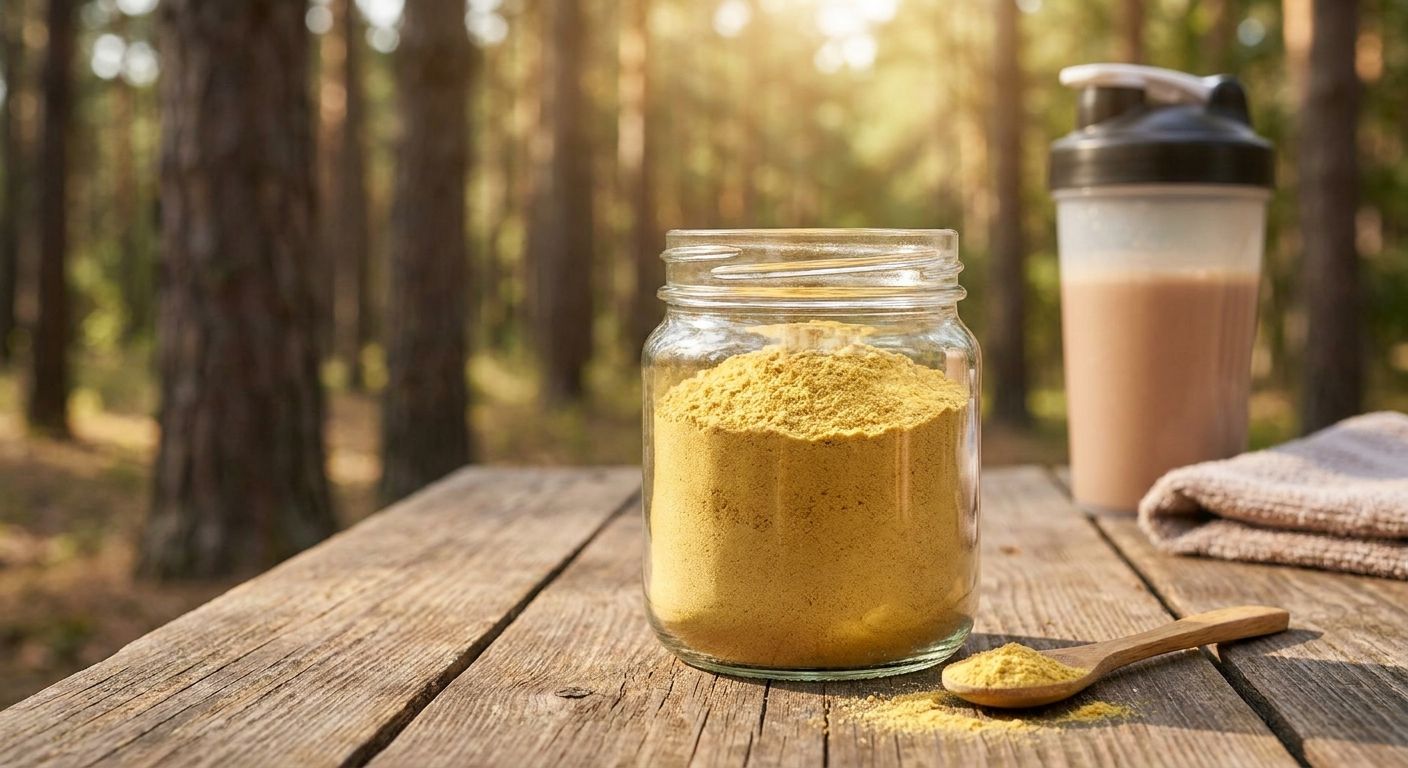
Pine pollen powder for muscle building and recovery is a plant-based supplement approach that pairs trace phytoandrogens and free amino acids with your training block, aimed at supporting natural testosterone activity, protein synthesis, and faster turnaround between sessions. Lifters and strength athletes need something that holds up under real training volume — dose timing, cell-wall processing, and stacking choices matter here in a way they don't for someone taking a general wellness capsule once a day.
Most recovery supplements chase one lever — sleep, inflammation, or hydration. Pine pollen powder is sold on a different premise: it carries naturally occurring phytoandrogens alongside amino acids and micronutrients drawn from the pollen itself. For someone training four or more sessions a week in 2026, that combination is pitched as support for the hormonal environment that drives muscle repair, not just a fatigue patch.
The category is small in Australia — pine pollen powder for testosterone sits around 50 monthly searches nationally, well below shilajit resin's volume — but the people searching it are specific: natural bodybuilders, powerlifters, and older lifters supporting declining hormone levels without moving to prescription options. That is a narrower, better-informed buyer than the average energy-supplement shopper, and it changes what matters in a guide like this: dosage precision, processing method, and stacking logic.
Generic supplement advice says take it with breakfast. For muscle building and recovery, timing relative to your session is the bigger variable.
Raw pine pollen has an exceptionally tough outer cell wall — it is built to survive wind dispersal, and your digestive system does not break it down efficiently. Manufacturers fix this by mechanically cracking the cell wall before milling.
Once you have confirmed the processing method, the faster path in 2026 is buying a tested, cracked-cell product rather than sourcing raw pollen and grinding it yourself, which is how most people waste money in this category.
“Raw pine pollen is built by nature to survive wind and weather, which is exactly why your gut cannot break it down.”
Pine pollen powder is not a replacement for the basics — it sits on top of a training and nutrition base that already works.
Continuous use of any phytoandrogen-adjacent supplement risks the body adapting and blunting the response. Cycling protects the effect.
Muscle building and recovery is measurable well before body composition changes appear. Watch the leading indicators.
If none of these move across a full cycle, the supplement is not doing enough for your situation. That is a legitimate outcome, not a failure to try harder.
| Option | Best for | Key limitation |
|---|---|---|
| Raw pine pollen powder | Budget buyers who accept lower absorption | Tough cell wall limits how much the body absorbs |
| Cracked-cell pine pollen powder | Lifters wanting absorbable hormone and recovery support | Niche category with fewer third-party comparisons than resin |
| Pine pollen tincture or drops | People who dislike powder texture | Alcohol-based extracts do not suit every routine |
| Shilajit resin, stacked not competing | Lifters wanting mineral and stamina support alongside pollen | Different mechanism — will not replace pollen's hormone-support role |
Cracked-cell pine pollen powder wins for lifters who want an absorbable, testable option. Raw pollen is a Skip for anyone serious about results, and pairing pine pollen powder with Shilajit Australia's lab-tested resin is a Buy for a full bulking-phase routine in 2026.
What is pine pollen powder used for?
Pine pollen powder is used as a natural supplement for hormone support, muscle recovery and stamina, based on its trace phytoandrogen and amino acid content. It is most commonly taken by lifters and older adults supporting natural testosterone activity without prescription options.
Does pine pollen powder increase testosterone?
Pine pollen contains trace phytoandrogens, but the levels are small compared with prescription therapy. It is positioned as hormone support, not a replacement for medical treatment of low testosterone.
Is pine pollen powder better than shilajit for muscle building?
They work through different mechanisms. Pine pollen powder targets hormone precursors, while shilajit resin contributes fulvic acid and trace minerals for stamina and recovery, so many lifters stack both.
How much pine pollen powder should I take daily?
Dosing varies by product concentration, so follow the label on the specific cracked-cell powder you buy rather than a generic figure. Starting at the lower end of the labelled range and adjusting is the safer approach.
Can I combine pine pollen powder with shilajit resin?
Yes, the two do not overlap in mechanism, with pine pollen focused on phytoandrogens and shilajit resin on fulvic acid and minerals. Stacking them is common during a bulking phase.
Is pine pollen powder safe for daily use?
Most guidance favours cycling pine pollen powder rather than continuous daily use, since the body can adapt to phytoandrogen exposure over time. Anyone on hormone-sensitive medication should speak to a doctor first.
What is the difference between raw and cracked-cell pine pollen powder?
Raw pine pollen has a tough outer cell wall that resists digestion, so much of its content passes through unabsorbed. Cracked-cell powder has that wall mechanically broken before milling, which is the version worth buying.
How long does pine pollen powder take to work?
Assess results across a full training cycle of several weeks rather than days, tracking recovery markers like soreness duration and training output. Expecting rapid change misreads what a trace-level phytoandrogen supplement does.
The cracked-cell process is the detail almost nobody checks before buying, yet it decides whether a pine pollen powder does anything at all. Check for it on the label before you look at brand or origin — and if a seller will not say how the pollen was processed, that silence is your answer.
You have subscribed to our newsletter successfully.
Verify Shilajit lab reports in Australia with a six point checklist. Spot fake COAs, check lab accreditation, lot match, analytical methods, and LODs.
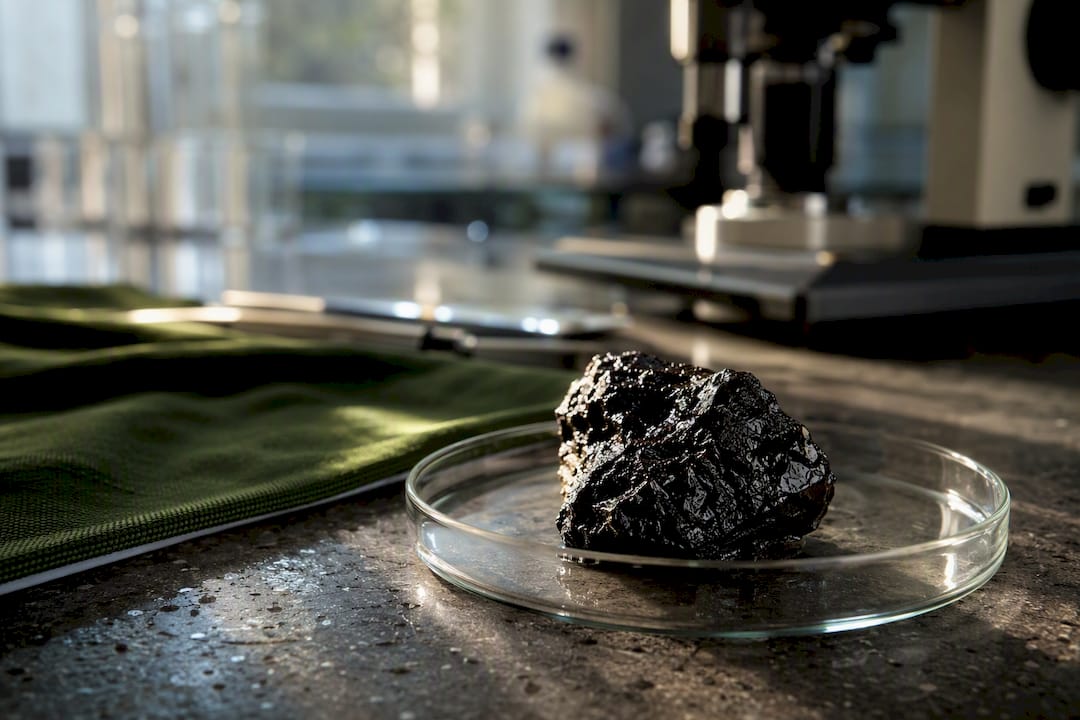
Learn to pick pure shilajit by reading the batch COA. Check fulvic acid range, named lab method, numeric heavy-metal results, and harvest altitude.

Subscribe to our weekly newsletter and receive exclusive offers you love!!
You have subscribed to our newsletter successfully.