Uncategorized
Shilajit in Pregnancy: Why Doctors Advise Against It and What to Do
Avoid shilajit while pregnant or breastfeeding. No controlled trials, contamination risk, and one case links use to high blood pressure. Inform your…

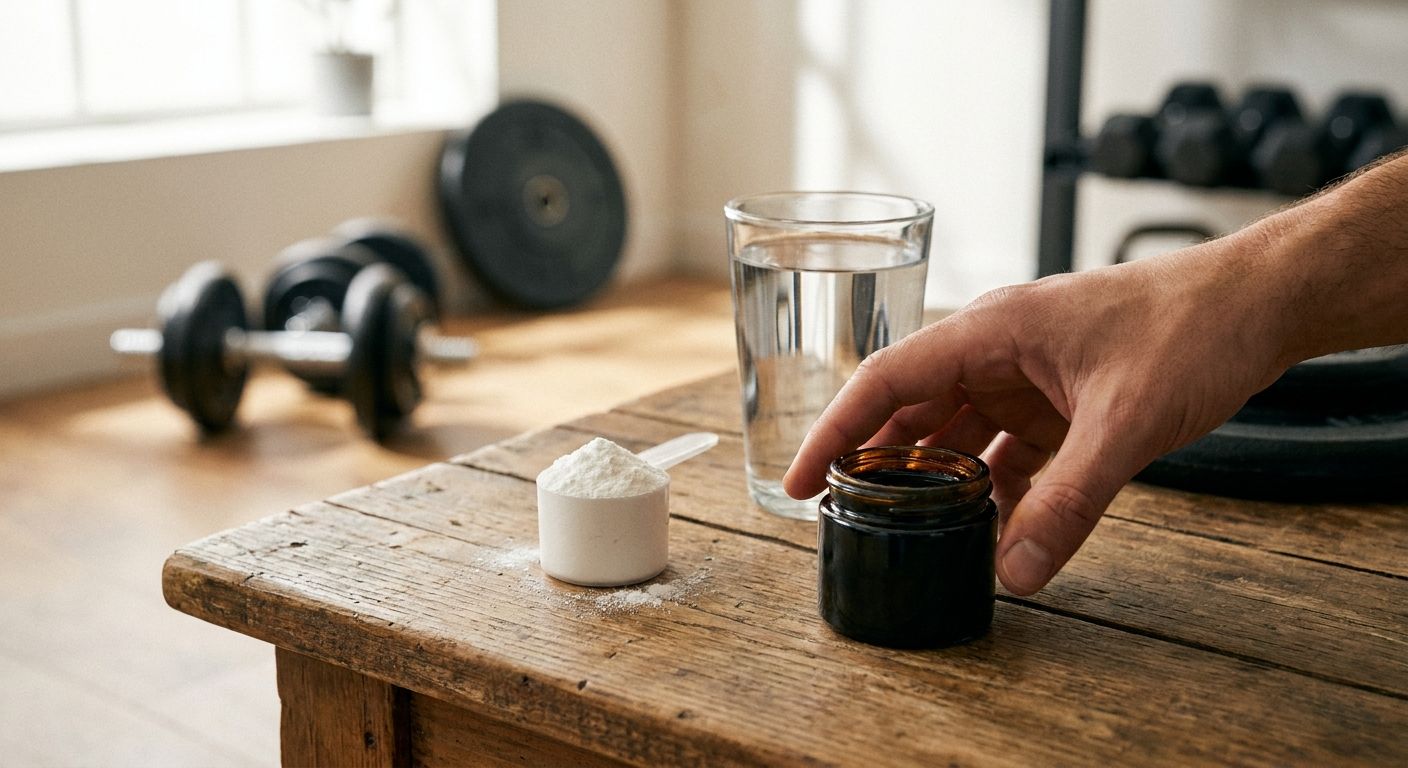
Shilajit and Creatine Stack Guide is one of the more practical additions a lifter can make to a strength program, provided the shilajit is genuine and the dosing matches your training load. This guide breaks down who benefits, what to check on a label before you buy, and which formats actually fit a creatine-and-lifting routine in 2026.
Creatine monohydrate is the most researched supplement in strength sports, typically dosed at 3-5g daily, with or without a 20g loading phase in the first week. Shilajit works on a different axis — it’s a mineral-rich resin carrying fulvic acid, which some lifters use to support recovery, testosterone, and general stamina rather than direct ATP regeneration. The two don’t compete for the same job, which is exactly why lifters stack them. The risk isn’t the combination — it’s buying diluted or contaminated shilajit and assuming it’s doing the same thing as a lab-verified product.
This guide is for intermediate to advanced lifters already running a creatine protocol who want a natural addition aimed at recovery, stamina, and daily training capacity rather than another stimulant. If you’re deadlifting, doing hypertrophy blocks, or training four-plus sessions a week and feel your recovery lagging behind your creatine loading, this is the stack to evaluate. It’s not aimed at casual gym-goers doing two sessions a week — the cost-to-benefit ratio for shilajit only makes sense once training volume is high enough to need extra recovery support.
Fulvic acid is the compound that carries shilajit’s trace minerals into a form the body can use, and it should be listed as a percentage on any resin worth buying. Products that skip this number are usually hiding a lower concentration. Look for resin batches disclosing fulvic acid percentage alongside a lab test date from 2026 or late 2025.
Raw shilajit is scraped from rock in high-altitude regions and can carry lead, arsenic, or mercury if it isn’t purified correctly. A batch without a visible certificate of analysis is a batch you skip, full stop. This matters more in a strength-training context because you’re taking it daily for months, not occasionally.
Resin needs a pea-sized amount (roughly 300-500mg) dissolved in warm water or milk, which takes 30 seconds but requires you to carry a jar. Gummies and capsules trade some potency for convenience — useful if you’re already juggling a creatine scoop, protein shake, and pre-workout at the gym bag stage. Match the format to how consistent you actually are, not how disciplined you think you’ll be.
Shilajit and creatine don’t need to be taken in the same glass. Most lifters take creatine post-workout with carbs and shilajit resin in the morning or 30-60 minutes before training for before a workout energy support. Splitting the two avoids any digestive crowding and lets you track how each one is actually affecting you.
Genuine shilajit carries 80-plus trace minerals alongside fulvic and humic acid. This is the part of the stack most relevant to strength training — mineral depletion from heavy sweating and high training volume is common, and resin is a denser source than a multivitamin capsule. Cheap capsule blends often cut this profile down to fillers plus a token shilajit extract percentage.
“Pure” and “authentic” on a label mean nothing without a batch-specific lab report behind them. Ask for the certificate, check the date, and confirm it matches the batch number on your jar. This single step filters out the majority of low-quality imports sold online in 2026.
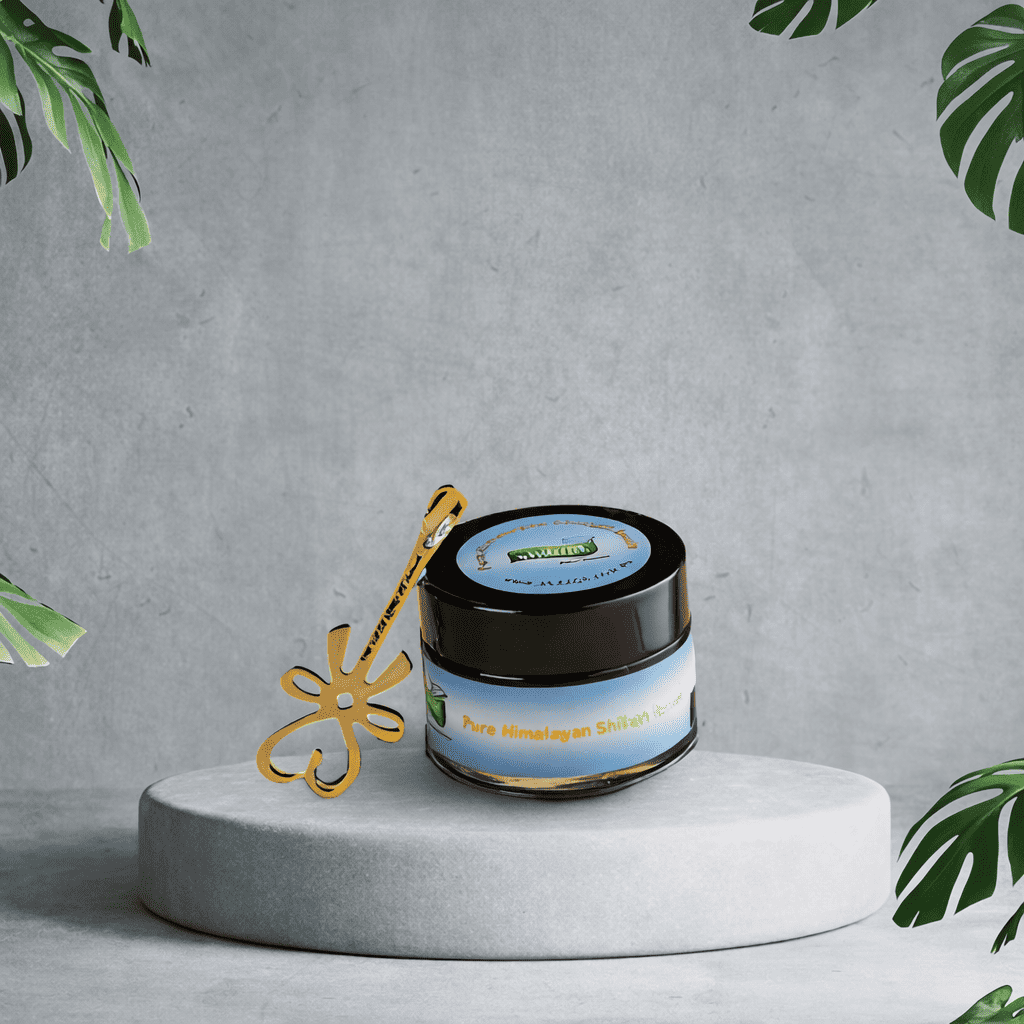
The daily driver: Pure Himalayan Shilajit Resin, 50 grams. One jar lasts 3-4 months at a 300-500mg daily dose, which makes the cost-per-serving reasonable for a long-term strength cycle. This is the format for lifters who want maximum fulvic acid delivery and don’t mind the 30-second prep. Buy if you’re running creatine for 12 weeks or longer and want the highest-potency option in the range.
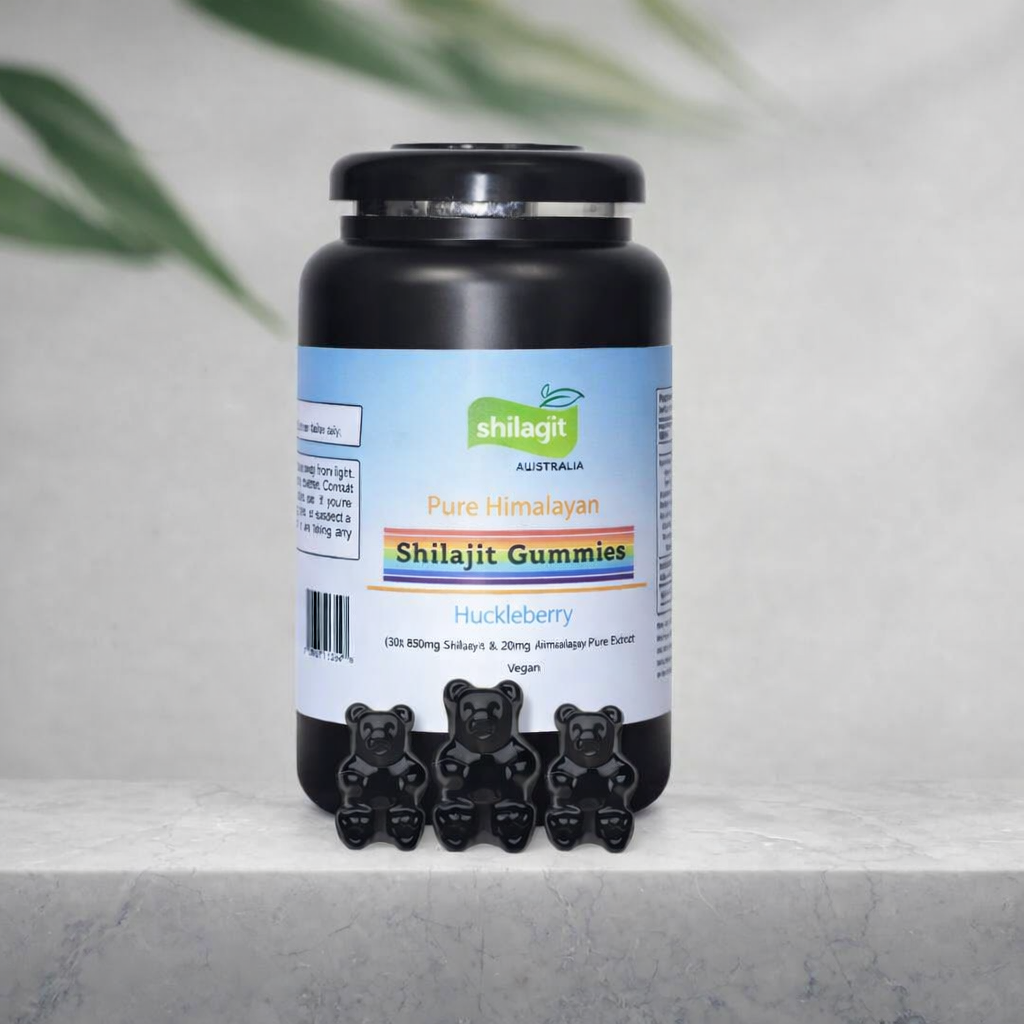
The convenience pick: Shilajit Gummies, 100 per bottle. Each gummy is dosed for daily use and already contains ashwagandha and fulvic acid, which suits lifters who don’t want to manage a resin jar in a gym bag. The trade-off is a lower per-serving mineral density than raw resin. Consider this if consistency is your bigger problem than potency.
The fast-absorption option: All Natural Shilajit Tincture, 50ml. Drops go straight into water, smoothie, or under the tongue, with no dissolving wait — useful for lifters training early morning who don’t have time to stir resin into warm water. Consider for pre-workout timing where speed matters more than the full resin dose.
What to skip: single-serve sachets sold without a batch number. They’re common on marketplace listings and rarely carry a lab certificate. Skip these entirely regardless of price, since the whole point of stacking with creatine is consistent, verified dosing over months, not a one-off sample.
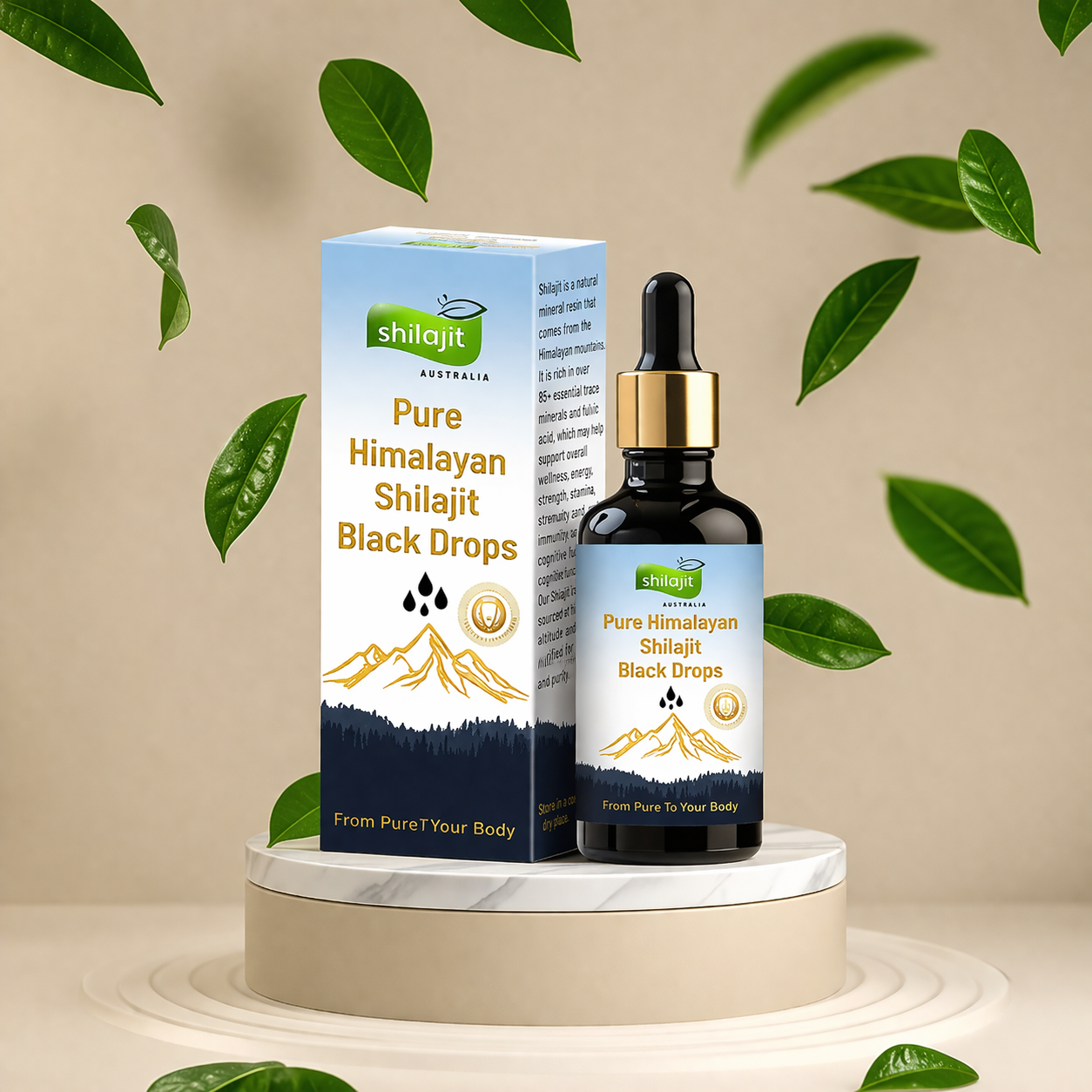
For lifters focused specifically on hormone support alongside strength gains, the testosterone support angle is worth reading before you settle on a dose, since testosterone-focused protocols sometimes run a slightly higher fulvic acid target than a general recovery stack.
| Format | Fulvic acid delivery | Best for | Verdict |
|---|---|---|---|
| Resin (50g jar) | Highest, dose-controlled | 12+ week creatine cycles | Buy |
| Gummies (100/bottle) | Moderate, pre-dosed | Gym-bag convenience | Consider |
| Tincture (50ml) | Moderate, fast-mixing | Early AM pre-workout timing | Consider |
| Unbranded sachets | Unverified | Nobody running a serious stack | Skip |
Can you take shilajit and creatine together?
Yes, shilajit and creatine can be taken on the same day without interaction concerns, though most lifters space them out — creatine post-workout, shilajit resin in the morning or before training. There’s no known compound overlap that requires separating the two by hours.
Does shilajit increase creatine absorption?
There’s no evidence shilajit directly increases creatine absorption. What it adds is trace mineral and fulvic acid support that complements a creatine protocol’s recovery demands, rather than boosting the creatine mechanism itself.
What is the best dose of shilajit for strength training?
A pea-sized dose of resin, roughly 300-500mg daily, is standard for strength training in 2026. Start at the lower end for the first week to check tolerance before moving up.
Is shilajit resin better than shilajit gummies for lifters?
Resin delivers a higher, dose-controlled concentration of fulvic acid per serving than gummies, making it the stronger choice for serious strength cycles. Gummies win on convenience for lifters who won’t consistently prep resin.
How long before I feel effects from a shilajit and creatine stack?
Creatine saturation typically takes 2-4 weeks without a loading phase, while shilajit users commonly report noticing recovery and stamina changes within 2-3 weeks of daily use. Track both against your training log rather than expecting an overnight shift.
Is it safe to take shilajit every day long term?
Lab-tested, purified shilajit is used daily by many lifters across multi-month training blocks, but cycling on and off every 8-12 weeks is a common practice to avoid building tolerance. Always check the batch certificate before committing to daily long-term use.
Does shilajit help with muscle recovery after lifting?
Shilajit’s mineral and fulvic acid content is commonly used to support recovery capacity during high-volume training, though it works alongside sleep and protein intake rather than replacing them. It’s a support layer, not a substitute for recovery fundamentals.
The detail most lifters miss is that fulvic acid percentage varies more between shilajit batches than between creatine brands — creatine monohydrate is basically identical across reputable brands, but a 15% fulvic acid resin and a 5% one are functionally different products at the same price point. Always check the certificate of analysis before comparing price per gram. Stay connected with Shilajit Australia on Facebook for Shilajit knowledge, fitness content and product guidance.
Avoid shilajit while pregnant or breastfeeding. No controlled trials, contamination risk, and one case links use to high blood pressure. Inform your…
Australia-focused look at shilajit gummies: what human trials actually show, how 500 mg/day dosing compares, and why batch COAs and TGA safety checks matter.