Uncategorized
15–30 Minutes Before Breakfast: When to Take Shilajit for Energy
Practical, goal-focused shilajit timing: morning fasted default, 30–60 minute pre-workout window, split dosing, 8–12 week timelines, plus lab-tested…
Mushroom elixirs have real, specific evidence behind a handful of uses: turkey tail’s PSK compound has decades of clinical data as a cancer treatment adjuvant, cordyceps shows a modest endurance boost in trial doses, lion’s mane has a mixed but promising cognition signal, and reishi shows a modest effect on sleep and immune markers. Most other claims, especially broad “immune boost” or “anti-aging” language on the label, run well ahead of what the research actually supports, and product quality varies enough to undercut even the good evidence.
TL;DR:
- Dual extraction methods that combine water and alcohol are essential for capturing the full range of bioactive compounds, such as beta-glucans and triterpenes.
- The quality of mushroom products depends heavily on sourcing from fruiting bodies and providing transparent beta-glucan and lab testing information.
- Most clinical evidence supports turkey tail as an effective chemotherapy adjunct and lion’s mane for cognitive support in specific populations.
- Dosing should align with research, typically 6 to 12 weeks at specified amounts, and the effects are generally mild rather than dramatically transformative.
- Mushroom elixirs are best used as targeted supplements layered on healthy habits like good sleep, diet, and exercise, not as standalone solutions.
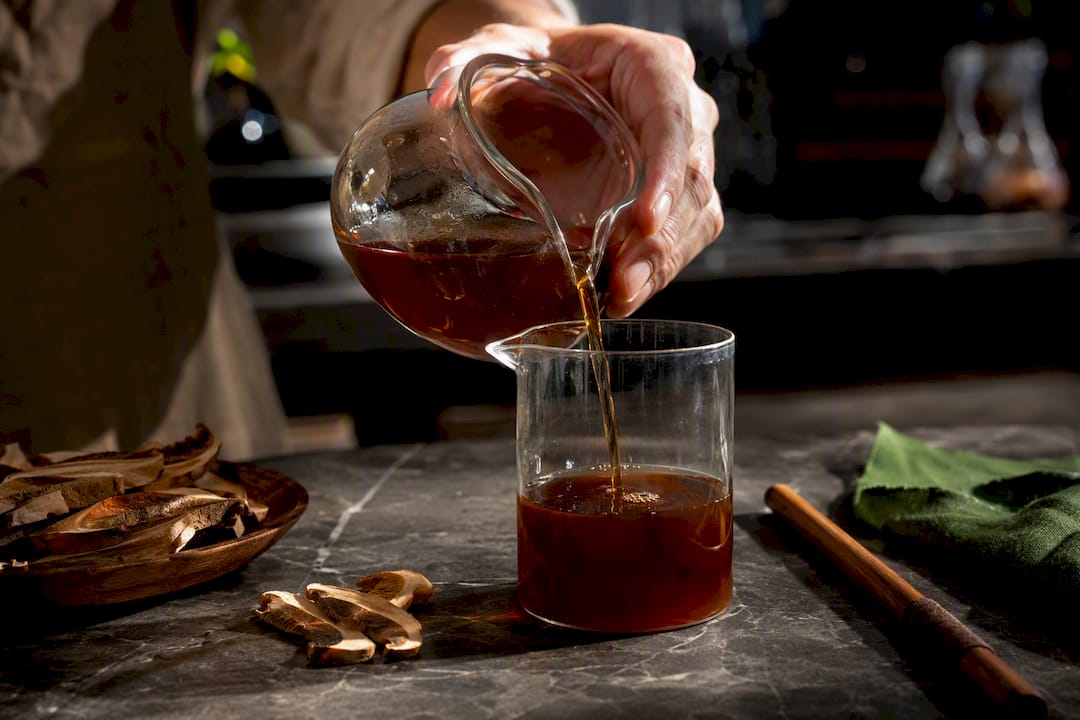
A mushroom elixir is a concentrated liquid or powdered extract, usually a tincture, a dissolvable powder, or a ready-to-drink shot, made by pulling bioactive compounds out of mushroom fruiting bodies or mycelium using water, alcohol, or both. That’s a meaningfully different product from eating a shiitake stir-fry or swallowing a raw mushroom powder capsule, because extraction concentrates specific compounds rather than delivering the whole fungal matrix.
The method matters more than most labels let on. Hot water pulls out beta-glucans, the polysaccharides most associated with immune activity. Alcohol pulls out triterpenes and sterols, compounds linked to some of reishi’s calming and anti-inflammatory effects. A product extracted with only one solvent misses roughly half the bioactive profile that dual extraction recovers.
A few other distinctions are worth knowing before you buy anything:
Six species dominate the elixir market, and each one has a distinct evidence profile. Treating them as interchangeable “immune mushrooms” is where most marketing goes wrong.
Reishi (Ganoderma lucidum) is best known for a modest calming and sleep-support effect, along with some immune-modulating activity from its triterpenes and beta-glucans. The human evidence here is real but thin, mostly small trials rather than large randomized studies, so expect a gentle effect rather than a dramatic one.
Lion’s mane (Hericium erinaceus) is the species generating the most excitement for brain health, largely because of its erinacine content, compounds thought to support nerve growth factor activity. A 49-week trial in adults with mild Alzheimer’s disease found daily lion’s mane mycelium extract improved cognitive scores compared to placebo. That’s a genuinely notable result, but it’s specific to a diagnosed neurodegenerative population over nearly a year of daily use, not proof that a healthy 35-year-old will feel sharper after a week.
Cordyceps (Cordyceps militaris or sinensis) is marketed almost entirely on endurance and stamina. Trial protocols showing a measurable benefit typically used 2 to 3 grams per day for 6 to 12 weeks; shorter trials or lower doses generally showed no effect at all. If you’re trying cordyceps for a race or training block, plan on a two to three month runway, not a preworkout jolt.
Turkey tail (Trametes versicolor) has the strongest human clinical record of any medicinal mushroom, full stop. Its polysaccharide, PSK, has been studied and used as an approved adjuvant cancer therapy in Japan for decades, layered on top of standard chemotherapy rather than replacing it. This is the one species where the evidence tier is genuinely different from the rest of the category, and any oncology use should be coordinated directly with a treating oncologist rather than self-directed.
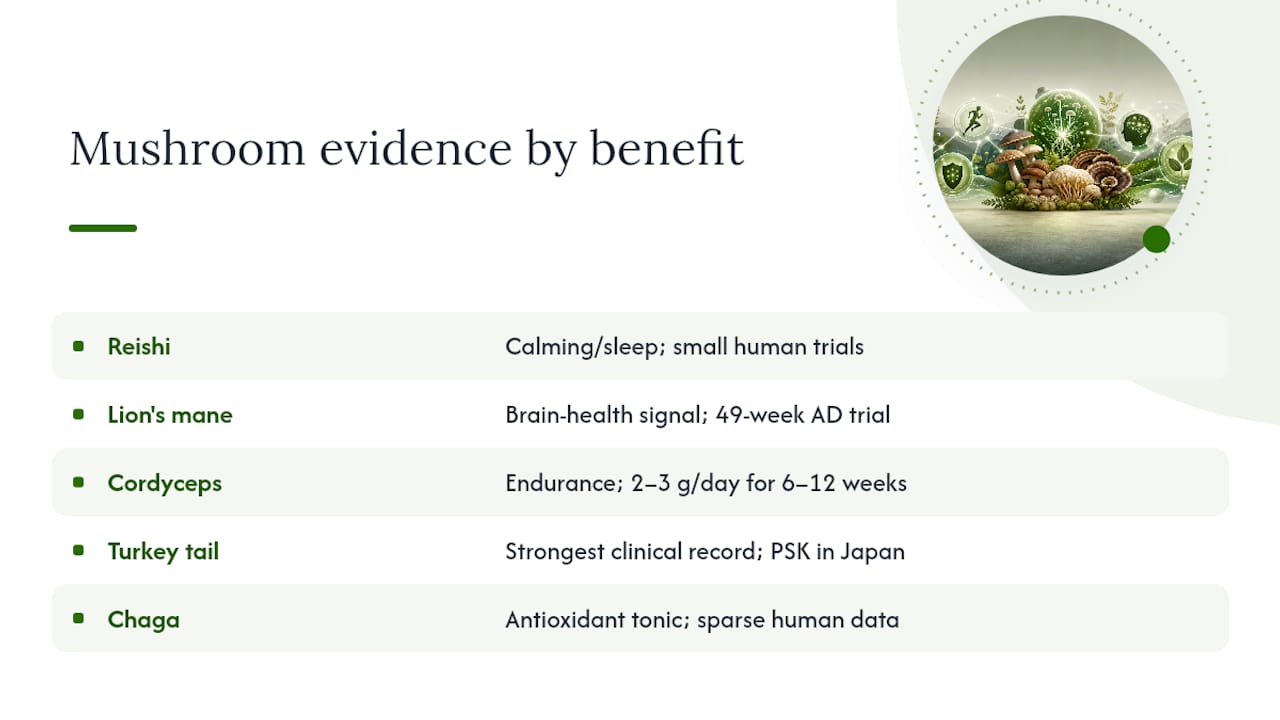
Chaga (Inonotus obliquus) is prized for its antioxidant content and traditional use as an immune tonic, but human trial data is sparse compared to the other five species here. Most of what’s known comes from lab and animal research rather than controlled human studies.
Maitake (Grifola frondosa) shows some early signal for blood sugar and immune support, again mostly from preclinical work. It’s a reasonable addition to a blend, but not one to buy expecting a specific, well-documented outcome.
Beta-glucan content is the single clearest quality signal across all six species. Fruiting body extracts commonly report 20% to 50% beta-glucan content, while cheap mycelium-on-grain powders often fall far below that, according to Fishtown Medicine’s clinical guide.
The common thread across every species: the compound matters more than the species name on the label. A reishi elixir made from real Ganoderma fruiting body will outperform a “premium” blend padded with mycelium filler, regardless of which one costs more.
Quality control in this category is inconsistent enough that label literacy is your best defense as a buyer. Here’s what separates a serious product from a marketing exercise:
That last point isn’t a formality. One product analysis found that only about 26% of tested reishi supplements actually contained authentic reishi, which means roughly three out of four products checked in that analysis were mislabeled, underdosed, or substituted with a different fungus entirely.
Pro Tip: Search a brand’s website for the phrase “certificate of analysis” before you buy. If you can’t find a batch-specific COA within two clicks, assume the beta-glucan number on the front of the label is a marketing estimate, not a lab result.
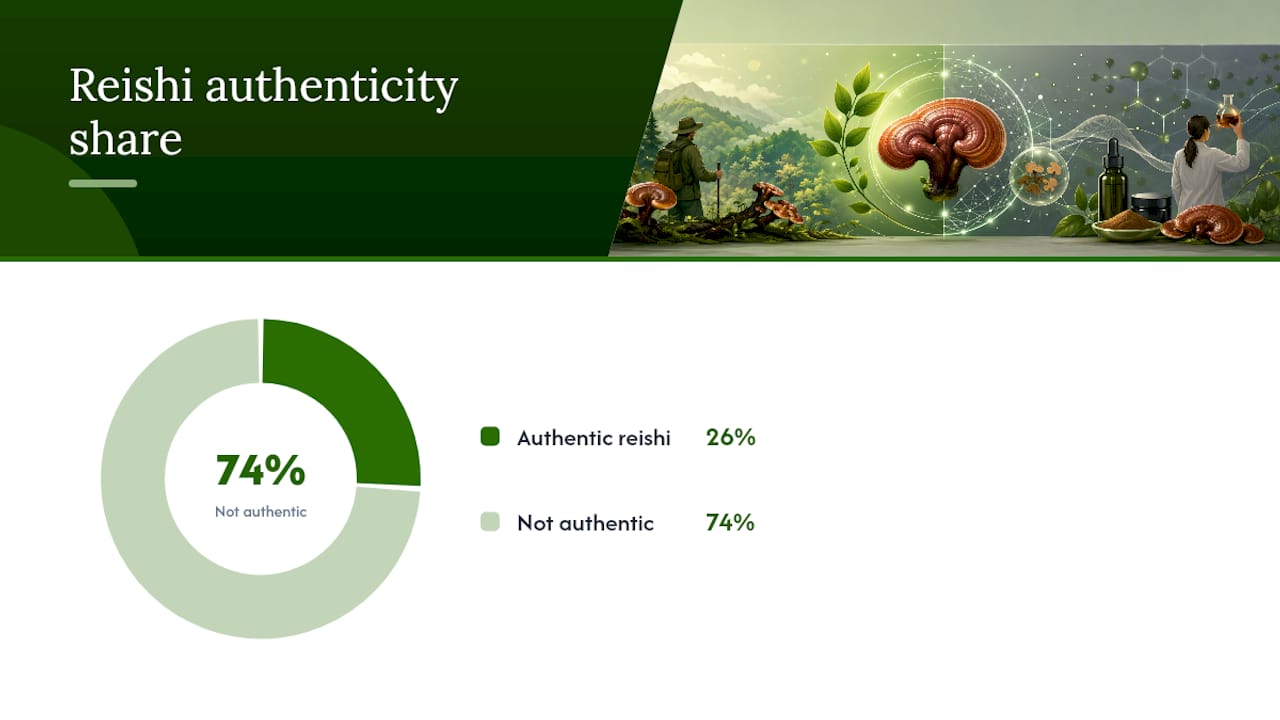
Strip away the marketing copy and three signals stand out clearly. Turkey tail’s PSK has the deepest evidence base of any compound discussed here, backed by decades of trial data as a chemotherapy adjuvant. Cordyceps shows a real but modest endurance effect at 2 to 3 grams daily sustained for 6 to 12 weeks. Lion’s mane shows a genuinely encouraging cognition signal, most notably in that 49-week Alzheimer’s trial, though it’s worth repeating that this result applies to a clinical population, not a general “brain fog” use case.
Everywhere else, the picture is thinner. A broader review of medicinal mushroom pharmacology documents plenty of activity in lab and animal models, but far fewer large human randomized trials than the marketing volume around this category would suggest. Sample sizes tend to be small, extracts vary between studies, and dosing isn’t standardized, which makes it hard to generalize any single trial’s result to a store-bought product.
If you want to actually find out whether an elixir works for you, treat it like a small experiment rather than an act of faith:
Weigh that against the alternative, too. For most healthy adults, improving sleep, diet, and exercise consistency will move the needle on energy and immune function more than any single mushroom addition will.
Mushroom elixirs are generally well tolerated, but “generally safe” isn’t the same as “safe for everyone.” Mild digestive upset, headache, or a skin reaction shows up occasionally, and true fungal allergy, while uncommon, is possible.
The interaction risks are the part most wellness content skips. Because several of these mushrooms, especially reishi and turkey tail, act on the immune system, they carry real theoretical interaction risk with:
Data on pregnancy, breastfeeding, and use in children is genuinely limited across this entire category. That’s not a marketing caveat, it’s an honest gap in the research, and it means those groups should talk to a doctor before starting any mushroom elixir rather than assume “natural” means “automatically fine.”
For everyone else, the sane approach mirrors what clinical trials actually used: start at the low end of a studied dose range, monitor how you feel for one to two weeks, then escalate toward the trial-tested amount if nothing concerning shows up.
Timing isn’t arbitrary here, and it’s worth matching the mushroom to the moment rather than dumping everything into one cup.
A few low-effort ways to actually get these into your routine: a hot-water “shot” of dissolved powder taken straight, a spoonful blended into a morning smoothie, or a small dose stirred into coffee (functional coffee blends built around adaptogens carry their own evidence and risk profile worth understanding first).
To actually test whether it’s working, note a baseline measurement, commit to the trial length that matches the species, and track one concrete number, not a general mood impression.
The honest take: mushroom elixirs are a targeted tool, not a foundation. They work best layered on top of the things that already move the needle, consistent sleep, a reasonable diet, adequate vitamin D, and regular movement, rather than as a substitute for any of them.
If you’re going to spend money here, spend it on a measurable, time-limited trial with a real quality product, dual-extracted, fruiting-body sourced, with a published lab report you can actually check. Skip anything that promises broad transformation from a proprietary blend with no beta-glucan number on the label. The species matters less than the extraction and the testing behind it.
— Shilajit
Shilajit’s mushroom elixir is formulated around the same standards this guide just walked through: dual extraction to capture both beta-glucans and triterpenes, sourced from real fruiting body material, and lab-tested for purity rather than sold on an unverified blend label. It’s built for readers who want daily energy, cognitive support, and immune resilience without gambling on a product that might be mostly grain filler.
If you’ve read this far, you already know what separates a real extract from a marketing story, dual extraction, fruiting body sourcing, and a lab report you can actually check. Shilajit’s 250-gram mushroom elixir is built to meet exactly those checkpoints, and the full mushroom supplement range is available if you want to compare formats before you commit. Check the product page for current sourcing details and place an order when you’re ready to put one of these species to a real, measured test.
This article is general information, not a substitute for advice from a qualified doctor. Consult a qualified healthcare professional about your own circumstances before acting on anything here.
Practical, goal-focused shilajit timing: morning fasted default, 30–60 minute pre-workout window, split dosing, 8–12 week timelines, plus lab-tested…
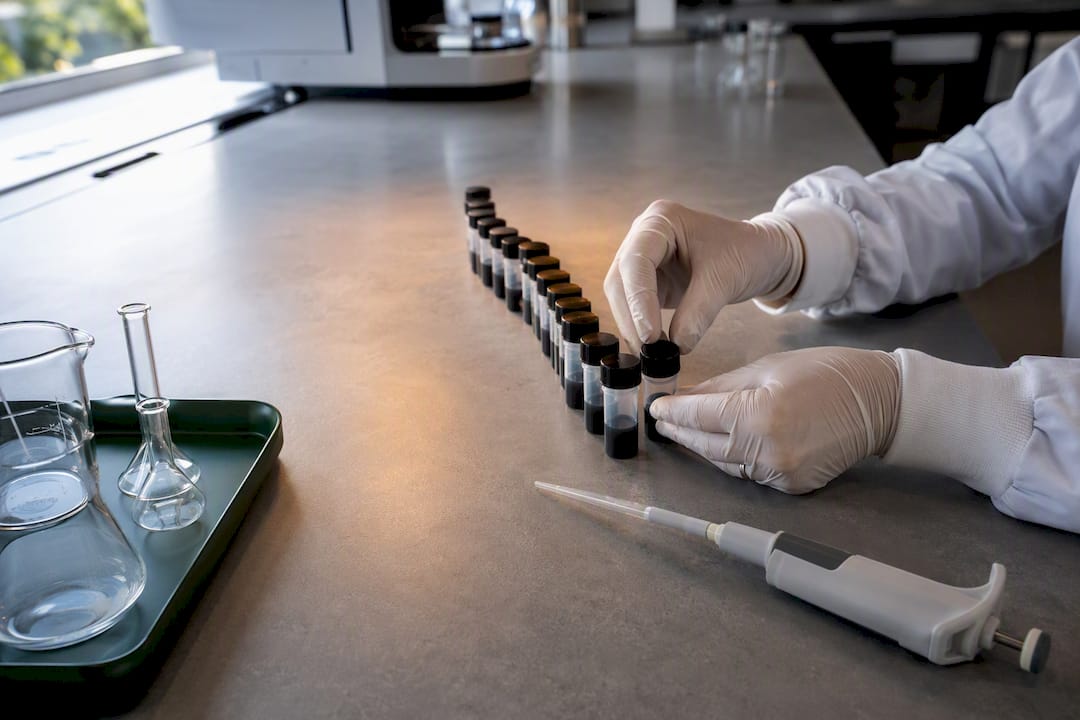
Verify Shilajit lab reports in Australia with a six point checklist. Spot fake COAs, check lab accreditation, lot match, analytical methods, and LODs.