Uncategorized
6 Point Shilajit Lab Report Checklist for Australian Buyers
Verify Shilajit lab reports in Australia with a six point checklist. Spot fake COAs, check lab accreditation, lot match, analytical methods, and LODs.

Target 250 to 500 mg of shilajit per day, and check your bottle’s concentration before you count drops. For a 250 mg/ml tincture, that’s roughly 1 to 2 ml daily, split morning and pre-workout if you’re using it for performance. Start at the low end for a week to check tolerance, hold there for 8 to 12 weeks, and confirm the product carries a Certificate of Analysis before you trust the label at all.
TL;DR:
- Choose a tincture with a clearly stated concentration, preferably 250 mg/ml, and verify it through a Certificate of Analysis to ensure accurate dosing.
- Start with 100 to 200 mg daily for the first week to minimize mild stomach upset, then increase gradually based on tolerance over the following weeks.
- Use precise measurement tools like oral syringes or calibrated pipettes instead of relying solely on drops or eyeballing doses, especially for doses under 1 ml.
- Avoid shilajit if pregnant, breastfeeding, managing chronic kidney or liver conditions, or giving it to children; consult a healthcare professional beforehand.
- Be aware that high-quality, lab-tested products with fulvic acid levels around 50 percent or higher better match clinical trial dosages and safety profiles.
Tincture labels list concentration as mg/ml, sometimes alongside a fulvic acid percentage. Neither number means much until you translate it into a dose you can actually measure with a dropper.
Concentration varies more than most buyers expect. A low-strength tincture runs 100 to 150 mg/ml, a mid-range product sits around 200 to 300 mg/ml, and a high-concentration extract can hit 400 to 500 mg/ml. The math changes completely depending on which one you’re holding.
| Concentration | mg per 1 ml | ml for 250 mg | ml for 500 mg |
|---|---|---|---|
| Low (125 mg/ml) | 125 mg | 2 ml | 4 ml |
| Mid (250 mg/ml) | 250 mg | 1 ml | 2 ml |
| High (450 mg/ml) | 450 mg | about 0.5 ml | 1.1 ml |
Pro Tip: Standard droppers vary in drop size by brand, sometimes by 20 percent or more. Measure by milliliter markings on the dropper barrel whenever your dose matters, and treat “drops” as a rough fallback only.
Most people should not jump straight to 500 mg on day one. Shilajit’s mineral and fulvic acid load can cause mild stomach upset if you start too aggressive, so a short ramp protects you without costing much time.
General maintenance guidance from practitioner sources centers on that same 300 to 400 mg daily range, with an 8 to 12 week window before you judge whether it’s doing anything.
Goal-specific protocols pull from actual trial designs:
A rough weight-based reference: many practitioner guides frame doses around 3 to 5 mg per kilogram of bodyweight. A 70 kg adult lands around 210 to 350 mg, which tracks closely with the 250 to 500 mg range clinical work actually uses.
If you’re targeting hormonal or fertility outcomes, get baseline bloodwork (testosterone, iron, kidney markers) before you start and again at the 8 to 12 week mark. That’s the only way to know if the dose is doing anything beyond how you feel.
Mild digestive upset is the most common complaint, usually from starting too high or taking it on an empty stomach. Taking your dose with food and ramping slowly over the first two weeks resolves most of it.
The bigger safety issue isn’t the compound itself, it’s what’s in a poorly sourced batch. Raw, unpurified shilajit can carry heavy metals and mycotoxins, which is why Healthline’s guidance stresses buying purified, tested products and following label instructions rather than improvising doses.
Before starting, check these interaction classes with a pharmacist or doctor:
Avoid shilajit, or only use it under direct medical supervision, if you’re pregnant, breastfeeding, giving it to a child, or managing a chronic kidney or liver condition. WebMD’s overview echoes the same standard: check with a healthcare provider first, especially alongside existing prescriptions.
Pro Tip: If a tincture doesn’t list a batch number or heavy metal testing results, treat that absence as a red flag, not an oversight.
A dosing plan is only as good as the product behind it. Two tinctures both labeled “250 mg/ml” can behave completely differently if one is standardized and the other is a vague blend.
Run through this checklist before buying:
Trial-grade extracts like PrimaVie carry a standardized minimum of 50 percent fulvic acid, which is why researchers can compare doses across studies with any confidence. A tincture with no fulvic acid percentage on the label gives you no way to map it to the 250 to 500 mg ranges clinical trials actually used.
Red flags worth walking away from: “proprietary blend” language with no numbers, missing COA, and no batch tracking. Our guide to choosing a shilajit supplement walks through label reading in more detail, and the piece on fulvic acid in shilajit explains why that percentage matters more than most marketing copy admits.
Store tincture bottles away from direct heat and light, and keep the cap tight. Properly formulated liquid extracts hold potency for a year or more unopened, but oxidation speeds up once you’re regularly opening the bottle.
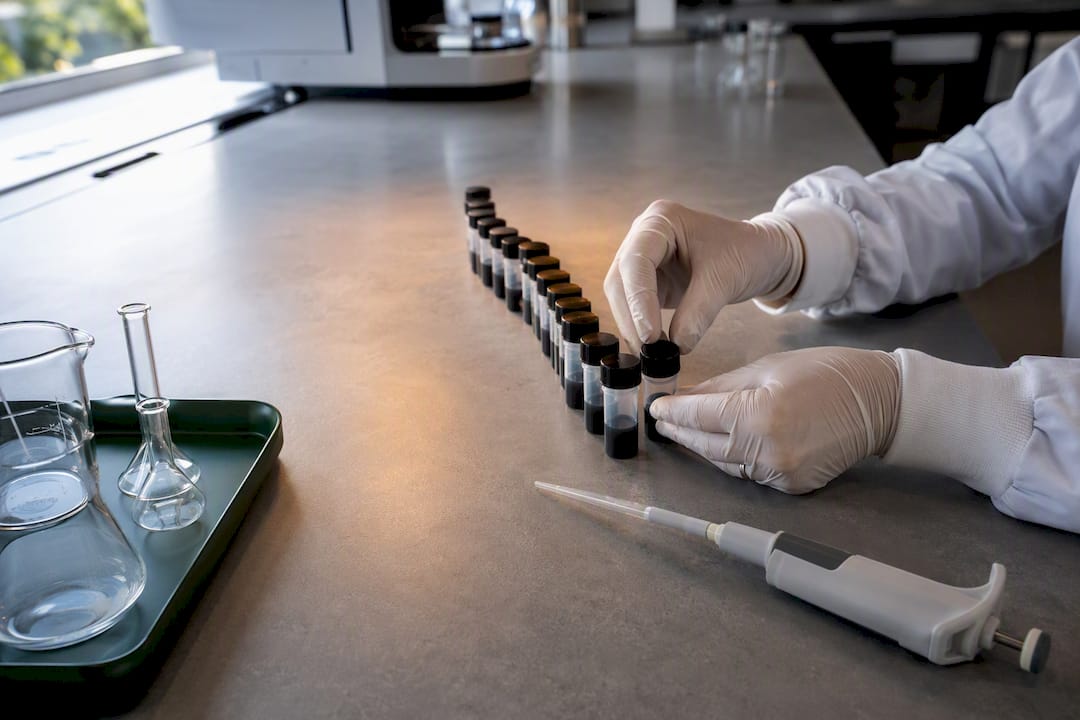
Lab reports matter more here than in most supplement categories, given how much raw shilajit varies by source and processing. Reputable sellers publish purity testing and fulvic acid content directly on product pages rather than making buyers ask for it.
Shilajit.com.au publishes this information directly on its dosage guide, including tolerance-check steps and interaction notes, so the numbers in this article line up with what you’ll see if you buy the tincture.
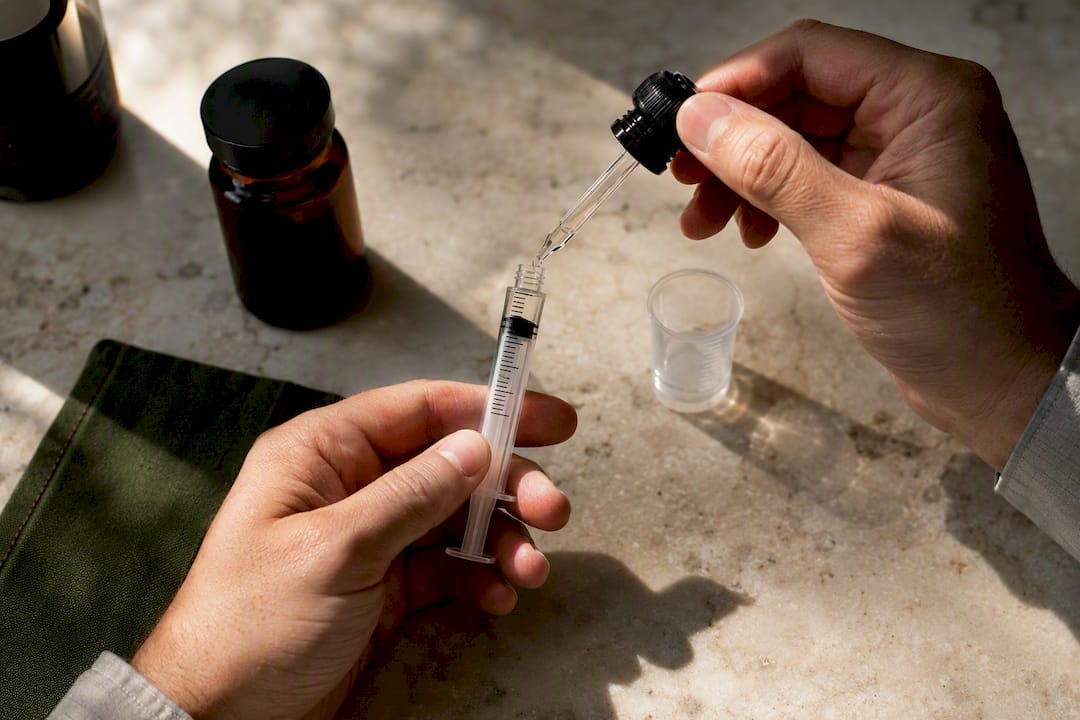
You don’t need a milligram scale at home, but you do need something more precise than counting drops by eye. Oral syringes, sold cheaply at any pharmacy, mark in 0.1 ml increments and give you far better accuracy than a standard dropper bulb, especially for doses under 1 ml.
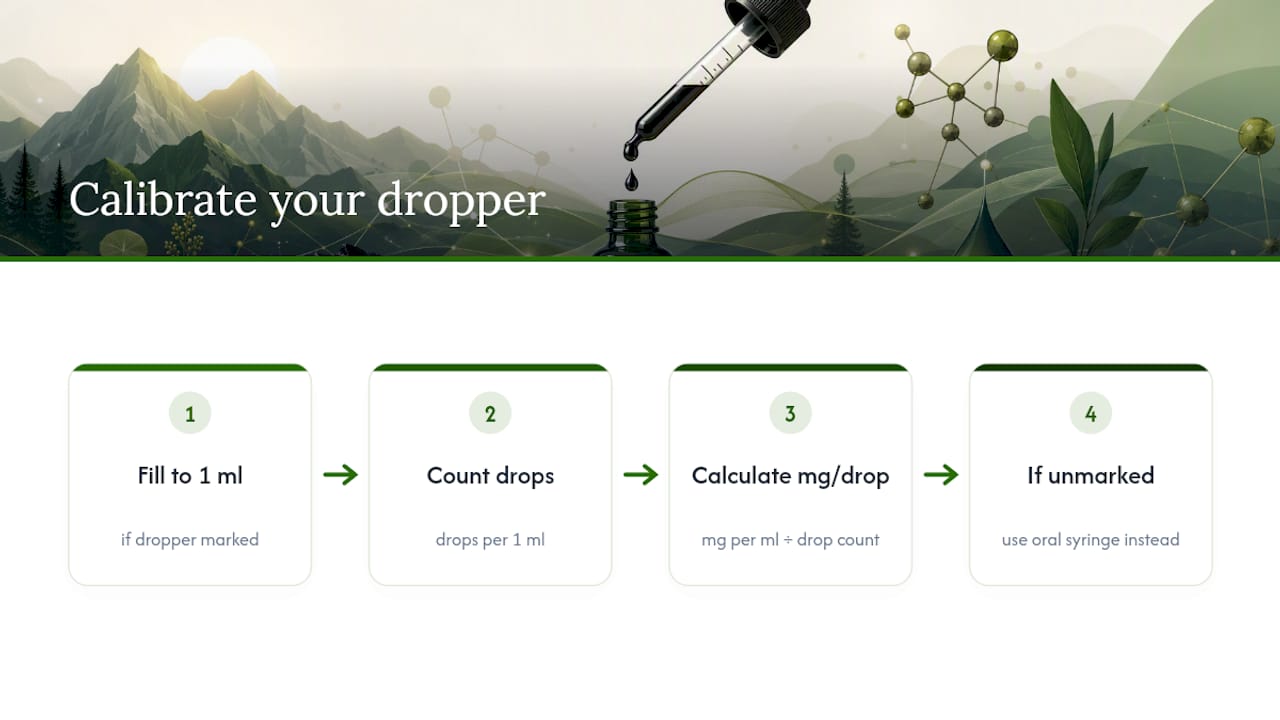
If your tincture comes with a glass dropper, calibrate it once before you rely on it. Fill it to the 1 ml line if marked, then count how many drops that takes. Divide the concentration (mg/ml) by that drop count to get mg per drop. If your dropper isn’t marked at all, use the oral syringe method instead. Guessing at drop size introduces the single biggest source of dosing error in tincture use, more than the concentration variance between brands.
A digital kitchen scale that measures to 0.01 grams can work as a backup, since 1 ml of most tinctures weighs close to 1 gram, but this method is less reliable than a syringe because tincture density varies with alcohol or glycerin content.
For anyone tracking a testosterone, fertility, or athletic protocol where the trial dose matters (250 mg twice daily, or 500 mg once daily), precision at this level isn’t optional. A 20 percent error in drop size, which is common between droppers, can push you from a sub-therapeutic dose into an unnecessarily high one over weeks of daily use. Write your measured ml amount somewhere you’ll see it daily, a habit tracker or the notes app works fine, so you’re not remeasuring or second-guessing the count every single day.
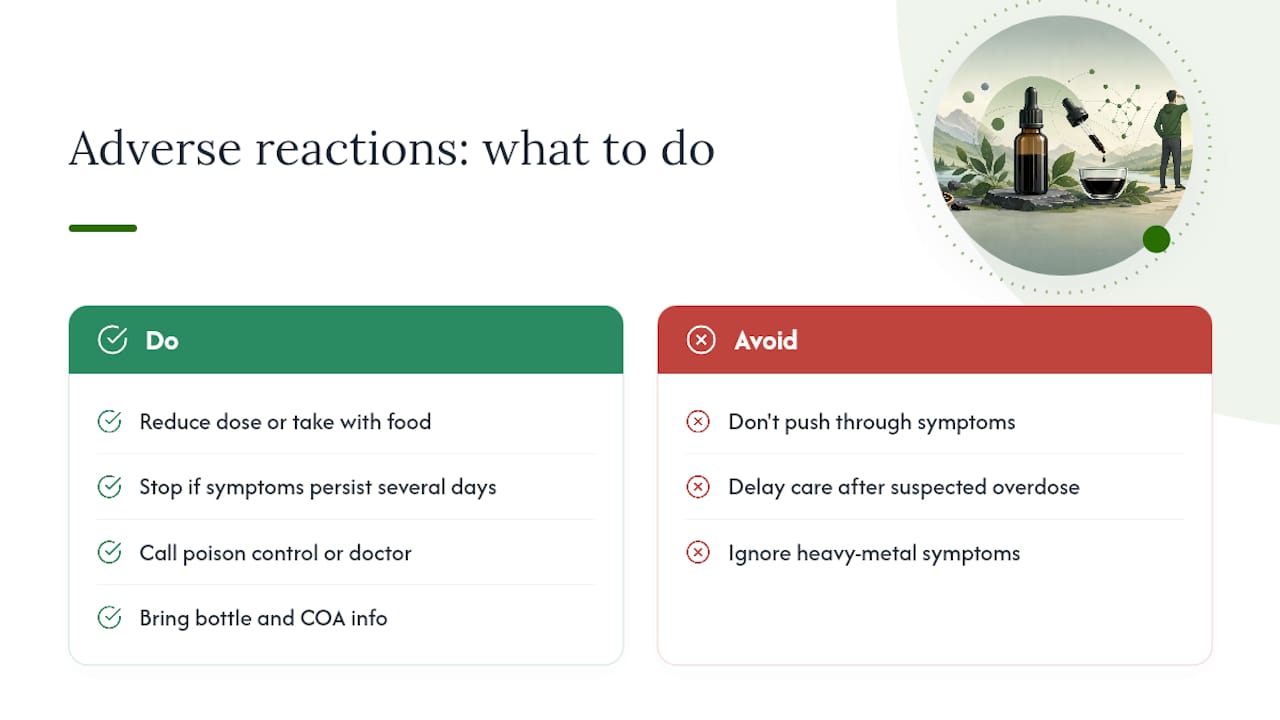
Mild reactions, mainly nausea, stomach cramping, or loose stool, usually show up in the first week and typically resolve once you drop back to a lower dose or add food to the timing. If symptoms persist past a few days at the same dose, stop and reassess rather than pushing through.
More serious reactions are rare but worth knowing: signs of an allergic response (rash, swelling, difficulty breathing), unusual heart palpitations, or symptoms suggesting heavy metal exposure (headache, confusion, abdominal pain that doesn’t resolve) warrant stopping immediately and contacting a doctor or poison control line.
If you suspect you’ve taken far more than intended, whether from a miscounted dropper or a concentration mixup, treat it the same way you would any supplement overdose: stop use, note the amount and concentration if you can, and call a poison control center or seek medical attention rather than waiting to see how you feel. Bring the bottle with you if you go to a clinic. The label’s stated mg/ml and any COA information help a clinician assess what you actually took.
There’s no established antidote for shilajit overdose specifically, so treatment focuses on your symptoms. This is also the exact reason purity testing matters as much as dosing math: a contaminated batch turns a manageable dosing mistake into a genuine toxicology question.
Standard dosing guidance assumes a healthy adult, and that assumption breaks down for several groups.
Elderly adults, especially those managing kidney function decline or taking multiple medications, should start at the lowest end of the range (100 mg or less) and extend the tolerance-check window well past the standard one week. Kidney and liver function both affect how minerals and fulvic acid compounds clear the body, and that clearance often slows with age.
Pregnant and breastfeeding women should avoid shilajit outright. None of the clinical trials informing the 250 to 500 mg dosing ranges in this article included pregnant or nursing participants, so there’s no evidence-based dose to recommend, and the safety margin is unknown. The same caution applies to children: no pediatric dosing studies exist, and shilajit should not be given to children without direct physician guidance.
Anyone managing a chronic condition, kidney disease, liver disease, or an autoimmune disorder, falls into the same category as pregnancy and childhood dosing: consult a physician before starting, regardless of how conservative the planned dose is. The 8 to 12 week evaluation window this article recommends for healthy adults isn’t a safe default for these groups; medical supervision should set the pace instead.
Shilajit behaves like most adaptogens: subtle, cumulative, and easy to dismiss if you’re expecting a stimulant-level jolt in week one. Track something concrete, workout output, sleep quality, or lab values, rather than relying on how you feel day to day. If 8 to 12 weeks at a consistent dose produces nothing measurable, that’s your signal to adjust the dose or talk to a doctor rather than keep guessing.
— Shilajit
Most of the dosing math in this article only works if the bottle in front of you states its concentration honestly. A tincture with a clear mg/ml figure and an accessible Certificate of Analysis helps reduce guesswork in achieving the target daily dosage, unlike products that only say “concentrated extract” on the label.
Some resin and tincture products list fulvic acid content and lab testing directly on their product pages, helping ensure the numbers calculated at home correspond with what’s in the bottle. If tincture measuring feels less predictable than you’d like, our 50-gram pure Shilajit resin offers a form where you portion by weight instead of milliliters. Start with a small order, run an 8-week tolerance and assessment period as described, and consult a healthcare provider if managing a medical condition or taking prescription medication. That’s the whole process: measure, log, reassess, adjust.
This article is general information, not a substitute for advice from a qualified doctor. Consult a qualified healthcare professional about your own circumstances before acting on anything here.
Most guidance targets 250 to 500 mg of shilajit per day, which converts to roughly 1 to 2 ml for a 250 mg/ml tincture; always check your specific bottle’s concentration first.
Expect a gradual effect over 8 to 12 weeks of consistent daily use rather than a noticeable change in the first few days.
Yes, daily use is standard in the clinical trials behind these dosing ranges, provided you’ve completed a tolerance check and aren’t in a group that requires medical supervision, such as pregnancy or chronic kidney disease.
Check for a stated mg/ml figure and an accessible Certificate of Analysis. A product like Shilajit’s tincture lists both, which lets you map the label directly to trial-backed dosing ranges instead of guessing.
Mild overdose usually causes stomach upset; stop use and contact a doctor or poison control if you experience severe symptoms like allergic reaction, palpitations, or persistent confusion.
Verify Shilajit lab reports in Australia with a six point checklist. Spot fake COAs, check lab accreditation, lot match, analytical methods, and LODs.
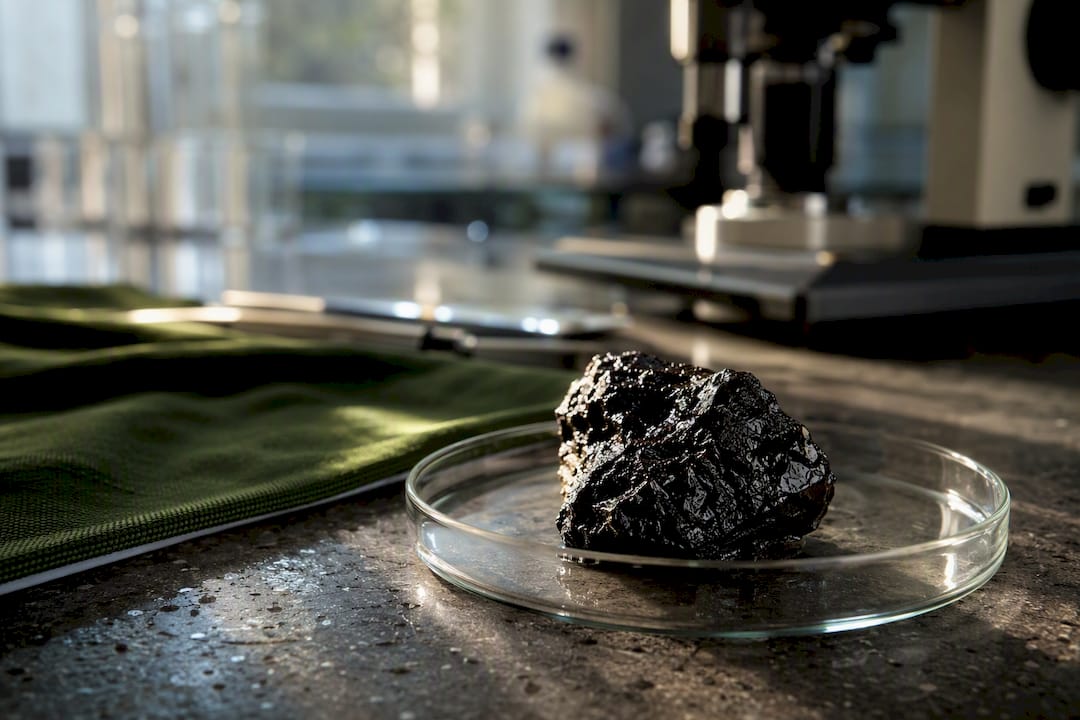
Learn to pick pure shilajit by reading the batch COA. Check fulvic acid range, named lab method, numeric heavy-metal results, and harvest altitude.