Uncategorized
Shilajit in Pregnancy: Why Doctors Advise Against It and What to Do
Avoid shilajit while pregnant or breastfeeding. No controlled trials, contamination risk, and one case links use to high blood pressure. Inform your…

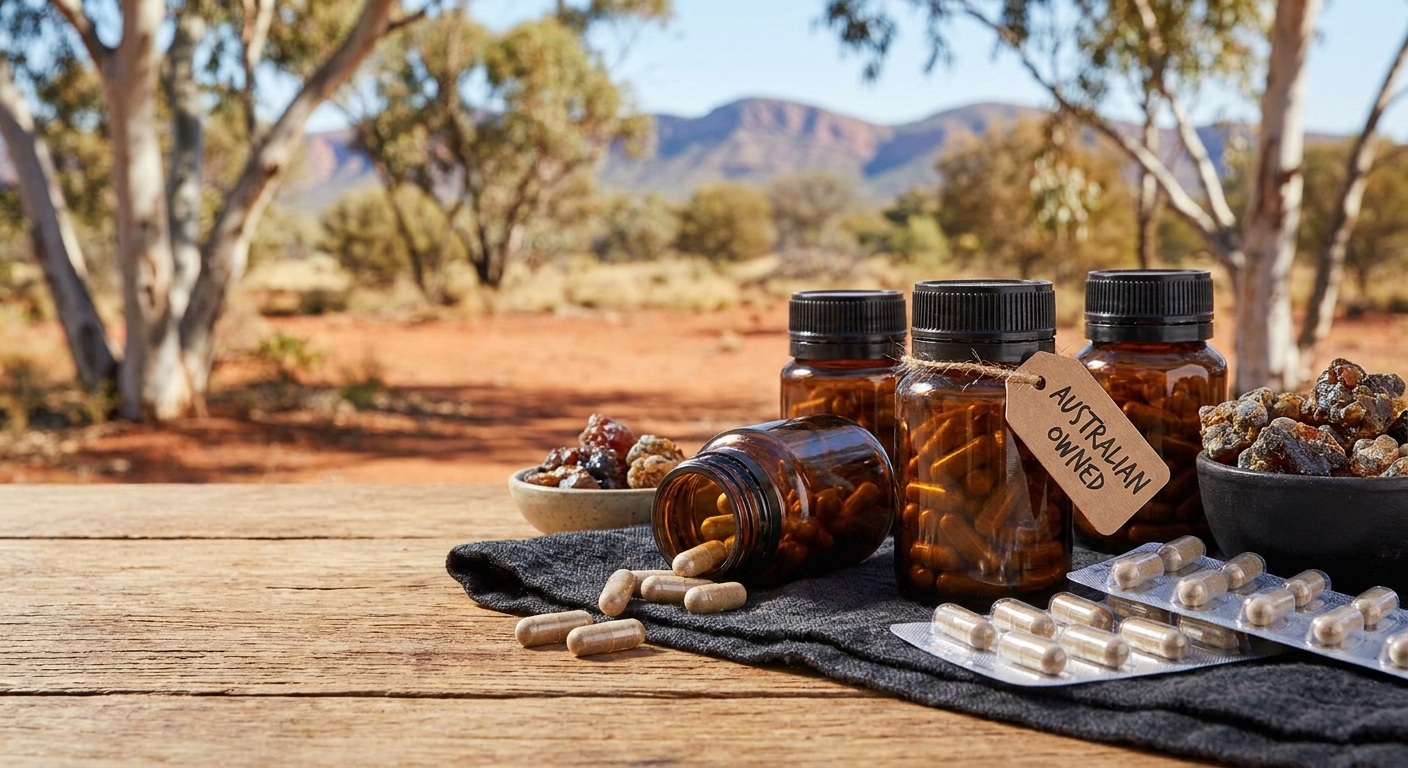
Shilajit capsules dominate search in Australia because they're easy to swallow and easy to travel with, but the capsule format hides more variation in dosage and purity than resin or gummies ever could. This guide ranks the capsule types you'll actually find on Australian shelves in 2026, tells you what to check on the label, and flags where resin or gummies beat the capsule outright.
Capsules are a manufacturing step removed from raw shilajit resin — the resin gets dried, powdered, and packed into a shell, and that process is where quality gets diluted. Some brands fill capsules with 250mg of actual extract cut with rice flour or maltodextrin; others hit 500mg of concentrated resin powder with nothing added.
The label rarely tells you which one you're getting unless the brand publishes a certificate of analysis. If you're comparing everyday capsules against a $15 bottle from an unfamiliar seller, the price gap usually explains the dosage gap. Start with a plain-language breakdown in the guide to shilajit capsules for everyday energy and stamina.
Australians buying shilajit in 2026 are mostly after energy, stamina, and mineral support — not a supplement cabinet full of unverified capsules. That's the lens this ranking uses.
Every format below is scored against four things that actually matter for a buyer: milligrams of resin extract per serve, whether the brand discloses a lab certificate, filler ingredients used to bulk the capsule, and price per effective dose rather than price per bottle. Formats that hide any of these four get marked down regardless of marketing copy.
This isn't a taste test — it's a paper trail check. A capsule that won't publish its fulvic acid percentage or heavy metal screening result doesn't get a Buy verdict here, no matter how the packaging looks.
These contain nothing but dried, powdered resin in a vegetable or gelatin shell. Dosage typically sits at 300-500mg per capsule, and the better ones publish a certificate showing fulvic acid content above 40%. The catch is potency loss during drying — some fulvic acid degrades in processing that raw resin never goes through. Verdict: Buy if the brand discloses lab results, otherwise Skip.
Common in the shilajit capsules for busy professionals category, these blend a smaller shilajit dose (often 150-250mg) with 200-300mg of ashwagandha extract for a stress-and-energy angle. The shilajit dose is usually lower than a single-ingredient capsule, so you're paying for the ashwagandha as much as the shilajit. Verdict: Consider only if you specifically want the ashwagandha stack — otherwise a straight resin dose is more efficient.
These strip out fulvic acid as a standalone compound rather than delivering whole resin. They test well for a single marker but leave behind the 60-85 trace minerals that come bundled in unprocessed resin. Good as a cheap top-up, weak as a standalone product. Verdict: Consider as an add-on, not a primary supplement.
No certificate of analysis, no published fulvic acid percentage, sourcing region unstated. These show up cheap on marketplaces and carry the highest contamination risk in the category — heavy metals and unprocessed mineral resin go hand in hand if the source isn't screened. Verdict: Skip, regardless of price.
Shilajit gets combined with five or six other herbs — maca, tribulus, fenugreek — in a proprietary blend that doesn't disclose individual milligram amounts. You can't tell how much actual shilajit is in the capsule, which defeats the point of buying it for shilajit specifically. Verdict: Skip unless individual ingredient amounts are published.
Some brands dry their actual resin (not a powder extract) and pack it directly into shells at 400-500mg. This preserves more of the original mineral and fulvic acid profile than reconstituted powder. It's the strongest capsule option on this list, if you can verify the source resin was lab-tested before drying. Verdict: Buy if the brand can show pre-encapsulation testing.
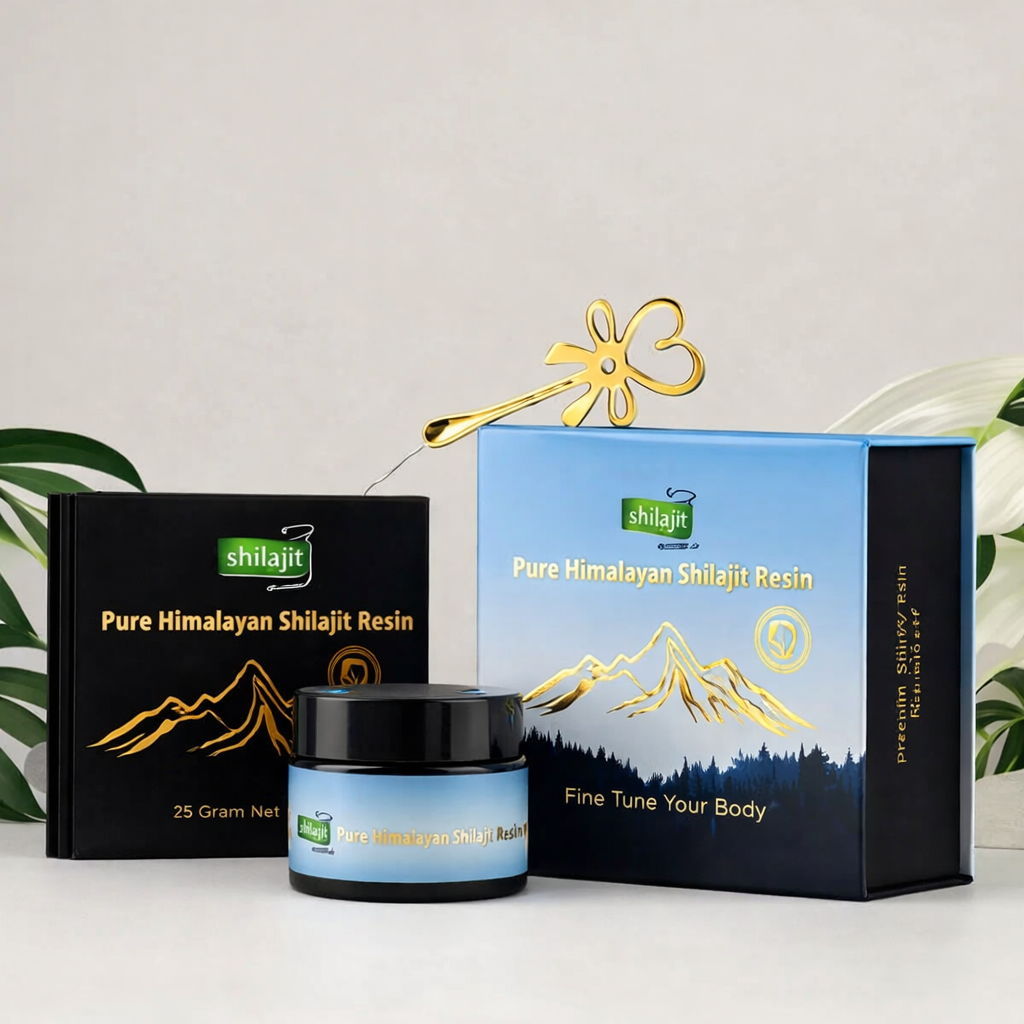
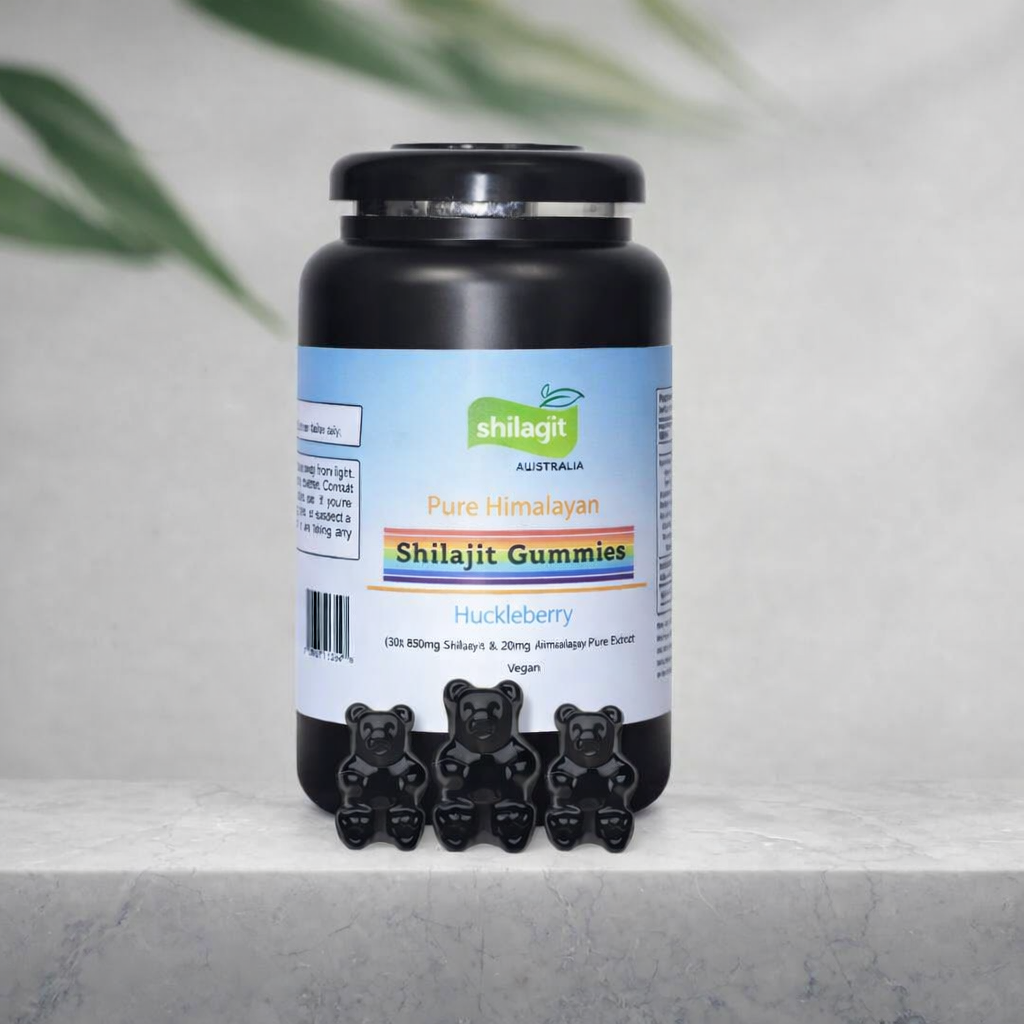
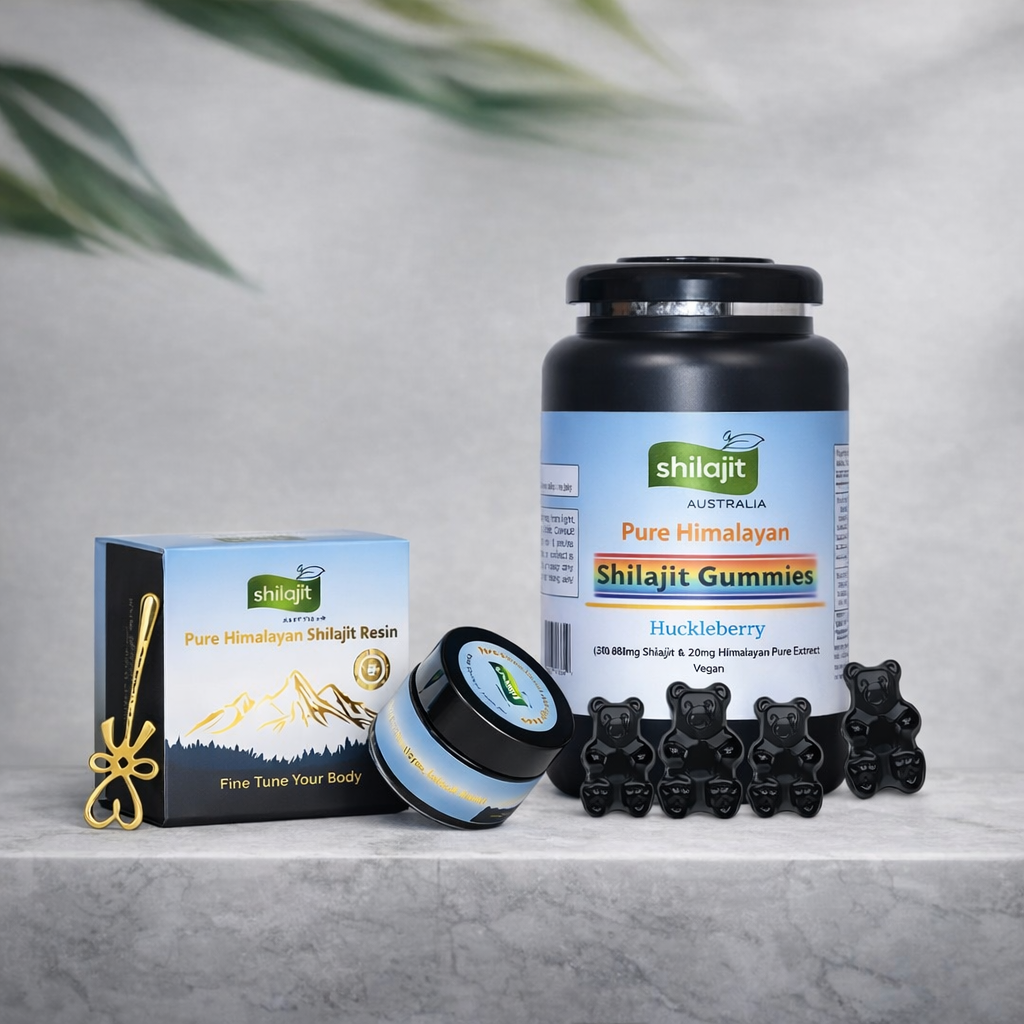
Rather than compress resin into a capsule and lose potency in the process, Shilajit Australia sells the resin as resin and the convenience format as a gummy — both lab-tested, both listing full mineral content on the product page. If capsule dosage uncertainty is the reason you're comparing options in the first place, this sidesteps it. Check how to choose the right shilajit supplement for your goals if you're unsure which format fits your routine. Verdict: Buy for anyone prioritising verified potency over capsule convenience.
“A capsule that won’t publish its fulvic acid percentage isn’t accountable to anything but its own label.”
| Format | Typical resin dose | Lab disclosure | Fillers | 2026 verdict |
|---|---|---|---|---|
| Single-ingredient capsule | 300-500mg | Varies | Sometimes | Buy if tested |
| Ashwagandha combo capsule | 150-250mg | Rare | Common | Consider |
| Fulvic acid isolate | Isolate only | Rare | Common | Consider as add-on |
| Budget import capsule | Unstated | Almost never | Unknown | Skip |
| Multi-herb blend capsule | Unstated | Rare | Heavy | Skip |
| Encapsulated pure resin | 400-500mg | Sometimes | Minimal | Buy if verified |
| Shilajit Australia resin/gummies | Full dose, no capping | Disclosed | None | Buy |
What are the best shilajit capsules in Australia in 2026?
Single-ingredient capsules with a published certificate of analysis and 300-500mg of resin extract per capsule rank highest in 2026. Encapsulated pure resin comes close if the brand verifies testing before drying.
Is shilajit resin better than capsules?
Resin generally preserves more fulvic acid and trace minerals than capsules because it skips the drying and reconstitution step. Capsules win on convenience, resin wins on potency per dose.
How much does a bottle of shilajit capsules cost in Australia?
Prices for shilajit capsules in Australia in 2026 vary widely depending on dose and sourcing, and unusually cheap listings often correlate with missing lab disclosure. Compare price per effective milligram, not price per bottle.
Are ashwagandha-shilajit combo capsules worth it?
They’re worth it if you specifically want the ashwagandha stack, since the shilajit dose in combo capsules is typically lower than a single-ingredient capsule. If shilajit is the priority, buy it straight.
How can you tell if a shilajit capsule is fake or low quality?
Check for a dated certificate of analysis, a stated fulvic acid percentage, and a clear resin-extract milligram figure per capsule. Missing any of the three is a reliable warning sign in 2026.
Do shilajit gummies work as well as capsules?
Gummies from a lab-tested brand can match or exceed capsule potency since they’re built around a known dose rather than a compressed powder. They also avoid the filler ingredients common in budget capsules.
What’s a normal dose of shilajit per day?
Most resin and capsule products in the Australian market suggest 300-500mg of resin extract per day, split across one or two servings. Check the specific product label since doses vary by format and concentration.
Why don’t some shilajit capsules list a fulvic acid percentage?
Brands that skip lab testing or use blended or proprietary formulas often can’t disclose an exact figure. Treat the absence of a stated percentage as a gap in the label, not an oversight.
The biggest gap in this category isn't quality, it's disclosure — most shilajit capsules sold in Australia in 2026 still don't list a fulvic acid percentage on the label at all, which means the burden is on you to ask before you buy. If a seller can't answer that one question, skip the listing no matter how the packaging looks.
Avoid shilajit while pregnant or breastfeeding. No controlled trials, contamination risk, and one case links use to high blood pressure. Inform your…
Australia-focused look at shilajit gummies: what human trials actually show, how 500 mg/day dosing compares, and why batch COAs and TGA safety checks matter.