Uncategorized
Shilajit in Pregnancy: Why Doctors Advise Against It and What to Do
Avoid shilajit while pregnant or breastfeeding. No controlled trials, contamination risk, and one case links use to high blood pressure. Inform your…

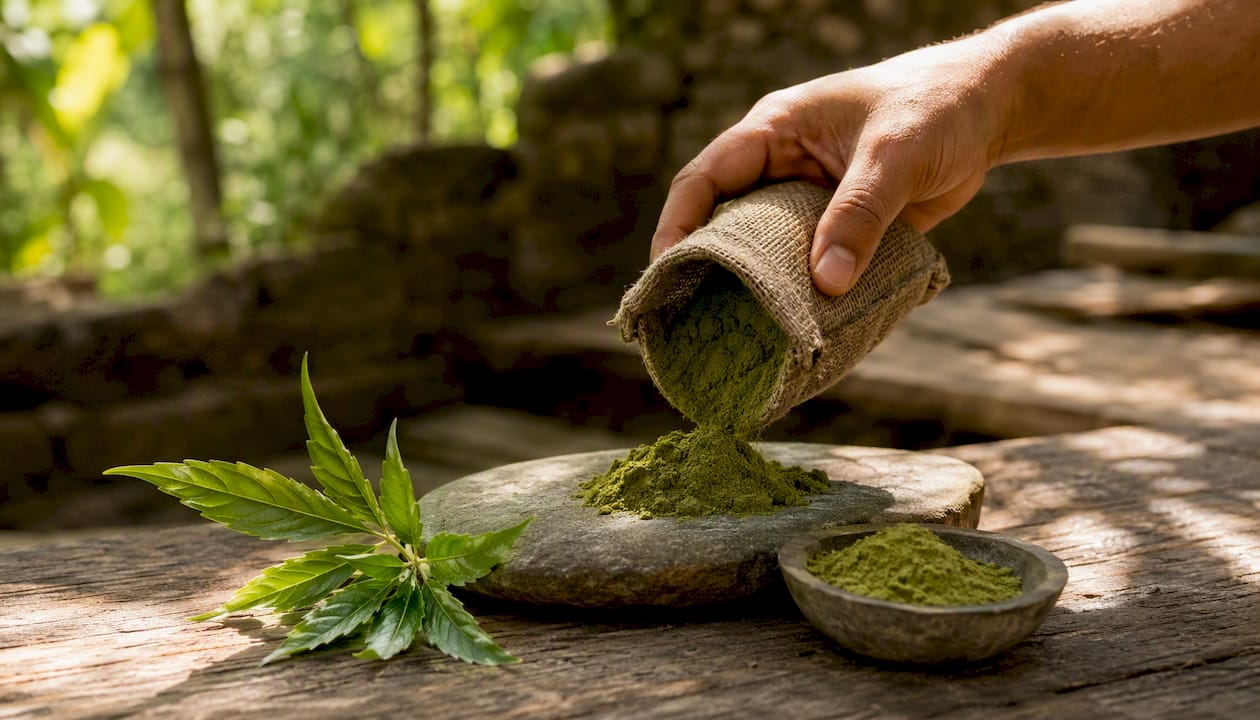
Bhringraj powder, derived from Eclipta alba (also called false daisy), is one of Ayurveda’s most studied hair herbs, and the evidence for its core claim is more solid than most botanical supplements can claim. Used topically, it supports scalp circulation, reduces shedding, and creates a healthier follicular environment. Taken internally, it may reinforce those effects through antioxidant and liver-supportive actions, with small human trials backing the shedding-reduction claim specifically.
The three uses most worth your attention:
Visible shedding reduction tends to appear within 8–12 weeks of consistent use. Pigmentation and density changes take longer, often 4–6 months. Anyone with liver disease, pregnancy, or active medication regimens should speak with a clinician before starting internal use.
| Point | Details |
|---|---|
| Primary hair benefit | Shedding reduction is the best-documented effect; a 24-week trial reported significant improvement by comb test. |
| Topical vs. internal routes | Topical oil or paste targets scalp environment; internal powder (3–6 g/day) supports systemic and pigmentation effects. |
| Timeline expectations | Reduced shedding may appear in 8–12 weeks; pigmentation and density changes take 4–6 months of consistent use. |
| Safety priorities | Avoid internal use during pregnancy; consult a clinician with liver disease or liver-metabolized medications. |
| Quality non-negotiable | Choose products labeled Eclipta alba with third-party COAs for heavy metals and microbial safety. |
Bhringraj’s reputation as Keshya (hair-promoting) in classical Ayurvedic texts is not just tradition for tradition’s sake. The herb’s phytochemicals give plausible biological reasons for the outcomes users report.
The most consistent benefits people experience with regular topical and internal use:
The key phytochemicals driving these effects are wedelolactone, demethylwedelolactone, coumestans, and flavonoids. Their antioxidant activity reduces oxidative stress at the follicle level, which matters because chronic oxidative damage is one of the better-understood contributors to premature shedding and graying. There is also preclinical evidence suggesting possible 5-alpha reductase inhibition, which would make bhringraj relevant for androgenic hair thinning, though human data on that specific mechanism remain limited.
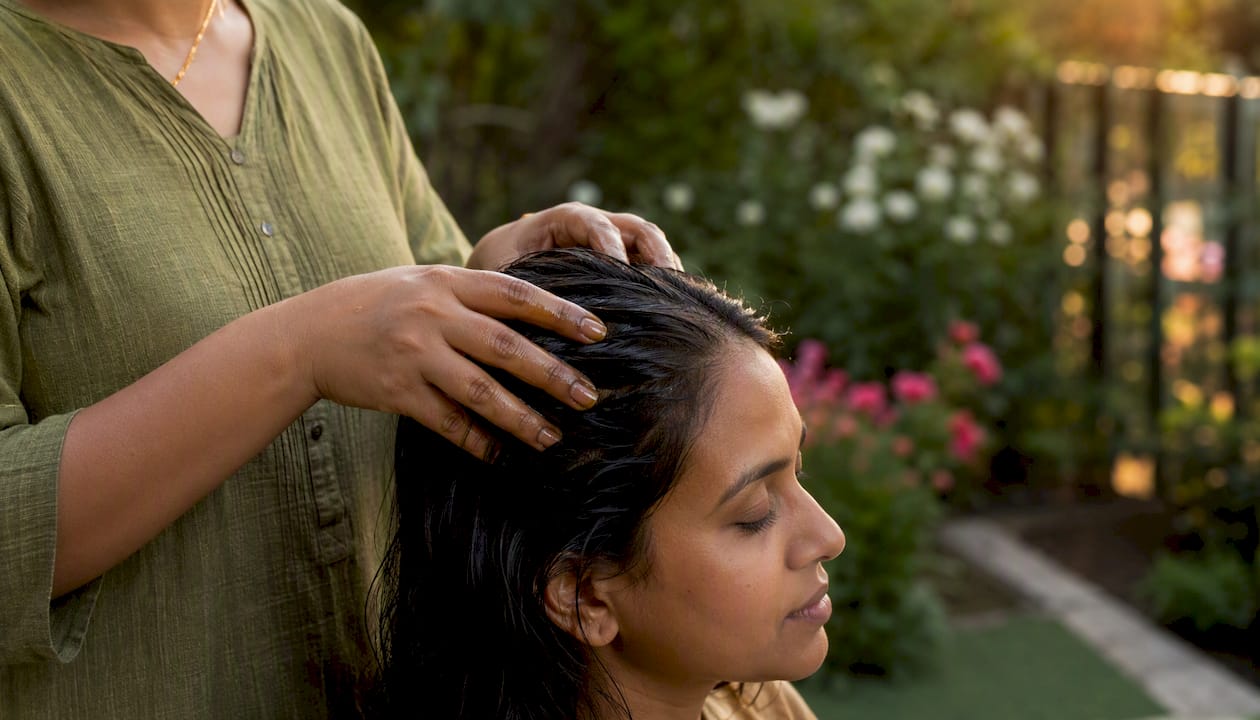
Topical application primarily shapes the scalp environment: reducing inflammation, controlling microbial overgrowth, and improving the physical condition of existing strands. Internal use works more systemically, supporting liver function (which affects hormone metabolism) and potentially influencing pigmentation through pathways that topical application cannot reach. For most people, combining both routes produces better results than either alone, a pattern consistent across classical Ayurvedic protocols.
Bhringraj’s classical designation as a Rasayana (rejuvenative tonic) extends well beyond the scalp. The herb has a documented profile of systemic actions, though the strength of evidence varies considerably across claims.
Key systemic benefits and their evidence status:
The honest picture: hepatoprotective and antioxidant effects have the strongest preclinical backing and reasonable mechanistic plausibility. Skin and scalp anti-inflammatory uses are well-supported by the herb’s known chemistry. Cognitive and metabolic claims are promising but need much larger, controlled trials before anyone should rely on them as primary reasons to use the herb.
Safety note: Internal use of bhringraj powder warrants caution in specific situations. Anyone with active liver disease should consult a practitioner before use, since the herb’s hepatoactive compounds could interact with existing liver conditions or medications metabolized by the liver. Pregnant and breastfeeding individuals should avoid internal use due to insufficient safety data. This is general information, not a substitute for professional medical advice.
Oil infusion method (most popular):
Paste/mask method:
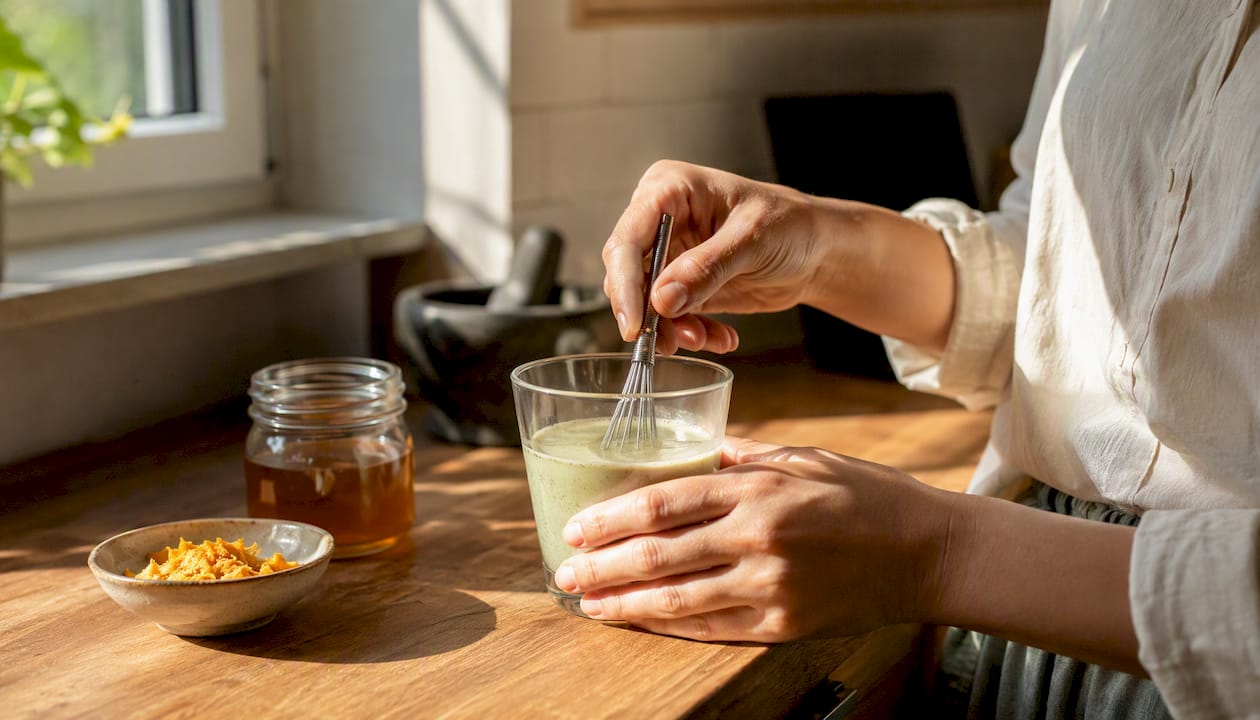
Mix 3–6 g of bhringraj powder (roughly half to one teaspoon) into warm milk, honey, or buttermilk once daily. Traditional practice often pairs it with honey for general use or warm milk at night for calming effects. Buttermilk is the classic anupana (carrier) in many classical formulations and is thought to aid absorption.
Standardized extract tablets or capsules, the form used in the strongest clinical trial, offer a more consistent dose and are a practical choice for anyone who finds the powder’s taste difficult or wants to track dosage precisely. Follow the manufacturer’s recommended dose, which typically falls in the 300–500 mg extract range per serving.
Pro Tip: Combining bhringraj with Amla (Indian gooseberry) powder in a 1:1 ratio is a classical protocol specifically for pigmentation and hair strength. Amla’s high vitamin C content may enhance the absorption of bhringraj’s active compounds and adds its own antioxidant contribution to the mix.
Store bhringraj powder in an airtight container away from direct light and moisture. Fresh, recently dried leaf powder will have a stronger green color and more pungent smell than older stock; both are usable, but fresher powder is generally more potent.
Warning: Always patch-test any new topical preparation on the inner forearm for 24 hours before applying to the scalp. Avoid infusing bhringraj into essential oils alone without a carrier oil base, as concentrated essential oil preparations can cause scalp irritation and contact dermatitis.
Traditional Ayurvedic practice and practitioner-oriented guides consistently cite 3–6 g of whole powder per day as the standard range. Starting at 1–2 g daily for the first two weeks lets you assess tolerance before moving to a full dose. Standardized extract tablets used in clinical trials typically deliver a concentrated equivalent; follow label guidance rather than applying the raw powder dose to extracts.
Consistency matters more than intensity here. Two applications per week for six months will produce more reliable results than daily use for three weeks followed by a gap.
The clinical evidence base is small but not negligible. The most rigorous human data comes from a prospective, open-label 24-week trial of standardized oral Eclipta alba extract tablets in 54 enrolled adults (50 completers). Eighty-four percent of participants reported improvement on a global impression scale. No serious adverse events occurred; mild gastrointestinal symptoms resolved without intervention.
What this trial actually tells you: The effect size is large, but the study was open-label (no placebo control), which means expectation effects cannot be ruled out. It is a meaningful signal, not definitive proof. Larger randomized controlled trials are still needed.
On the mechanistic side, a 2026 pharmacological review synthesizes preclinical and clinical literature confirming that wedelolactone and related coumestans drive antioxidant, hepatoprotective, anti-inflammatory, and hair-growth-promoting activity. The NCBI review (PMC4897414) adds detail on the hepatoprotective phenolic compounds. Preclinical data also suggest possible 5-alpha reductase inhibition (relevant to androgenic thinning) and tyrosinase activation (relevant to melanin production and pigmentation), though neither has been confirmed in adequately powered human trials.
As Healthline notes, much of the broader research remains animal or in vitro. That context matters when evaluating claims beyond hair shedding.
| Study type | Finding | Confidence level |
|---|---|---|
| 24-week open-label human trial (n=54) | Reduction in hair shedding by comb test | Moderate (no placebo control) |
| Preclinical pharmacology | Antioxidant, hepatoprotective, anti-inflammatory activity | Good mechanistic support |
| Small human trials (metabolic) | Possible cholesterol and blood pressure effects | Low (small samples) |
| Preclinical only | 5-alpha reductase inhibition, tyrosinase activation | Preliminary only |
Bhringraj has a favorable safety profile in the available literature, but that does not mean it is risk-free for everyone.
Reported side effects:
Contraindications:
When to stop and seek care: Discontinue use and consult a clinician if you experience persistent nausea, jaundice, unusual fatigue, or worsening of any pre-existing condition after starting bhringraj internally. For topical use, stop immediately if you develop significant scalp redness, swelling, or blistering.
The supplement market for Ayurvedic herbs has a real adulteration problem, and bhringraj is not exempt. Choosing poorly sourced powder means getting less of the active compounds you want and potentially more of what you do not, including heavy metals.
Quality checklist:
Form selection:
For readers who want a complementary systemic supplement alongside bhringraj, pairing it with a well-tested mineral-rich supplement can support the broader wellness goals bhringraj addresses. Shilajit’s Ayurvedic approach to hair growth covers how botanicals like bhringraj work alongside mineral-based supplements in an integrated regimen.
Bhringraj is worth trying, but it works best when it is one part of a coherent routine rather than a standalone cure. The herb’s strongest documented effect is on shedding reduction, and the most sensible approach is a 12-week trial combining topical oil application two to three times per week with a conservative internal dose of 3 g daily. That gives you enough time to see a meaningful signal without committing months to something that may not suit you.
What tends to get overlooked is how much the surrounding habits matter. Bhringraj applied to a scalp that is chronically inflamed from a poor diet or disrupted sleep will produce weaker results than the same herb used alongside adequate protein intake, consistent sleep, and basic scalp hygiene. The herb supports the system; it does not override it.
For patterned hair loss (androgenic alopecia) or sudden, significant shedding, bhringraj is not a substitute for a dermatology evaluation. It may complement whatever treatment a clinician recommends, but trying to manage significant hair loss with herbs alone while avoiding a diagnosis is a common and costly mistake. Use bhringraj as a sensible addition to a well-managed routine, not as a reason to delay getting answers.
Monitoring matters too. Take a baseline photo of your hairline and part width before starting, and repeat at 8 and 16 weeks. Subjective impressions of hair health are notoriously unreliable; a simple photo record keeps you honest about whether something is actually changing. For those interested in how long-term herbal supplementation works in practice, the guidance on taking supplements consistently over 4–8 months applies directly to bhringraj timelines as well.
Bhringraj addresses the scalp and follicular environment. Shilajit works at the cellular level, delivering fulvic acid and over 80 trace minerals that support energy metabolism, antioxidant defense, and systemic vitality. Together, they cover both the local and systemic dimensions of hair and whole-body wellness.
Shilajit’s pure Himalayan Shilajit resin is lab-tested for heavy metals and purity, with certificates of analysis available for every batch. The same quality standard you should demand from your bhringraj powder, applied to a complementary Ayurvedic mineral supplement.
Avoid shilajit while pregnant or breastfeeding. No controlled trials, contamination risk, and one case links use to high blood pressure. Inform your…
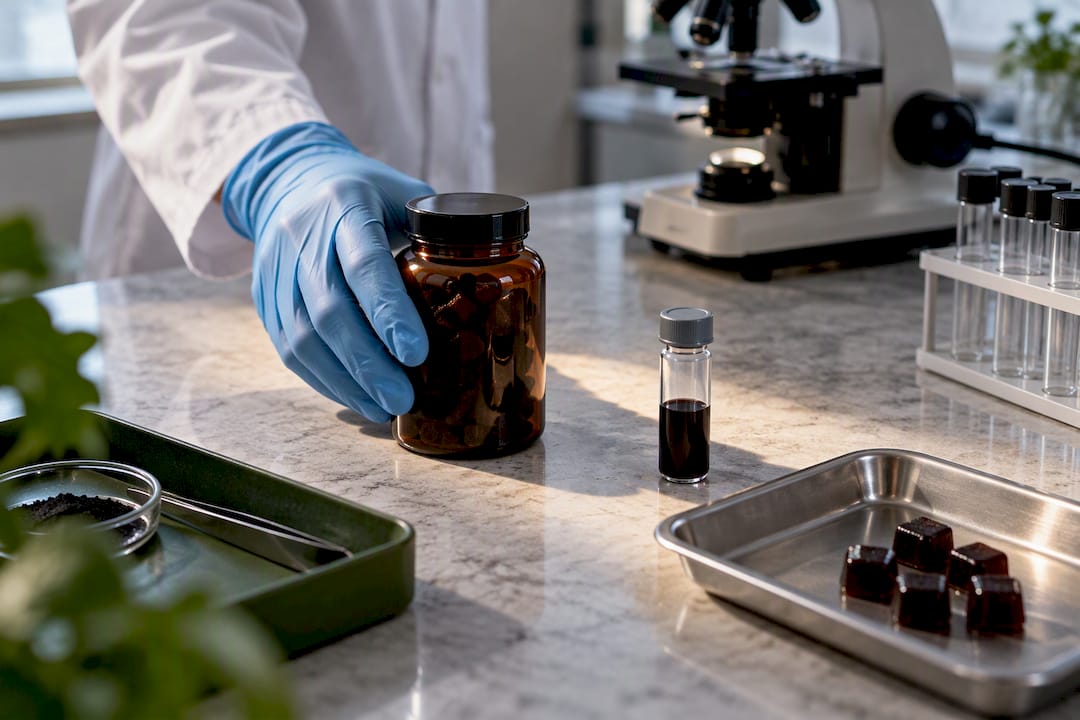
Australia-focused look at shilajit gummies: what human trials actually show, how 500 mg/day dosing compares, and why batch COAs and TGA safety checks matter.