
Uncategorized
Shilajit in Pregnancy: Why Doctors Advise Against It and What to Do
Avoid shilajit while pregnant or breastfeeding. No controlled trials, contamination risk, and one case links use to high blood pressure. Inform your…
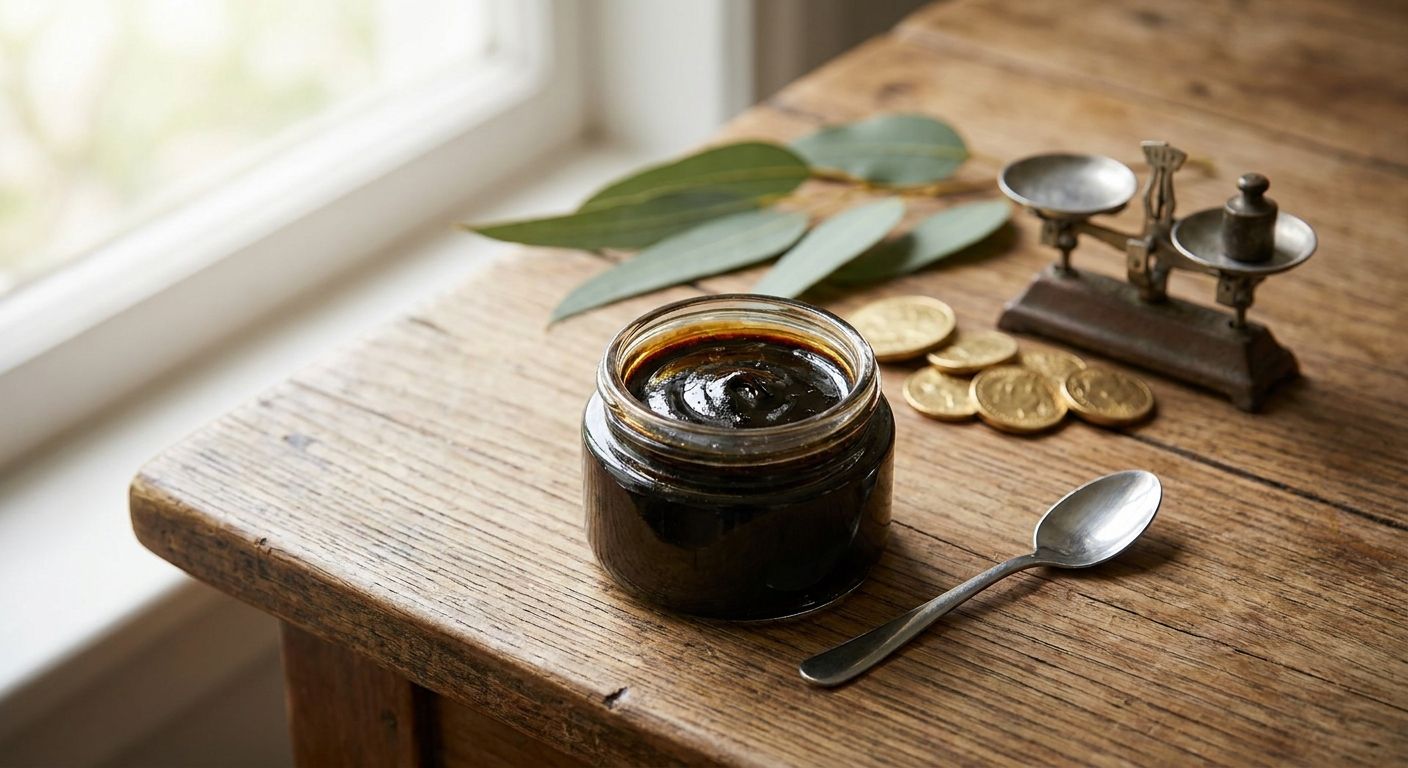
Shilajit price in Australia swings from under $1 a gram to more than $4 a gram depending on format, and most buyers never do the maths before they pay. This guide ranks the formats by real price-per-gram value so you spend on potency, not packaging.
Most Australian shoppers compare shilajit by jar price, not by gram. A $79 jar sounds expensive next to a $29 capsule bottle until you weigh the resin inside and count the actual doses per bottle.
Shilajit resin is priced by weight because that's how the raw material is measured at source in the Himalayas and Altai regions. Capsules, gummies and drops all add manufacturing steps — fillers, binders, flavouring, encapsulation — and each step adds cost without adding potency.
If you're deciding what to buy first, start with choosing the right shilajit supplement for your goals, then use the price-per-gram framework below to pick the format that doesn't waste your money.
Each format below is ranked on cost per gram of usable shilajit, based on typical Australian retail pricing for 2026 and standard daily dosing of 1-2 grams for resin or the label-equivalent dose for other formats. Formats that pack more active material per dollar rank higher; formats that charge a premium for convenience without adding potency rank lower.
This isn't a taste test or a lab panel — it's a cost framework. Purity and fulvic acid content still matter more than price alone, so treat rank position as a starting point, not the final word.
A 30g-50g jar of Himalayan shilajit resin typically lands between $40 and $90 in Australia in 2026, which works out to roughly $1-$2 per gram. At a standard 1-2g daily dose, one jar covers 15-50 days of use.
Resin has the fewest processing steps between the raw material and your jar, which is why it consistently wins on price per gram. For a benchmark on what genuine potency looks like at this price point, check the best shilajit brand for purity and potency before you buy on price alone. Verdict: Buy — this is the format to default to if price per gram is your main filter.
Pre-portioned sachets (typically 1g-3g pouches) run higher per gram than bulk jars, often 20-40% more, because you're paying for individual packaging and portion control. The resin itself is usually the same product.
Sachets solve a real problem — travel, gym bags, avoiding a sticky jar at your desk — but they're not the pick if you're optimising cost. Verdict: Consider if portability outweighs price; Skip if you're buying purely on value.
Capsules bundle resin (or resin extract) into a fixed-dose shell, and that manufacturing step adds cost. A bottle of 60-90 capsules in Australia typically costs more per gram of actual shilajit than an equivalent-weight resin jar, once you account for the filler and shell weight that isn't active material.
Capsules solve dosing consistency and remove the taste and texture some people dislike in resin, which is a genuine benefit for busy schedules — see the comparison at best shilajit capsules in Australia compared. Verdict: Consider for convenience; Hold if price per gram is the deciding factor.
Gummies carry the highest per-unit manufacturing cost of any common shilajit format because of the sugar base, flavouring and gelling agents added around a small dose of active resin. Expect gummies to sit near the top of the price-per-gram range for 2026.
They're the easiest format to take consistently — no taste, no mixing, no capsule to swallow — which is a real reason people stick with them longer than resin. If daily consistency is your bottleneck, that adherence benefit can outweigh the premium. Verdict: Consider for taste-sensitive users; Skip if you're chasing the lowest shilajit price per gram.
Liquid tincture drops concentrate a small amount of resin into a carrier liquid, and the bottling, dropper mechanism and shelf-stability testing push these to the highest price per gram of active material in most Australian ranges.
Drops are fast to dose and easy to travel with, which matters for people who won't otherwise take a supplement daily. As a straight value play, though, they're the weakest format on the list. Verdict: Wait unless portability solves a problem resin and capsules don't.
| Format | Typical price per gram (2026) | Best for | Verdict |
|---|---|---|---|
| Bulk resin jar | $1-$2 | Best overall value | Buy |
| Resin sachets | 20-40% above bulk jar | Travel, portion control | Consider |
| Capsules | Mid-to-high | Consistent dosing | Consider |
| Gummies | High | Taste-sensitive daily users | Consider |
| Tincture drops | Highest | Fast, on-the-go dosing | Wait |
Compare shilajit resin prices now
See current jar sizes and pricing before you buy.
What is a fair shilajit price per gram in Australia in 2026?
Genuine Himalayan resin typically costs $1-$2 per gram in Australia in 2026 when bought in 30g-50g jars. Prices well below this range usually signal diluted or low-purity resin rather than a genuine bargain.
Is resin cheaper than capsules per gram?
Yes, resin is almost always cheaper per gram of active shilajit than capsules. Capsules add filler and shell weight that isn’t active material, which pushes the effective cost per gram higher.
How much shilajit resin do I need per day?
Most labels recommend 1-2 grams of resin per day, roughly the size of a grain of rice to a small pea. At that dose, a 30g jar lasts 15-30 days.
Are gummies worth the extra cost?
Gummies cost more per gram than resin or capsules, but they solve taste and consistency problems for people who won’t otherwise take a daily supplement. The premium is a convenience cost, not a potency upgrade.
Does a higher price always mean better quality shilajit?
No. Price reflects format and processing as much as purity. A resin jar priced fairly for its format can still outrank a pricier capsule bottle on both cost per gram and actual potency.
Why do tincture drops cost more per gram than resin?
Drops carry the highest manufacturing cost of common shilajit formats because of the liquid carrier, dropper bottling and shelf-stability requirements. You’re paying for format convenience, not extra active material.
Should I buy a bigger jar to save on price per gram?
Only if you’ll use it within its shelf life. Buying a 100g jar to save 10-15% per gram is a false economy if half the jar goes unused.
How do I calculate my own shilajit price per gram?
Divide the jar price by the net grams stated on the label, not by the number of servings claimed. This gives you a true per-gram figure you can compare across brands and formats.
Price per gram is only half the equation — two jars at identical shilajit price can differ in usable value if one has double the fulvic acid concentration of the other. Cost per effective dose, not cost per gram alone, is the number that actually tells you what you're paying for.
You have subscribed to our newsletter successfully.

Avoid shilajit while pregnant or breastfeeding. No controlled trials, contamination risk, and one case links use to high blood pressure. Inform your…
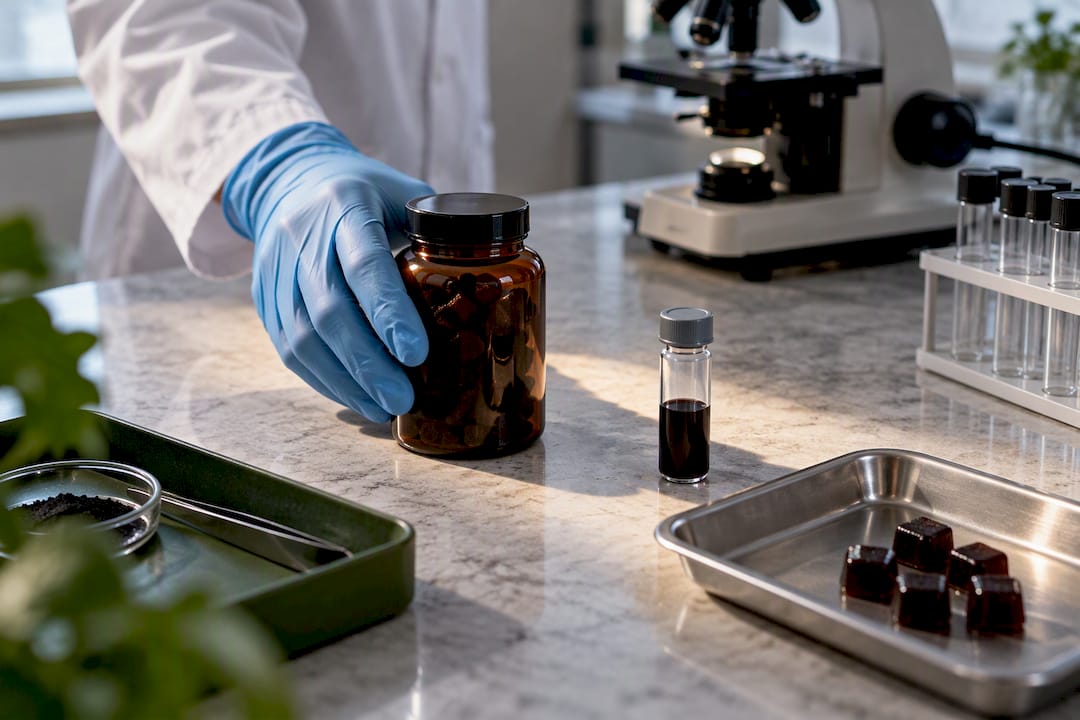
Australia-focused look at shilajit gummies: what human trials actually show, how 500 mg/day dosing compares, and why batch COAs and TGA safety checks matter.

Subscribe to our weekly newsletter and receive exclusive offers you love!!
You have subscribed to our newsletter successfully.