
Uncategorized
Shilajit in Pregnancy: Why Doctors Advise Against It and What to Do
Avoid shilajit while pregnant or breastfeeding. No controlled trials, contamination risk, and one case links use to high blood pressure. Inform your…
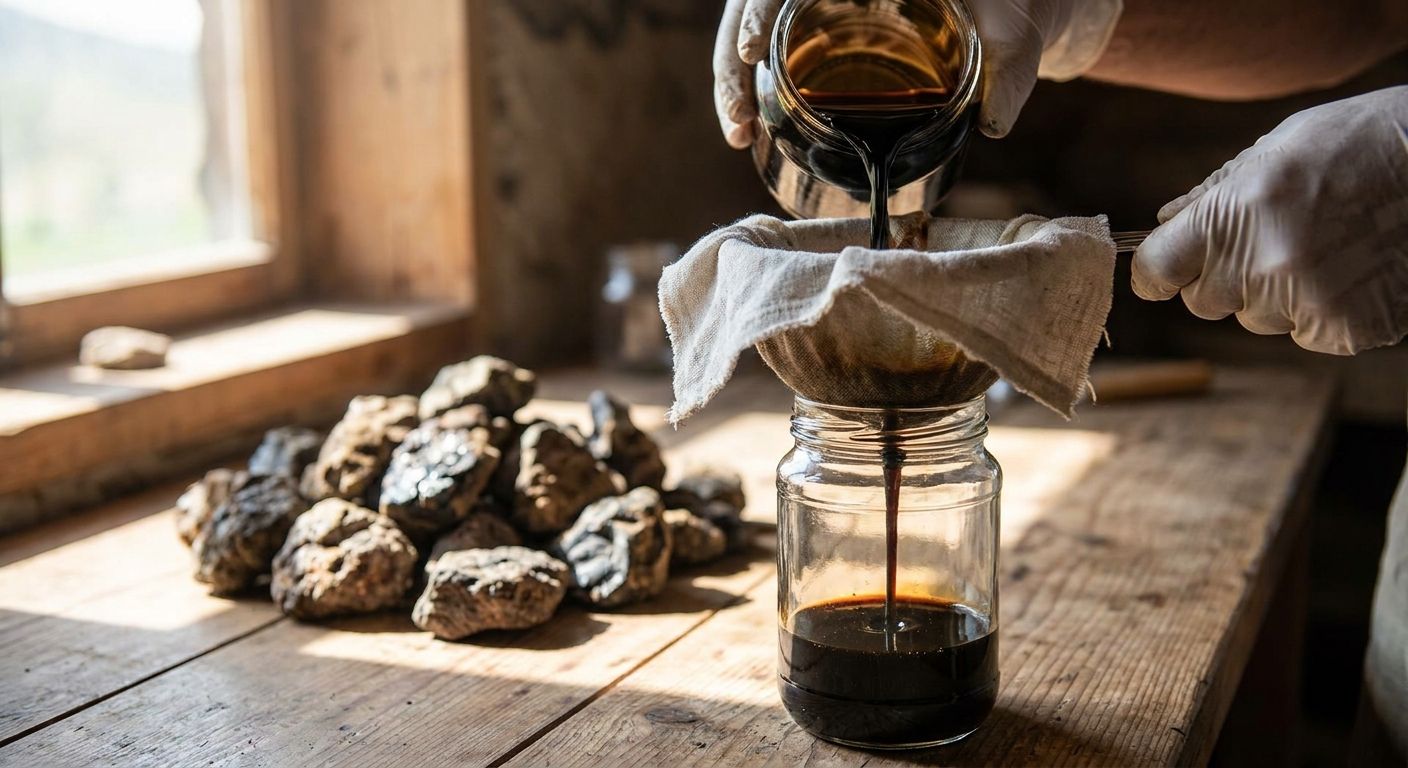
Purified shilajit resin doesn't start out looking like the thick, tar-like paste you scoop with a dosing spoon — it starts as raw mineral pitch scraped off Himalayan rock faces, and getting from rock to jar takes weeks of filtering, heating, and lab verification. This guide walks through exactly what happens in between, and what to check before you trust a jar of purified shilajit.
Raw shilajit straight off a mountainside carries organic debris, microbial load, and trace heavy metals absorbed from the rock itself — none of that belongs in a supplement you're taking daily. Purification strips out the contamination while keeping the fulvic acid, humic acid, and mineral complex intact, which is the entire reason Shilajit Australia sources lab-tested resin rather than unprocessed ore.
Skip this step, or rush it with high heat, and you get a product that either fails a lab test outright or loses the actives that made shilajit worth buying in 2026. The purification process is the real quality line between a genuine resin and a jar of flavoured tar.
If a seller can't answer what temperature their resin was processed at, that's already a red flag worth noting before you look at anything else. Reading up on how to choose quality shilajit resin before you buy saves you from guessing after the fact.
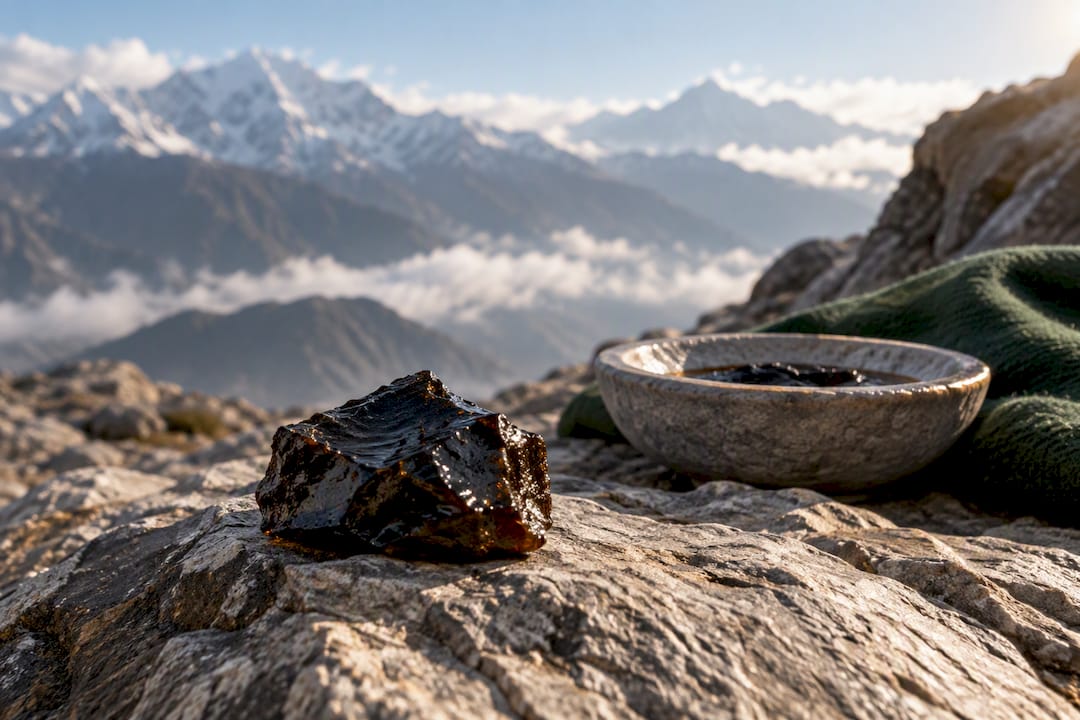
Harvesters collect shilajit as it seeps from rock crevices during warmer months, usually between May and September in the Himalayan range. The raw material looks nothing like the finished resin — it's a dark, semi-solid mass mixed with soil, moss, and mineral debris. Common mistake: buying raw shilajit sold as a finished product — raw resin is a purification input, not something safe to consume as-is.
The raw mass gets dissolved in purified water, which lets heavier mineral compounds settle while lighter plant debris and rock particles float or sink out. This step alone removes a large share of physical contamination before any heat is applied. Common mistake: using untreated or hard water, which reintroduces minerals the process is meant to strip out.
The dissolved solution passes through several layers of cloth filtration, each finer than the last, catching fibrous material and grit. Reputable processors repeat this three to five times rather than filtering once and calling it done. Common mistake: single-pass filtration, which leaves visible sediment in the final resin — a clear giveaway on inspection.
The filtered liquid is slowly reduced through low, controlled heat or extended sun exposure, kept under roughly 45C to protect the fulvic and humic acid compounds that give shilajit its benefit profile. Push the temperature higher to speed things up and you cook off the actives you're trying to concentrate. Common mistake: high-heat flash processing, which produces resin fast but tests low on fulvic acid content.
Most quality processors run the dissolve-filter-evaporate cycle two or three times, not once. Each pass removes more sediment and further concentrates the mineral-fulvic acid complex. This is the stage where processing time stretches from days into weeks. Common mistake: treating one filtration cycle as sufficient — it rarely is for resin destined for daily supplementation.
A finished batch goes to an independent lab for heavy metal screening (lead, arsenic, mercury, cadmium), microbial testing, and a fulvic acid assay. Many labs test against ceilings around 10 ppm for individual heavy metals, though exact thresholds vary by lab and region. Common mistake: trusting a supplier's internal claim of purity with no third-party certificate attached.
The purified resin is portioned into jars or capsules with a batch code tying it back to its lab report. This is the step that lets a buyer in 2026 actually verify what they're taking rather than relying on packaging copy. Common mistake: buying resin with no batch code or test date printed anywhere on the label.
“If shilajit doesn’t dissolve completely in warm water, it hasn’t been purified enough to trust.”
The fix in every case is the same: ask for the certificate of analysis and check the fulvic acid percentage and contaminant results yourself before buying more. Purity and potency testing is the one thing worth verifying above everything else on the label.
Check a lab-tested resin batch
See fulvic acid results and sourcing details before you buy.
Once you've confirmed a batch is genuinely purified, the next practical question is sourcing — not every seller carrying Himalayan shilajit runs the full multi-week process described above. A guide on where to buy shilajit resin in Australia covers what separates a tested supplier from one just repackaging imported resin.
What does purified shilajit mean?
Purified shilajit is raw Himalayan resin that’s been dissolved, filtered, and concentrated under low heat to remove organic debris, heavy metals, and microbial contamination. The process typically takes three to four weeks and ends with a lab certificate confirming fulvic acid content and contaminant levels.
Is purified shilajit safe to take daily?
Purified shilajit that’s passed heavy metal and microbial testing is considered safe for daily use by most adults. Unpurified or poorly processed resin carries risk from residual contamination, which is why a lab certificate matters more than the sourcing story on the label.
How can I tell if shilajit resin has been properly purified?
Drop a pea-sized piece in warm water — properly purified resin dissolves completely within a few minutes with no floating grit. Smell also gives it away: genuine purified resin smells earthy and mineral, not chemical or tar-like.
What temperature is shilajit purified at?
Reputable processors keep purification under roughly 45C. Higher temperatures speed up processing but degrade the fulvic and humic acid content that gives shilajit its benefit profile.
Does purified shilajit contain heavy metals?
Properly purified shilajit tests within safety ceilings, commonly around 10 ppm for individual heavy metals like lead and arsenic. Raw, unpurified resin can carry levels far above that before processing removes them.
How long does it take to purify shilajit resin?
Full purification, including multiple dissolve-and-filter cycles and lab testing, typically takes three to four weeks from raw resin to finished, certified product. Rushed processing in a few days usually signals shortcuts were taken.
Why does purified shilajit cost more than raw shilajit?
The multi-stage filtration, low-heat evaporation, and third-party lab testing all add time and cost that raw, unprocessed resin skips entirely. A low price on resin claiming full purification is worth questioning.
Can shilajit be over-purified?
Yes — excessive heat or repeated processing beyond what’s needed can strip out fulvic acid along with the contaminants. The goal is removing debris and metals while preserving the mineral-fulvic acid complex, not maximum processing.
Most buyers check texture and smell but skip the one test that actually tells you something: the dissolve test. Genuine purified shilajit disappears into warm water within a few minutes with zero residue at the bottom of the glass — resin that leaves grit, film, or undissolved chunks didn't finish the filtration stages described above, no matter what the label claims about being sourced from 2026 harvests or tested for purity.
You have subscribed to our newsletter successfully.

Avoid shilajit while pregnant or breastfeeding. No controlled trials, contamination risk, and one case links use to high blood pressure. Inform your…
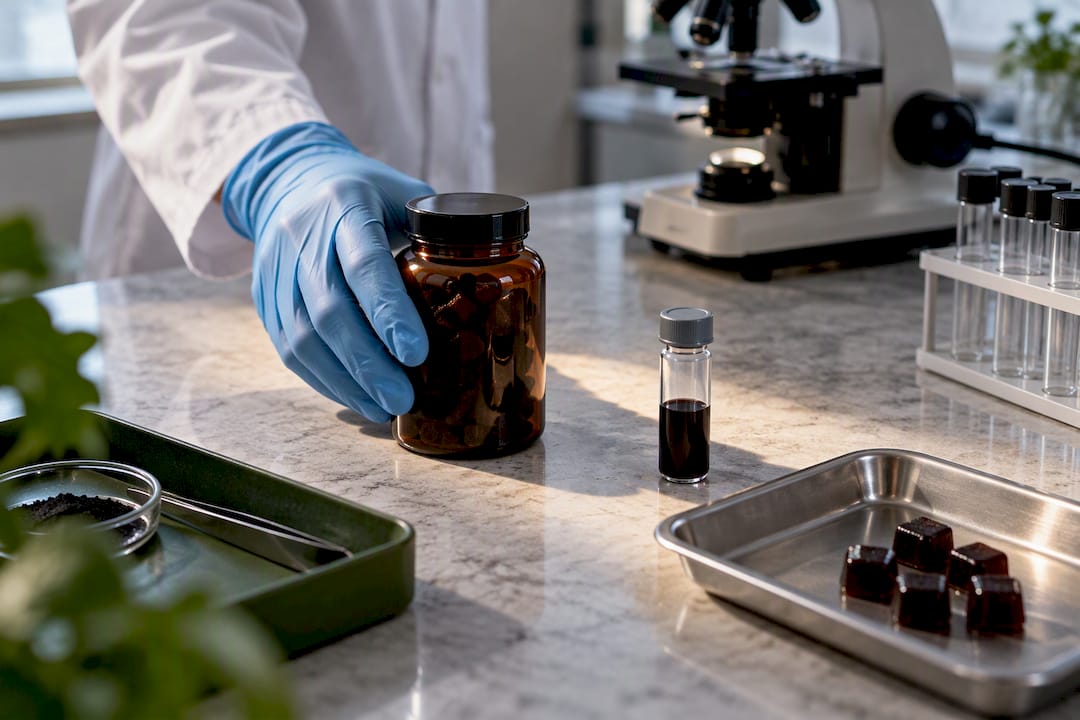
Australia-focused look at shilajit gummies: what human trials actually show, how 500 mg/day dosing compares, and why batch COAs and TGA safety checks matter.

Subscribe to our weekly newsletter and receive exclusive offers you love!!
You have subscribed to our newsletter successfully.