Uncategorized
6 Point Shilajit Lab Report Checklist for Australian Buyers
Verify Shilajit lab reports in Australia with a six point checklist. Spot fake COAs, check lab accreditation, lot match, analytical methods, and LODs.
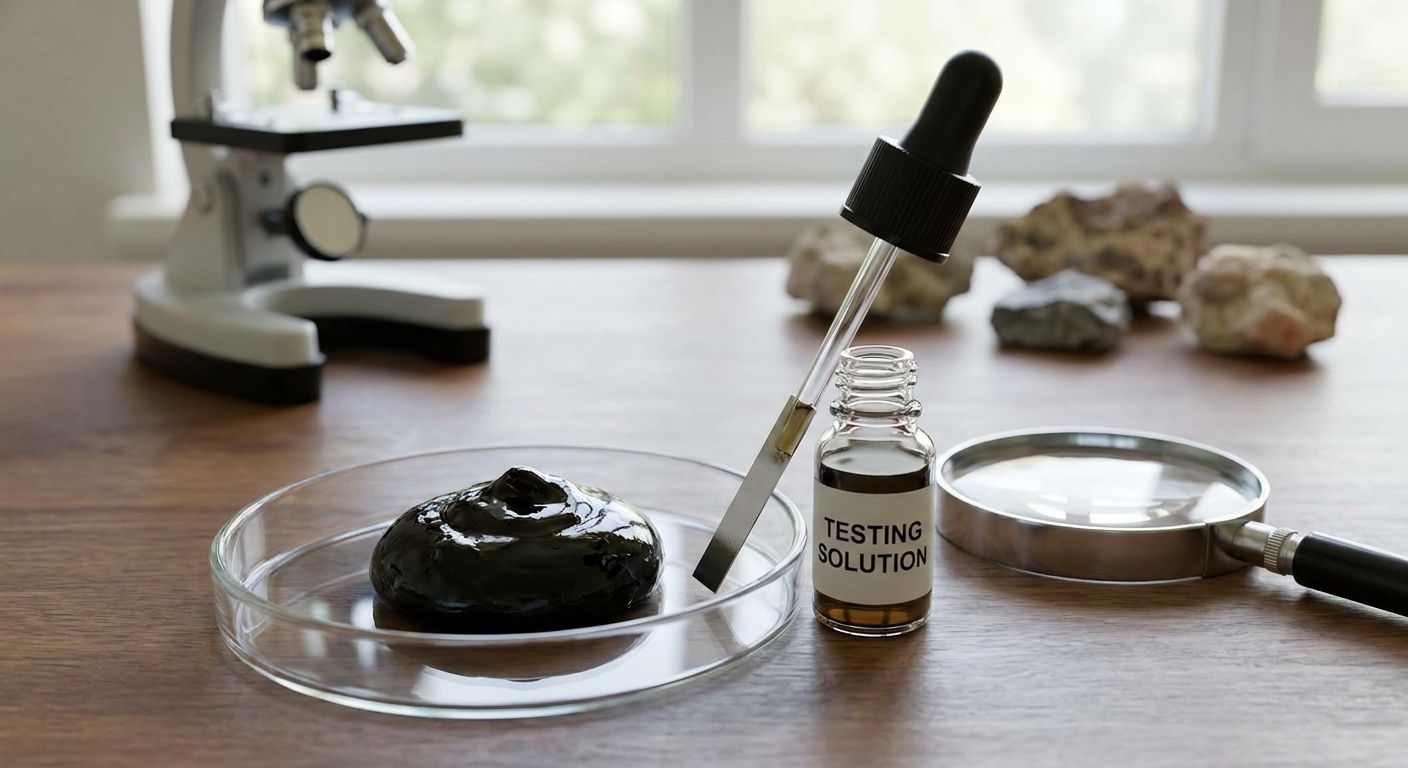
Shilajit resin can carry lead, arsenic, cadmium or mercury if it's harvested and processed without proper purification, and the only way to know for certain is a third-party Certificate of Analysis, not the colour or smell of the resin.
Shilajit forms in mineral-rich rock over centuries, which means it absorbs whatever is in the surrounding soil and water table — including heavy metals when the source rock sits near mining activity or industrial runoff. Raw, unpurified shilajit sold as "pure" online is one of the most common vectors for lead and arsenic exposure in the natural supplement category.
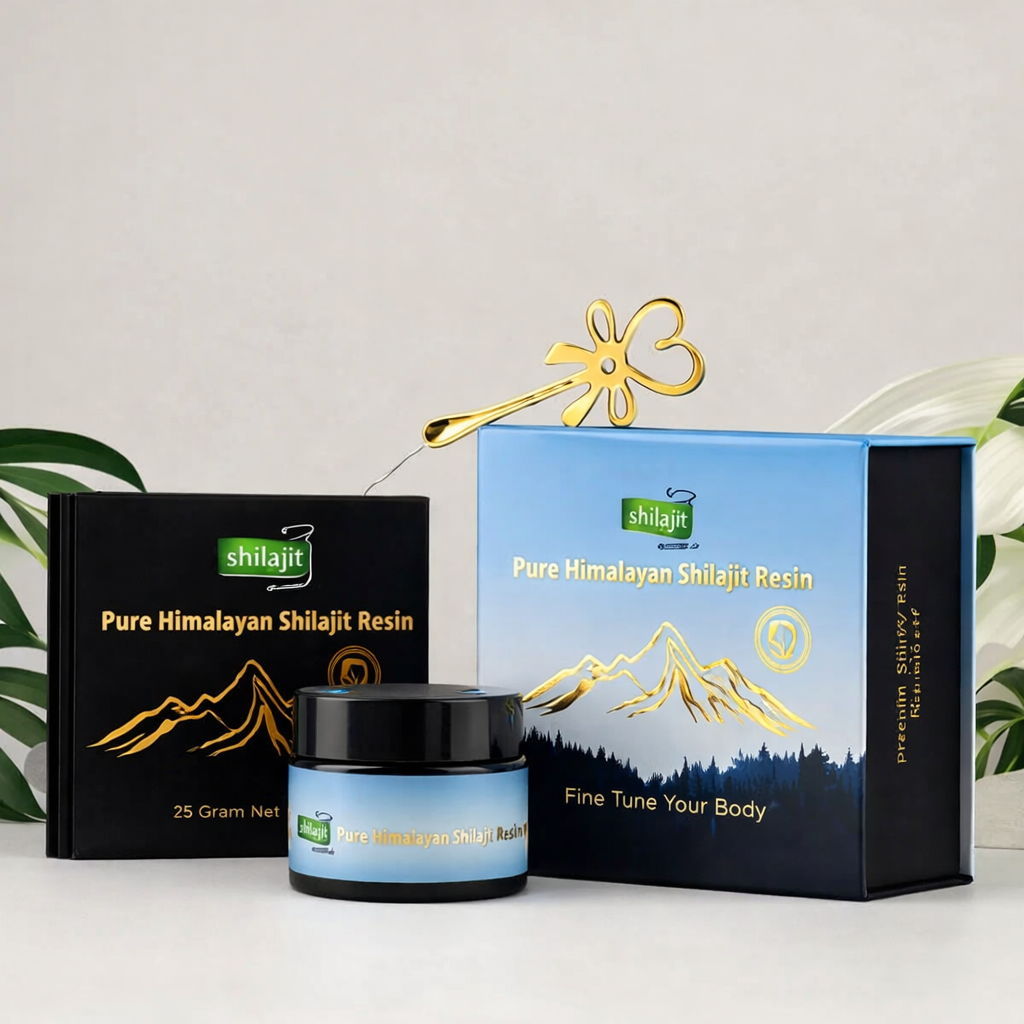
The fix isn't guesswork. It's reading a shilajit lab test certificate the same way you'd read a nutrition label — quickly, but for the numbers that matter. Shilajit Australia's resin goes through a purification process specifically to strip out these contaminants before testing, which is the standard every batch should meet in 2026.
A legitimate seller of shilajit resin in 2026 has third-party lab results on hand, not a promise to "send them later." The COA should list individual readings for lead, arsenic, cadmium and mercury in parts per million (ppm), not a single pass/fail line. If a seller can't produce one on request, that's your answer — walk away.
This is the step most buyers skip, and it's the one that actually matters. A COA from a different batch, or worse, a COA with no batch number at all, tells you nothing about the jar in your hand. Check the number stamped or printed on the packaging against the number on the report before you look at anything else.
Results tested in-house by the brand aren't worthless, but they're not proof either. Look for a named, accredited third-party lab on the COA — a lab you can search and verify exists. If the document only says "tested" with no lab name, treat it as unverified.
Check each metal against the benchmarks most reputable labs test to: lead under 10 ppm, arsenic under 3 ppm, cadmium under 0.3 ppm, mercury under 1 ppm. A result reported as "ND" (not detected) is the best outcome; a number sitting just under the ceiling is technically compliant but worth noting if you're using shilajit resin daily over months.
A COA from eighteen months ago on a jar you're buying today doesn't confirm what's in this batch. Fresh testing, ideally within the current production run, is what you want. Shilajit Australia dates its testing to the batch being sold, which is the standard to hold every seller to.
Drop a pea-sized piece of resin into warm (not boiling) water and stir. Genuine, well-purified shilajit resin dissolves fully within a few minutes, leaving the water a coffee-brown colour with no grit, no floating debris and no oily film. Sediment at the bottom or a residue ring can point to unprocessed rock content or filler — it's not proof of heavy metals on its own, but it's a reason to ask more questions. Read the fuller breakdown on how shilajit resin gets purified before you rely on this test alone.
No COA is available anywhere on the site or on request.
Stop the purchase. In 2026, there is no reason a legitimate shilajit resin seller can't produce third-party test results for the batch you're about to buy.
The COA only lists some metals, not all four.
A report that shows lead but skips arsenic, cadmium or mercury is incomplete. Ask directly which metals were tested and request the full panel before buying.
The batch number doesn't match, or there's no batch number printed at all.
This is a hard stop. Untraceable batches mean the COA could belong to any jar the seller has ever tested, including one that failed.
Numbers are listed without units or without a clear pass threshold.
A reading of "2" means nothing without "ppm" next to it and a stated limit for comparison. Ask the seller to clarify or move on.
The resin leaves visible grit or a film after dissolving in warm water.
This points to incomplete purification, not necessarily heavy metals, but it's a legitimate reason to request updated lab results before continuing to use that jar.
The seller becomes vague or defensive when you ask for testing details.
A brand confident in its purity and potency answers these questions in one message. Hesitation is data too.
Once you've confirmed a batch passes testing, the next decision is which grade and format actually suits your goals. Work through how to choose quality shilajit resin in Australia to compare purity, sourcing and price per gram before you commit to a jar size.
What is shilajit heavy metal testing?
Shilajit heavy metal testing is third-party lab analysis that measures lead, arsenic, cadmium and mercury levels in a resin batch, reported in parts per million on a Certificate of Analysis. It’s the only reliable way to confirm a batch is safe to consume long-term.
What heavy metal levels are considered safe in shilajit resin?
Labs commonly test against lead under 10 ppm, arsenic under 3 ppm, cadmium under 0.3 ppm and mercury under 1 ppm. A result showing "not detected" for any of these is the strongest outcome you can see on a COA.
How do I know if my shilajit resin has been lab tested?
Ask the seller directly for a Certificate of Analysis matching the batch number on your jar. If they can produce a dated, named-lab report with individual metal readings, the resin has been properly tested.
Is raw, unprocessed shilajit dangerous?
Raw shilajit scraped directly from rock without purification can carry unprocessed mineral debris and elevated heavy metal content. Purification specifically targets removal of these contaminants, which is why processed, tested resin is the safer choice in 2026.
Can I test shilajit resin for heavy metals at home?
No home test reliably measures lead, arsenic, cadmium or mercury at the ppm level. A solubility check in warm water can flag grit or residue as a secondary signal, but lab testing is the only method that confirms actual metal content.
Does dissolving shilajit resin in water prove it’s contaminant-free?
No. Full dissolution with no grit is a positive sign of proper purification, but it says nothing about specific heavy metal levels. Only a Certificate of Analysis confirms that.
Why does the batch number on a shilajit COA matter?
The batch number ties the lab results to the exact jar you’re buying. Without a matching number, the COA could belong to a different production run entirely, including one that never shipped.
Is Shilajit Australia’s resin tested for heavy metals?
Shilajit Australia tests its resin against lead, arsenic, cadmium and mercury benchmarks before it ships, with results tied to the batch being sold. Ask for the current COA for the jar you’re ordering.
The number that trips up most buyers isn't the metal reading itself — it's the missing batch number. A COA with clean results but no way to tie it to the jar in front of you is worth exactly nothing, and that single check takes ten seconds once you know to look for it.
Verify Shilajit lab reports in Australia with a six point checklist. Spot fake COAs, check lab accreditation, lot match, analytical methods, and LODs.
Learn to pick pure shilajit by reading the batch COA. Check fulvic acid range, named lab method, numeric heavy-metal results, and harvest altitude.