Uncategorized
Shilajit in Pregnancy: Why Doctors Advise Against It and What to Do
Avoid shilajit while pregnant or breastfeeding. No controlled trials, contamination risk, and one case links use to high blood pressure. Inform your…


If you take away one thing, take this: recovery is won or lost on total energy, distributed protein, and timely carbohydrate and fluid replacement, and supplements only earn their spot once those foundations are already in place. A handful of supplements have real evidence behind them for muscle and injury recovery. Most don’t.
The highest-impact moves, in order of what actually changes outcomes:
The verdict: food first, timing second, supplements third, and quality control on every bottle you open. Skip any of the first two and no supplement stack will make up the difference.
Recovery outcomes depend far more on distributed protein, carbohydrate timing, and hydration discipline than on any single supplement you can buy.
| Point | Details |
|---|---|
| Protein distribution beats protein timing | Aim for 20 to 40 grams every 3 hours rather than one large post-workout dose. |
| Carbohydrate timing depends on turnaround | Rapid refeed matters most when your next session is under 24 hours away. |
| Rehydrate above 100% of losses | Replace fluid above sweat loss, adding electrolytes for heavy or hot sessions. |
| Rank supplements by evidence, not marketing | Creatine, omega-3, and curcumin with piperine carry the strongest support; treat newer adjuncts cautiously. |
| Third-party testing is non-optional for safety | Look for NSF, Informed Sport, or ConsumerLab verification before buying anything. |
| Shilajit fits as a tested adjunct, not a foundation | Pure, batch-tested Shilajit resin can layer onto solid macronutrient habits once those are already in place. |
Recovery is a physiological project with four jobs: refill glycogen, rebuild muscle protein, replace fluid, and control inflammation enough to let tissue repair happen. None of those jobs get done by a capsule alone. They get done by calories, carbohydrate, protein, and water arriving in the right amounts at the right times, with supplements layered on top.
A narrative review of post-exercise recovery nutrition backs this up directly: carbohydrate intake drives glycogen replenishment while protein accelerates muscle repair, and the two work better together than either does alone, particularly when the next training session or competition is less than 24 hours away. That single finding reframes how most people think about “recovery supplements.” The supplement conversation is really a food-timing conversation that a few extras can support.
Sleep matters just as much, arguably more. Behavioral consistency around bedtime and wake time tends to produce steadier, more durable recovery gains than any single pill, according to sleep-specific clinical guidance from Harvard Health. Practitioners who work with athletes report something similar from the ground: most people who feel undertrained on recovery are missing basic energy adequacy and protein distribution, not some exotic ingredient, per functional food and recovery nutrition research.
That leads to a short but useful list of what actually moves recovery outcomes:
Supplements slot in after these five are handled, not before.
Numbers help here, because vague advice like “eat enough protein” doesn’t tell you what to actually put on your plate. The evidence points to specific ranges depending on your training type and recovery window.
Protein targets differ by athlete type. Endurance athletes generally do well around 1.2 to 1.6 grams per kilogram of body weight daily, while strength and power athletes trend higher, often 1.6 to 2.2 grams per kilogram, especially during heavy blocks or when recovering from soft-tissue damage. The practical version of that number matters more than the daily total: aim for 20 to 40 grams per meal, spaced roughly every three hours. That distribution pattern supports steady amino acid availability for muscle remodeling and helps limit muscle loss during periods of reduced training or immobilization, a pattern documented in the International Society of Sports Nutrition’s position stand on nutrient timing.
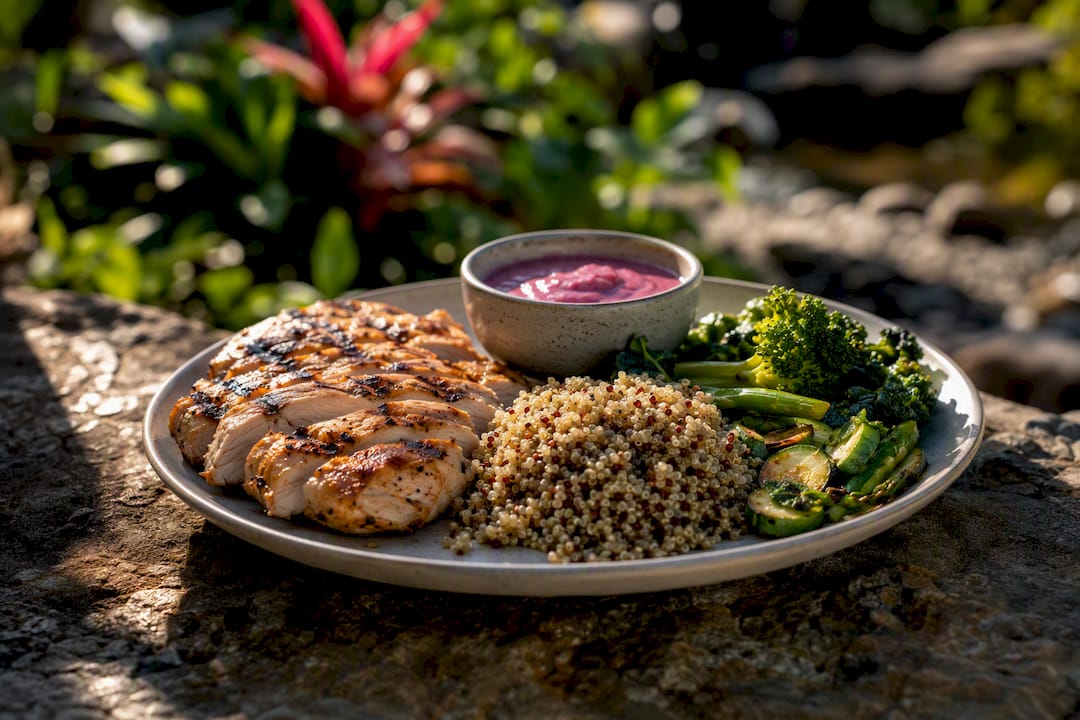
Carbohydrate needs scale with how depleted you are and how fast you need to bounce back. A practical clinical rule of thumb calls for roughly 0.5 grams of carbohydrate per pound of body weight within two hours post-exercise when glycogen restoration needs to happen quickly. If you’re training twice a day or competing on back-to-back days, that number can climb toward more aggressive refeeding protocols, sometimes 8 to 10 grams per kilogram over 24 hours for full glycogen saturation. If your next hard session is 48 hours out, the timing pressure eases considerably.
Add electrolytes, particularly sodium, when sweat loss is heavy, sessions run long, or you’re training in heat. Skipping this step is one of the most common reasons athletes feel flat the next day despite eating “enough.”
| Nutrient | Target Amount | Timing |
|---|---|---|
| Protein per meal | 20 to 40 grams | Every 3 hours, including a dose 1 hour post-exercise |
| Carbohydrate (rapid refeed) | ~0.5 g per lb bodyweight | Within 2 hours post-exercise |
| Carbohydrate (24-hour saturation) | 8 to 10 g per kg | Spread across the day when back-to-back sessions are close |
| Fluid replacement | above sweat loss | Over the hours following exercise, with electrolytes if sweat loss is heavy |
Pro Tip: If you’re juggling physical therapy sessions alongside training, anchor one protein dose right after therapy and another right before bed. A pre-sleep protein dose, roughly 30 to 40 grams of a slow-digesting source like casein or a mixed meal, helps limit overnight muscle breakdown during periods when you’re moving less than usual.
None of this requires precision to the gram. It requires consistency: hitting the range most days, most meals, without obsessing over exact numbers.
Supplements for muscle recovery fall into a rough hierarchy of evidence, and it’s worth knowing where each one sits before you spend money on it. Some have decades of trial data behind them. Others have promising mechanisms and thinner human evidence. Treat them accordingly.
Protein supplements (whey, milk, or plant-based) and EAAs/BCAAs carry the strongest evidence in this entire category. A meta-analysis of post-exercise fatigue recovery found that immediate protein and carbohydrate supplementation significantly improved muscle recovery and glycogen recovery compared with delayed intake. Whey digests fast and carries a complete amino acid profile; milk protein and plant blends (pea, rice, soy combinations) work nearly as well when total daily protein and leucine content are matched. Dose: 20 to 40 grams post-exercise or per meal. Onset: measurable within hours for muscle protein synthesis, cumulative benefits over days to weeks. Safety: generally very well tolerated, though some plant blends run lower in leucine and may need slightly larger servings to match whey’s effect.
Creatine monohydrate is the most researched supplement in sports nutrition, full stop. It supports faster phosphocreatine resynthesis, which translates to better strength recovery between sessions and, in some populations, protection against muscle loss during immobilization. Standard protocol: a loading phase of 20 grams daily split into four doses for 5 to 7 days, followed by 3 to 5 grams daily for maintenance. Onset: strength and recovery benefits typically emerge within one to two weeks. Safety: well-tolerated in healthy adults; people with pre-existing kidney disease should talk to a clinician before starting.
Omega-3 (EPA/DHA) supplements help manage exercise-induced inflammation, according to research on functional foods and recovery nutrition, which grouped omega-3s alongside curcumin and tart cherry as anti-inflammatory aids with genuine supporting data. Typical dosing runs 1 to 3 grams combined EPA/DHA daily. Onset is slow. Cumulative anti-inflammatory effects generally take days to weeks of consistent use to show up, not a single dose before a workout. Safety: mild GI upset is the most common side effect; high doses can thin blood slightly, which matters if you’re already on anticoagulants.
Curcumin (turmeric extract), ideally formulated with piperine for bioavailability, shows real promise for cutting perceived soreness and inflammation markers after hard training. The same functional foods review found curcumin’s benefit is meaningfully larger when piperine is included, since curcumin alone is poorly absorbed. Typical dosing sits around 500 to 1,000 milligrams of curcumin daily, taken with 5 to 10 milligrams of piperine. Onset: similar to omega-3s, expect days to weeks for cumulative effect rather than immediate relief. Safety: curcumin can interact with blood thinners and may upset a sensitive stomach at higher doses.
Collagen peptides have moderate evidence, mostly centered on connective tissue and joint support rather than muscle protein synthesis directly. Some trials pair collagen with vitamin C intake around 30 to 60 minutes before loading exercise, on the theory that vitamin C supports collagen synthesis. Dose: typically 10 to 15 grams daily. Evidence strength here is moderate, not strong, and results are more consistent for tendon and joint complaints than for muscle repair.
Magnesium and electrolyte formulations address cramping, sleep quality, and general recovery capacity, especially in athletes training in heat or losing large sweat volumes. Evidence is moderate for magnesium’s role in muscle relaxation and sleep quality; it’s stronger and more direct for electrolytes replacing measured sweat losses. Typical magnesium dosing runs 200 to 400 milligrams daily, generally in the evening.
Vitamin D supports muscle function and bone health, and deficiency is common enough in indoor and winter athletes that testing is worthwhile. Typical maintenance doses run 1,000 to 2,000 IU daily, with higher therapeutic doses reserved for diagnosed deficiency under medical supervision. Evidence strength for general recovery is moderate; it’s much stronger specifically for athletes with confirmed low vitamin D status.
Vitamin C, A, and E matter most in wound-healing and injury contexts rather than routine training recovery, covered in more detail in the injury section below.
Situational aids worth a mention: sodium bicarbonate and caffeine both have supporting data for performance and perceived fatigue, but they’re tools for specific scenarios (high-intensity repeated efforts, early-morning sessions) rather than daily recovery staples.
| Supplement | Evidence Strength | Usual Dose & Timing | Onset |
|---|---|---|---|
| Protein / EAAs | Strong | 20 to 40 g per meal, every 3 hours | Hours (acute), weeks (cumulative) |
| Creatine monohydrate | Strong | 20 g/day loading (5 to 7 days), then 3 to 5 g/day | 1 to 2 weeks |
| Omega-3 (EPA/DHA) | Moderate to strong | 1 to 3 g combined EPA/DHA daily | Days to weeks |
| Curcumin + piperine | Moderate | 500 to 1,000 mg curcumin with 5 to 10 mg piperine | Days to weeks |
| Collagen peptides | Moderate | 10 to 15 g daily, often with vitamin C | Weeks |
| Magnesium | Moderate | 200 to 400 mg daily, evening | Days to weeks |
| Vitamin D | Moderate (strong if deficient) | 1,000 to 2,000 IU daily maintenance | Weeks |
Anti-inflammatory supplements like curcumin and omega-3s aren’t quick fixes. Research on functional foods for recovery confirms cumulative benefits typically take days to weeks of consistent use to show up, which is a different promise than the instant relief marketing sometimes implies. If athletes face drug testing, third-party certification is the only practical safety check available, since label claims alone are not sufficient given how limited regulatory oversight is compared with pharmaceuticals.
Timing questions usually boil down to one nuance: does it matter if you eat within 30 minutes of finishing your workout, or is that mostly marketing? The honest answer is “it depends on how fast you need to bounce back.” The International Society of Sports Nutrition’s position on nutrient timing makes the distinction clear: immediate carbohydrate and protein intake matters most when rapid glycogen restoration is required, such as same-day double sessions or tournament play. When your next hard session is 48 hours away and your daily totals are solid, the so-called anabolic window loosens considerably.
Here’s a practical checklist depending on your situation:
Immediate (within 2 hours post-exercise):
Short-term (within 24 hours):
Long-term (weeks to months):
A sample day for a strength athlete training in the evening might look like: protein-rich breakfast with 30 grams protein, a lunch with another 30 grams plus moderate carbohydrate, a pre-training snack with fast carbohydrate, a post-training shake with 30 to 40 grams protein and carbohydrate, and a casein-based or whole-food protein source before bed. Someone in rehab following a knee surgery follows a similar spacing but shifts total calories toward maintenance (since training volume is lower) while keeping protein just as high, sometimes higher, to protect lean mass during limited mobility.
Endurance athletes tend to prioritize carbohydrate timing more aggressively around long sessions, while strength athletes lean more on protein distribution and creatine consistency. Both groups benefit equally from fluid replacement discipline.
Pro Tip: Set a recurring phone reminder every 3 hours during a heavy training day. It sounds unnecessary until you realize most people’s protein intake is lopsided toward dinner, leaving 8 to 10 hours overnight with nothing circulating.
The supplement aisle has no shortage of confident claims and almost no shortage of gaps between what a label says and what’s actually in the bottle. Third-party testing exists precisely to close that gap.
Look for products certified by NSF Certified for Sport, Informed Sport or Informed Choice, or products independently reviewed by ConsumerLab. In Australia, products should also meet TGA compliance where applicable, and ingredient-level standards like USP verification add another layer of confidence. These programs test for contamination, verify label accuracy, and, for NSF and Informed Sport specifically, screen for substances banned in competitive sport.
Red flags worth walking away from:
Common interactions worth knowing: curcumin can interact with blood-thinning medications, creatine warrants caution in anyone with existing kidney disease, and high-dose omega-3s can mildly increase bleeding risk when combined with anticoagulants. If you’re on prescription medication, recovering from surgery, or managing a chronic condition, loop in a doctor or registered dietitian before adding anything new.
Third-party certification isn’t a bureaucratic checkbox. It’s the only real safeguard between what a label promises and what a product actually contains, especially for anyone facing drug testing or managing a health condition where contamination carries real consequences.
Reading a lab report is simpler than it sounds: check that the COA matches the specific batch or lot number on your product, confirm the tested ingredients match what’s on the label, and look for a named, accredited lab rather than an in-house claim. Programs like independent product testing and quality verification exist specifically to give buyers that batch-level transparency.
Pro Tip: Search the product name plus “COA” before you buy. If you can’t find a batch-specific lab report within two minutes, that’s usually a sign the company doesn’t prioritize the kind of testing that protects you.
Everything changes slightly once you’re dealing with an injury, a cast, or a surgical recovery, mostly because the body’s energy math shifts even as its protein needs go up.
Energy balance becomes trickier during immobilization. People often eat less because they’re moving less and appetite drops, but total energy needs don’t fall as fast as movement does, especially with tissue actively rebuilding. Unintentional weight loss during recovery is a real risk, and it works against healing rather than helping it. The goal is maintaining energy balance, not cutting calories just because training stopped.
Protein needs go up, not down, during immobilization. Practical guidance for rehabilitation nutrition points toward higher protein intake with even distribution across the day specifically to protect lean mass while movement is limited, a pattern confirmed in practical rehabilitation nutrition strategies for injured athletes. That generally means staying at the higher end of the 1.6 to 2.2 gram per kilogram range, split into 20 to 40 gram doses roughly every three hours, even on days with zero training.
Wound-healing micronutrients matter more here than in routine training recovery. Vitamin C supports collagen synthesis directly, vitamin A plays a role in epithelial repair, and vitamin E has antioxidant properties relevant to tissue recovery. Evidence for high-dose supplementation beyond correcting a deficiency is limited. A standard multivitamin covering the recommended daily intake of these three is a reasonable, low-risk choice for most people healing from injury or surgery; megadosing without a documented deficiency isn’t well supported and carries its own risks, particularly with fat-soluble vitamins A and E.
A short rehab checklist:
Pro Tip: If a cast or brace is limiting food prep, batch-cook protein sources ahead of time. Appetite dips during immobilization are common, and having ready-to-eat protein removes the biggest barrier: effort.
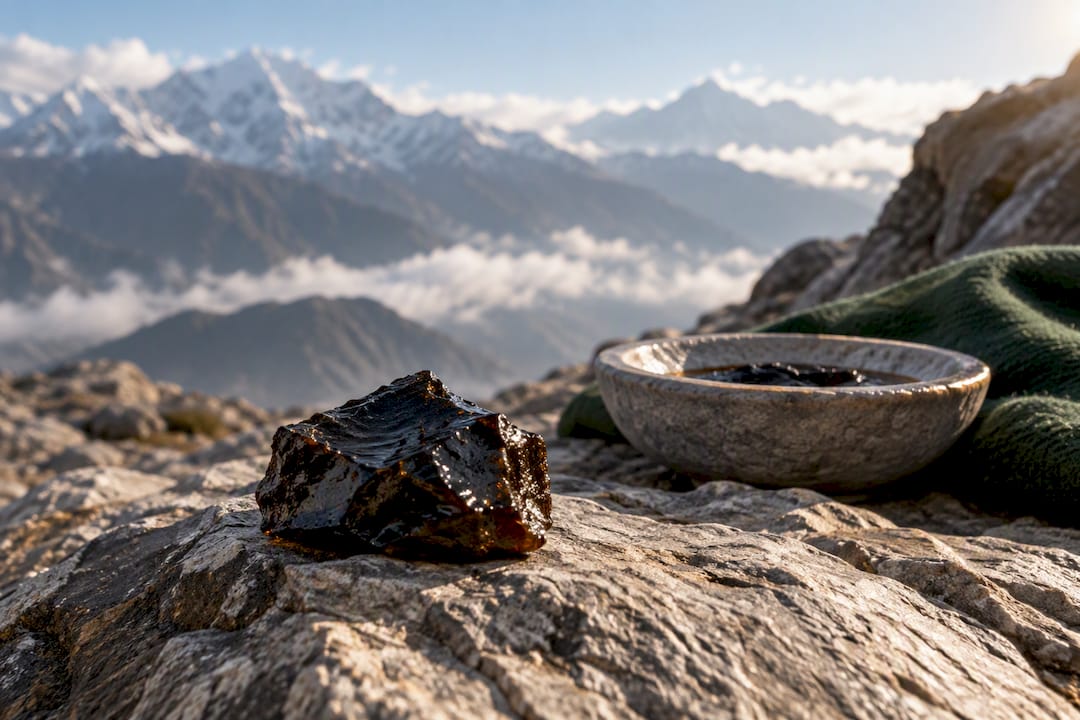
Shilajit is a mineral-rich resin that forms over centuries in high-altitude Himalayan rock layers, traditionally used in Ayurvedic practice and valued for its fulvic acid content and broad mineral profile. The hypothesized mechanisms relevant to recovery center on fulvic acid’s role as a carrier compound that may support mineral absorption and cellular energy processes, alongside trace minerals that support general physiological function. This is worth saying plainly: Shilajit doesn’t carry the same volume of controlled human trials that creatine or protein supplementation does, so it belongs in the “adjunct” category, not the “proven recovery supplement” category.

What separates a reliable Shilajit product from a questionable one comes down to the same quality markers that matter across the entire supplement category: batch-specific Certificates of Analysis, testing for heavy metals (a genuine concern with unprocessed resin sourced from mineral-rich rock), and transparent sourcing information. A product page should show you lab results, not just marketing copy. Details on how purity testing and mineral sourcing work in practice are worth reading before you buy any resin product, from any brand.
Typical usage guidance calls for a small pea-sized amount, usually 300 to 500 milligrams, dissolved in warm water or milk, once daily. As with the anti-inflammatory supplements discussed earlier, expect any noticeable effect on energy or resilience to build over consistent use rather than appear overnight.
Shilajit is an adjunct to macronutrient adequacy and rehab therapy, not a substitute for either. Anyone pregnant, recovering from recent surgery, managing a chronic condition, or taking regular medication should talk to a clinician before adding it, since mineral-rich supplements can interact with certain treatments.
Pro Tip: Treat any new adjunct supplement, Shilajit included, as the last piece you add once protein distribution, carbohydrate timing, and sleep are already consistent. Adding it earlier just makes it harder to tell what’s actually working.
The pattern that actually works, in my experience helping athletes and weekend warriors sort through this, is boring and that’s exactly why it works: protein every three hours without fail, carbohydrate scaled to how hard the session actually was, and two or three supplements chosen for evidence rather than hype.
A workable routine looks like this: breakfast and lunch anchor 30 grams of protein each, a post-training shake covers another 30 to 40 grams with carbohydrate, dinner covers the fourth dose, and a slow-digesting protein source closes out the night. Creatine gets taken daily, no exceptions, and omega-3 or curcumin gets taken with a meal for absorption. Any adjunct, including something like Shilajit, comes after those pieces are locked in, not before.
Progress gets measured simply: soreness duration, sleep quality, and whether strength numbers are trending up week over week. If any of those stall, the fix is almost always in the foundation, not in reaching for a new bottle.
Once your protein, carbohydrate, and hydration habits are dialed in, a pure, lab-tested Shilajit resin can be a reasonable next addition for supporting energy and general resilience during heavy training blocks or rehab. It’s not a replacement for the macronutrient work covered above. It’s a natural extra layer once that work is already happening. Join Shilajit Australia on Instagram for expert insights, product education and authentic resin information.

Every batch sold through Shilajit Australia comes with purity testing and batch-specific documentation, so you’re not guessing about what’s actually in the resin you’re taking. That transparency matters more with a mineral-rich raw resin than with most manufactured supplements, since sourcing quality varies widely across the category. If you want to see what that documentation looks like before buying, the 50 grams pure Shilajit resin product page lays out sourcing details and lab results alongside usage guidance. Start with a small daily dose dissolved in warm water, track how you feel over a few weeks, and adjust from there.
What is the single most important recovery nutrition supplement best practice?
Distribute protein across the day in 20 to 40 gram doses roughly every three hours. This single habit supports muscle repair more consistently than any individual supplement.
Do I need supplements at all if my diet is solid?
Not necessarily. A functional foods review found that most recovery gaps trace back to inadequate energy or protein distribution rather than a missing supplement. Supplements help most once those basics are already covered.
How fast should I eat after a workout?
Within two hours if your next session is under 24 hours away, since immediate protein and carbohydrate intake improves glycogen and muscle recovery in that scenario. If you have 48 hours or more before the next hard session, the exact timing matters far less.
Is Shilajit backed by the same evidence as creatine or protein?
No. Creatine and protein have decades of controlled trials behind them. Shilajit’s evidence base is thinner and centers on traditional use and its fulvic acid and mineral content, which makes it reasonable as an adjunct rather than a core recovery supplement.
How do I know a supplement is actually safe to take?
Check for third-party certification such as NSF Certified for Sport, Informed Sport, or a ConsumerLab review, and look for a batch-specific Certificate of Analysis on the product page before buying.
Avoid shilajit while pregnant or breastfeeding. No controlled trials, contamination risk, and one case links use to high blood pressure. Inform your…
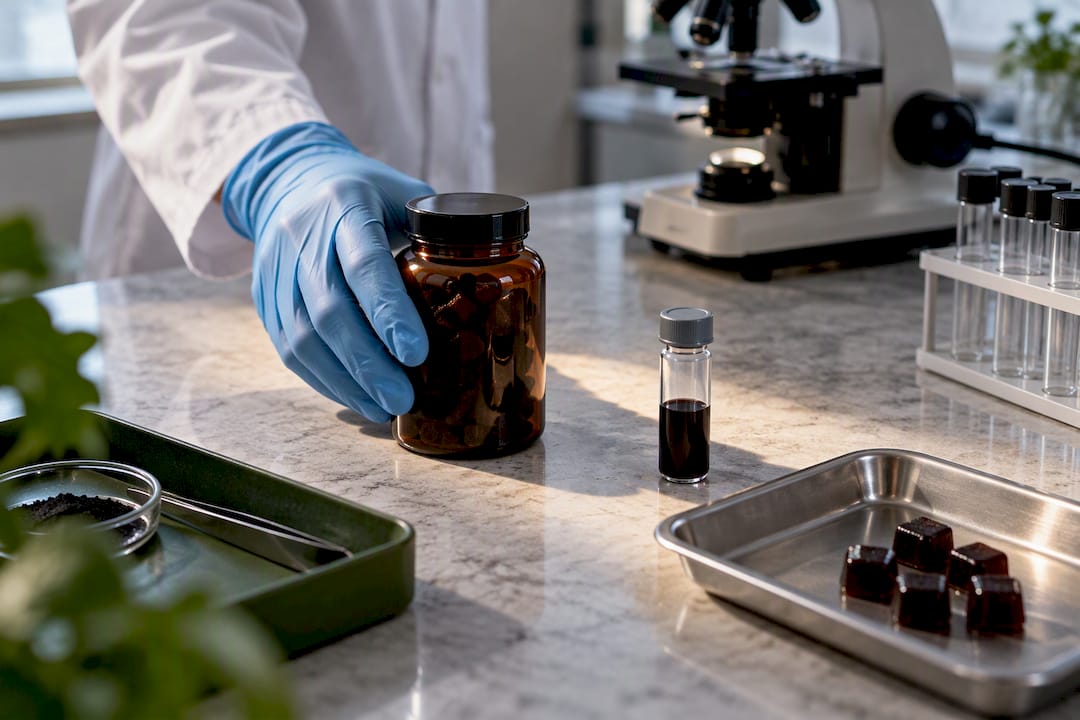
Australia-focused look at shilajit gummies: what human trials actually show, how 500 mg/day dosing compares, and why batch COAs and TGA safety checks matter.