Uncategorized
Shilajit in Pregnancy: Why Doctors Advise Against It and What to Do
Avoid shilajit while pregnant or breastfeeding. No controlled trials, contamination risk, and one case links use to high blood pressure. Inform your…

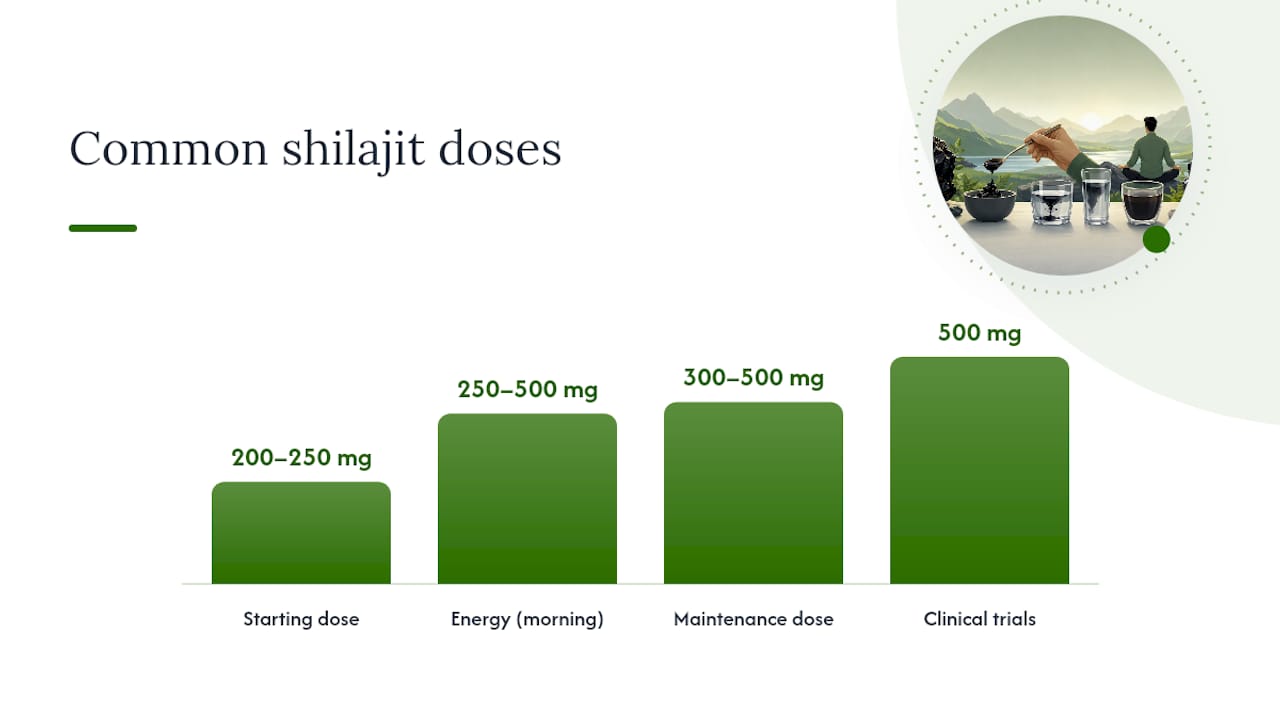
For most healthy adults, the target is 250–500 mg per day of a purified shilajit extract, taken once in the morning or split into two doses. Start at 200–250 mg/day for one to two weeks before moving up. If you’re on medication, pregnant, or breastfeeding, talk to your doctor first, and only ever buy shilajit that comes with a third-party Certificate of Analysis (COA) confirming it’s free of heavy metals.
Pro Tip: If you forget whether you took your morning dose, skip the guesswork and just wait until tomorrow. Doubling up isn’t dangerous at typical doses, but it defeats the point of steady, predictable dosing.
Effective shilajit dosing depends on starting low, verifying third-party lab testing, and sustaining a 250–500 mg/day range for at least eight weeks before judging results.
| Point | Details |
|---|---|
| Start conservative | Begin at 200–250 mg/day for 1–2 weeks before increasing to your target range. |
| Target maintenance range | Most adults do well at 250–500 mg/day, split into two doses if pursuing hormonal goals. |
| Give it time | Energy effects may appear in weeks; strength and hormonal changes take 8–12 weeks to show up. |
| Verify before buying | Only choose products with a batch-specific COA testing for heavy metals. |
| Shilajit’s approach | Shilajit’s Himalayan resin ships with lab-verified COAs matching the purity checklist in this guide. |
Shilajit is a mineral-rich resin that forms slowly in high-altitude rock crevices, packed with fulvic acids, dibenzo-α-pyrones (DBPs), trace minerals, and organic plant matter. Its exact makeup shifts depending on where it’s sourced and how it’s processed, which is exactly why dosing isn’t one-size-fits-all.
A pea-sized chunk of resin from one supplier can contain a very different fulvic acid load than the same-sized chunk from another. That’s why capsules and standardized extracts translate research doses into real life more reliably than eyeballing resin.
Clinical trials generally land in the same neighborhood: 200 to 2,000 mg per day, but the regimen that shows up again and again is around 500 mg/day, often split into two 250 mg doses. That’s not a coincidence.
The clearest human data comes from a study using 250 mg twice daily for 90 days, which produced measurable testosterone increases in the men tested. A separate eight-week trial using PrimaVie®, a standardized purified shilajit ingredient, found that 500 mg/day helped preserve muscular strength and blunted fatigue-related decline compared to placebo.
If you’re using shilajit for general wellness or energy: 250–500 mg/day is the sweet spot, and you’ll likely notice something within a few weeks.
If you’re targeting testosterone or muscle-related outcomes: plan for 500 mg/day, split into two 250 mg doses, sustained for 8 to 12 weeks minimum. Shorter windows rarely show the same results in the trials that measured them.
If you’re following a short-term, higher-dose research protocol: some studies have pushed to 2,000 mg/day for limited stretches, but that’s not a starting point, and it’s not something to try without medical guidance.
| Dose Range | Typical Study Duration | Reported Outcome |
|---|---|---|
| 250 mg twice daily | 90 days | Increased testosterone in male participants |
| 500 mg/day | 8 weeks | Preserved muscular strength, reduced fatigue decline |
| 300–500 mg/day | Ongoing maintenance | General wellness support, steady blood levels |
Titration in practice: start at 200–250 mg/day for one to two weeks. If you tolerate it fine, no upset stomach, no sleep disruption, move up to your target range. Watch for GI discomfort or unusual restlessness at night as your body’s signal to back off, not push through.
Pro Tip: Give any new dose at least five to seven days before judging it. Shilajit builds up gradually, and jumping doses every other day makes it impossible to tell what’s actually working.
Roughly 300 to 500 mg/day is the maintenance range most consumer health summaries and researchers converge on for ongoing use.
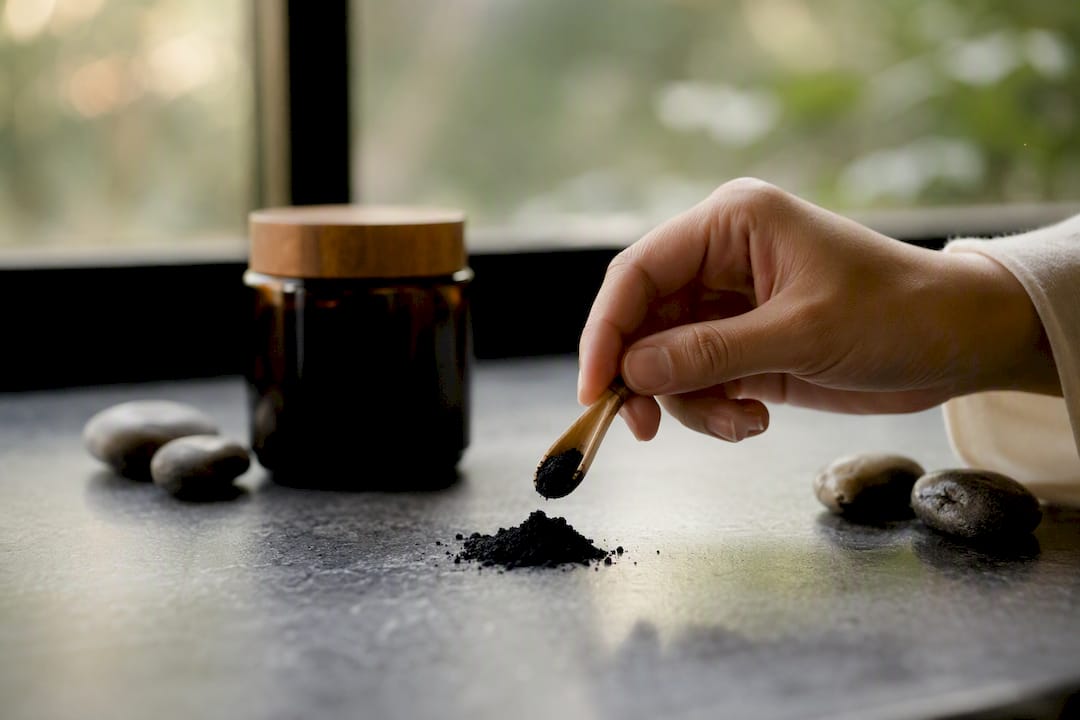
Resin gets portioned in pea-sized amounts (roughly 300 to 500 mg) and dissolved into warm, not boiling, water, milk, or tea. Boiling water can degrade some of the organic compounds, so lukewarm is the move. Powder should be measured on a small digital scale rather than eyeballed with a spoon. Capsules are the simplest: check the label for both total milligrams and the stated fulvic acid percentage.
Manufacturer guidance commonly recommends morning dosing because it’s easier to absorb on an empty stomach, and effects can linger up to 14 hours. If that upsets your stomach, though, just take it with food. A dose you actually stick with beats a theoretically perfect one you keep skipping.
Pro Tip: Store resin in an airtight glass jar away from heat and direct sunlight. It doesn’t need refrigeration, but a hot kitchen counter will soften it into a sticky mess.
Human trials testing doses up to 2 grams a day for 45 days, and 500 mg/day for as long as 48 weeks, haven’t reported serious adverse events. That’s a reasonably reassuring safety window for a supplement with limited long-term data. Still, “no serious adverse events in a trial” isn’t the same as “risk-free for everyone.”
Common complaints are mild: stomach upset, occasional changes in sleep patterns, and jitteriness if taken too late in the day. The bigger concern isn’t the compound itself. It’s contamination. Unrefined shilajit sourced without testing can carry heavy metals like lead, arsenic, and mercury.
Raw shilajit pulled straight from rock without purification and lab verification carries a real contamination risk. This is the single biggest reason to buy only from suppliers who publish third-party heavy metal testing for every batch, not just a one-time product certification.
Certain groups should talk to a clinician before starting: anyone on diabetes or blood pressure medication (shilajit’s mineral content can interact), anyone taking iron supplements, people with liver disease, and anyone pregnant or breastfeeding. Cleveland Clinic’s guidance is consistent here: follow label instructions, start conservatively, and loop in your provider given how limited the interaction research still is.
If you or someone else takes far more than the labeled amount and feels unwell, contact Poison Control or seek emergency care rather than waiting it out.
Run any shilajit product through this checklist before you buy:
This is exactly why PrimaVie® shows up in so many clinical trials. It’s a standardized ingredient with consistent fulvic acid content batch to batch, which means researchers (and you) can actually trust that 500 mg means the same thing every time. For most readers, a purified capsule or a resin backed by a published COA is the safer bet over an untested raw source with no testing history at all. Comparing resin against capsules directly can help you decide which format fits your routine.
Pro Tip: Don’t just check that a COA exists. Confirm it lists the actual testing lab by name and matches the specific batch or lot number on your product, not a generic company-wide document from two years ago.
Roughly a five-point checklist is all it takes to separate a lab-verified product from a guess.
The strongest human data on shilajit dosing comes from two trials worth knowing by name. One used 250 mg twice daily for 90 days and measured testosterone changes in male participants. The other used 500 mg/day of PrimaVie® for eight weeks and tracked muscular strength retention and fatigue markers.
Timelines matter here. Energy-related effects often get reported within a few weeks, but hormonal and strength outcomes weren’t measurable until the eight to twelve week mark in both trials.
The consistent thread across the available human research is that doses in the 250–500 mg/day range, sustained for two to three months, are what actually produced measurable results, not a single high dose taken once.
Most dosing charts hand you a single number and call it done. That’s backwards. The right shilajit dose depends on your goal, your tolerance, and the fulvic acid concentration of the specific product in front of you, which is why the same “500 mg” can behave completely differently across two brands.
The overlooked variable is compliance, not potency. A perfectly calculated dose you take inconsistently will underperform a slightly conservative dose you take every single day for two months straight. The research protocols that actually show results (90 days, eight weeks) all share one thing: consistency, not aggression. Start low, confirm your product is properly tested, and give it the full runway before judging whether it’s working.
Every checklist item in this guide, stated fulvic acid percentage, purified processing, and a batch-specific Certificate of Analysis, is exactly what Shilajit’s Himalayan resin is built around.

Instead of guessing whether a jar of resin from an unverified seller is actually safe, you get lab results you can check before you ever open the lid. If you want the full breakdown of sourcing and purity standards before buying, the purity and testing guide walks through exactly how each batch gets verified. View the current batch’s COA and order your first 50 grams directly from the product page to start at the conservative 200–250 mg/day dose this guide recommends.
What is a safe starting dose for shilajit beginners?
Start at 200–250 mg/day of a purified extract for one to two weeks, then increase toward the 300–500 mg/day maintenance range if you tolerate it well.
How much shilajit should I take daily for energy?
Most people notice energy benefits with 250–500 mg/day taken in the morning, though hormonal or strength-related benefits typically require the full 8 to 12 week window used in clinical trials.
Can I take shilajit every day long-term?
Trials have used 500 mg/day for as long as 48 weeks without serious adverse events, but check with your clinician for extended use, especially if you take other medications.
Is it better to take shilajit once a day or split into two doses?
Single morning dosing works well for general energy goals. Splitting into two 250 mg doses is more common in trials targeting testosterone or muscle-related outcomes.
How do I know if my shilajit product is actually safe?
Look for a stated fulvic acid percentage, a “purified” or “standardized” label, and a downloadable third-party Certificate of Analysis confirming heavy metal testing for that specific batch.
This article is general information, not a substitute for advice from a qualified doctor. Consult a qualified healthcare professional about your own circumstances before acting on anything here.
Avoid shilajit while pregnant or breastfeeding. No controlled trials, contamination risk, and one case links use to high blood pressure. Inform your…
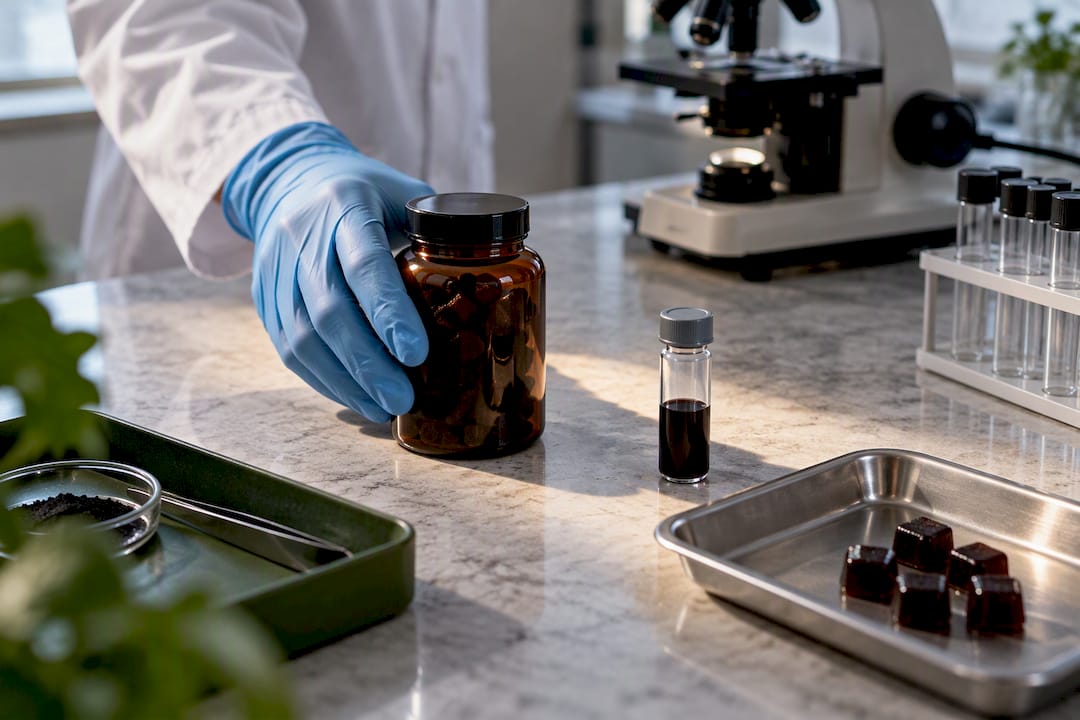
Australia-focused look at shilajit gummies: what human trials actually show, how 500 mg/day dosing compares, and why batch COAs and TGA safety checks matter.