Uncategorized
Shilajit in Pregnancy: Why Doctors Advise Against It and What to Do
Avoid shilajit while pregnant or breastfeeding. No controlled trials, contamination risk, and one case links use to high blood pressure. Inform your…

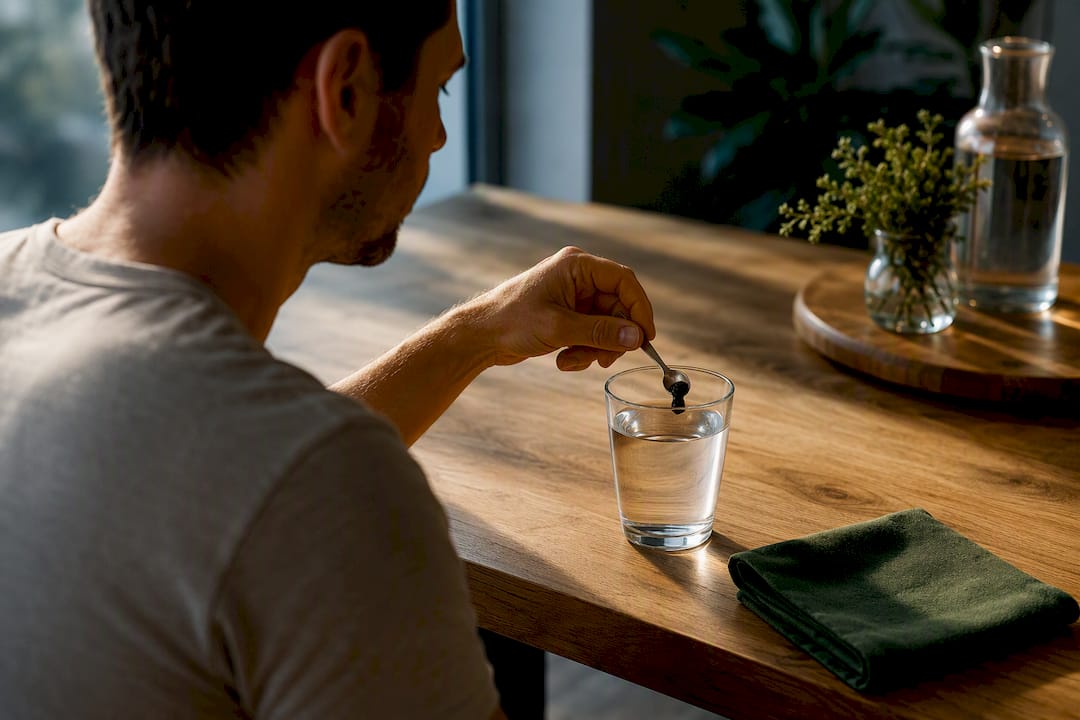
Pure Shilajit resin or capsules will not break a time-restricted intermittent fast for most people, but they will break a strict water-only fast. Human data on how fasted Shilajit affects insulin, ketones, or autophagy simply does not exist yet, so certainty is not on the table. If you take insulin, sulfonylureas, or another glucose-lowering medication, talk to your doctor before adding it to a fasting routine.
TL;DR:
- Pure Shilajit resin and capsules are unlikely to break a time-restricted fast, but sweetened forms like gummies, honey sticks, or tonics do contain enough calories to do so.
- A typical dose of pure resin contains negligible calories and is unlikely to cause insulin spikes or disrupt autophagy, though human data confirming this is lacking.
- For strict water-only fasting, it is safest to take Shilajit only during eating windows; during flexible fasting, a small dose in black coffee or water is generally acceptable.
- People on blood sugar-lowering medications should consult a doctor before adding Shilajit, especially if they have diabetes or related conditions.
- Always verify product purity with a Certificate of Analysis to avoid contamination and ensure the supplement’s safety during fasting.
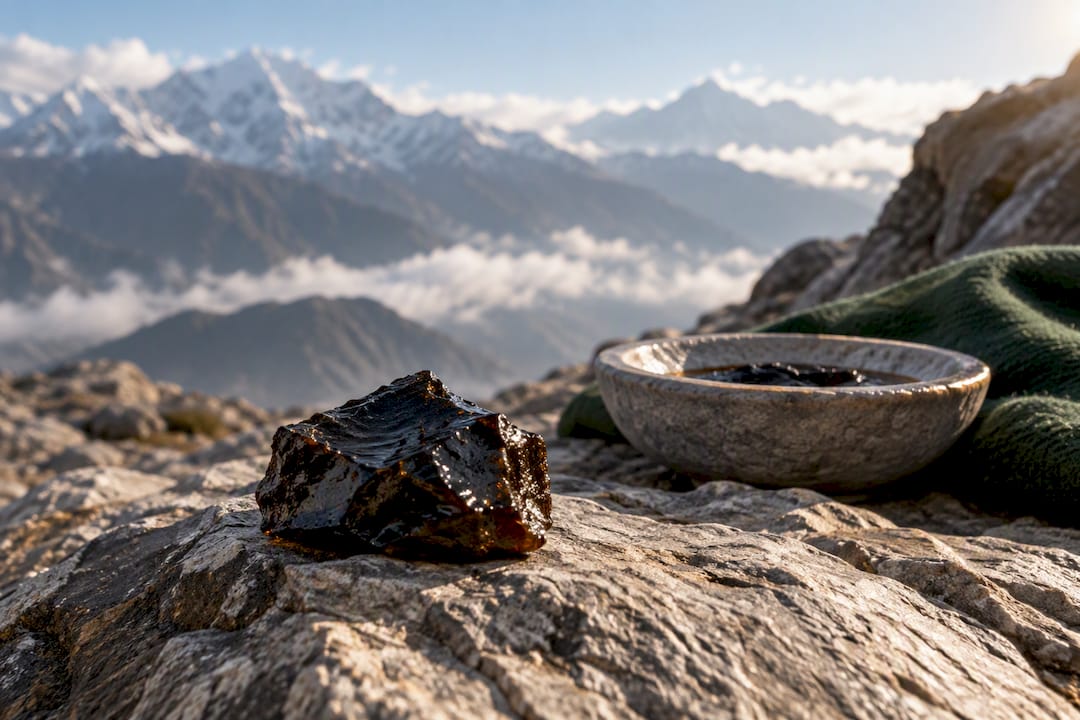
Shilajit is a mineral-rich resin that seeps from high-altitude rock formations, packed with fulvic acid and trace minerals used for centuries in Ayurvedic medicine. That’s the substance. The format you buy it in, though, decides whether it plays nice with your fasting window.
Not every Shilajit product is created equal when a fast is on the line. Some formats are essentially calorie-free; others are dessert in disguise.
Before buying anything to use during a fast, flip the label over. Look for added sugars, maltodextrin, or “natural flavors” that hint at a caloric carrier. A resin versus capsule comparison can help you decide which format fits your fasting protocol rather than guessing from packaging claims alone.
“Breaking a fast” usually gets measured against three things: caloric intake, insulin response, and whether autophagy, your cells’ internal cleanup process, keeps running. Shilajit’s effect on each one looks different once you separate what’s measured from what’s assumed.
A typical dose of pure Shilajit resin contains a very small amount of calories, negligible enough not to significantly impact fasting. That’s the standout figure here, and it comes from an analysis of fasting and Shilajit that found negligible protein and carbohydrate content in a therapeutic serving. At that caloric load, a measurable insulin spike is unlikely. But “unlikely” is not the same as “proven.” No published human trial has taken fasted volunteers, dosed them with Shilajit, and tracked their insulin or blood ketone response in real time.
Autophagy is where the evidence gets thinnest. Some preclinical research points to Shilajit activating AMPK, a cellular energy sensor that also switches on during fasting and is linked to autophagic activity. That’s a mechanistic hint, not a demonstrated outcome. Nobody has measured autophagic flux in fasted humans who took Shilajit versus those who didn’t. The PMC literature on Shilajit’s bioactive compounds covers plausible pathways, but stops well short of confirming what happens in a fasted human cell.
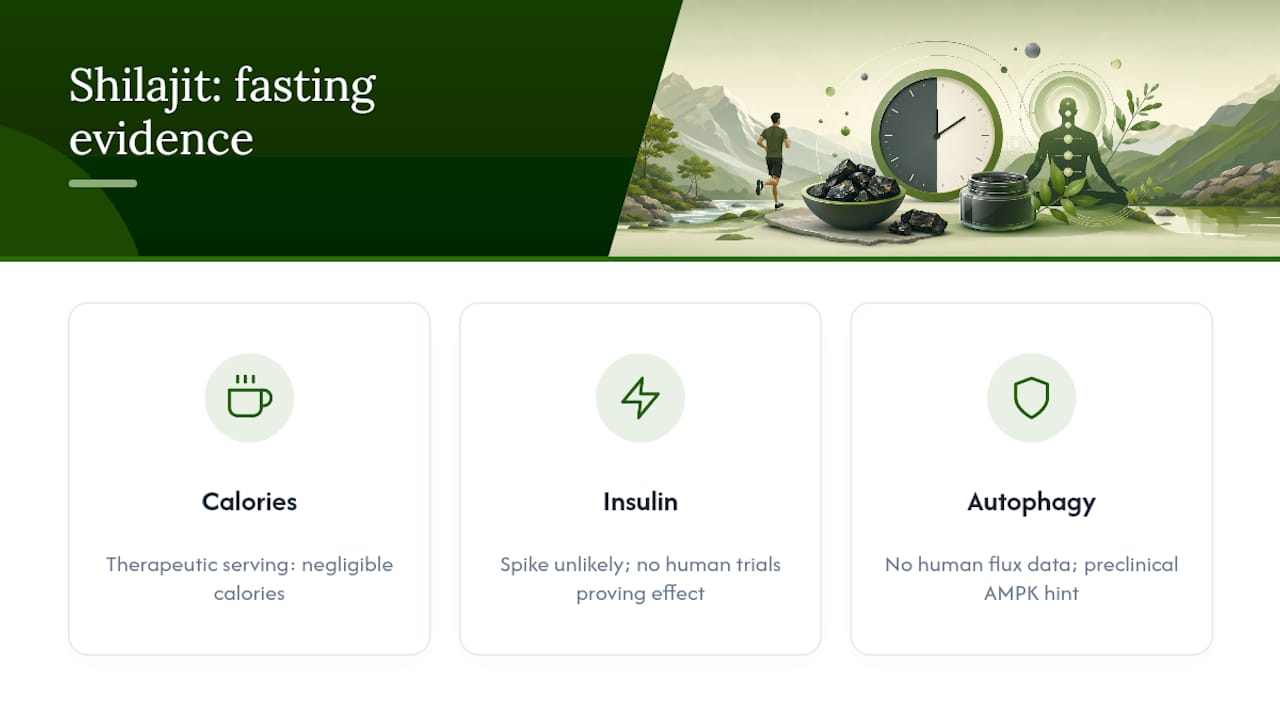
Here’s the practical takeaway: if metabolic purity is your priority, and you want zero ambiguity about insulin or ketone disruption, take Shilajit inside your eating window. If you’re running a flexible 16:8 or 18:6 protocol and a couple of calories won’t derail your goals, the physiology suggests you have room to experiment.
Fasting can bring on fatigue, brain fog, and the occasional muscle cramp, especially in the first few sessions before your body adapts. Shilajit gets marketed as a fix for exactly those symptoms. Some of that holds up better than the rest.
Weigh these expectations honestly. Shilajit is not a proven fatigue cure or an autophagy booster with human data behind it, according to the Cleveland Clinic’s overview of the supplement. It’s a mineral-dense supplement with a plausible, partially-supported role in easing fasting discomfort.
Pro Tip: If fatigue during a fast is new or severe, don’t reach for a supplement first. Rule out anemia or thyroid issues with your doctor before assuming Shilajit is the fix.
The right protocol depends on how strict you are about your fast, and honestly, there’s no single correct answer here. What matters is matching the approach to your actual goal.
Practitioners running fasting protocols commonly recommend this same combination, pure resin with black coffee or plain electrolytes, as a way to manage fasting fatigue without meaningfully raising caloric intake.
The biggest safety concern with Shilajit during fasting isn’t the fasting itself. It’s the combination of a supplement with unclear glycemic effects and a medication that already lowers your blood sugar.
WebMD’s supplement overview notes that Shilajit is available without a prescription and generally well tolerated, but cautions that its full interaction profile isn’t well characterized, which is exactly why a quick conversation with your clinician matters more here than with a typical vitamin.
A supplement you’re taking on an empty stomach is not the place to gamble on quality. Fulvic acid content and contamination testing tell you more about a product than any marketing claim on the label.
Shilajit’s own purification and testing process walks through exactly how raw resin gets screened for contaminants before it reaches a bottle, which is the kind of transparency worth demanding from any brand you’re trusting during a fast.
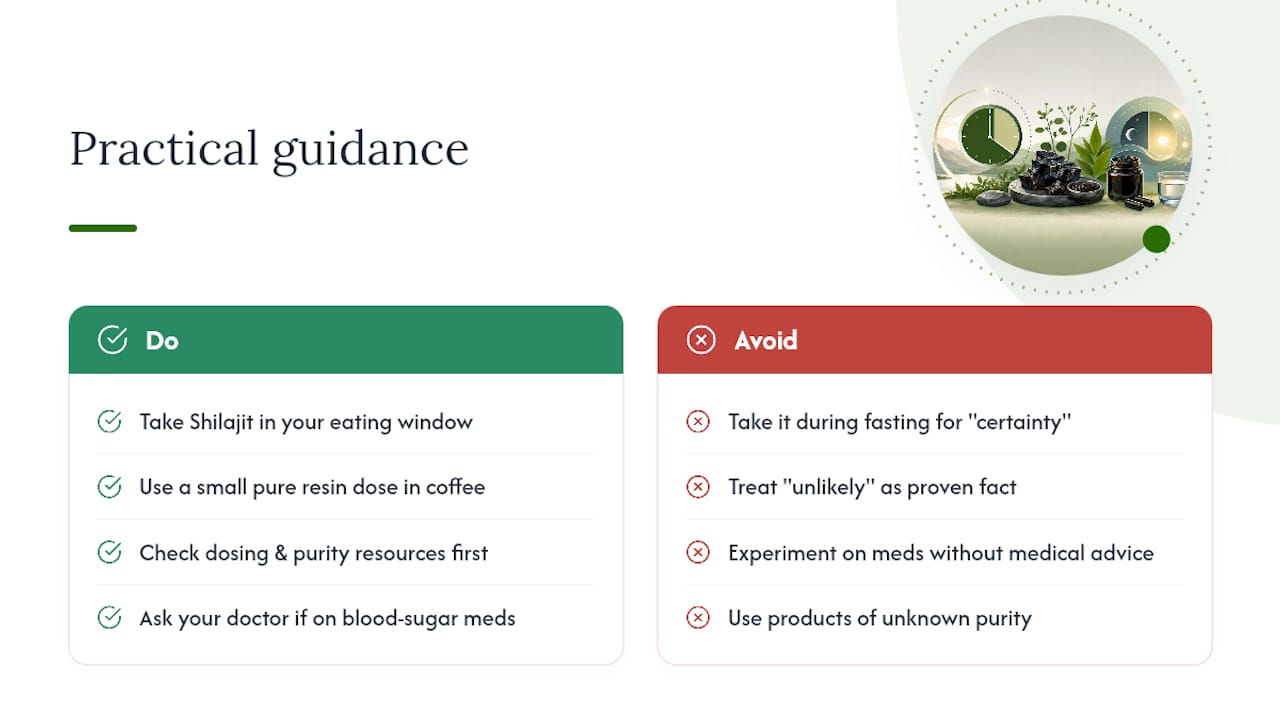
If you’re fasting for metabolic reasons and want zero doubt about your results, take Shilajit in your eating window. That single choice removes the guesswork entirely. For most people running flexible time-restricted eating, a small dose of pure resin in black coffee is unlikely to meaningfully disrupt your goals, but “unlikely” still isn’t “proven,” and I’d rather be straight with you about that gap than oversell it.
If you’re on medication that affects blood sugar, or you have a condition that changes how your body handles minerals, get your doctor’s input before you experiment. Beyond that, the dosing and purity resources on this site exist to help you make an informed call rather than a guess.
— Shilajit
If you’re ready to try Shilajit inside or around your fasting window, format is everything. Shilajit’s pure Himalayan resin contains no added sugar, no fillers, and no sweetened carriers, which is exactly the profile you want when caloric purity matters.
A pea-sized serving, roughly 250 to 500 mg, dissolved in warm water or black coffee, matches the timing guidance covered above. Before you buy any Shilajit product for fasting use, confirm it comes with a Certificate of Analysis showing fulvic acid content and heavy metal screening; that’s the difference between a supplement you can trust on an empty stomach and one you’re gambling on. Check the pure resin product page for current batch testing and serving details, or browse the supplement selection guide if you’re still deciding which format fits your fasting routine.
This article is general information, not a substitute for advice from a qualified doctor. Consult a qualified healthcare professional about your own circumstances before acting on anything here.
Avoid shilajit while pregnant or breastfeeding. No controlled trials, contamination risk, and one case links use to high blood pressure. Inform your…
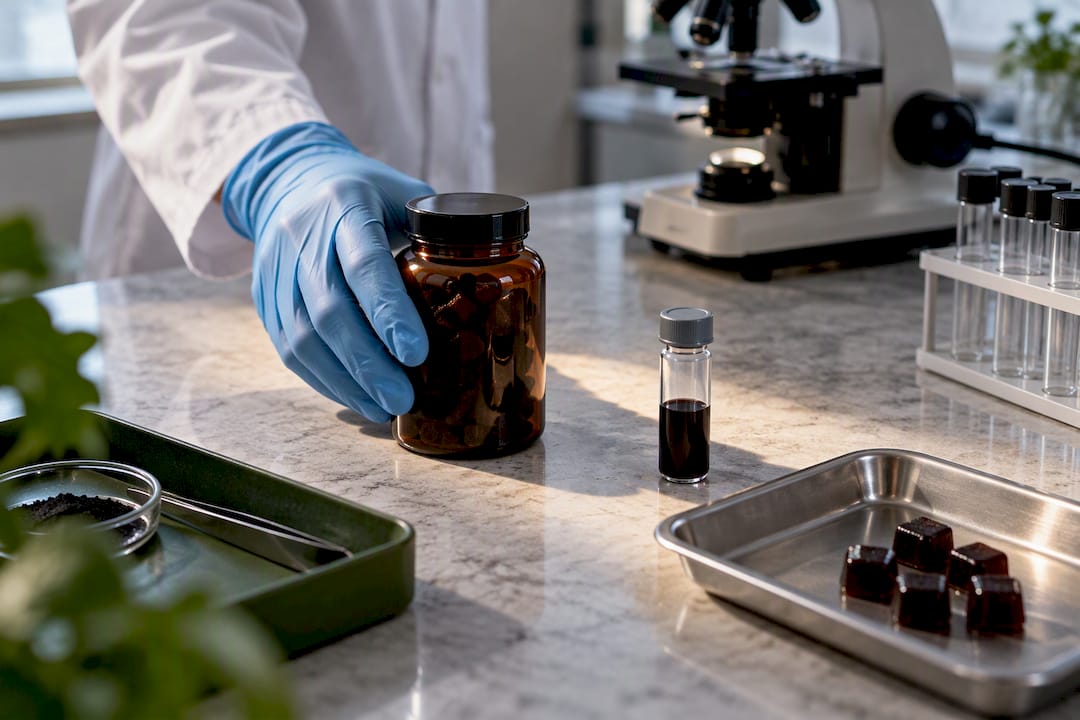
Australia-focused look at shilajit gummies: what human trials actually show, how 500 mg/day dosing compares, and why batch COAs and TGA safety checks matter.