Uncategorized
Shilajit in Pregnancy: Why Doctors Advise Against It and What to Do
Avoid shilajit while pregnant or breastfeeding. No controlled trials, contamination risk, and one case links use to high blood pressure. Inform your…

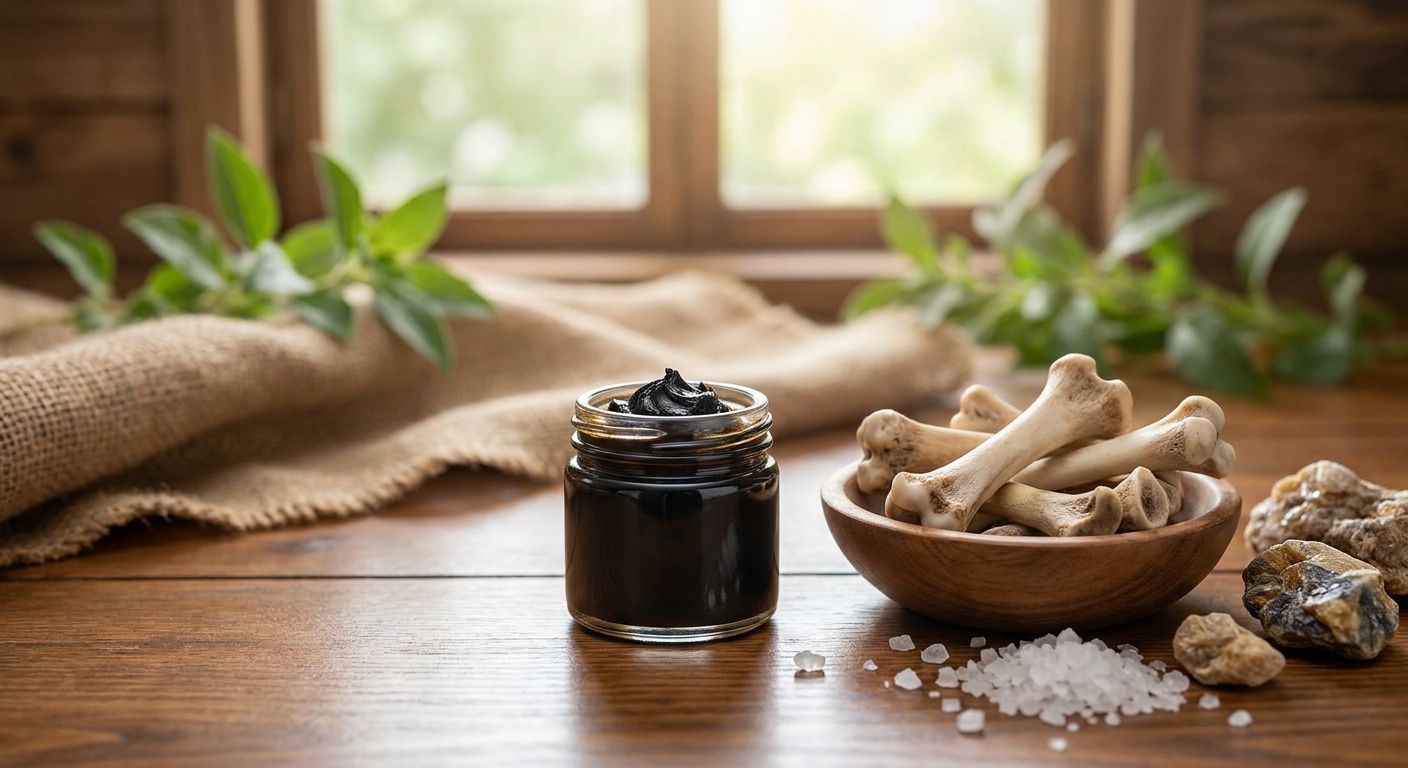
Bone density starts thinning quietly in your 30s, and by the time a DEXA scan flags it, you’ve already lost ground you can’t easily rebuild. Shilajit resin won’t replace calcium or vitamin D, but its mineral profile makes it a genuine candidate for anyone trying to slow that decline in 2026.
Bone isn’t inert tissue. It’s constantly being broken down and rebuilt, and that rebuild cycle depends on a steady supply of calcium, magnesium, zinc, and phosphorus reaching the right cells. Shilajit resin carries over 85 trace minerals in a fulvic acid base that’s designed to shuttle those minerals across cell membranes more efficiently than an isolated mineral tablet.
That’s the whole pitch for shilajit for bone health: not a replacement for your calcium supplement, but a delivery system that helps the minerals you’re already taking do more work. Australians over 45, postmenopausal women, and anyone managing early osteopenia are the people asking this question in 2026, and the answer depends on picking a resin that’s actually tested for what it claims to contain.
This guide is for adults tracking bone density proactively — people in their 40s and 50s watching a family history of osteoporosis, postmenopausal women dealing with accelerated mineral loss, and older Australians who want a healthy ageing supplement stack that goes beyond a multivitamin. It’s not for anyone expecting shilajit resin to reverse an existing diagnosis on its own — that conversation belongs with a GP and a bone density scan, not a resin jar.
Fulvic acid is the molecule that makes shilajit’s minerals bioavailable instead of inert. Resin with a low fulvic acid percentage is mostly filler, and no amount of trace minerals matters if your body can’t absorb them. Look for resin that states its fulvic acid content on the label rather than hiding behind vague purity claims.
Bone needs more than calcium. Magnesium, zinc, phosphorus, and silica all play a role in bone matrix formation, and shilajit’s value is carrying 85 or more of these minerals in one dose rather than the 8-10 you’d get from a standard multivitamin.
Himalayan shilajit forms in mineral-rich rock, which means untested resin can carry lead, arsenic, or mercury alongside the minerals you actually want. Resin that’s genuinely purified before it reaches you will show batch-level lab results, not a generic purity badge on the jar.
Resin gives you a denser, less processed mineral load per gram than most capsules, which matters when your goal is mineral density rather than convenience. Capsules still work, but they’re a compromise on concentration for the sake of a measured dose.
Bone remodeling is a slow process measured in months, not days, so a resin you’ll actually take every day beats a stronger one that sits in the cupboard after week two. Taste, texture, and how it fits your morning routine matter more here than most buyers expect.
A cheaper jar with a lower mineral concentration often costs more per effective dose than a pricier one with a denser resin. Do the per-gram math before assuming the lower sticker price is the better deal.
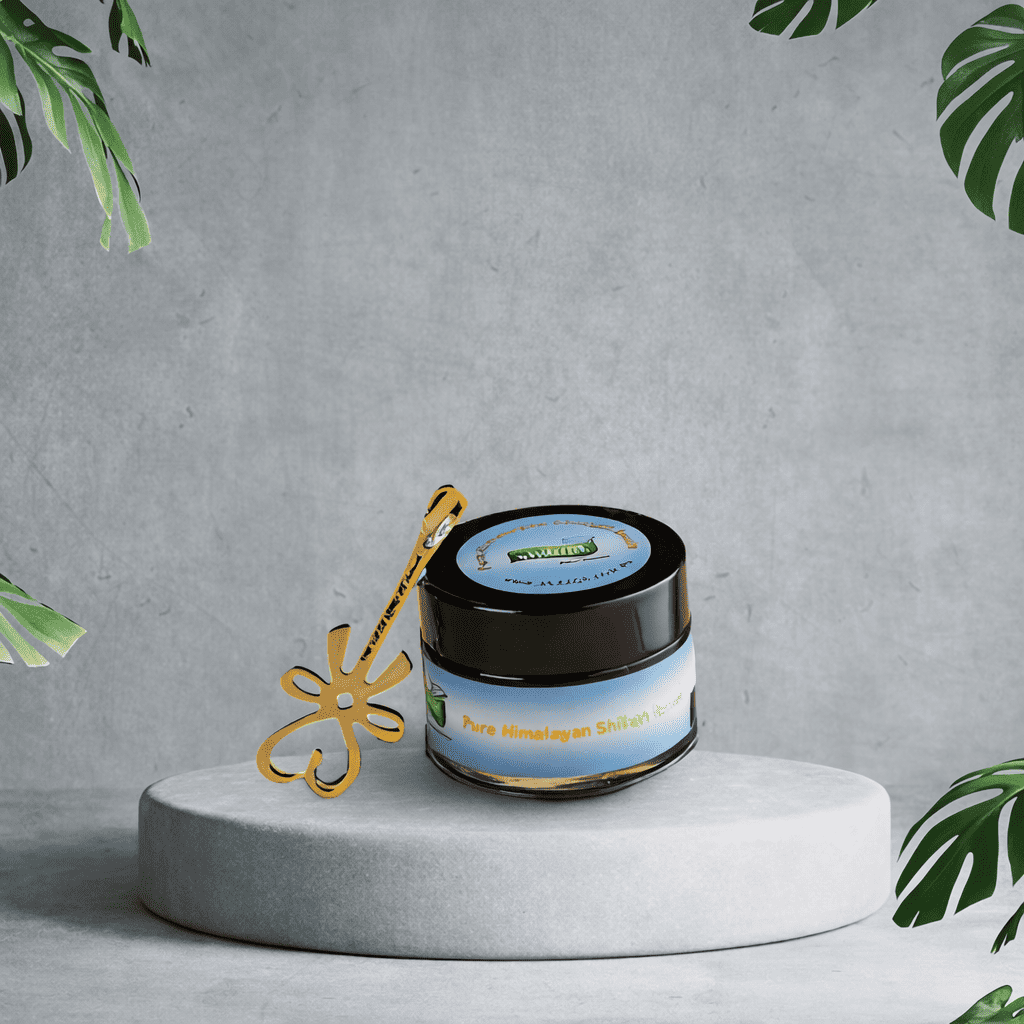
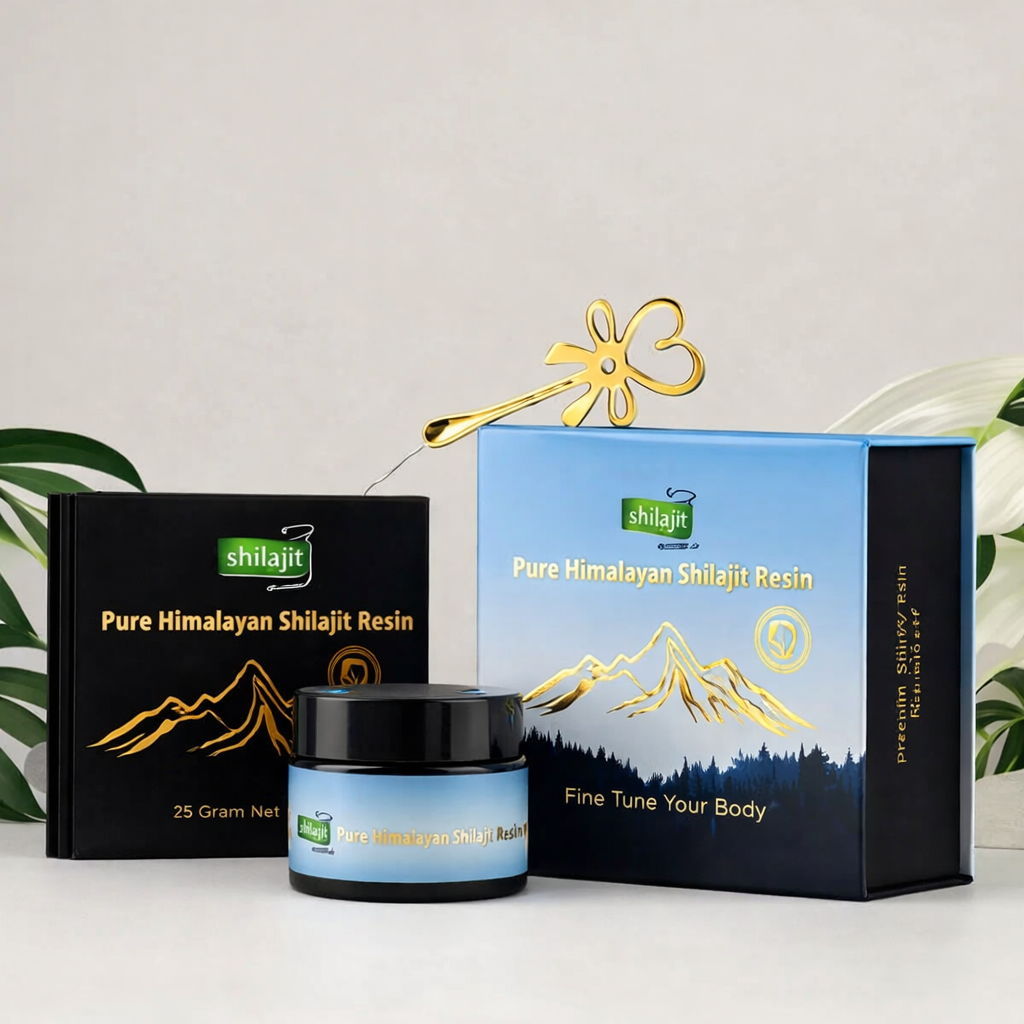
Pure Himalayan Shilajit Resin 50 Grams — the mineral floor. This is the baseline daily dose for anyone building a bone-support routine, delivering the fulvic acid base and full trace mineral spectrum in a single jar that lasts roughly 50 days at a standard pea-sized serve. Verdict: Buy.
Pure Himalayan Shilajit Resin 25 Grams (Pack of 4, 100g) — the stock-up option. Same resin, four jars, built for anyone who’s already decided daily shilajit is part of their 2026 routine and doesn’t want to reorder every seven weeks. Verdict: Consider.
The mineral stacker — if you’re already taking a separate magnesium or zinc supplement, pairing shilajit resin into a magnesium and zinc supplement stack avoids redundant dosing and covers gaps a single mineral tablet leaves behind. Verdict: Consider.
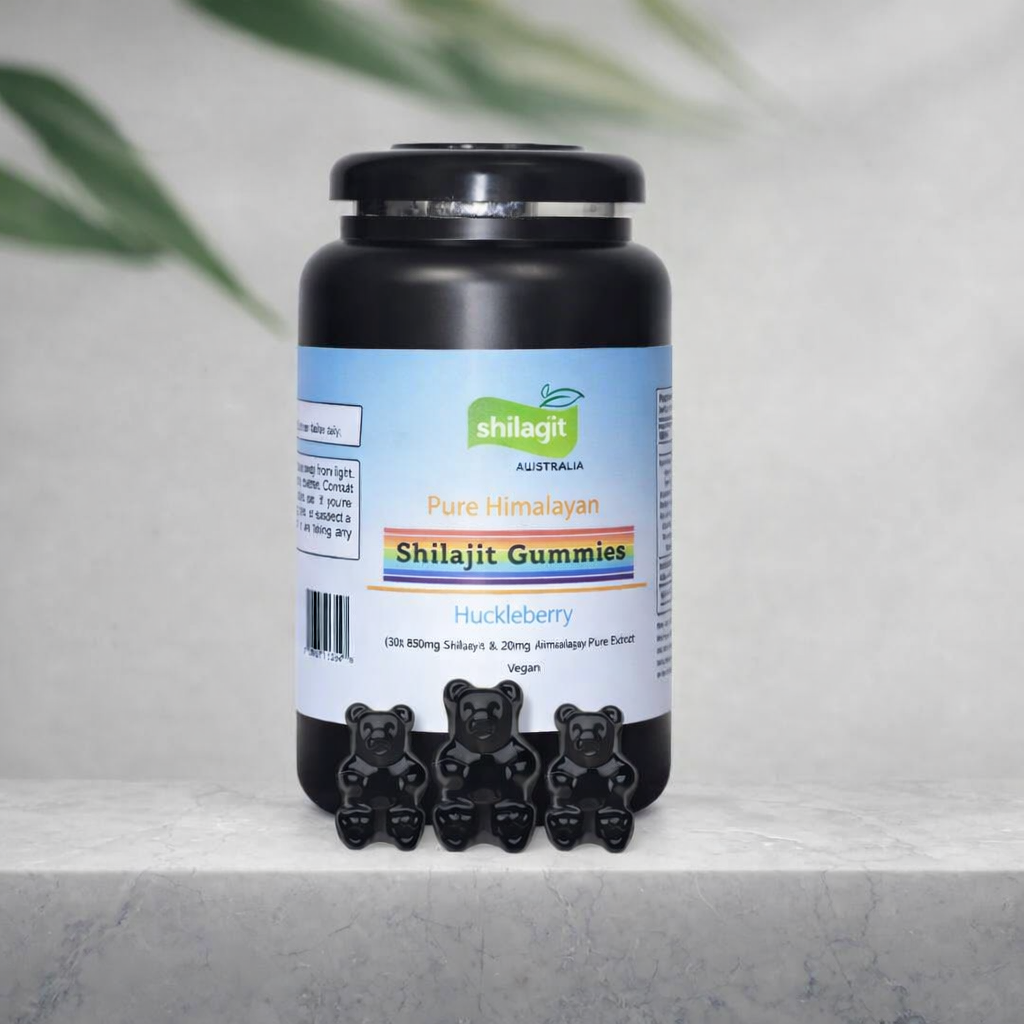
Shilajit Gummies — the low-effort pick. Formulated with ashwagandha, honey, and fulvic acid alongside 85+ trace minerals, gummies suit anyone who won’t reliably take a resin pinch but will chew two gummies with breakfast. Verdict: Consider.
Bone density drops fastest in the five to seven years after menopause, when estrogen decline speeds up the rate bone is broken down relative to how fast it’s rebuilt. That’s exactly the window where mineral supply matters most, and it’s also the window where women are often juggling hot flashes, sleep disruption, and mood shifts on top of a bone density conversation nobody warned them about.
Managing that whole picture — not just the mineral side — is where broader guidance on menopause symptoms without HRT becomes relevant alongside a mineral-focused resin routine. Shilajit resin covers the trace mineral gap; it isn’t a hormone therapy and doesn’t claim to be one.
| Product | Form | Mineral density | Best for | Verdict |
|---|---|---|---|---|
| Pure Himalayan Shilajit Resin 50g | Resin | High (full spectrum) | Daily bone-support baseline | Buy |
| Resin 25g Pack of 4 (100g) | Resin | High (full spectrum) | Long-term routine, fewer reorders | Consider |
| Shilajit Gummies | Gummy | Moderate, added ashwagandha | Low-effort daily dosing | Consider |
| Unverified imported resin | Resin | Unknown, untested | Avoid entirely | Skip |
Does shilajit resin actually help bone density?
Shilajit resin supplies fulvic acid and trace minerals including calcium, magnesium, zinc, and phosphorus that support bone remodeling, but it works alongside calcium and vitamin D rather than replacing them. It is not a standalone treatment for diagnosed osteoporosis.
How much shilajit should you take for bone health?
Most resin labels recommend a pea-sized serving, roughly 300-500mg, once or twice daily. Consistency over months matters more than a larger single dose since bone remodeling is a slow process.
Is shilajit resin better than calcium tablets for bone support?
Shilajit resin and calcium tablets do different jobs — calcium supplies one mineral directly while shilajit’s fulvic acid base is designed to help the body absorb a broader mineral spectrum. Most people use both rather than choosing one over the other.
How much does shilajit resin cost in Australia in 2026?
A 50-gram jar of pure Himalayan shilajit resin runs roughly $119 in 2026, while smaller 25-gram jars sit closer to $70. Price per gram is the better comparison metric than price per jar.
Is shilajit safe for postmenopausal women?
Lab-tested Himalayan shilajit resin is generally considered safe for postmenopausal women when sourced from a tested batch free of heavy metal contamination. Anyone managing osteoporosis or on prescription bone medication should check with a GP before adding it.
Can shilajit gummies replace shilajit resin for mineral support?
Shilajit gummies deliver a moderate mineral dose in a more convenient format, but resin typically carries a denser, less processed mineral concentration per gram. Gummies suit people who won’t reliably take resin daily.
How do you know if shilajit resin is real or fake?
Authentic shilajit resin dissolves fully in warm water without leaving grit, carries a batch-specific lab test for heavy metals, and lists its fulvic acid percentage on the label. Fake resin often skips all three.
How long does it take to notice a difference from shilajit for bone health?
Bone remodeling happens over months, so most people don’t expect a noticeable shift before 8-12 weeks of consistent daily use. Energy and mineral-related benefits like reduced fatigue often show up sooner.
The detail most buyers miss: fulvic acid doesn’t just carry minerals, it chelates them, meaning it binds the mineral in a form your gut can actually absorb rather than letting it pass through unused. That’s the mechanical reason resin outperforms a plain mineral tablet gram for gram, and it’s also why a jar without a stated fulvic acid percentage is a guess dressed up as a supplement. Watch our YouTube videos for more insights on Shilajit for Bone Health, natural minerals, bone wellness and maintaining an active lifestyle.
Avoid shilajit while pregnant or breastfeeding. No controlled trials, contamination risk, and one case links use to high blood pressure. Inform your…
Australia-focused look at shilajit gummies: what human trials actually show, how 500 mg/day dosing compares, and why batch COAs and TGA safety checks matter.