
Uncategorized
Shilajit in Pregnancy: Why Doctors Advise Against It and What to Do
Avoid shilajit while pregnant or breastfeeding. No controlled trials, contamination risk, and one case links use to high blood pressure. Inform your…

Shilajit for farmers is a daily Himalayan mineral resin taken to support energy, joint recovery, and stamina through long physical workdays on the land. Farm work runs on early starts, repetitive lifting, machinery vibration, and full-sun hours with no clock-out time, so the supplement routine has to survive dust, heat, and inconsistent meal breaks rather than a gym bag or office desk.
Farm labour is not a one-hour session with recovery time built in. It’s a 10 to 14 hour day of fencing, stock handling, machinery repair, and manual lifting, often in extreme heat or cold with irregular meal timing. That workload pattern is closer to a tradie’s physically demanding job than a gym-goer’s, which is why the same mineral and stamina support that suits tradies on physically demanding jobs tends to carry over to farm work.
The difference for farmers is seasonality. Shearing, harvest, and calving periods spike physical demand for weeks at a time, then drop off. A supplement routine that only works at a fixed daily dose doesn’t match that rhythm — farmers need a format they can scale up during peak season and taper during quieter months.
Verdict: shilajit resin suits farmers better than capsules or gummies because the dose is adjustable by hand, day to day, without buying a different product for busy season.
Don’t guess your intake — match it to the week ahead.
Most farmers are up before dawn, which makes a consistent morning window easier than an evening one.
More resin is not automatically better. How to take shilajit resin for maximum absorption covers the mechanics, but the farm-specific version comes down to timing and consistency over volume.
Repetitive lifting, kneeling, and machinery vibration take a toll on joints over a season, not just a day.
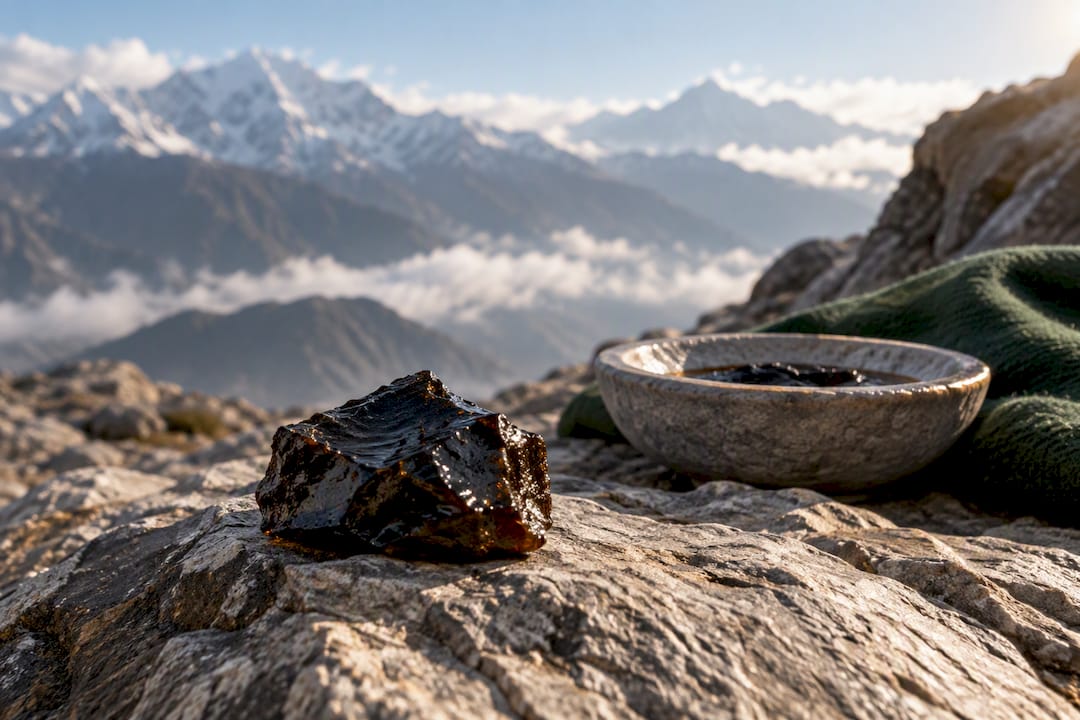
A glovebox or shed in Australian summer regularly hits 50°C+, and that’s the fastest way to ruin resin quality.
One good or bad day tells you nothing. A season does.
Farmers buying in bulk for a season have more to lose from a poor-quality batch than an occasional user.
| Format | Best for | Key limitation |
|---|---|---|
| Resin | Farmers who want adjustable dosing across seasonal workload | Needs dissolving in water or milk, less convenient mid-paddock |
| Capsules | Farmers wanting a fixed, no-mess dose for consistent days | Harder to scale dose up during peak-season weeks |
| Gummies | Farmers who dislike the taste or texture of raw resin | Fixed serving per gummy, less flexible for heavy workload weeks |
| Tincture drops | Farmers wanting a fast, portable dose between tasks | Smaller serving format, less suited to high-demand periods |
Resin wins for most farm routines because dose flexibility matters more than convenience when workload swings week to week. Capsules are the better call for farmers who want zero mixing and a fixed daily habit year-round.
Find the right shilajit format for your workload
Compare resin, capsules and gummies before your next busy season.
Is shilajit good for farmers doing physical labour?
Shilajit is commonly used by people in physically demanding jobs, including farmers, to support daily energy and mineral intake through long manual work. It works best as part of a routine that also includes proper hydration and meal timing, not as a replacement for either.
What’s the best time to take shilajit before farm work?
Most farmers take shilajit resin 20-30 minutes before breakfast, ahead of the physical work of the day. Taking it at a consistent morning time works better than varying the timing day to day.
Should farmers use shilajit resin or capsules?
Resin gives farmers more control over dose size, which matters when workload spikes during shearing, harvest, or calving season. Capsules suit farmers who want a fixed, no-mixing dose every day regardless of workload.
Does heat ruin shilajit resin?
Yes, prolonged exposure to high heat, like a ute dash or tin shed in an Australian summer, can degrade resin texture and quality over time. Store it at room temperature indoors and away from direct sun.
How long before shilajit shows results for physical work?
Most users need 3-4 weeks of consistent daily use before judging whether a routine is working, since energy and recovery changes build up over repeated workdays. A single good or bad shift isn’t a reliable signal either way.
Can shilajit help with joint pain from farm work?
Shilajit is often taken by people managing joint and muscle strain from repetitive physical tasks like lifting and kneeling. It works alongside stretching and hydration, not as a standalone fix for existing joint issues.
How do I know if the shilajit I’m buying is pure?
Ask for a current lab test certificate that shows heavy metal screening and fulvic acid content, and check the batch number matches the jar. A supplier who won’t produce a certificate before purchase is a red flag.
Is shilajit safe to take daily during busy farm seasons?
Shilajit is generally taken daily by people with high physical workloads, adjusting portion size up during peak-demand weeks and down during quieter periods. Anyone on regular medication should check for interactions before starting a daily routine.
The biggest routine failure isn’t dosing — it’s storage. A jar of resin left in a hot shed or ute glovebox through a Queensland or WA summer can lose quality well before the container’s finished, which means the farmer blaming “shilajit not working” is often just blaming heat damage. Keep it indoors, sealed, and out of direct sun, and the routine has a fair chance to actually do its job across a full season. Follow us on Pinterest for more insights on Shilajit for Farmers, natural energy, stamina, and support for physically demanding workdays.
You have subscribed to our newsletter successfully.

Avoid shilajit while pregnant or breastfeeding. No controlled trials, contamination risk, and one case links use to high blood pressure. Inform your…
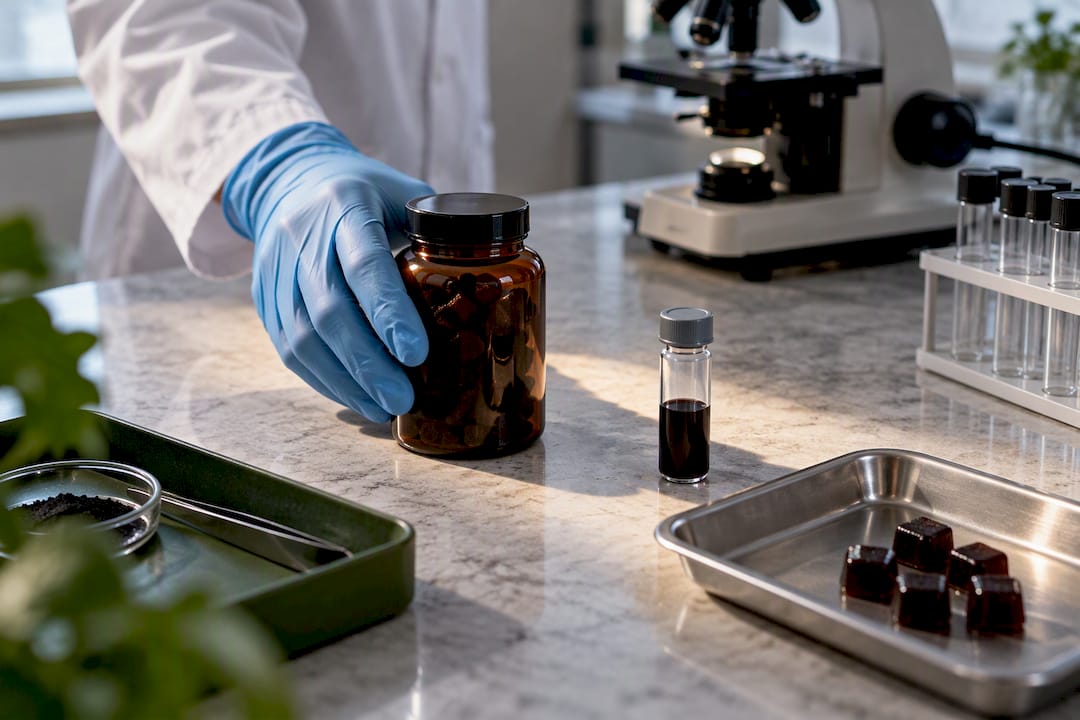
Australia-focused look at shilajit gummies: what human trials actually show, how 500 mg/day dosing compares, and why batch COAs and TGA safety checks matter.

Subscribe to our weekly newsletter and receive exclusive offers you love!!
You have subscribed to our newsletter successfully.