
Uncategorized
Shilajit in Pregnancy: Why Doctors Advise Against It and What to Do
Avoid shilajit while pregnant or breastfeeding. No controlled trials, contamination risk, and one case links use to high blood pressure. Inform your…
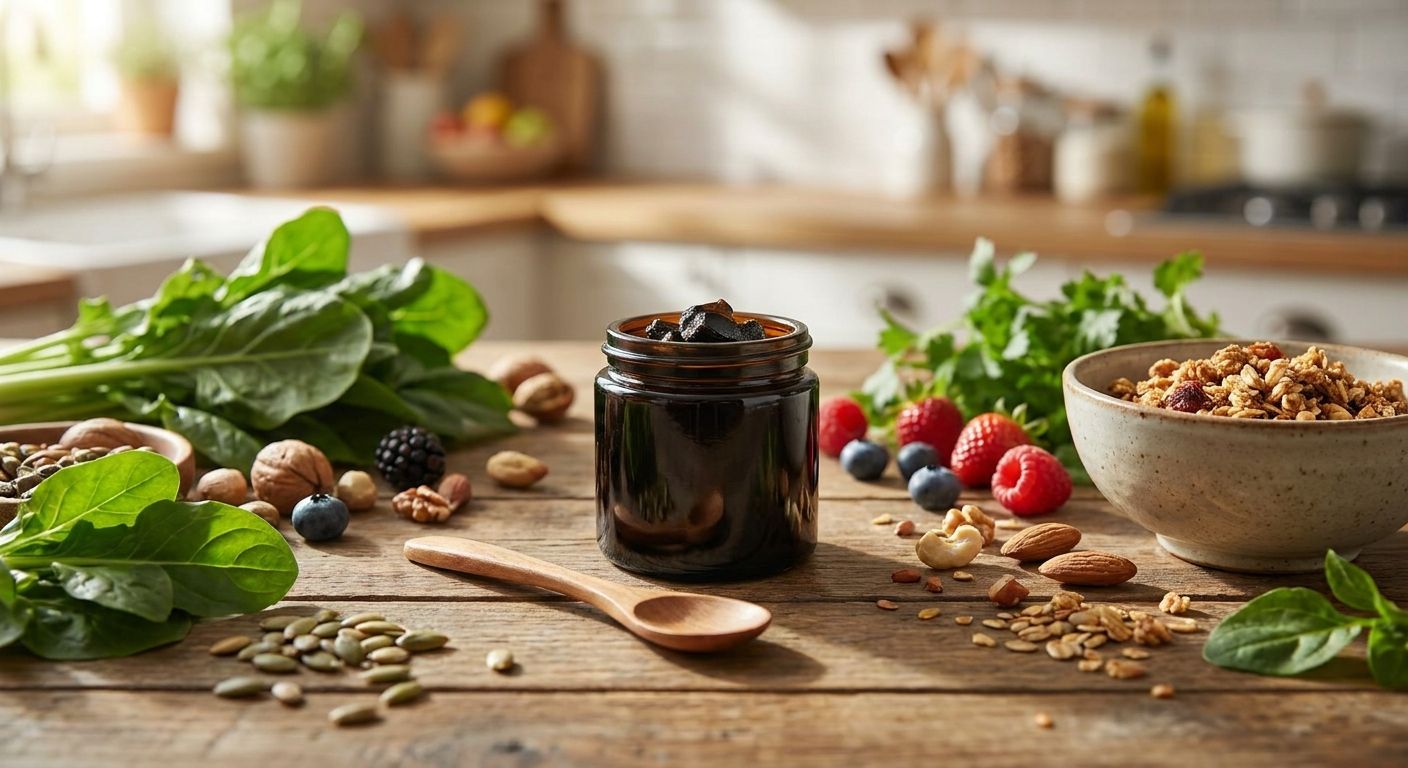
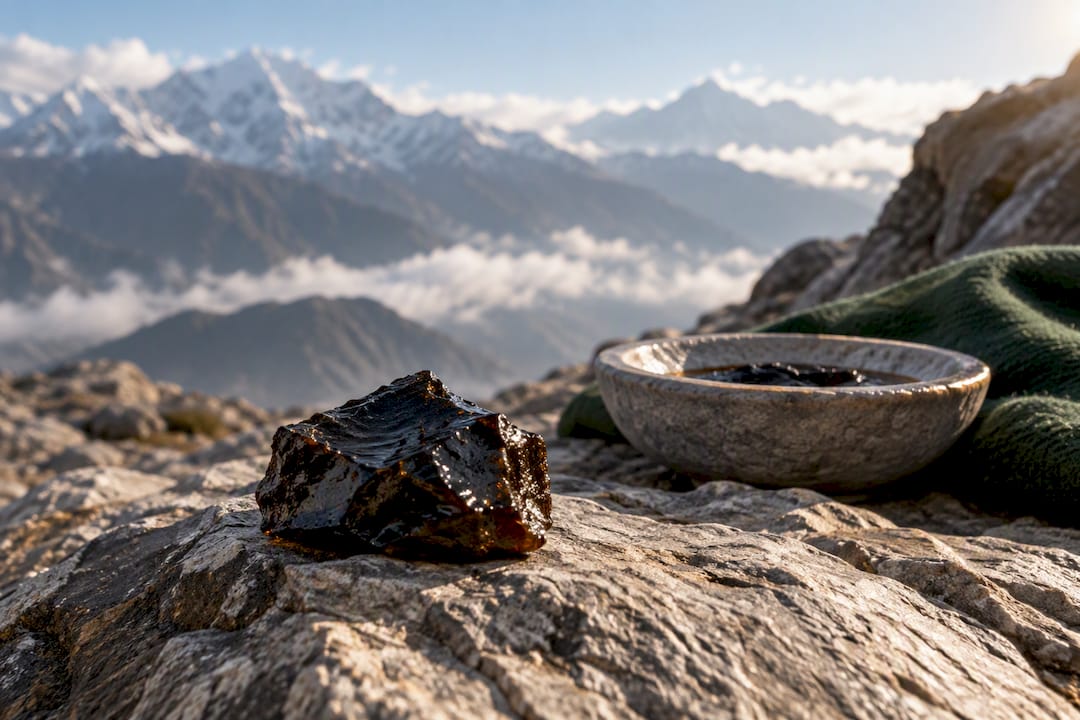
Shilajit resin for vegan and plant-based diets works when the label stays plant-and-mineral-only — no honey binder, no animal-derived capsule shell, nothing hiding behind the word “natural”. This guide breaks down what actually counts as shilajit for vegans in 2026, which Shilajit Australia products pass the test, and which ones to leave on the shelf.
Plant-based diets tend to run lighter on a handful of trace minerals — zinc, magnesium, and bioavailable iron among them — because the richest natural sources sit in animal foods. Shilajit resin fills part of that gap without adding a single animal ingredient: it’s a mineral-rich pitch that forms in Himalayan rock over centuries, carrying fulvic acid and dozens of trace minerals in raw form.
That’s the appeal for anyone eating plant-based in 2026: a supplement that reads like a mineral, not a meat substitute. But “natural” and “vegan” aren’t interchangeable claims. Some shilajit formats lean on honey for texture, some capsules use animal-derived shells, and purification methods vary by supplier. Knowing how shilajit resin gets purified before it reaches a jar tells you whether anything non-plant touched the process, and Shilajit Australia’s own resin is built around exactly that kind of traceability.
This guide is for vegans and plant-based eaters who already supplement deliberately — magnesium, zinc, a B12 source, maybe a plant protein blend — and want a mineral resin that slots into that stack without breaking the diet. It’s for the reader who checks ingredient panels before checking reviews, and who wants a straight answer on whether resin, capsules, gummies, or tinctures actually hold up to a vegan standard in 2026.
It’s not for anyone chasing a single “superfood” fix instead of a full plant-based nutrient strategy. Shilajit resin adds trace minerals and fulvic acid to a diet — it doesn’t replace iron-rich legumes, B12 supplementation, or a protein target.
Read the ingredient panel, not the front-of-pack claim. Shilajit gummies commonly use honey as a binder and sweetener, so check the label of any gummy product before assuming it’s vegan. Capsule shells matter too — gelatin capsules are still common across the wider supplement market, so confirm the shell material before a capsule product goes in your cart.
Raw shilajit has to be filtered and reduced before it’s safe to consume, and that process can introduce non-plant inputs depending on the supplier. A resin that discloses its purification steps — filtration, sun-reduction, lab testing — gives you something to verify instead of a purity claim you take on faith.
Resin dissolves into water, warm milk, or coffee and adds nothing but the shilajit itself. Tinctures work the same way in liquid form. Gummies and some capsules add texture agents, sweeteners, or shells that resin skips entirely — fewer added ingredients is the safer default on a strict plant-based diet.
Fulvic acid is what carries shilajit’s trace minerals into a usable form, which is why it gets paired with magnesium, zinc, and iron-focused plant diets rather than standing in for them. A resin that lists its actual mineral profile beats one hiding behind a “proprietary blend” label.
Raw shilajit comes out of mountain rock, and rock carries heavy metals along with the trace minerals you want. Lab testing for lead, arsenic, and mercury is non-negotiable for any shilajit resin in 2026, vegan or not — Shilajit Australia’s shilajit resin runs through exactly this kind of screening before it ships.
Across the Shilajit Australia catalogue, a handful of formats actually clear a strict plant-based bar. Here’s how they stack up.
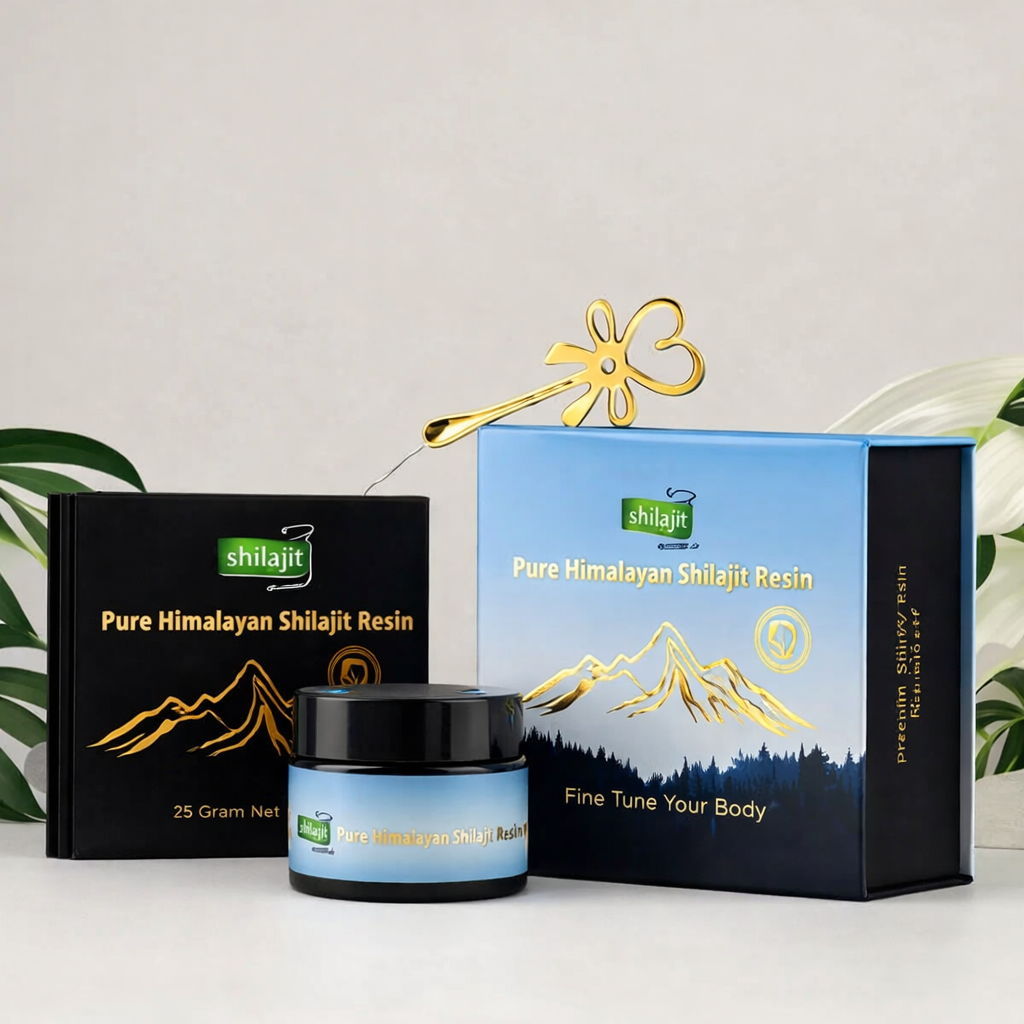
Pure Himalayan Shilajit Resin 25 Grams — the safe pick
Single ingredient: raw shilajit resin, no honey, no filler, no capsule shell to question. At $69.99 for 25 grams, it’s a straightforward entry point for anyone new to shilajit resin who wants to keep the ingredient list intact. Verdict: Buy.
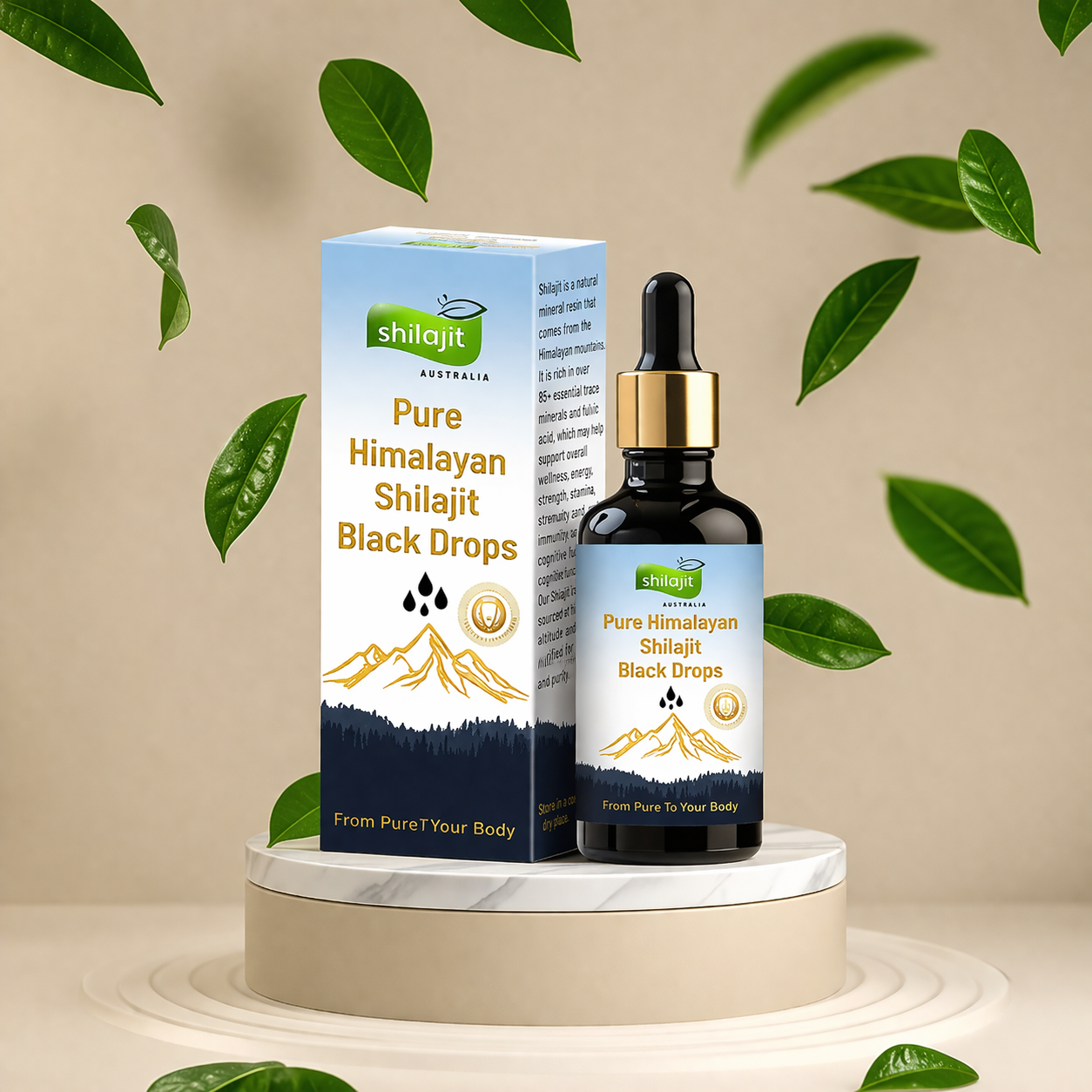
All Natural Shilajit Tincture 50ml — the on-the-go pick
Liquid drops skip the binder question entirely — no gummy base, no capsule shell, just resin dissolved for faster dosing. At $68.55 for 50ml, it fits a bag or desk drawer without needing water or a spoon. Verdict: Consider.
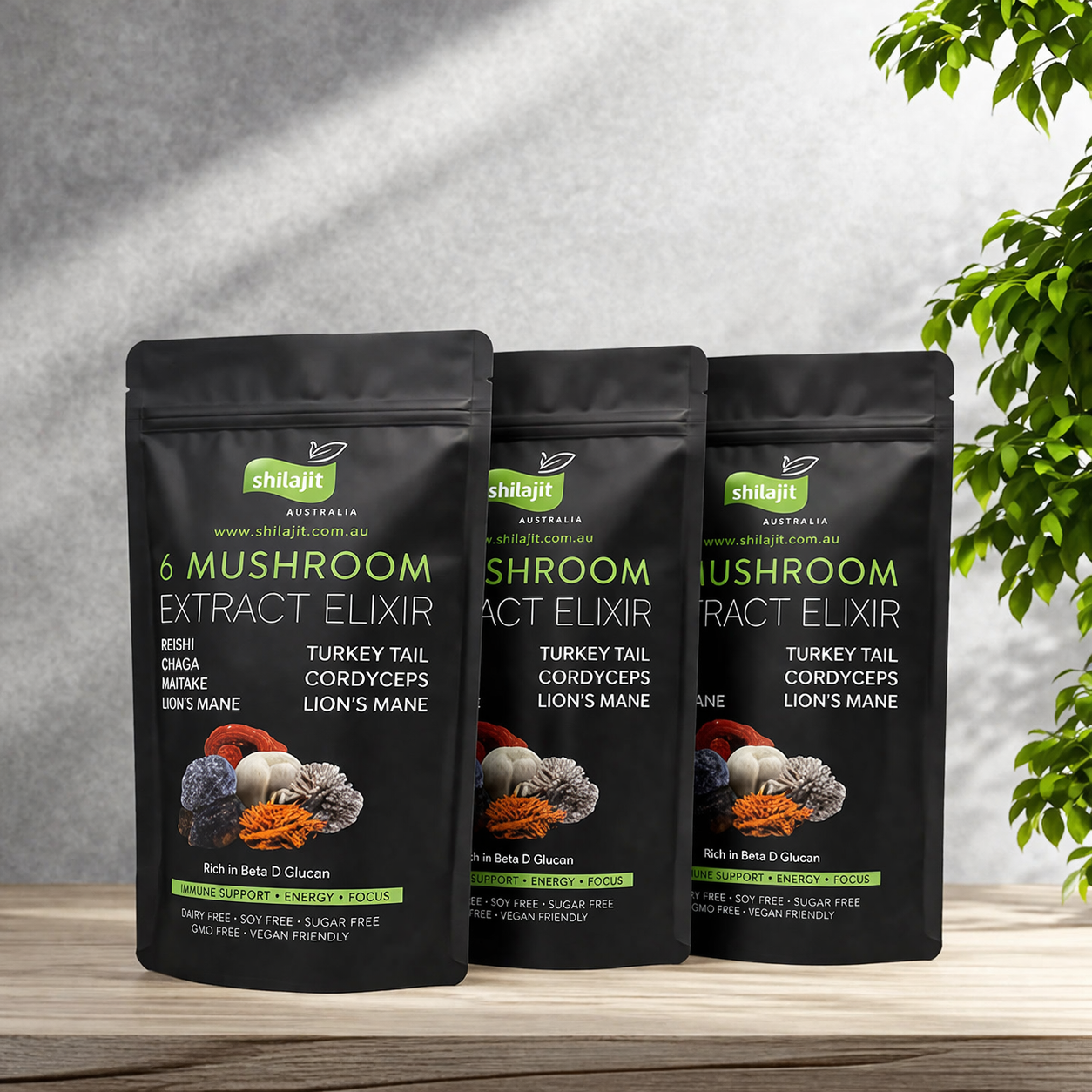
Mushroom Elixir 250 Grams — the stacking pick
This is an organic mushroom powder, not shilajit itself, but it pairs with a daily resin dose for plant-based eaters building a broader mineral-and-immune stack. At $69.66 for 250 grams, it’s priced as an add-on, not a replacement. Verdict: Consider.
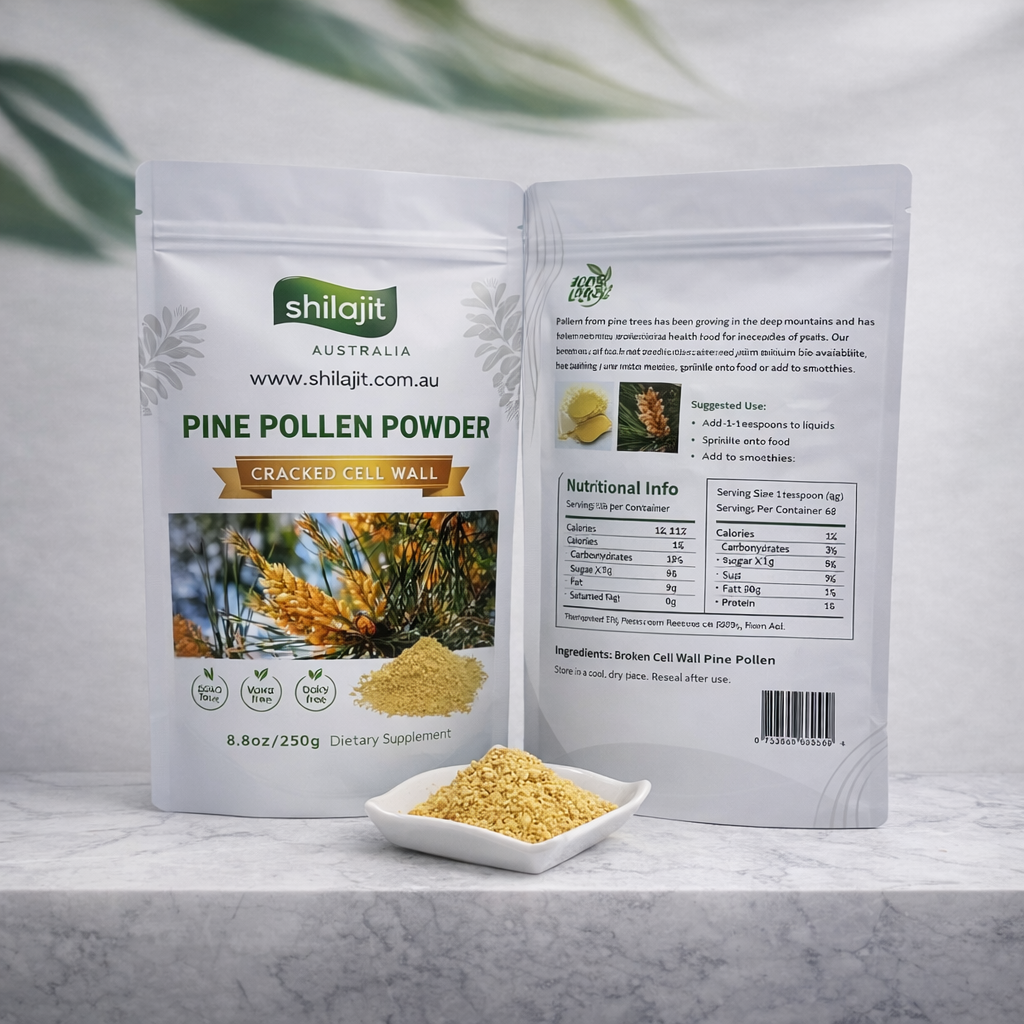
Pine Pollen Powder 250 Grams — the hormone-support pick
Pine Pollen Powder is plant-derived, harvested from the Masson pine forest at roughly 1,900 meters, with no animal processing aids involved. At $76.96 for 250 grams, it’s a plant-based option for anyone stacking hormone-support ingredients alongside shilajit resin. Verdict: Consider.
Shilajit Gummies — the one to skip if you’re strict
Shilajit Gummies list honey among their ingredients, which rules them out for a strict vegan diet even though the base shilajit content is genuine. At $89.55 for 100 gummies, they’re built for convenience over ingredient purity — if gummies are still the format you want, read the label before you buy. Verdict: Skip for strict vegans.
Shilajit resin covers minerals and fulvic acid, not amino acids, and that’s the piece most plant-based lifters still have to solve separately. Pairing a daily resin dose with a quality plant protein powder covers the amino acid side of training while the resin handles trace minerals — neither ingredient is trying to do the other’s job. Stay connected with Shilajit Australia on Instagram for premium resin updates, helpful guides and product news.
“If a shilajit product lists honey in the ingredients, it’s not vegan — the label decides, not the marketing.”
| Product | Vegan-friendly | Format | Best for | Verdict |
|---|---|---|---|---|
| Pure Himalayan Shilajit Resin | Yes | Resin | Daily mineral base | Buy |
| All Natural Shilajit Tincture | Yes | Liquid drops | Fast, on-the-go dosing | Consider |
| Mushroom Elixir | Yes | Powder | Immune and focus stacking | Consider |
| Pine Pollen Powder | Yes | Powder | Hormone-support stacking | Consider |
| Shilajit Gummies | No, contains honey | Gummy | Convenience over purity | Skip |
Is shilajit vegan?
Raw shilajit resin is vegan because it’s a mineral-and-fulvic-acid pitch with no animal-derived ingredients. Some processed formats, like gummies bound with honey, are not, so always check the specific product’s ingredient list.
Do shilajit gummies contain animal products?
Most shilajit gummies, including Shilajit Gummies, list honey among their ingredients, which makes them unsuitable for a strict vegan diet. The underlying shilajit resin content is still genuine, but the binder isn’t plant-only.
Is shilajit resin better than capsules for vegans?
Resin is generally the safer default for vegans because it has no capsule shell to question. Capsules can use gelatin shells unless the label specifically states a vegetarian or plant-based shell.
Does shilajit provide vitamin B12 for vegans?
No, shilajit is not a reliable source of vitamin B12. It supplies trace minerals and fulvic acid, so vegans still need a separate B12 source alongside a shilajit resin routine.
How is shilajit resin typically dosed?
Shilajit resin is commonly measured as a small, pea-sized serving dissolved in warm water, milk, or coffee. Always follow the dose printed on the specific product’s label rather than a generic amount.
Is pine pollen powder vegan?
Yes, pine pollen powder is a plant-derived powder harvested from pine trees with no animal processing aids involved. It’s commonly stacked alongside shilajit resin for hormone-support routines.
Where can vegans buy pure shilajit resin in Australia?
Shilajit Australia sells lab-tested Himalayan shilajit resin directly online, with single-ingredient resin, tincture, and powder formats that clear a strict plant-based check in 2026.
The detail most plant-based buyers miss: shilajit resin’s dark, tar-like colour and bitter taste come from fulvic and humic acid, not an additive. A resin that’s lighter, sweeter, or oddly smooth has usually been cut with something to make it more palatable, which is the opposite of what a plant-based buyer wants in 2026. Genuine Shilajit Australia resin should smell mineral, not sweet.
Avoid shilajit while pregnant or breastfeeding. No controlled trials, contamination risk, and one case links use to high blood pressure. Inform your…
Australia-focused look at shilajit gummies: what human trials actually show, how 500 mg/day dosing compares, and why batch COAs and TGA safety checks matter.