Uncategorized
6 Point Shilajit Lab Report Checklist for Australian Buyers
Verify Shilajit lab reports in Australia with a six point checklist. Spot fake COAs, check lab accreditation, lot match, analytical methods, and LODs.

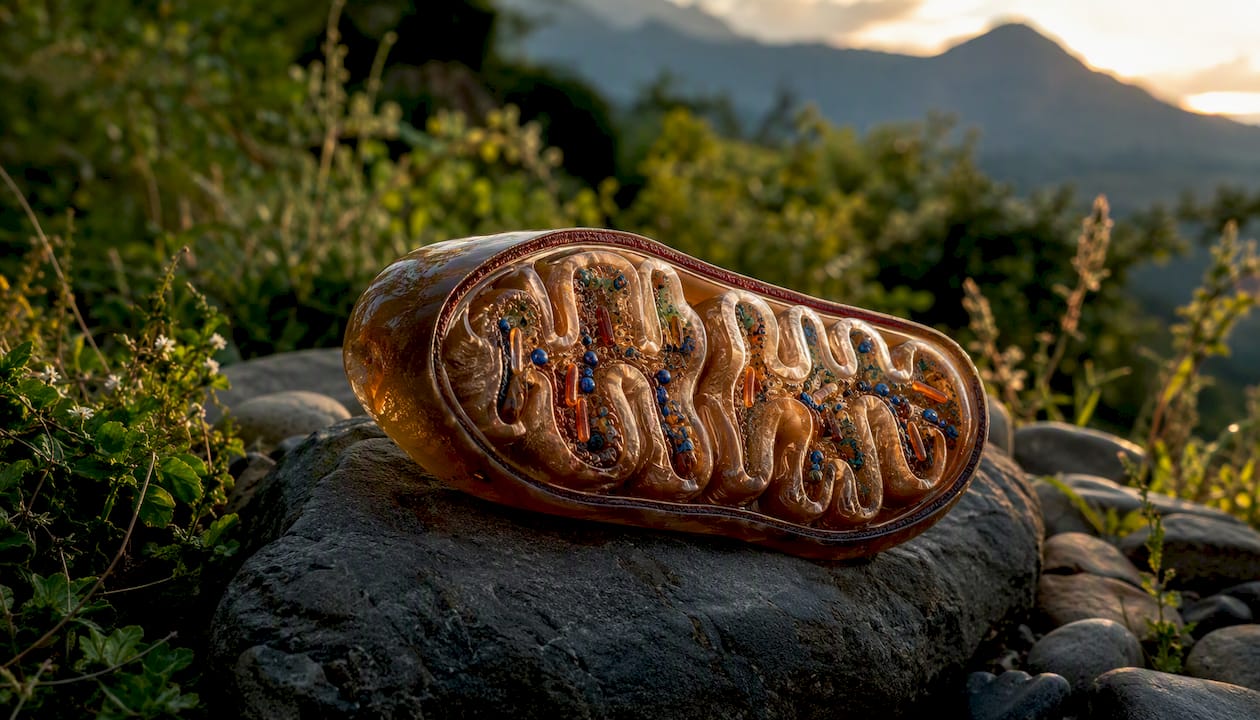
Mitochondrial energy production is the process by which mitochondria convert fuel molecules into ATP through three linked stages: the citric acid cycle, the electron transport chain, and chemiosmosis. According to StatPearls on oxidative phosphorylation, these stages proceed in sequence, with the citric acid cycle running in the matrix, the electron transport chain embedded in the inner membrane, and chemiosmosis coupling a proton gradient to ATP synthesis. Oxygen is the terminal electron acceptor that makes the whole system work. Without it, the chain stalls and cells fall back on glycolysis, which yields far less ATP.
Pro Tip: Think of mitochondrial ATP production as a three-act relay: the citric acid cycle loads the runners (NADH, FADH2), the electron transport chain runs the race while pumping protons, and ATP synthase collects the prize at the finish line.
The three stages at a glance:
**
Mitochondrial energy production converts fuel molecules into ATP through three linked stages, yielding more than 30 ATP per glucose via oxidative phosphorylation compared to just 2 from glycolysis alone.
| Point | Details |
|---|---|
| Three-stage pathway | Citric acid cycle, electron transport chain, and chemiosmosis operate in sequence to produce ATP. |
| ATP yield advantage | OXPHOS yields more than 30 ATP per glucose; glycolysis alone nets just 2. |
| Oxygen is essential | Oxygen is the terminal electron acceptor at complex IV; without it, the ETC stalls and ATP output collapses. |
| Proton gradient drives ATP synthase | The proton motive force built by complexes I, III, and IV powers the F0F1 rotary mechanism of ATP synthase. |
| Lactate and mtDNA nuances | Lactate is a direct mitochondrial substrate, not just waste; mtDNA encodes 13 respiratory chain subunits whose damage limits OXPHOS. |
The three-stage pathway is a tightly coupled sequence, not three independent reactions. Each stage feeds the next, and disrupting any one of them cuts ATP output.
Why does this matter compared to glycolysis alone? A PMC review on mitochondrial energy documents that mitochondrial oxidative phosphorylation typically yields more than 30 ATP per glucose molecule, while glycolysis alone nets just 2. That gap is why aerobic organisms can sustain high-energy activities that anaerobic metabolism simply cannot support.
Statistic: Mitochondrial OXPHOS yields significantly more ATP per glucose than glycolysis alone, which nets a small amount of ATP.
**
Physical architecture is not incidental here. Every compartment has a specific job, and the inner membrane’s design is the reason the proton gradient can exist at all.
“The inner mitochondrial membrane consists largely of protein, reflecting the density of electron transport complexes and ATP synthase packed into its surface.” (StatPearls, NCBI Bookshelf)
The outer membrane is permeable to small molecules and ions, so the cytosol and intermembrane space are chemically similar. The inner membrane is a different story. It is nearly impermeable to ions, including protons, which is what allows the proton gradient to build up rather than leak away. Protons can only re-enter the matrix through ATP synthase, so every proton pumped out is a stored unit of potential energy.
Cristae are the deep infoldings of the inner membrane. They dramatically increase surface area, allowing thousands of ETC complexes and ATP synthase units to be packed in. Cristae geometry also influences how efficiently protons diffuse to ATP synthase, so their shape is not just structural decoration.
| Compartment | Location | Key function |
|---|---|---|
| Outer membrane | Surrounds organelle | Permeable barrier; houses porins |
| Intermembrane space | Between outer and inner membranes | Proton reservoir; high H⁺ concentration |
| Inner membrane | Folded into cristae | Houses ETC complexes and ATP synthase |
| Matrix | Interior of inner membrane | Site of citric acid cycle and beta-oxidation |
| mtDNA | Within matrix | Encodes 13 respiratory chain subunits |
mtDNA deserves a special note. Mitochondria carry their own circular DNA, a remnant of their bacterial ancestry. That genome encodes 13 proteins, all of them subunits of the respiratory chain or ATP synthase. The NCBI Bookshelf chapter on mitochondrial genetics explains that damage to mtDNA can impair these components in ways the nuclear genome cannot fully compensate for, directly limiting OXPHOS capacity.
Mitochondria are flexible. They can oxidize glucose-derived pyruvate, fatty acids, and even lactate, switching between substrates depending on what the cell has available. That flexibility is central to how tissues sustain ATP supply across different metabolic states.
According to Molecular Biology of the Cell on the mitochondrion, pyruvate and fatty acids are the two primary fuels, each entering the matrix through dedicated transport systems.
The citric acid cycle, also called the Krebs cycle, does not make much ATP directly. Its real job is electron harvesting. Each turn of the cycle oxidizes one acetyl-CoA (two carbons) to two molecules of CO2 and loads the resulting electrons onto carrier molecules that feed the electron transport chain.
Per turn of the cycle, one acetyl-CoA yields:
The cycle regenerates oxaloacetate at the end of each turn, which is what allows it to keep running continuously as long as acetyl-CoA and NAD+ are available. NAD+ availability is the rate-limiting factor when the ETC is slow, because NADH backs up and the cycle stalls. That is the biochemical reason why oxygen deprivation hits the whole pathway, not just the ETC.
Numeric callout: One turn of the citric acid cycle produces NADH and FADH2, which carry electrons to the electron transport chain and ATP synthase for ATP production.
Electrons from NADH and FADH2 travel through four membrane-embedded complexes and ultimately reduce oxygen to water, while three of those complexes use the energy released to pump protons across the inner membrane. That proton pumping is what builds the gradient that powers ATP synthesis.
The Cell’s chapter on oxidative phosphorylation confirms that complexes I, III, and IV are the proton pumps, and that the rotary F0–F1 ATP synthase couples proton re-entry to ATP formation.
“Oxygen is not just a bystander. It is the terminal electron acceptor that keeps the entire chain moving. Remove it, and electrons pile up, the proton gradient collapses, and ATP synthesis stops.” (StatPearls, NCBI Bookshelf)
**
The proton motive force (PMF) is the combined electrical and chemical gradient built by proton pumping. ATP synthase (complex V) is the molecular turbine that converts it into chemical energy.
ATP synthase has two functional domains. The F0 subunit spans the inner membrane and forms the proton channel. As protons flow through F0 down their gradient, they drive rotation of a central rotor. That rotation is mechanically coupled to the F1 subunit, which protrudes into the matrix and carries the catalytic sites that bind ADP and Pi and release ATP. The Cell’s mechanistic chapter describes this as a rotary coupling mechanism, where each full rotation of the rotor produces multiple ATP molecules.
These are theoretical values. Real cellular yields are consistently lower because of transport costs and proton leak (more on that below).
Two membrane transporters complete the cycle. The adenine nucleotide translocator (ANT) exchanges newly made ATP in the matrix for ADP from the cytosol, one-for-one, across the inner membrane. The phosphate carrier (Pi transporter) imports inorganic phosphate into the matrix alongside a proton. Both exchanges consume a small portion of the PMF, which is why the cost of getting ATP out of the mitochondrion is built into the real-world yield.
Statistic: Each NADH and FADH2 contributes to ATP production through ATP synthase, with NADH generally supporting more ATP molecules than FADH2, though exact values vary depending on conditions.
The numbers make the case plainly. Glycolysis converts one glucose to 2 pyruvate and nets 2 ATP. Oxidative phosphorylation, running on the NADH and FADH2 generated by the citric acid cycle and beta-oxidation, produces the vast majority of a cell’s ATP.
| Source | ATP yield per glucose |
|---|---|
| Glycolysis (net) | 2 ATP |
| Citric acid cycle (direct, as GTP) | 2 ATP |
| NADH from glycolysis (via shuttles) | ~3–5 ATP |
| NADH from pyruvate dehydrogenase | ~5 ATP |
| NADH from citric acid cycle | ~15 ATP |
| FADH2 from citric acid cycle | ~3 ATP |
| Total (approximate) | ~30–32 ATP |
The commonly cited textbook range is 30–32 ATP per glucose, though some older texts used 36–38. The Cell’s NCBI chapter notes that actual cellular yields are often lower than the theoretical maximum because of three real-world costs:
The StatPearls NCBI entry confirms that the 30–32 figure is a theoretical value and that actual yields vary by cell type, metabolic state, and shuttle efficiency.
Mitochondrial ATP production is not running at full speed all the time. It is tightly regulated at multiple points, and when those controls fail, the consequences extend well beyond low energy.
Regulation occurs at four main levels:
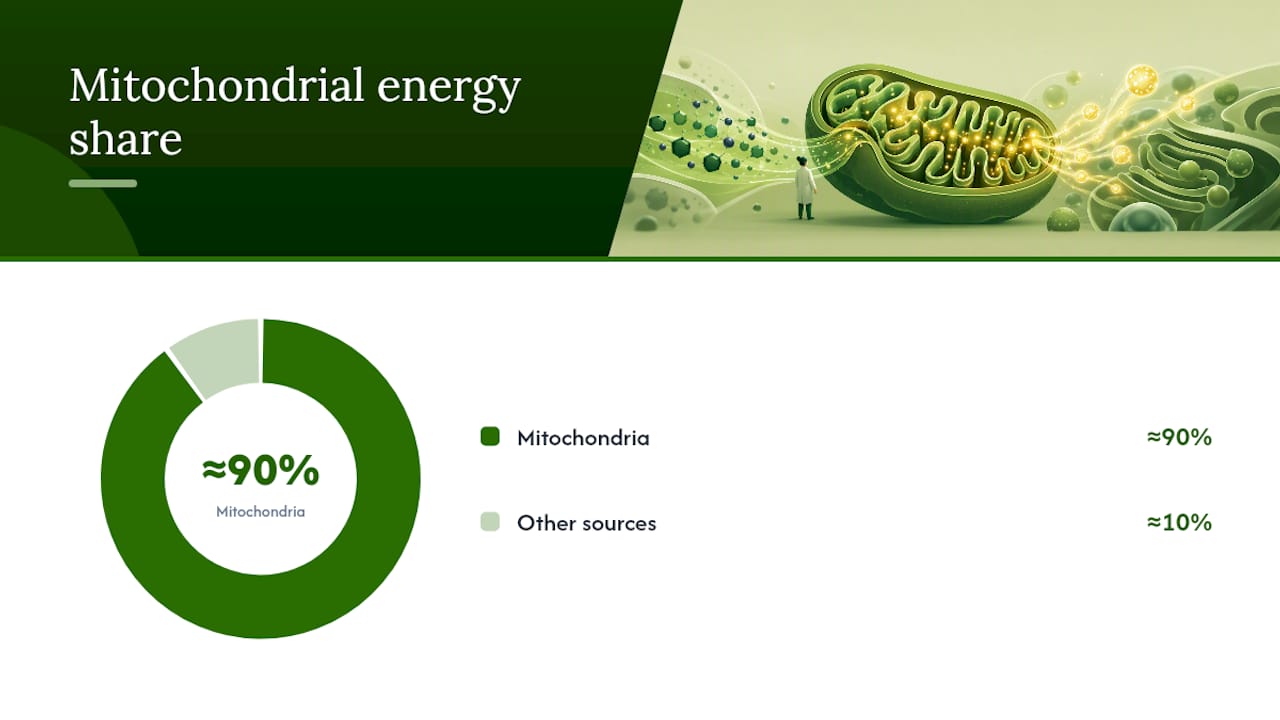
When the ETC is impaired, electrons leak prematurely to oxygen, forming reactive oxygen species (ROS) such as superoxide. Low-level ROS are normal signaling molecules. Excess ROS, however, damage lipids, proteins, and DNA, including mtDNA, creating a feedback loop where damaged respiratory chain components generate more ROS. The NIH’s summary on mitochondria and health notes that mitochondria supply roughly 90% of the energy many cells need, making mitochondrial integrity central to tissue function. Dysfunction has been linked to metabolic disorders, neurodegeneration, and aging, though the causal relationships are complex and active areas of research.
Pro Tip: When interpreting mitochondrial function assays (such as oxygen consumption rate measured by Seahorse XF analyzers), look at both basal respiration and spare respiratory capacity — the gap between them tells you how much reserve the cell has before it hits its ceiling.
Two developments have meaningfully updated the textbook picture of mitochondrial energy metabolism.
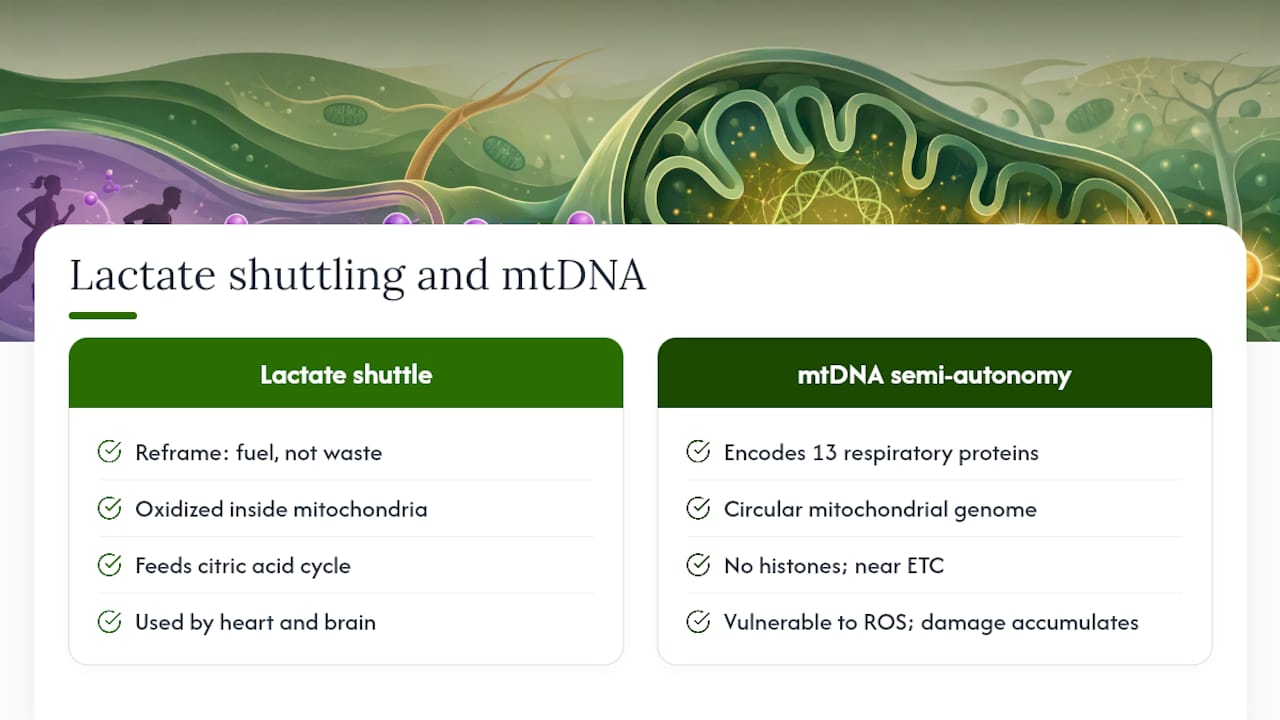
Lactate as a fuel, not just waste. The traditional view treated lactate as a byproduct of anaerobic glycolysis, something muscles dump into the blood when oxygen runs short. That picture is incomplete. Intra- and intercellular lactate shuttles allow lactate produced in one tissue to be taken up and oxidized by mitochondria in another. The heart and brain, for example, can use lactate exported by working muscle as a direct fuel source. A PMC review on mitochondrial energy documents that mitochondrial L-lactate dehydrogenase oxidizes lactate to pyruvate inside the organelle, feeding it directly into the citric acid cycle. This reframes lactate as a mobile energy currency, not a metabolic dead end.
“Lactate is not simply a waste product of anaerobic metabolism. It is a substrate that mitochondria in many tissues can oxidize directly, connecting the metabolic activity of different organs through circulating lactate.” (PMC, Mitochondria: It is all about energy)
mtDNA semi-autonomy and its consequences. Mitochondria carry their own genome, a circular DNA molecule encoding 13 proteins, all of them components of the respiratory chain or ATP synthase. The NCBI Bookshelf chapter on mitochondrial genetics explains that because these subunits are encoded locally, damage to mtDNA directly impairs the respiratory chain in ways the nuclear genome cannot fully repair or replace. mtDNA also lacks the protective histones of nuclear DNA and sits close to the ETC, the main site of ROS production, making it more vulnerable to oxidative damage. This semi-autonomy is why inherited mtDNA mutations cause distinct mitochondrial diseases, and why acquired mtDNA damage accumulates with age.
Understanding how mitochondria produce ATP changes how you read claims about energy, exercise, and metabolic health. When someone says a supplement “supports mitochondrial function” or a training protocol “improves cellular energy,” you now have the framework to ask the right questions: which stage? Which substrate? What’s the actual mechanism?
For students, the pathway from glucose to 30+ ATP is the foundation for understanding everything from exercise physiology to pharmacology. For health-curious readers, it explains why oxygen delivery, nutrient quality, and metabolic flexibility are not abstract wellness concepts but direct inputs into a biochemical system that cannot store its product. The body cannot stockpile ATP the way it stockpiles glycogen. Efficient OXPHOS must run continuously, which is why mitochondrial health has genuine clinical relevance across metabolic, cardiovascular, and neurological conditions.
For clinical questions about mitochondrial disease, metabolic disorders, or supplement use, consult a qualified healthcare provider and refer to primary sources such as those listed below.
This article is general information, not a substitute for advice from a qualified doctor. Consult a qualified healthcare professional about your own circumstances before acting on anything here.
Verify Shilajit lab reports in Australia with a six point checklist. Spot fake COAs, check lab accreditation, lot match, analytical methods, and LODs.
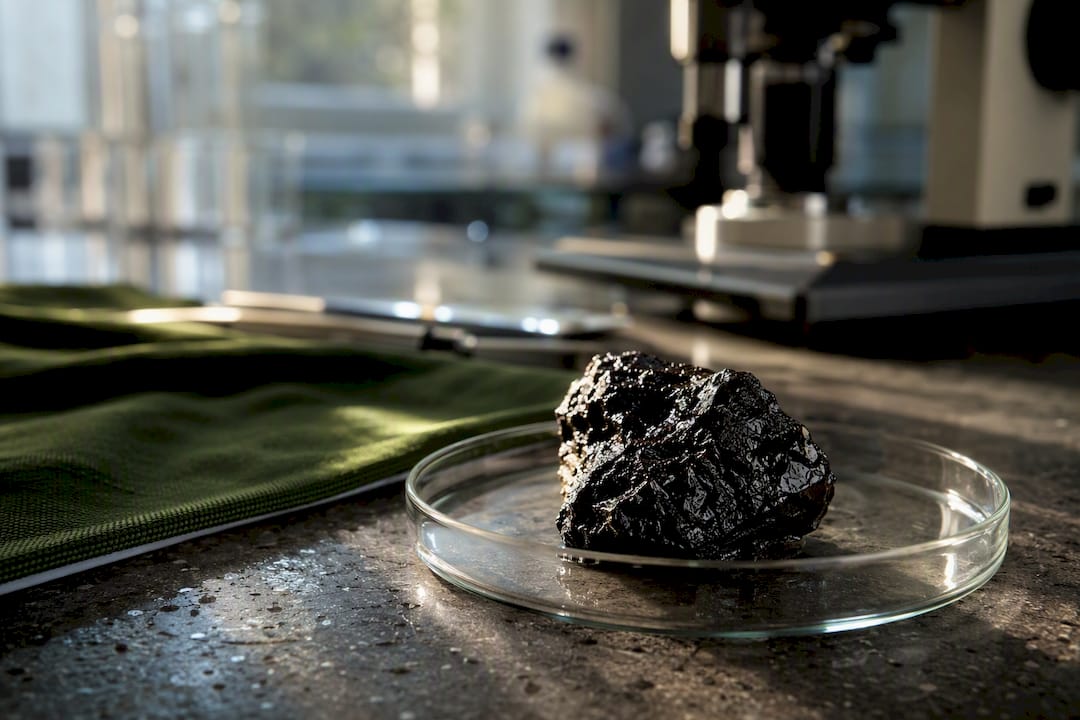
Learn to pick pure shilajit by reading the batch COA. Check fulvic acid range, named lab method, numeric heavy-metal results, and harvest altitude.