Uncategorized
6 Point Shilajit Lab Report Checklist for Australian Buyers
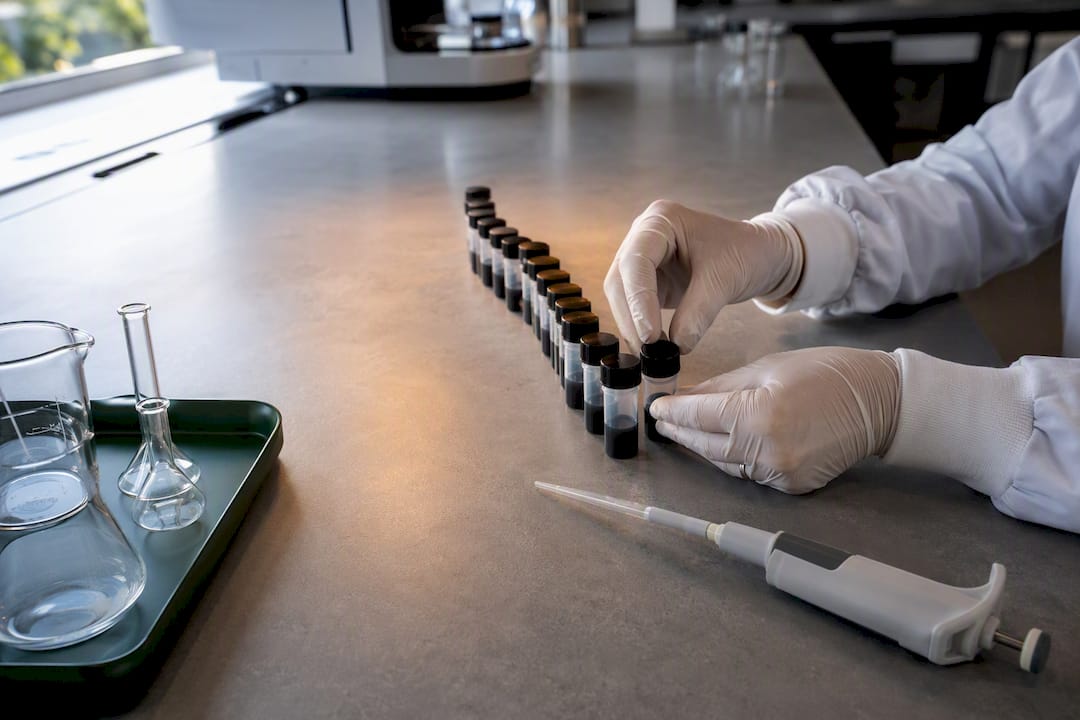
Verify Shilajit lab reports in Australia with a six point checklist. Spot fake COAs, check lab accreditation, lot match, analytical methods, and LODs.

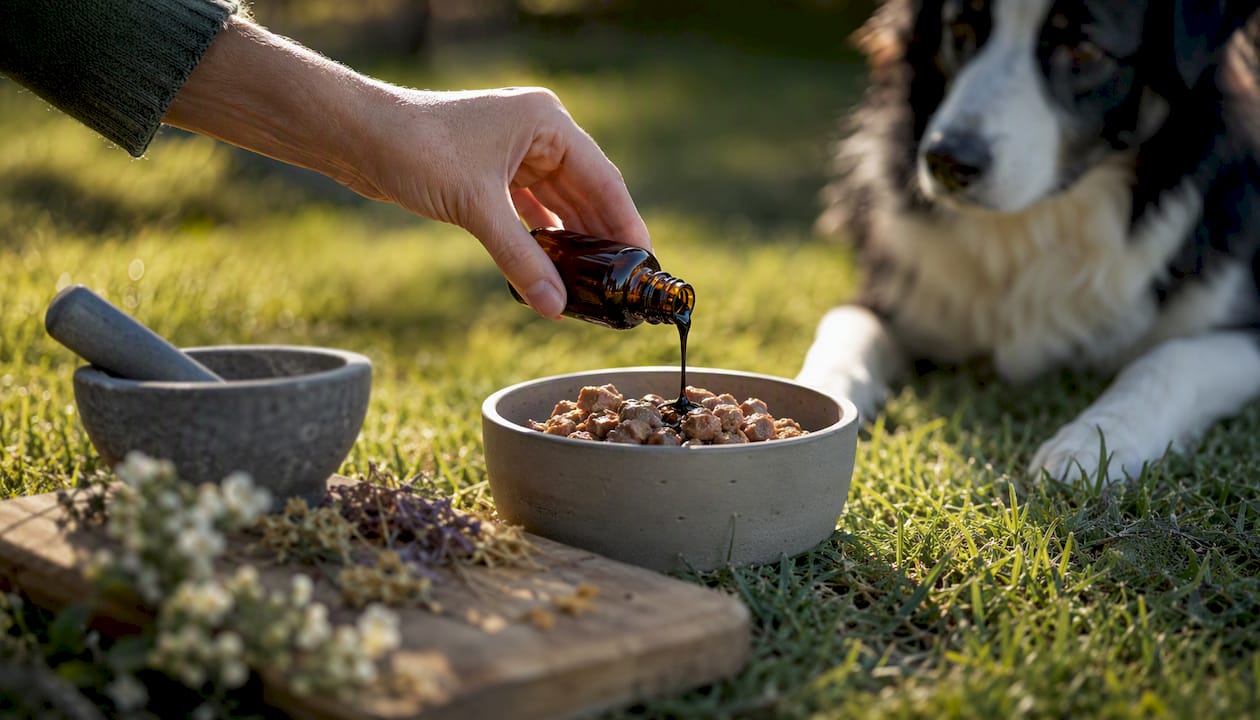
Fulvic acid can genuinely help dogs, and the benefits of fulvic acid for dogs are most consistent in three areas: nutrient absorption, gut microbiome balance, and reducing low-grade inflammation. The science behind these effects comes largely from cell studies and livestock trials rather than controlled canine clinical trials, so expectations should be calibrated accordingly. That said, the mechanistic evidence is solid enough that many veterinary nutritionists are paying attention.
The most likely benefits dog owners report and researchers have documented in related species:
Start with the lowest suggested dose for your dog’s weight, watch stool consistency and energy for the first two weeks, and note any current medications before you begin.
Pro Tip: Before starting, write your vet a one-line message: “I’d like to trial fulvic acid supplementation for [dog’s name] for 6–8 weeks. Are there any interactions with [current meds] I should watch for, and would you recommend a baseline thyroid or heavy-metal screen?”
Fulvic acid offers dog owners a mechanistically grounded supplement option for gut, immune, skin, and joint support, with the strongest evidence in cell and livestock studies and a growing canine-specific cell biology base.
| Point | Details |
|---|---|
| Start low and monitor | Begin at 25–50% of the weight-based dose and hold for 5–7 days before increasing. |
| Expect gradual results | Gut and energy changes appear within 2–3 weeks; coat and joint improvements take 6–12 weeks. |
| COA is non-negotiable | Always request a third-party Certificate of Analysis with a heavy-metal panel before long-term use. |
| Vet consult for medicated dogs | Fulvic acid’s chelating activity can alter absorption of thyroid hormones and some antibiotics. |
| Shilajit as a fulvic source | Shilajit’s Himalayan resin delivers fulvic acid with a full mineral matrix and batch-level COA documentation. |
Fulvic acid is the smallest-molecule fraction of humic substances, the complex organic compounds that form when microbes break down plant material over long periods in soil, peat, and sediment. Think of it as the end product of decomposition distilled down to its most biologically active components.
Common sources and why they matter:
Source matters because fulvic acid from leonardite and peat can carry different contaminant profiles than Himalayan shilajit. The extraction and purification process determines how much of the beneficial fraction you actually get, and whether heavy metals come along for the ride.
Biologically, fulvic acid works through a few distinct mechanisms. Its small molecular size lets it pass through cell membranes more readily than larger humic acid molecules. Once inside, it acts as a mineral chelator, binding trace elements like zinc, iron, and magnesium and escorting them into cells rather than letting them pass through the gut unabsorbed. It also scavenges free radicals and appears to modulate the gut microbiome environment, favoring bacteria that produce SCFAs like butyrate.
The practical distinction between fulvic and humic acid: fulvic is the intracellular transporter and chelator; humic acid is larger, stays more in the gut lumen, and works primarily as a barrier repairer and anti-inflammatory agent. For pet use, some practitioners combine both in phased gut-repair protocols, with fulvic and humic working as complementary tools rather than interchangeable ones.
The honest summary: the evidence is mechanistically strong and directionally consistent, but most of it comes from cell studies and livestock trials, not controlled dog studies. Here is what the research actually shows.
| Study / Source | Species | Dose / Form | Main Outcome | Strength / Limit |
|---|---|---|---|---|
| Frontiers in Nutrition, 2022 | Xianju yellow chicken | 1,500 mg/kg dietary | Reduced serum TNF-α, increased IL-2, microbiome shifts toward SCFA producers at highest dose | Controlled trial; non-canine model |
| PMC3296184 (review) | Multiple (in vitro/animal) | Varied | Antioxidant activity, NF-κB modulation, anti-inflammatory effects | Review; mechanistic, not clinical |
| PMC6151376 (cell/biochemical) | In vitro model systems | Varied | Fulvic complexes improved transmembrane mineral transport vs. inorganic salts | Cell study; dose translation uncertain |
| NGD Care canine cell study, 2026 | Canine epithelial/immune cells | In vitro | Humic acid maintained epithelial barrier integrity under LPS stress; lowered TNF-α and IL-6 in canine PBMCs | Canine cell model; not a live-animal trial |
The 2022 poultry trial is the most cited livestock study in this space. At 1,500 mg/kg dietary fulvic, researchers recorded a statistically significant decrease in TNF-α and increase in IL-2, alongside cecal microbiome changes including reduced Campylobacter and enrichment of SCFA-producing genera. That is a meaningful immune and gut signal, even if chickens are not dogs.
The review of humic substances consolidates antioxidant and anti-inflammatory findings across multiple experimental models and identifies NF-κB pathway modulation as a plausible central mechanism. This is the same pathway implicated in chronic inflammatory conditions in dogs.
The canine cell data from NGD Care is the closest thing to dog-specific evidence currently available. It does not replace a randomized controlled trial, but it does mean the gut-barrier rationale is no longer purely extrapolated from chickens.
Key evidence gaps: No large, peer-reviewed randomized controlled trials in companion dogs. Dose translation from livestock (mg/kg feed) to dogs (mg/kg body weight) is uncertain. Product heterogeneity means one “fulvic acid” supplement may behave very differently from another depending on source and concentration.
Fulvic acid supports the gut environment through two complementary pathways. First, it appears to shift the microbiome toward SCFA-producing bacteria, which feed colonocytes and support a healthy mucosal lining. Second, canine cell studies show that humic acid, the larger sibling compound, reduces paracellular permeability under inflammatory stress, suggesting the humic/fulvic combination can help maintain tight junctions in a compromised gut.
Evidence strength: Moderate (livestock trial + canine cell data). Practical signals to watch: stool consistency, reduced gas, more regular bowel movements within 2–4 weeks.
The NF-κB modulation documented in the humic substances review is the core mechanism here. NF-κB is a master regulator of pro-inflammatory cytokine production. When fulvic and humic compounds dampen its activity, the downstream effect is lower TNF-α and IL-6, the same cytokines that drive chronic low-grade inflammation in dogs with allergies, gut issues, or joint disease.
Evidence strength: Moderate (cell and livestock studies; no canine RCT). Not a replacement for veterinary immunotherapy or allergy treatment, but a plausible complementary support.
The mechanism here is indirect but logical. Better mineral absorption means more zinc, copper, and selenium available for keratin synthesis and skin barrier maintenance. Reduced systemic inflammation also lowers the inflammatory load that drives itching, flaking, and dull coats. Pet owners and veterinary-facing sources typically report visible coat changes within 3–6 weeks of consistent supplementation.
Evidence strength: Limited (mechanistic inference + owner-reported outcomes). Expect gradual improvement, not a rapid fix.
Fulvic acid’s antioxidant activity and NF-κB modulation make it a reasonable complementary tool for dogs with chronic joint discomfort. The free-radical scavenging reduces oxidative stress in joint tissue, and the anti-inflammatory pathway may lower the cytokine burden that accelerates cartilage breakdown. For joint health in dogs, this is a supportive measure, not a standalone treatment for diagnosed osteoarthritis.
Evidence strength: Limited to moderate (cell and animal studies; mechanism is plausible). Combine with veterinary-recommended joint support (omega-3s, glucosamine) rather than replacing them.
This is where the evidence is most direct. Cell and biochemical studies show fulvic complexes facilitate transmembrane mineral transport more effectively than inorganic salts in model systems. For dogs eating processed kibble, where mineral bioavailability is already reduced by heat processing and phytate binding, fulvic acid’s chelating role can meaningfully improve how much zinc, iron, magnesium, and selenium actually reaches cells.
Evidence strength: Moderate (cell studies with clear mechanistic data). The role of fulvic acid in mineral uptake is one of the better-supported claims in this space.
Fulvic acid’s chelating properties work in both directions: it can bind beneficial minerals for transport, and it can bind toxic metals and mycotoxins for excretion. This detox function is particularly relevant for dogs that eat grain-based kibble, which can carry low-level mycotoxin contamination. The binding is not selective, which is why timing and dosing matter.
Evidence strength: Limited (mechanistic and in vitro; limited in vivo data in dogs). Do not use this as a substitute for addressing a known contamination source.
Fulvic acid acts as a natural electrolyte carrier, supporting the movement of water and ions across cell membranes. This is a subtler benefit than gut or immune support, but it contributes to overall cellular function, particularly in active or working dogs. The effect is cumulative rather than acute.
Evidence strength: Limited (mechanistic inference from biochemical studies).
Forms available:
Liquid fulvic concentrates are the most common format in pet products. They mix easily into wet food or can be added to water, though some dogs detect the earthy taste and refuse water-based dosing. Powdered or encapsulated fulvic in pet-specific formulas offers more precise dosing by weight. Shilajit-derived fulvic, in resin or tincture form, delivers fulvic alongside the full mineral matrix of the original resin, which some practitioners prefer for its broader trace-element profile.
Introduction protocol:
Hold that level for 5–7 days while watching stool consistency and energy. If no adverse signs appear, move to the full suggested dose. Most product labels give weight-based guidance; follow that over any generic “one size” instruction.
Practical administration:
Mix liquid fulvic into wet food or a small amount of bone broth rather than plain water. Dogs are far more likely to consume it without noticing. For powders, mixing into a small amount of food first, then adding the rest of the meal on top, helps mask any earthy flavor. Keep dosing times consistent, ideally with the same meal each day, since gut microbiome effects build with regularity.
When to expect changes:
Stool consistency and energy shifts tend to appear within 2–3 weeks. Coat and skin changes take longer, typically 4–6 weeks of consistent use before owners notice a visible difference. Joint comfort changes are the slowest and most variable, often requiring 8–12 weeks before a meaningful assessment is possible.
Pro Tip: For picky eaters or dogs on prescription medications, mix the fulvic dose into a small amount of plain, unseasoned meat or a lick mat treat. This separates the supplement from the main meal, which helps if you ever need to withhold the supplement temporarily to assess a medication interaction.
Fulvic acid has a generally favorable safety profile in the doses used in pet supplements, but there are real risks to know before you start.
Common mild side effects:
Interactions and special populations:
Fulvic acid’s chelating activity can alter the absorption timing of prescription medications, particularly thyroid hormones (levothyroxine) and some antibiotics. If your dog takes any daily medication, a vet consult before starting is not optional. Separate fulvic dosing from medication administration by at least two hours as a precaution.
Dogs with diagnosed thyroid disease, puppies under six months, and pregnant or nursing dogs warrant extra caution and veterinary sign-off before any supplementation.
Contamination risk:
Poorly sourced fulvic products can carry elevated levels of heavy metals, including arsenic, lead, and cadmium. This is the most serious safety concern in the category. A Certificate of Analysis (COA) with a heavy-metal panel from a third-party lab is non-negotiable for any product you give your dog long-term.
Red flags — stop and contact your vet if you see:
What the label should tell you:
A credible product states the fulvic acid concentration (typically as a percentage or mg per serving), the source material (shilajit, leonardite, peat, or aquatic humus), a weight-based dosing recommendation, and a third-party testing claim. If the label says only “humic/fulvic blend” with no source and no concentration, that is a gap worth questioning.
Documents that actually matter:
The Certificate of Analysis is the single most important document. It should include a heavy-metal panel (arsenic, lead, mercury, cadmium at minimum), microbiological testing (absence of pathogens), and batch traceability so you can verify the specific lot you purchased. Some manufacturers post COAs on their website by batch number; others provide them on request. If a company cannot or will not provide a COA, move on.
Red flags to walk away from:
Vague sourcing language like “natural earth minerals” without specifying the deposit type. Claims that the product treats or cures specific diseases (arthritis, cancer, kidney disease). A heavy-metal warning on the label itself, which some products carry under California Prop 65 rules. No third-party testing claim anywhere on the packaging or website.
Shilajit as a fulvic source:
Himalayan shilajit is worth specific attention because it delivers fulvic acid within a naturally occurring mineral matrix rather than as an isolated extract. The fulvic acid in shilajit has been studied in the context of the whole resin, and the trace mineral co-factors may enhance its bioavailability compared to isolated fulvic fractions. The tradeoff is that shilajit resin requires careful dosing for pets, and the COA requirement is even more critical given the mineral density.
Most vets are open to discussing fulvic acid supplementation when you come prepared with specific questions rather than a vague “I read about this online.” Here is what to bring.
Study references your vet can check:
Monitoring checklist for a 6–12 week trial:
If your dog will be on fulvic supplementation for more than three months, ask your vet about a baseline heavy-metal screen, particularly if the product source is unclear.
Pro Tip: Copy this into your vet message: “I’d like to trial a fulvic acid supplement (from [source]) for [dog’s name] for 8–12 weeks. Are there any interactions with [current medications] I should know about? Would you recommend a baseline thyroid panel or heavy-metal screen before we start?”
The supplement category for pets is full of products that outrun their evidence. Fulvic acid is not one of them, but it is also not a miracle compound. The honest position is that the mechanistic case is genuinely strong, the livestock and cell data are directionally consistent, and the canine-specific cell evidence is newer and more encouraging than most people realize. What is missing is a well-designed, peer-reviewed randomized controlled trial in companion dogs with standardized dosing and measured endpoints.
That gap matters. It means the right approach is monitored, time-limited supplementation with a clear baseline and a clear endpoint, not indefinite open-ended use. Product variability is the other real-world problem. Two products both labeled “fulvic acid” can differ dramatically in concentration, source purity, and heavy-metal load. A COA is not a nice-to-have; for long-term use in a dog, it is the minimum standard.
The dogs most likely to benefit are those with chronic low-grade gut issues, dull coats despite good nutrition, or early joint stiffness, where the combination of improved mineral uptake and reduced inflammatory load addresses the root of the problem rather than masking symptoms. For acute illness, fulvic is not the tool. For chronic, low-level imbalance in an otherwise healthy dog, it is worth a structured trial under veterinary guidance.
If you have read this far and want a fulvic-containing product with documented sourcing and third-party testing, Shilajit’s pure Himalayan shilajit resin is a direct option. Full disclosure: this is Shilajit’s own product, and the site sells it alongside related wellness supplements.
What sets it apart for pet use is the source transparency. The resin comes from high-altitude Himalayan deposits, and batch COAs covering heavy metals and purity are available on request through customer support. For pet owners, the safe dosing guide for pets gives weight-based starting points and a phased introduction schedule. Start at the lowest suggested dose for your dog’s weight, hold for one week, and scale up only if no adverse signs appear. Bring the COA to your vet appointment so they can review the mineral panel before you commit to a longer trial.
Verify Shilajit lab reports in Australia with a six point checklist. Spot fake COAs, check lab accreditation, lot match, analytical methods, and LODs.
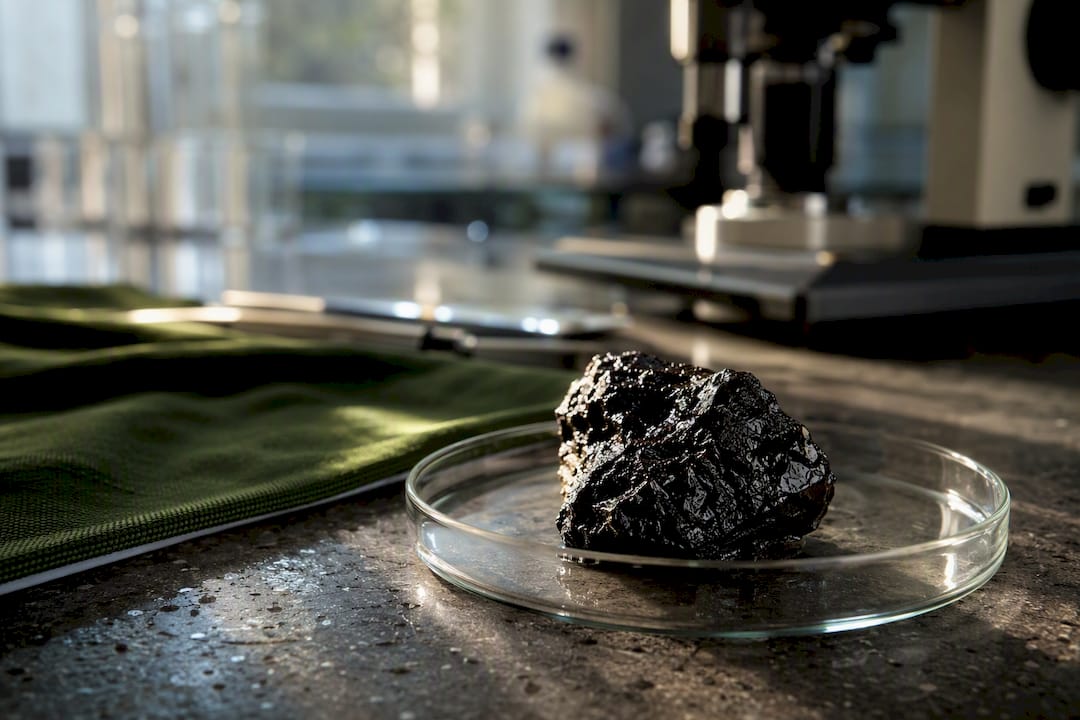
Learn to pick pure shilajit by reading the batch COA. Check fulvic acid range, named lab method, numeric heavy-metal results, and harvest altitude.