Uncategorized
6 Point Shilajit Lab Report Checklist for Australian Buyers
Verify Shilajit lab reports in Australia with a six point checklist. Spot fake COAs, check lab accreditation, lot match, analytical methods, and LODs.
The ingredients to avoid in supplements fall into two buckets: things that shouldn’t be there at all and things dosed high enough to hurt you. Undeclared pharmaceuticals and heavy metals belong to the first group. Excess vitamin A, iron, and additives like titanium dioxide belong to the second. A JAMA Network Open analysis found that roughly 80% of supplements marketed for weight loss, sexual enhancement, or muscle building contained at least one undeclared drug ingredient, and one in five had more than one.
Here’s the priority list, worst offenders first:
The biggest red flag isn’t a specific chemical name. It’s a “proprietary blend” that hides amounts, sold in a category (weight loss, sexual enhancement, bodybuilding) where the FDA’s own tainted products database shows contamination is common, not rare.
The ingredients most worth avoiding in supplements are undeclared pharmaceuticals and heavy metals, because both cause real harm and hide behind vague labeling that transparent testing can expose.
| Point | Details |
|---|---|
| Adulteration is the top risk | Roughly 80% of weight-loss, sexual-enhancement, and bodybuilding supplements tested positive for undeclared drug ingredients. |
| Heavy metals accumulate silently | Chronic low-dose exposure from contaminated botanicals builds up over years, not single doses. |
| Fat-soluble vitamins can overdose | Vitamin A, iron, and selenium lack the wide safety margin water-soluble vitamins have. |
| Proprietary blends hide amounts | Skip any label that lists a blend without breaking out individual ingredient doses. |
| Choose lab-tested, transparent sourcing | Shilajit publishes batch lab results and mineral content instead of vague blend labeling. |
Checking a label works only if you know what you’re looking for. Here’s what shows up on ingredient panels and why each one earns a second look.
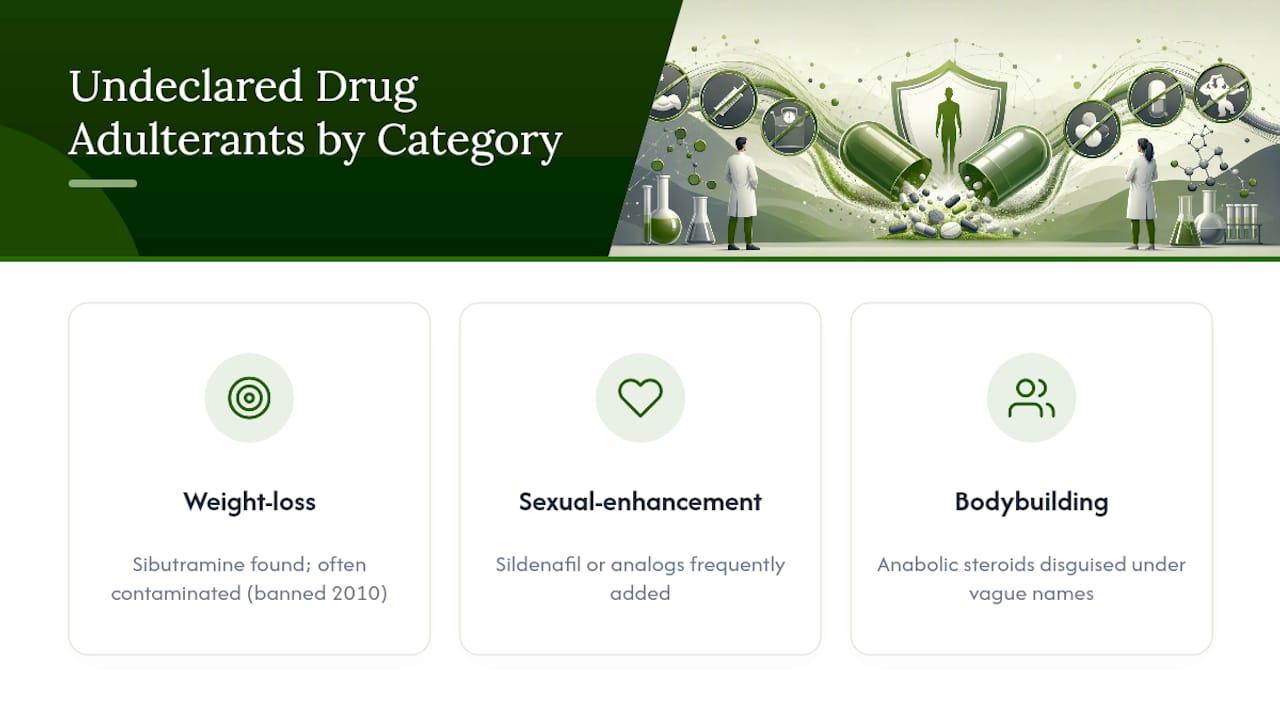
Undeclared pharmaceutical adulterants. These won’t be on the label at all, which is exactly the problem. Weight-loss products get spiked with sibutramine (banned in the US since 2010), sexual-enhancement products get spiked with sildenafil or its analogs, and bodybuilding supplements sometimes contain anabolic steroids disguised under vague names. The FDA’s warning on this is blunt: products in these three categories are “frequently” contaminated with prescription drugs or banned substances.
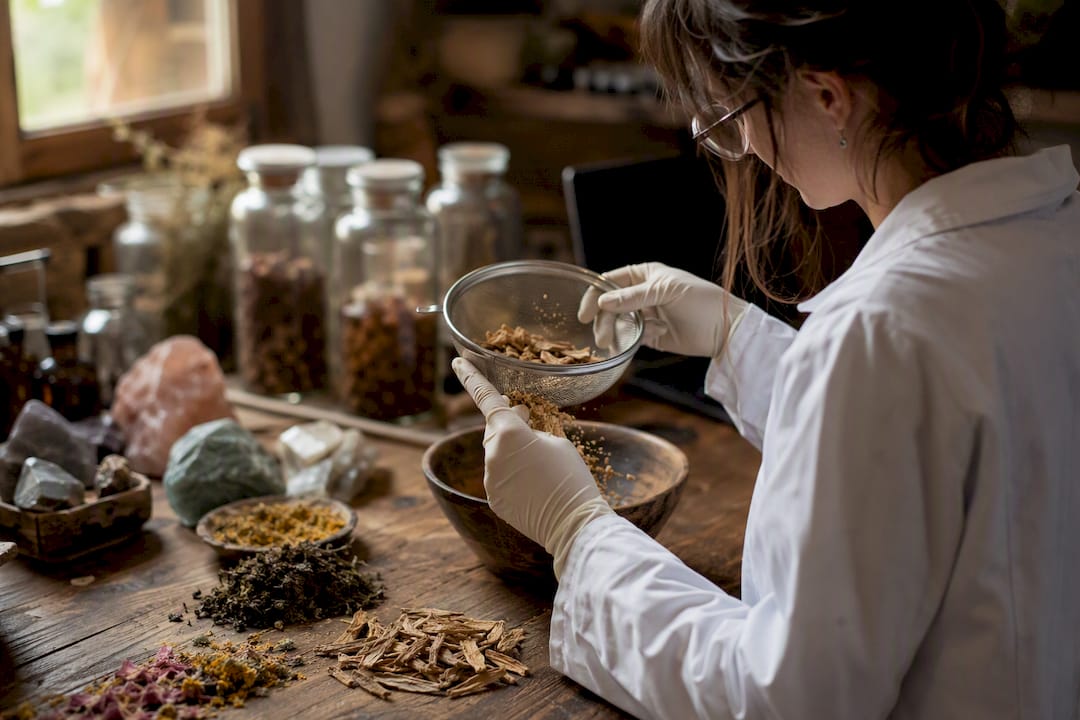
Heavy metals (lead, arsenic, cadmium, mercury). These turn up most often in botanicals and mineral supplements sourced from unmonitored supply chains, particularly certain Ayurvedic formulations and some protein powders. Contamination surveys of herbal and nutraceutical products show this risk is uneven but well documented across the supply chain broadly. Heavy metals accumulate; low-level chronic exposure is the real danger, not a single dose.
Titanium dioxide (E171). Used as a whitening agent in tablet coatings. The European Food Safety Authority concluded it can no longer be considered safe as a food additive due to genotoxicity concerns, meaning it may damage DNA. It’s still permitted in some markets, so check the ingredient panel yourself.
Talc. Used as an anti-caking agent in some capsules and tablets. The concern is cross-contamination with asbestos fibers during mining, which isn’t consistently screened for.
Magnesium stearate. This one gets more hate than it deserves. It’s a flow agent that keeps powder from sticking to manufacturing equipment, and at the doses used (typically under 1% of a capsule), mainstream toxicology data doesn’t support the “toxic filler” claims that circulate online. It’s worth knowing, not necessarily avoiding.
Artificial colors and dyes. Red 40, Yellow 5, and similar synthetic dyes serve zero functional purpose in a supplement. They’re cosmetic, and some people report sensitivity reactions.
Carrageenan. A thickener derived from seaweed, associated in some studies with gut inflammation, particularly in people with existing digestive conditions.
Hydrogenated oils. A trans-fat source sometimes used in softgel formulations or flavored powders. Cardiovascular research treats trans fats as a known risk factor.
Sodium benzoate plus vitamin C. Individually, both are common and generally recognized as safe. Combined in the same liquid formula under heat or light exposure, they can form small amounts of benzene, a carcinogen. Check liquid supplements specifically for this pairing.
Comfrey and kava. Both are herbs with documented hepatotoxic potential. Herbal and dietary supplements are already implicated in more than 16% of drug-induced liver injury cases in some recent registries, up from roughly 10% historically, and these two herbs are named contributors.
Excess vitamin A, iron, and selenium. Fat-soluble vitamins and certain minerals don’t flush out the way water-soluble ones do. Iron overdose is a leading cause of pediatric poisoning deaths in the US.
Not every additive is a scam. Manufacturers add non-active ingredients for real formulation reasons, and knowing the difference between a functional additive and a red flag saves you from either over-worrying or under-checking.
Legitimate bulking agents are a cost-of-manufacturing issue, not a safety issue. Deliberate adulteration, like slipping in an undeclared drug, is a different category entirely: it’s fraud, not formulation. Cheap sourcing tends to blur the line, because manufacturers cutting corners on ingredient cost are often the same ones skipping contamination testing.
The harms from these ingredients cluster into a few patterns:
Certain groups carry more risk from all of the above: pregnant and breastfeeding people, children, anyone on prescription medications like warfarin or antiretrovirals, and people with existing liver or kidney disease. If a supplement is metabolized through the liver or kidneys, an already-compromised organ has less capacity to handle contamination or excess dosing.
Pro Tip: If you suspect a supplement caused a reaction, stop taking it immediately, save the bottle and lot number, and get evaluated by a doctor. Report the product to your national health regulator so others aren’t exposed to the same batch.
Reading a label well takes less time than reading a nutrition panel on a cereal box, once you know what to scan for.
Pro Tip: If you’re pregnant, managing a chronic illness, or taking prescription medication, run any new supplement past a pharmacist first. It takes five minutes and closes off most of the interaction risk described above.
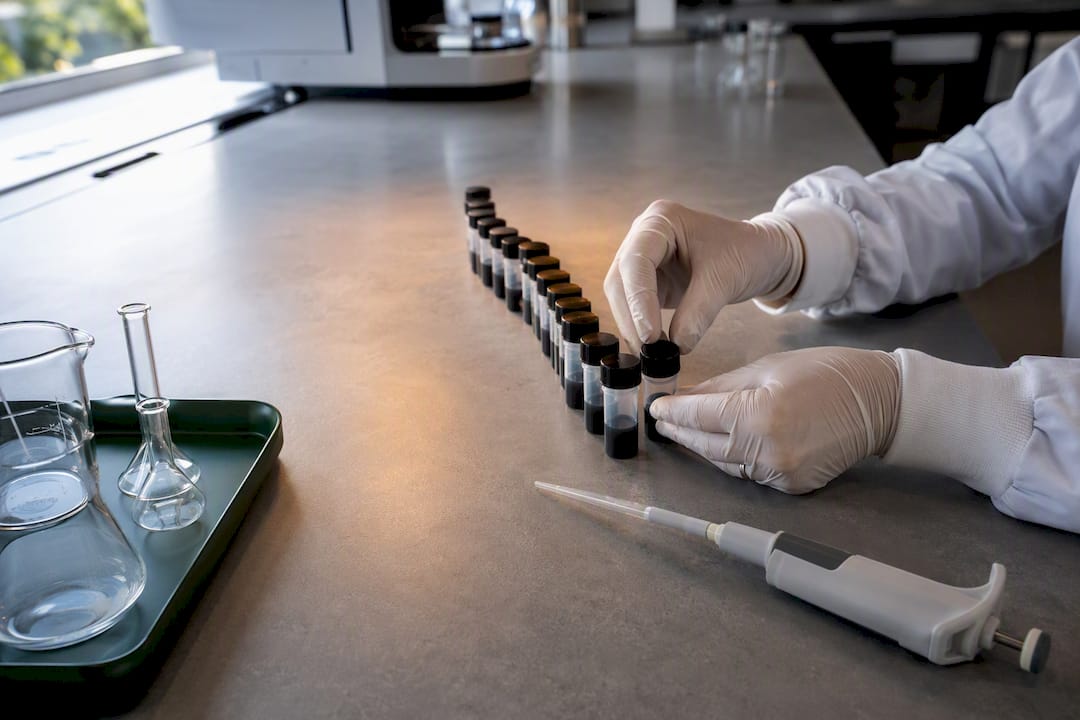
Shilajit specializes in pure Himalayan Shilajit resin, sourced from high-altitude rock and processed using traditional methods rather than synthetic shortcuts. Every batch is lab-tested for purity, with mineral content and results made available rather than hidden behind a “proprietary blend” label. That transparency is the direct countermeasure to the contamination and adulteration risks covered above: independent batch testing and published certificates of analysis catch heavy metals and mislabeling before a product reaches you.
The FDA’s tainted products database tracks contaminated supplements by category. NCBI’s LiverTox documents hepatotoxic herbs case by case. EFSA publishes additive safety rulings for ingredients like titanium dioxide. Report suspicious products to your national health regulator.
Most advice on avoiding bad supplement ingredients stops at “read the label,” and that’s incomplete. Analytical testing routinely finds that labeled botanical names are missing or substituted entirely, which means a clean-looking label doesn’t rule out contamination. Label literacy matters, but it’s a floor, not a ceiling.
The category everyone underestimates is fat-soluble vitamin overdose. People fixate on scary-sounding chemical names while stacking three or four supplements that each contribute vitamin A or iron, unaware the totals add up fast. Adulteration gets the headlines because it’s dramatic. Dosing math is the quieter risk that catches careful people off guard.
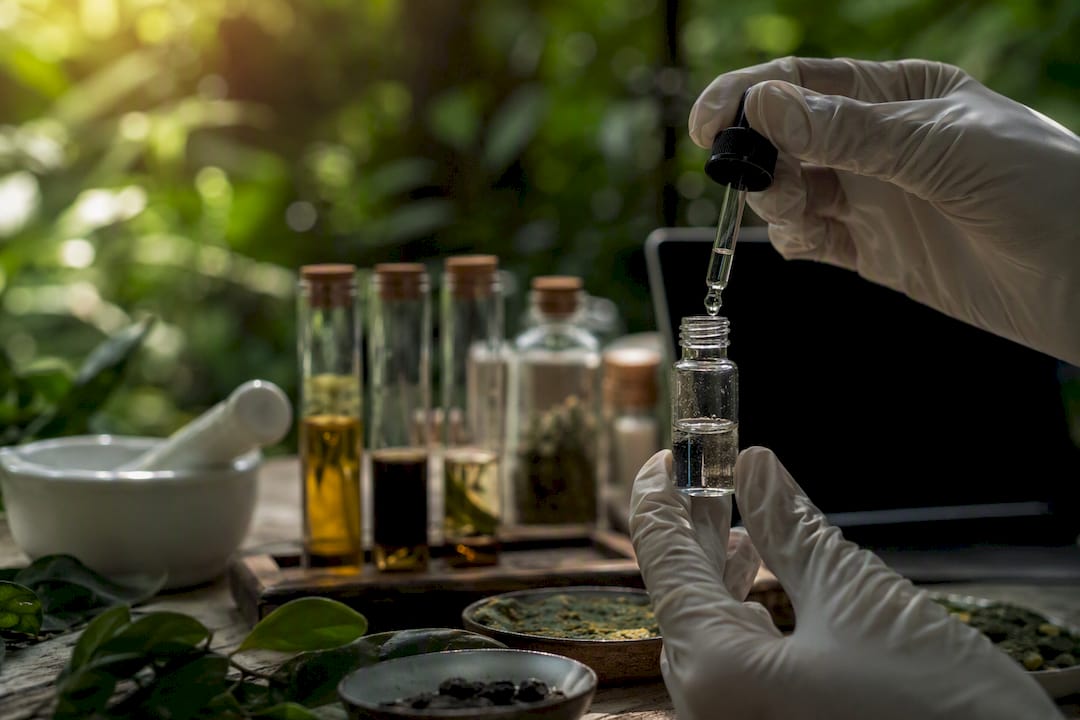
If there’s one habit worth building, it’s asking for a batch certificate of analysis before trusting a brand’s purity claims on faith. Transparent sourcing and independent testing aren’t marketing flourishes. They’re the actual mechanism that catches what a label alone cannot.
Most of the risks covered here trace back to one thing: opacity. Hidden pharmaceuticals, unlisted blend amounts, untested batches. Shilajit takes the opposite approach, publishing lab results and mineral content for every batch of its Himalayan resin so you’re never guessing what you’re taking.
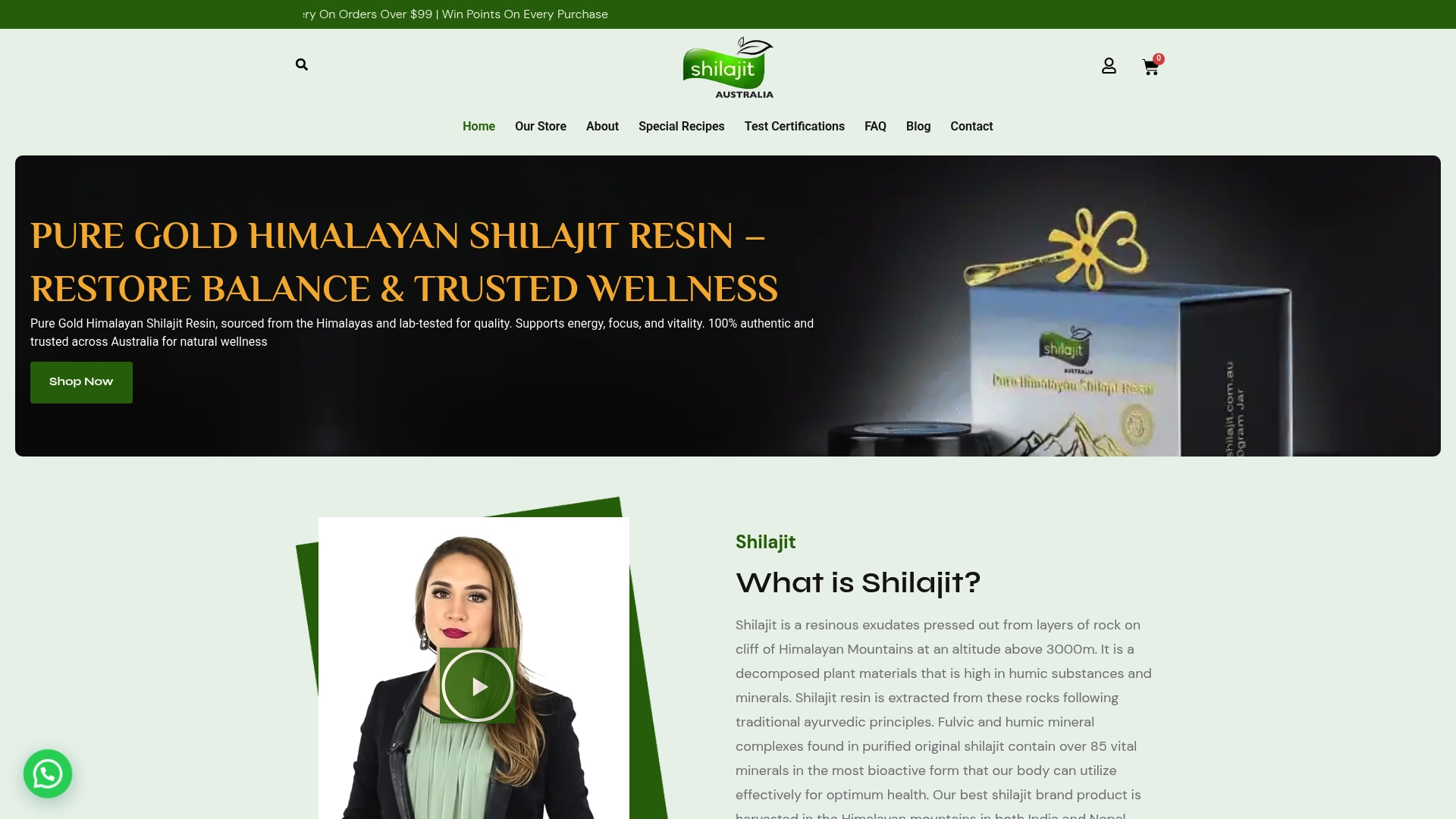
Sourced from high-altitude Himalayan rock and processed with traditional methods rather than synthetic fillers or proprietary blends, Shilajit’s pure resin gives you a single, standardized ingredient with documented purity testing behind it, not a mystery stack of additives. If you’ve read this far and want a supplement built on transparency instead of vague labeling, check the purity testing results and order a batch to see the difference for yourself.
What are the most dangerous ingredients to avoid in supplements?
Undeclared pharmaceuticals and heavy metals top the list because both cause serious harm and are common in weight-loss, sexual-enhancement, and bodybuilding categories specifically.
Is magnesium stearate actually bad for you?
Not at the doses typically used. It’s a flow agent, not a toxin, despite its reputation online; the “toxic filler” claims aren’t well supported by toxicology data.
How can I tell if a supplement has undeclared ingredients?
You mostly can’t from the label alone. Third-party testing seals (USP, NSF) and a batch certificate of analysis are the best available safeguards, though neither is an absolute guarantee.
Why is titanium dioxide still in some supplements if it’s flagged as unsafe?
Regulatory timelines vary by country. The European Food Safety Authority reclassified it as unsafe, but enforcement and market availability differ, so checking your own label remains necessary.
Should I avoid all proprietary blends?
Treat them as a caution flag, not an automatic dealbreaker. A blend without listed amounts makes it impossible to judge dosing or spot excessive levels of any single ingredient.
This article is general information, not a substitute for advice from a qualified doctor. Consult a qualified healthcare professional about your own circumstances before acting on anything here.
Verify Shilajit lab reports in Australia with a six point checklist. Spot fake COAs, check lab accreditation, lot match, analytical methods, and LODs.
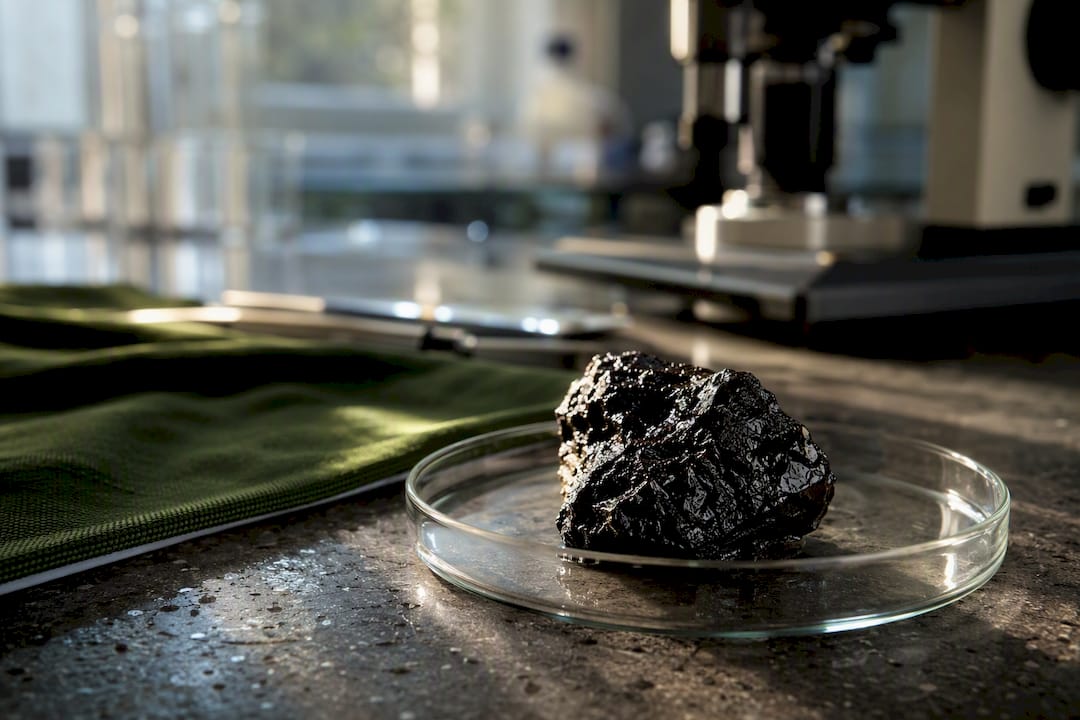
Learn to pick pure shilajit by reading the batch COA. Check fulvic acid range, named lab method, numeric heavy-metal results, and harvest altitude.