Uncategorized
6 Point Shilajit Lab Report Checklist for Australian Buyers
Verify Shilajit lab reports in Australia with a six point checklist. Spot fake COAs, check lab accreditation, lot match, analytical methods, and LODs.

Real Himalayan shilajit resin rarely causes problems on its own — most shilajit side effects trace back to a fake product, too high a dose, or taking it on an empty stomach. This guide walks through the exact steps to avoid every common reaction in 2026, plus what to do if one shows up anyway.
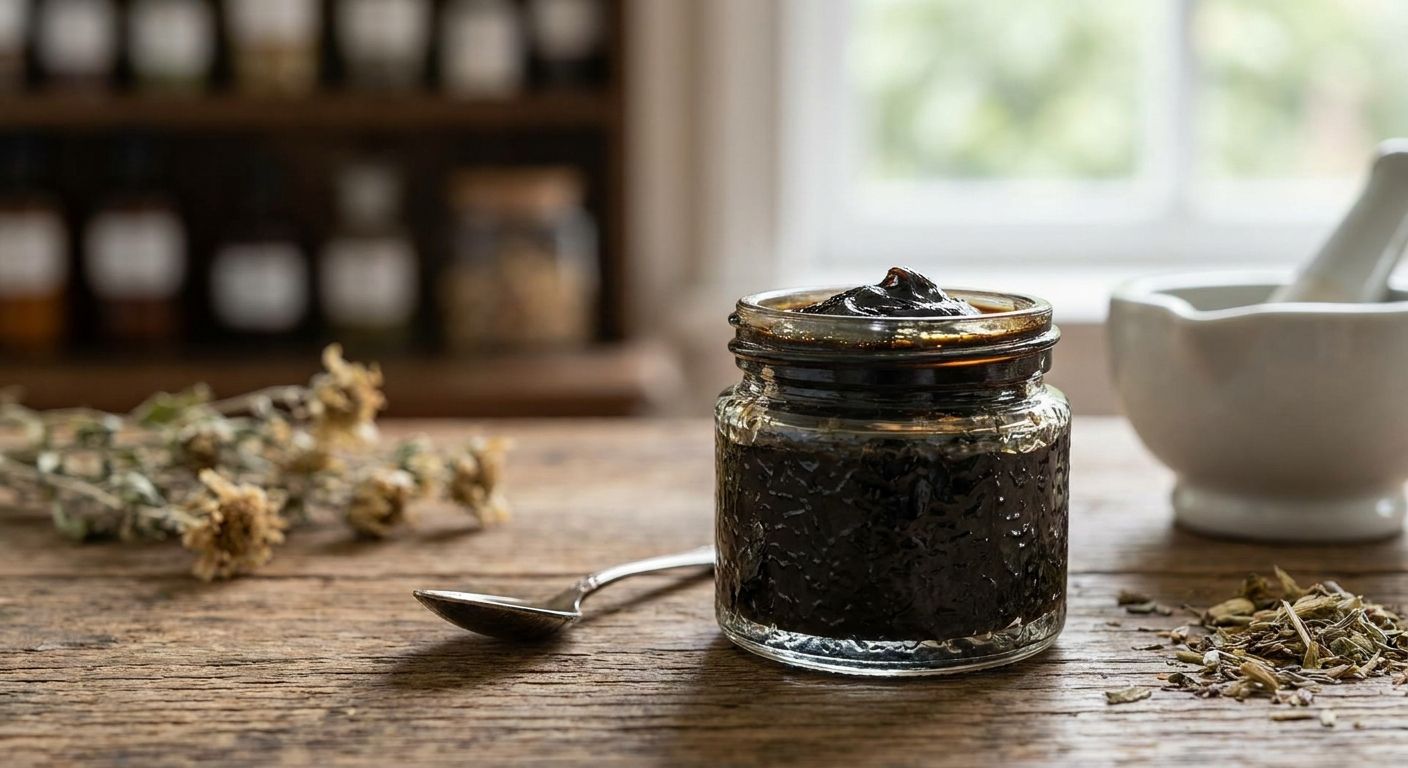
Shilajit is a mineral-rich resin that seeps from rock in high-altitude ranges like the Himalayas, and it's been used as a wellness supplement for centuries. The compound itself, once properly purified, isn't the problem — the market around it is. Cheap tar-like products sold as "shilajit" online often skip the lab test certificate step entirely, and that's where heavy metals, mould or filler resin end up in the jar instead of the mineral compound you paid for.
Most people who report shilajit side effects in 2026 forums didn't have a bad reaction to shilajit — they had a bad reaction to something that wasn't shilajit. Separating the two is the whole point of this guide.
This is the single biggest lever you have over shilajit side effects. A genuine lab test certificate lists heavy metal screening (lead, arsenic, mercury, cadmium) and fulvic acid content, and it should carry a batch number that matches your jar. If a seller can't produce one, or the PDF looks generic and undated, don't open the jar — return it. Authentic resin purified for the Australian market in 2026 should test well below pharmacopoeia heavy metal limits, and a real supplier will hand that data over without you asking twice.
Dropping in a full dose on day one is the most common mistake new users make, and it's responsible for a large share of the nausea and headache complaints you'll find online. Take roughly half a pea-sized amount — around 150-250mg — for your first three days, then step up to a full 300-500mg dose if nothing feels off. This isn't about being cautious for no reason; it lets you isolate whether a reaction is dose-related before you blame the resin itself. Full guidance on portioning and timing sits in this breakdown of how to take shilajit resin for maximum absorption.
Shilajit resin is dense and mineral-heavy, and taking it on an empty stomach is the fastest route to cramping or nausea. Dose it with or shortly after breakfast rather than first thing before food. Expect this alone to resolve the majority of stomach complaints reported by first-time users in 2026 customer feedback threads.
Boiling water can degrade some of the fulvic acid content, and milk slows how quickly the resin dissolves, which some users report as a heavier, harder-to-digest dose. Warm — not hot — water or a mild herbal tea is the safest solvent while you're still gauging how your body reacts. Stir until the resin fully dissolves; undissolved clumps sitting in the stomach are another common cause of mild cramping.
Write down the date, dose, time of day, and anything you notice — energy shift, sleep quality, digestion, skin. Fourteen days gives you enough data to tell the difference between a genuine adjustment period and an actual adverse reaction. If nothing negative shows up by day 14, you can move to a normal daily dose with confidence.
Continuous, uninterrupted use is one of the less-discussed contributors to shilajit side effects like fatigue rebound or reduced sensitivity to the mineral compound over time. A common approach is three months on, followed by two to four weeks off, before resuming. This isn't a safety requirement so much as a way to keep the supplement working the way it did when you started.
Heat, humidity and direct sunlight break down resin quality and can encourage bacterial growth in an opened jar. Keep it sealed, at room temperature, out of direct light — a kitchen cupboard works better than a bathroom cabinet. Degraded resin doesn't just lose potency; it's more likely to cause the stomach upset people mistakenly blame on shilajit itself.
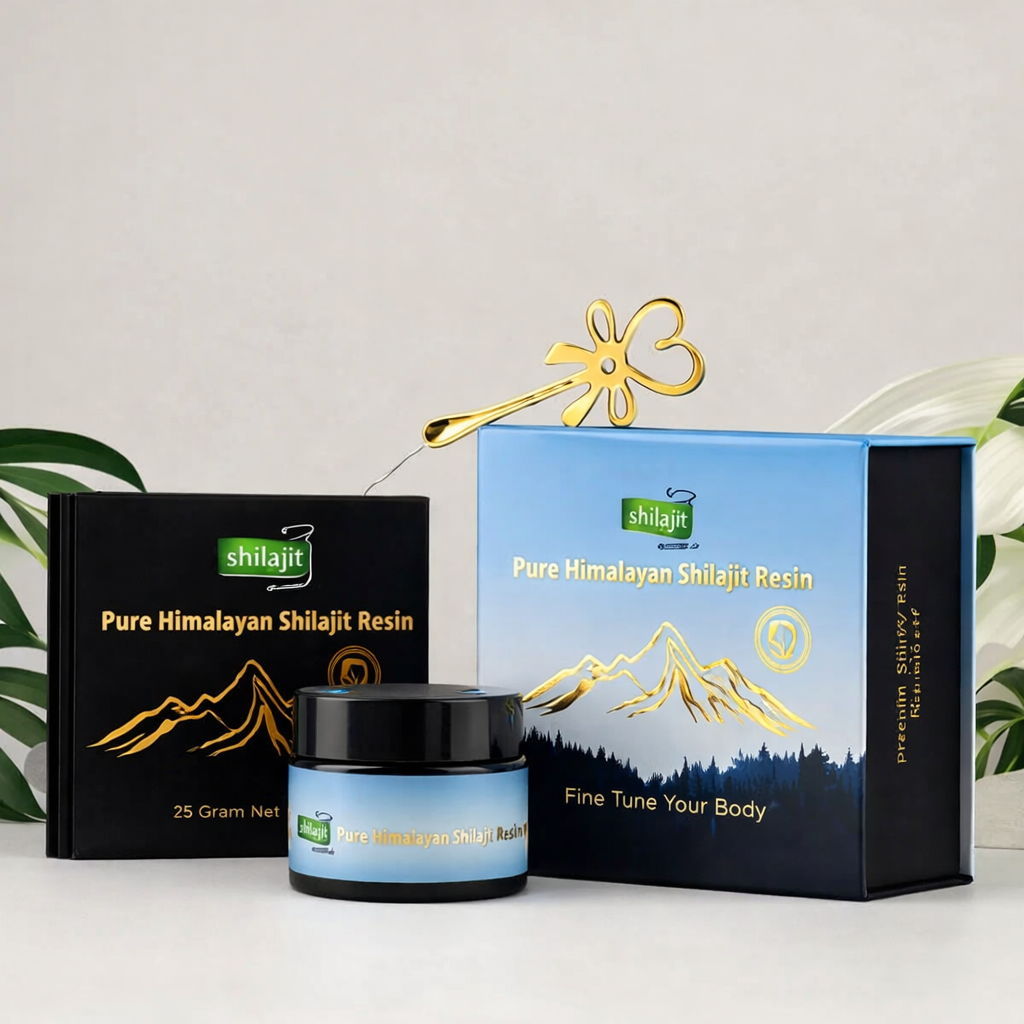
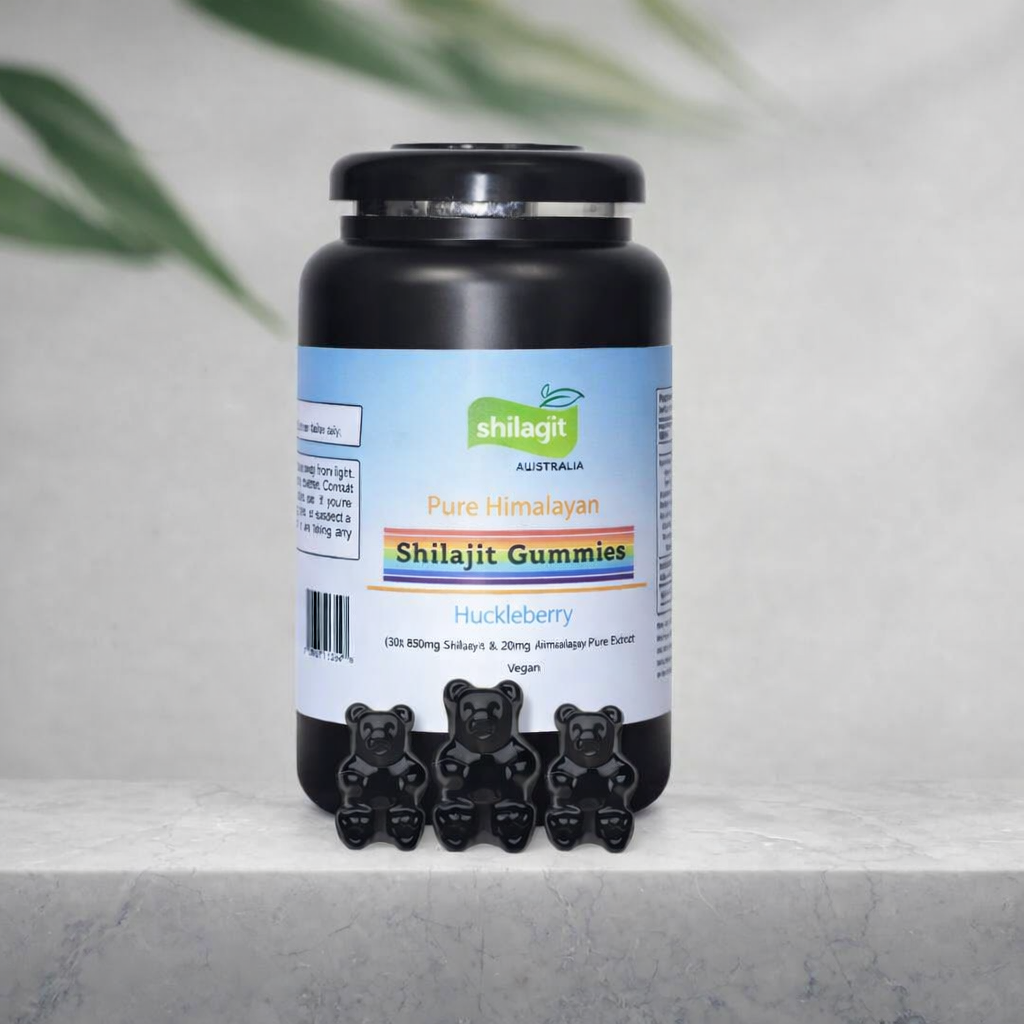
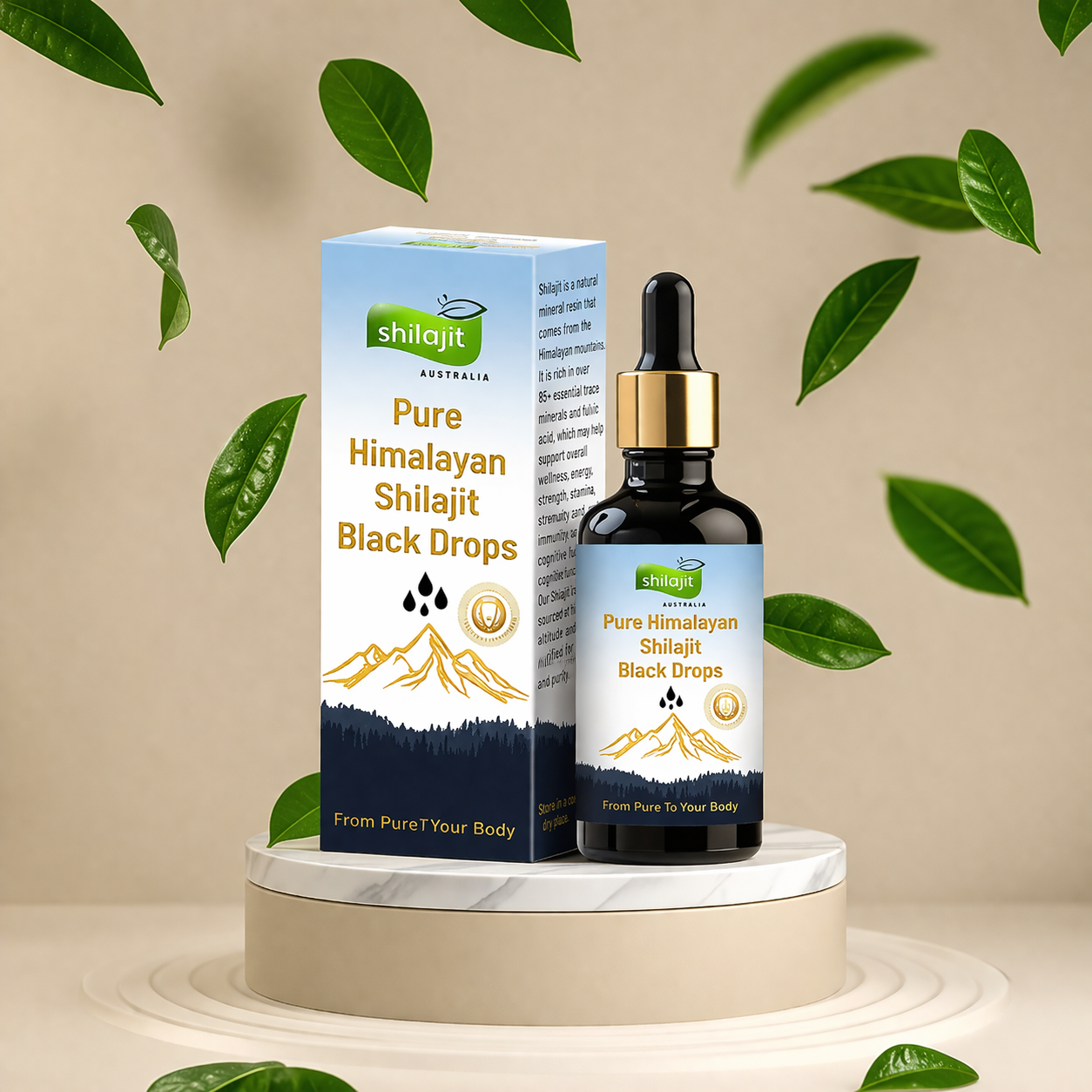
If you have a sensitive stomach and resin isn't sitting well even after adjusting dose and timing, a pre-measured gummy or tincture format removes the guesswork entirely — you're not trying to eyeball a pea-sized amount of tar-like resin every morning.
Stomach cramps or nausea after dosing. Almost always caused by taking resin on an empty stomach or jumping straight to a full dose. Move your dose to after a meal and drop back to a half-dose for three days before increasing again.
Headache within a few hours of taking it. Usually tied to dehydration — shilajit's mineral load pulls more water through your system than people expect. Increase water intake on dosing days and see if the headache resolves within 48 hours; if it doesn't, stop and reassess the product's source.
Trouble sleeping or feeling jittery. This points to either an oversized dose or dosing too late in the day. Move your dose to the morning and cut the amount by a third before dropping the supplement entirely.
Skin breakout or rash. Rare with genuine resin, but more common with contaminated or adulterated product. Stop use immediately and check the lab certificate — this is one of the clearer signs you're not dealing with authentic shilajit.
Metallic taste that won't fade. A mild mineral taste is normal for resin; a strong, lingering metallic taste is not. This is a red flag for heavy metal contamination specifically, and it's worth checking what a lab test certificate should show against your batch.
No effect at all after two weeks. Underdosing, inconsistent timing, or a low-potency product are the usual culprits. Confirm you're hitting 300-500mg daily and check the fulvic acid percentage listed on the lab certificate page approach if your stomach has been the limiting factor rather than the dose.
If you're still deciding which format and dose actually fits your goals — energy, stamina, sleep, recovery — the breakdown on how to choose the right shilajit supplement for your goals walks through resin versus gummies versus capsules for different daily routines. Shilajit Australia's lab-tested resin and gummies are built around the dosing approach in this guide, so the steps above apply directly whichever format you land on.
Is shilajit safe to take every day in 2026?
Yes, lab-tested Himalayan shilajit resin is considered safe for daily use in 2026 at doses of roughly 300-500mg, provided you cycle it every few months rather than using it continuously year-round.
What are the most common shilajit side effects?
The most reported shilajit side effects are stomach upset, headache and jitteriness, and nearly all trace back to taking it on an empty stomach, oversized doses, or unverified product rather than the mineral compound itself.
Can shilajit cause an upset stomach?
Shilajit can cause an upset stomach if taken on an empty stomach or dissolved incorrectly. Taking it with food and dissolving it fully in warm water resolves this for most users within a few days.
Does shilajit interact with medication?
Shilajit’s mineral content means it can interact with iron supplements or medications affecting blood pressure or blood sugar, so check with a doctor if you’re on prescription medication before adding it to your routine.
How much shilajit is too much?
Doses above roughly 500mg per serving increase the odds of stomach upset and jitteriness without adding proportional benefit. Most people do best staying within the 300-500mg range once past the initial adjustment period.
Can shilajit cause headaches?
Shilajit can cause headaches, usually from dehydration rather than the supplement itself, since its mineral load draws more water through the body. Increasing water intake on dosing days typically resolves it within 48 hours.
Is fake shilajit dangerous?
Fake or unverified shilajit can be dangerous because it may contain heavy metals, mould or filler resin never screened by a lab. Checking for a batch-matched lab test certificate before buying is the single best way to avoid this risk.
How long do shilajit side effects last?
Mild adjustment symptoms from genuine shilajit resin typically resolve within 3-5 days as your dose stabilizes. Symptoms lasting longer than two weeks usually point to product quality rather than normal adjustment.
Most of what gets labelled a "shilajit side effect" online in 2026 is a sourcing problem wearing a supplement complaint's clothes — real, purified Himalayan resin with a matching lab certificate causes far fewer issues than the tar-like counterfeit product sold under the same name. Check the certificate first, dose second, and most of the reactions people worry about never show up at all.
Verify Shilajit lab reports in Australia with a six point checklist. Spot fake COAs, check lab accreditation, lot match, analytical methods, and LODs.
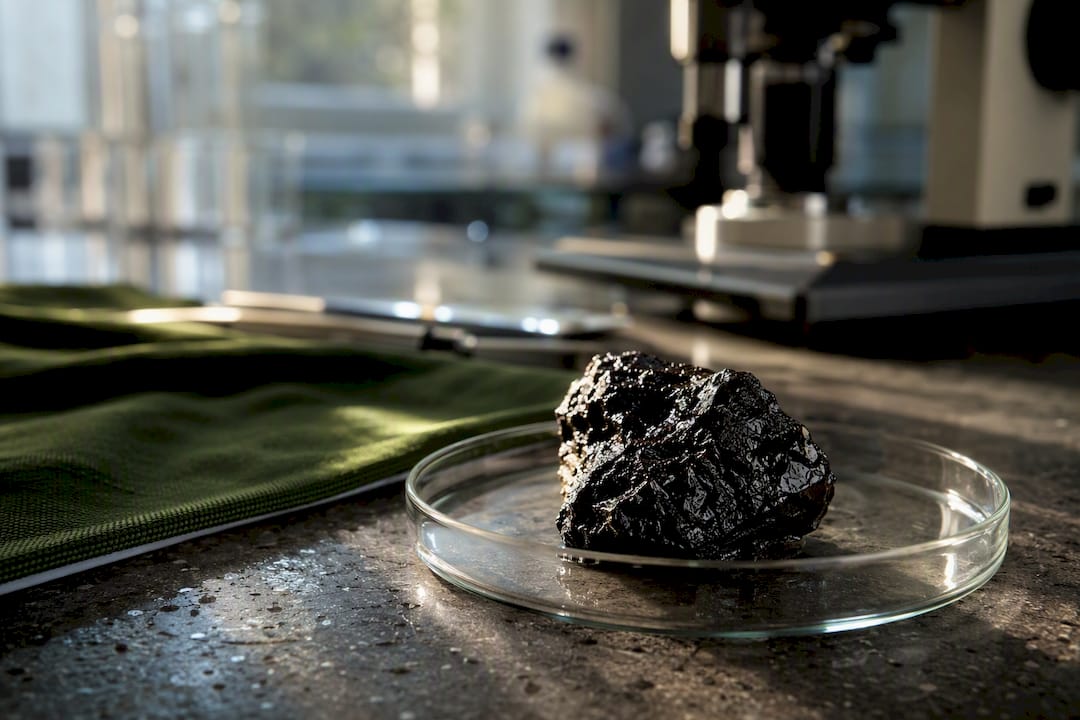
Learn to pick pure shilajit by reading the batch COA. Check fulvic acid range, named lab method, numeric heavy-metal results, and harvest altitude.