Uncategorized
Shilajit in Pregnancy: Why Doctors Advise Against It and What to Do
Avoid shilajit while pregnant or breastfeeding. No controlled trials, contamination risk, and one case links use to high blood pressure. Inform your…

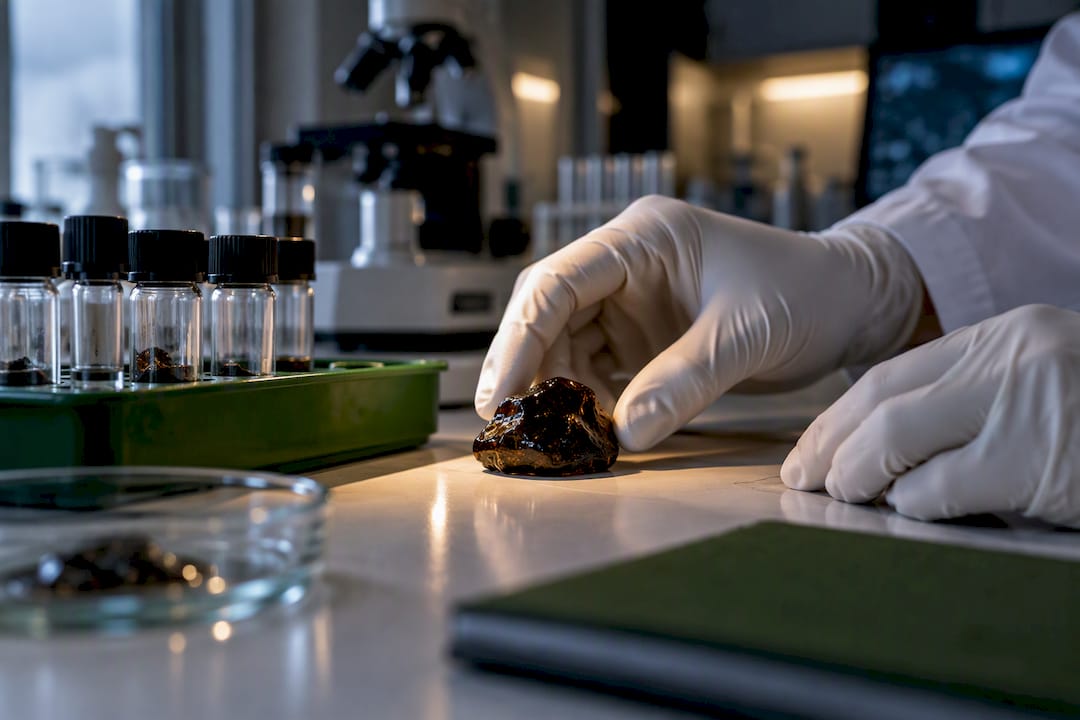
Shilajit is a dark, tar-like mineral-organic exudate that seeps from cracks in mountain rock, formed over centuries from compressed plant matter and microbial activity. Its main active compound, fulvic acid, has made it a staple of Ayurvedic rasayana practice for its purported rejuvenating effects. Some clinical trials report benefits at 250 to 500 mg per day, but the evidence base is still small, and contamination risks mean sourcing matters as much as the substance itself.
TL;DR:
- Sourcing from high-altitude regions like the Himalayas or Altai is crucial because mineral and fulvic acid profiles vary significantly, affecting quality and safety.
- Most clinical benefits reported at 250 to 500 mg daily come from short-term studies, with long-term safety and efficacy still uncertain due to limited data.
- Heavy-metal contamination remains the primary safety concern, making lab-tested products with Certificates of Analysis essential before purchase.
- Standardized extracts and capsules offer more consistent dosing, with 250 to 500 mg daily serving as a reasonable starting point for new users.
- Traditional purification methods contrast modern lab processes, emphasizing the importance of rigorous quality control and regulated sourcing for safe consumption.
Shilajit does not come from a single place. It seeps out of rock faces at high altitude across several mountain systems, and where it forms shapes what ends up in the final product.
The formation process itself takes a long time. Plant material, mostly from mosses, lichens and other high-altitude vegetation, gets trapped in rock fissures and slowly breaks down under microbial action and pressure. Over decades, this organic matter fuses with minerals leaching from the surrounding rock. This produces the dense, resin-like substance that eventually seeps out during warmer months.
Because the parent rock, plant inputs, altitude and climate all differ by region, no two sources of shilajit have identical mineral or fulvic acid profiles. Season matters too: exudate collected in different periods of the year can vary in consistency and composition, which is part of why Himalayan sourcing gets treated as a distinct claim in the supplement market rather than an interchangeable label.
Shilajit’s composition is complex, and understanding it helps explain both the appeal and the caution around the substance.
Fulvic acid makes up a large fraction of shilajit’s active organic material, according to a review of its phytochemical profile, and in-vitro work suggests it may interfere with abnormal tau protein aggregation, a finding that has fueled interest in shilajit as a procognitive agent, though this remains lab-based rather than confirmed in people.
The same mineral-rich pathways that give shilajit its nutrient profile can also carry heavy metals if the source rock or processing introduces them. This is the central tension in shilajit quality: the traits that make it interesting are inseparable from the traits that make sourcing and testing non-negotiable.
In classical Ayurveda, shilajit is classified as a rasayana, a category of substances believed to support rejuvenation, stamina and long-term vitality rather than treat a specific illness. It was traditionally paired with other herbs in formulations aimed at sustaining energy through aging, physical exertion or recovery from illness.
That purification step is a meaningful difference from how shilajit reaches consumers today. Modern supplement forms are processed and standardized in a lab setting, while traditional preparation relied on repeated manual purification, a practice that varied by region and practitioner. Some of the vitality and longevity claims found in current marketing trace directly back to this rasayana framing, even though the modern clinical evidence for those specific outcomes remains limited, as covered in the next section.
The clearest picture of shilajit’s evidence base comes from a 2024 systematic review that pooled 15 randomized controlled trials covering roughly 1,254 participants. The review’s own framing is important: clinical validation is growing, but it is not yet extensive enough to support firm medical claims.
Trial designs varied, but some patterns show up consistently:
One of the more specific findings comes from a controlled trial using a standardized product, PrimaVie, which reported biochemical changes consistent with improved mitochondrial function and a dose-related increase in testosterone in healthy men at 500 mg daily. Related work in the same body of research points to increases in ATP-related markers and modest gains in physical performance measures, though much of this comes from smaller human studies or animal models rather than large, diverse trial populations.
Roughly 1,254 participants across 15 RCTs form the current evidence base for shilajit’s clinical effects, according to the systematic review, a modest number for a supplement carrying broad wellness claims.
The honest summary is that shilajit shows promising signals in specific, measurable areas: mitochondrial markers, testosterone in men, and some performance and cognitive outcomes. It has not accumulated the kind of large, long-duration, independently replicated trial base that would support treating it as a standard intervention for any condition. Readers should treat current findings as an early, encouraging chapter rather than a settled verdict.
Safety concerns around shilajit split into two categories: how the body tolerates it, and what might be contaminating it.
Reported side effects in trial populations have generally been mild, though people who are pregnant or breastfeeding, and those on medications that interact with hormone levels or blood pressure, are typically advised to avoid it or seek clinical guidance first, since trial populations rarely include these groups.
The bigger documented risk is contamination. The Australian Therapeutic Goods Administration has issued safety alerts documenting imported Ayurvedic products contaminated with lead, mercury and arsenic, and it states plainly that supplying unregistered Ayurvedic products is illegal. Separate regulatory summaries note that shilajit-containing supplements can carry heavy metals and that these products are marketed as dietary supplements, not as treatments for disease.
In practice, this means:
Pro Tip: Ask any seller for a batch-specific Certificate of Analysis before buying. A generic or undated report is close to no report at all.
Shilajit reaches consumers in a few distinct forms, and the choice affects both dosing accuracy and what you’re actually getting.
Clinical trials have generally used 250 to 500 mg per day of standardized extract, which is a reasonable starting reference point rather than a fixed prescription. Starting at the lower end, tracking how you feel over a couple of weeks, and avoiding use during pregnancy or alongside medications with known interactions is the sensible approach. Anyone managing a chronic condition should raise shilajit with a clinician before adding it to a routine.
Because contamination is a real, documented risk rather than a theoretical one, product quality checks matter more with shilajit than with many supplements.
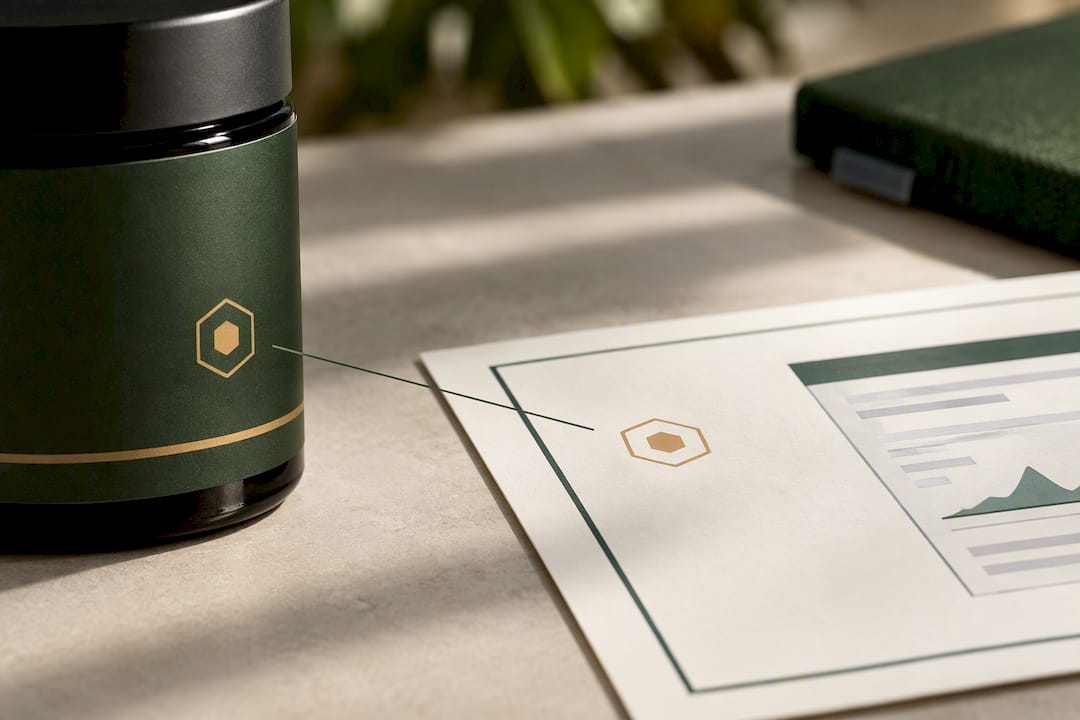
A proper Certificate of Analysis will list specific values for lead, mercury, arsenic and cadmium against safety thresholds, along with a fulvic acid percentage and a batch number you can match to the product in hand. If a seller cannot produce that document on request, that alone is reason enough to walk away.
Pro Tip: A batch number on the packaging that matches the batch number on the lab report is the fastest way to confirm a Certificate of Analysis is real, not recycled from a different product.
Shilajit earns a place in a health-conscious routine for a specific kind of person: someone dealing with fatigue, looking to support training recovery, or curious about a traditional remedy with actual modern trial data behind it, however limited. It is not a substitute for treating a diagnosed condition, and anyone tempted to use it that way is asking more of it than the current research supports.
The honest position is that shilajit is a supplement worth trying carefully, not a substance worth trusting blindly. Quality control matters more here than with most supplements, given the documented contamination risk in imported Ayurvedic products. Read the lab report before you read the marketing copy, and talk to a clinician if you take medication or manage a chronic condition.
— Shilajit
If you want the benefits this article covers without guessing at sourcing or purity, shilajit resin and capsules tested for heavy metals and standardized for fulvic acid content, with lab reports available for each batch, are an option to consider.
Browse our Shilajit collection to see current lab reports and pick the format that fits your routine.
Shilajit is proposed to support mineral transport and antioxidant activity, largely through its fulvic acid content, and some clinical trials report changes in mitochondrial markers and testosterone at doses of 500 mg daily. These effects are based on a still-limited body of research rather than confirmed mechanisms in the general population.
Shilajit sold as a properly listed complementary medicine is legal, but Australia’s Therapeutic Goods Administration has stated that supplying unregistered imported Ayurvedic products is illegal due to contamination risks. Checking that a product is properly listed and lab-tested is the practical way to confirm you are buying a compliant supplement.
Clinical trials using 300 to 500 mg per day for periods ranging from 4 weeks to 12 months have reported changes in energy-related biomarkers and some performance measures. Long-term daily use beyond a year has not been well studied, so periodic breaks and clinician input for ongoing use are reasonable precautions.
Reported side effects in trials have generally been mild, but the more serious risk documented by regulators is heavy-metal contamination in poorly sourced or unregistered products. People who are pregnant, breastfeeding, or taking medications affecting hormones or blood pressure should avoid shilajit or consult a clinician first.
Avoid shilajit while pregnant or breastfeeding. No controlled trials, contamination risk, and one case links use to high blood pressure. Inform your…
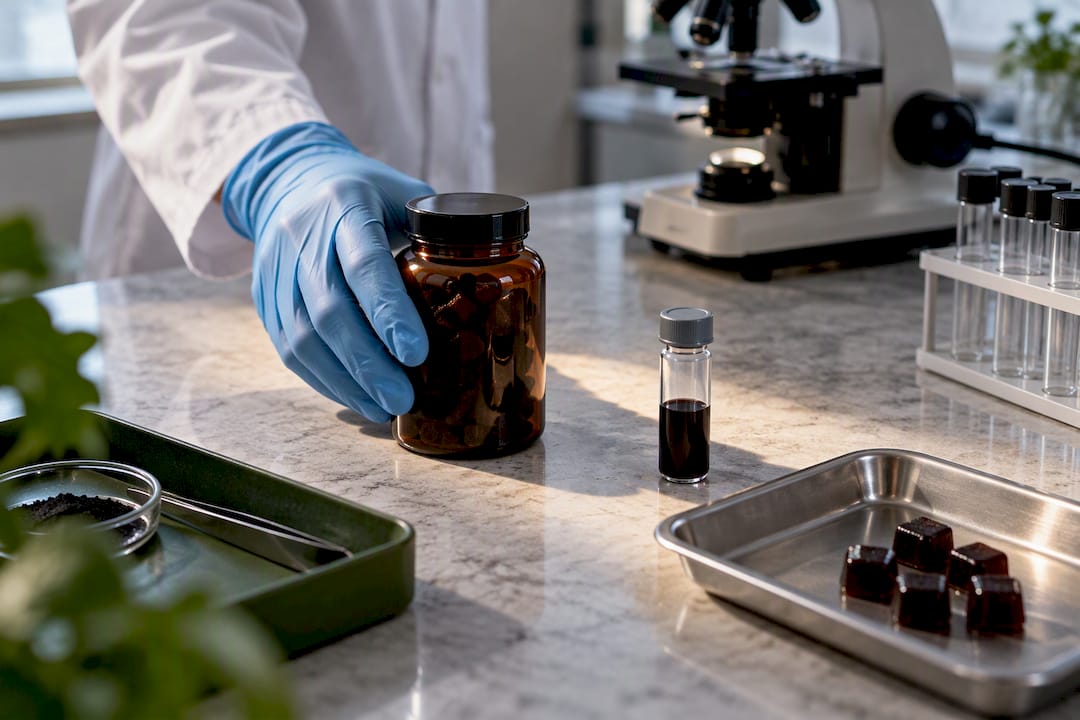
Australia-focused look at shilajit gummies: what human trials actually show, how 500 mg/day dosing compares, and why batch COAs and TGA safety checks matter.