
Uncategorized
Shilajit in Pregnancy: Why Doctors Advise Against It and What to Do
Avoid shilajit while pregnant or breastfeeding. No controlled trials, contamination risk, and one case links use to high blood pressure. Inform your…


Shilajit shows real, mechanism-backed promise for brain fog, mostly through antioxidant and mitochondrial pathways, but no large human trial has confirmed it reverses cognitive fatigue on its own. The most defensible approach: pick a purity-tested resin or capsule, take a moderate dose (usually a moderate dose daily) for at least six to twelve weeks, and see a clinician if fog persists despite good sleep and nutrition.
TL;DR:
- Purity testing is crucial; select products with a certificate of analysis confirming heavy metal content and fulvic acid percentage, ideally in the 50-60% range.
- Most clinical evidence for shilajit’s cognitive benefits comes from cell and animal studies, with limited and preliminary human trials.
- A typical dose starts at 150-300 milligrams daily, dissolved in warm liquid, with effects often taking four to twelve weeks to appear.
- Shilajit’s safety depends on sourcing; avoid products without third-party testing, especially to prevent heavy-metal contamination.
- People with pregnancy, autoimmune conditions, hemochromatosis, gout, or on blood sugar or blood-thinning medications should consult a clinician before use.
Shilajit is a tar-like resin that seeps from cracks in high-altitude rock formations across the Himalayas, the Caucasus, and parts of the Andes, formed over centuries from the slow decomposition of plant matter compressed under mineral-rich stone. Traditional Ayurvedic medicine has used it for thousands of years as a rasayana, a rejuvenating tonic meant to restore depleted vitality rather than deliver a quick jolt of alertness.
The compounds responsible for its effects are fulvic acid, dibenzo-alpha-pyrones, humic substances, and a dense mineral profile that includes iron, zinc, magnesium, and trace elements. Fulvic acid gets most of the attention because it acts as a carrier molecule, helping other nutrients cross cell membranes more efficiently, while dibenzo-alpha-pyrones are the compounds linked most directly to mitochondrial activity.
You’ll find shilajit sold as raw resin, encapsulated powder, or liquid tincture, and the form matters more than most buyers realize. Resin requires you to measure a small measured amount and dissolve it, which gives you more control over dose but demands more effort. Capsules standardize the amount per serving, which makes consistent daily tracking easier if you’re testing for a cognitive effect over weeks.
Before buying, check the label for these details:
A shilajit resin formulated with brain fog and focus in mind is different from a generic multipurpose resin marketed mainly for energy or vitality, so read past the front label.
The case for shilajit and cognitive function rests on four biological pathways, each with a different strength of evidence behind it.
Mitochondrial energy support is the mechanism researchers point to most often. Dibenzo-alpha-pyrones appear to support the electron transport chain, the cellular machinery that converts nutrients into usable energy. Brain fog often correlates with sluggish cellular energy production, so a compound that helps mitochondria run more efficiently has a plausible route to clearer thinking, not just less physical fatigue.

Antioxidant and anti-inflammatory activity comes largely from fulvic acid, which neutralizes free radicals and may reduce the low-grade inflammation that’s increasingly tied to sluggish cognition, especially after illness or chronic stress.
Anti-aggregation effects on tau protein are where the evidence gets more specific, and more interesting. In vitro research shows fulvic acid can inhibit tau protein from clumping together, a process central to neurodegenerative pathology. A 2023 study on Andean shilajit fractions found that certain fractionated extracts produced particularly strong anti-aggregation and neurite-growth activity in cell models, which tells you that not all shilajit sources behave the same way biochemically.
Vascular and perfusion effects are the least studied of the four, though some literature points to nitric oxide and cAMP pathway involvement that could theoretically improve blood flow to brain tissue.
Quick fact: the anti-tau findings come from in vitro cell studies, not living human brains. That’s a meaningful gap between “this compound does something interesting in a petri dish” and “this compound will sharpen your thinking by Tuesday.”
Here’s the caveat that applies to all four mechanisms: mechanistic plausibility is not the same as clinical proof. A compound can have a clear, defensible biological rationale and still fail to produce a measurable effect once you test it in real people over time. Shilajit’s mechanisms are genuinely promising. They are not yet confirmed outcomes.
The honest answer is that shilajit’s evidence base is stronger in animals and cell models than in humans, and readers deserve to know exactly where that line falls before they spend money on a supplement.
Human trials specific to shilajit and brain fog are limited in number and scale. Broader clinical overviews describe the existing human research as promising but preliminary, with most studies focused on testosterone, fatigue, or general vitality rather than isolated cognitive endpoints. That gap matters. A supplement can genuinely help energy and stamina, which indirectly reduces the sensation of fog, without a dedicated trial ever measuring memory or attention directly.
Animal research fills in more of the picture. A rat study modeling traumatic brain injury found that shilajit treatment reduced brain edema, lowered blood-brain barrier permeability, and improved neurologic outcome scores compared to untreated animals. That’s a meaningful preclinical signal: it suggests shilajit does something protective at the tissue level, not just something that shows up on a subjective energy questionnaire.
At the cell level, the tau anti-aggregation findings mentioned earlier remain the most cited evidence for a direct neuroprotective mechanism, and the Andean fraction study adds a layer of nuance by showing that potency varies meaningfully depending on source and processing.
Put together, here’s where the evidence currently stands:
What’s still missing is exactly what you’d expect: dose-controlled, placebo-blinded human trials that isolate cognitive outcomes rather than folding them into general wellness or testosterone research. Until that research exists, shilajit belongs in the “biologically plausible, clinically unconfirmed” category, a phrase you’ll see echoed across clinical evidence overviews that stop short of calling it a proven cognitive treatment.
Dosing shilajit isn’t complicated, but getting the timeline expectations right matters more than getting the exact milligram count perfect.
Give it a real trial window before deciding whether it’s working. Most people who notice subjective changes, like feeling less mentally sluggish or a bit more alert in the afternoon, report it somewhere between four and twelve weeks in. Fuller effects, if they’re going to show up at all, tend to need three to six months of consistent use, since shilajit behaves more like a rejuvenating tonic than a fast-acting stimulant.
Pro Tip: Keep a simple weekly log rating your mental clarity from 1 to 10 alongside your sleep hours and stress level. Without that context, it’s almost impossible to tell whether shilajit is helping or whether you just had a good week.
If you notice no change after twelve weeks of consistent, correctly dosed use, it’s reasonable to stop and look elsewhere. If you experience persistent digestive upset, headaches, or any unusual symptom, stop immediately and consult a clinician rather than pushing through it. Full guidance on adjusting timing and amount is covered in this shilajit dosage guide.
Shilajit carries a reasonable safety profile when it’s purified and third-party tested, but the risks concentrate almost entirely around contamination, not the compound itself.
Reported adverse effects in case literature include gastrointestinal upset, elevated uric acid levels in people prone to gout, and occasional allergic skin reactions. These tend to be mild and dose-related rather than severe, but they’re worth watching for during your first few weeks.
The bigger concern is heavy-metal contamination. Because shilajit forms in mineral-rich rock, unpurified or poorly sourced resin can carry lead, arsenic, and mercury at levels that pose real risk, particularly for anyone using it long-term for brain-targeted benefits. This isn’t a theoretical worry. It’s the single most cited safety issue in clinical advisories on the supplement.
Before starting, run through this checklist:
None of this means shilajit is dangerous when sourced correctly. It means the sourcing is the safety issue, not the substance itself.
Brain fog rarely has a single cause, and no supplement, shilajit included, can compensate for an undiagnosed medical issue driving it.
Purity is the entire ballgame with shilajit, and a legitimate certificate of analysis tells you more than any marketing claim on the label.
A proper CoA should show results for heavy metals (lead, arsenic, mercury, cadmium), microbial contamination, and the fulvic acid percentage by weight. It should also list a batch or lot number that ties that specific report to the jar or pouch you’re holding, not a generic report the brand reuses across every shipment.
Run through this checklist before buying:
Pro Tip: If a seller can’t produce a batch-specific CoA within a day of asking, treat that as a red flag rather than an oversight. Legitimate labs generate reports fast because they’re already on file.
Shilajit publishes batch-specific lab reports for its resin and capsule lines, covering heavy-metal screening and fulvic acid content, so buyers can check exactly what they’re taking before it arrives.
Certain groups should steer clear of shilajit entirely, or only use it under direct medical supervision, regardless of how promising the mechanistic research looks.
Pregnant and breastfeeding women top that list. There’s no safety data on shilajit during pregnancy or lactation, and the heavy-metal contamination risk in poorly sourced products makes the absence of data a reason for caution rather than a technicality to overlook.
People with autoimmune conditions should talk to a doctor before starting, since shilajit’s immune-modulating and anti-inflammatory properties aren’t well characterized enough to rule out interactions with autoimmune medications or disease activity.
People with hemochromatosis or iron overload disorders should avoid it given its natural iron content. Anyone with gout or a history of high uric acid should be cautious, since case reports link shilajit to uric acid elevation. People on anticoagulants or diabetes medications need a conversation with their prescriber first, since shilajit may interact with blood sugar regulation and clotting pathways.

If you fall into any of these categories, the smarter move isn’t to avoid natural remedies for brain fog altogether. It’s to focus on the lifestyle levers, sleep, screening for medical causes, nutrition, that carry no such contraindications, and revisit supplementation only with a clinician’s input.
Shilajit deserves cautious optimism, not blind faith. The mechanisms are genuinely interesting, the animal data is encouraging, and the human evidence simply hasn’t caught up yet. If you want to try it, screen for medical causes first, choose a batch-tested product, and give it six to twelve weeks while tracking your response honestly. If fog persists despite good sleep, nutrition, and a fair supplement trial, see a clinician. That’s not a failure of the supplement. It’s the process working as it should.
— Shilajit
If contamination risk has made you hesitant to try shilajit at all, that hesitation is reasonable, and it’s exactly what batch testing solves. Some sellers offer pure Himalayan resin and capsules, with batch testing for heavy metals and fulvic acid content, and lab reports to show product contents.
Unlike unverified resin sold without documentation, every batch ties back to a specific certificate of analysis, which matters more for a supplement you’re taking specifically to support brain function than it does for almost any other category of wellness product. If you’re ready to start a trial, browse the Shilajit resin and capsule range and check the batch report before you order, or read the dosage guide first if you’re still deciding which form fits your routine.
This article is general information, not a substitute for advice from a qualified doctor. Consult a qualified healthcare professional about your own circumstances before acting on anything here.
Shilajit shows biological plausibility for brain support through antioxidant, mitochondrial, and anti-tau aggregation mechanisms documented in cell and animal studies. Large human trials confirming direct cognitive benefit are still lacking, so treat it as a promising, evidence-informed option rather than a proven treatment.
No single herb has definitive proof for reversing brain fog, but shilajit, ginkgo biloba, and omega-3-rich sources are the three most commonly researched natural options. Shilajit’s edge is its combination of mitochondrial and antioxidant mechanisms, while ginkgo is studied more for circulation and omega-3s for structural brain health, so the right choice often depends on what’s driving your fog.
The best supplement depends on the underlying cause. If fatigue and low cellular energy are the main drivers, shilajit’s mitochondrial support mechanism makes it a reasonable option, while B12 or iron supplementation matters more if a deficiency is the actual root cause.
Most people using purified, tested shilajit daily report gradual improvements in energy and mental clarity over several weeks rather than immediate effects. Side effects are typically mild when the product is contaminant-free, though anyone with gout, iron overload, or autoimmune conditions should check with a doctor before daily use.
Current evidence leans toward “promising but unproven” for shilajit and brain fog specifically, since most supportive data comes from preclinical and mechanistic studies rather than dedicated human cognitive trials. Many users report subjective improvement within four to twelve weeks, but it works best alongside addressing sleep, nutrition, and any underlying medical causes.
Avoid shilajit while pregnant or breastfeeding. No controlled trials, contamination risk, and one case links use to high blood pressure. Inform your…
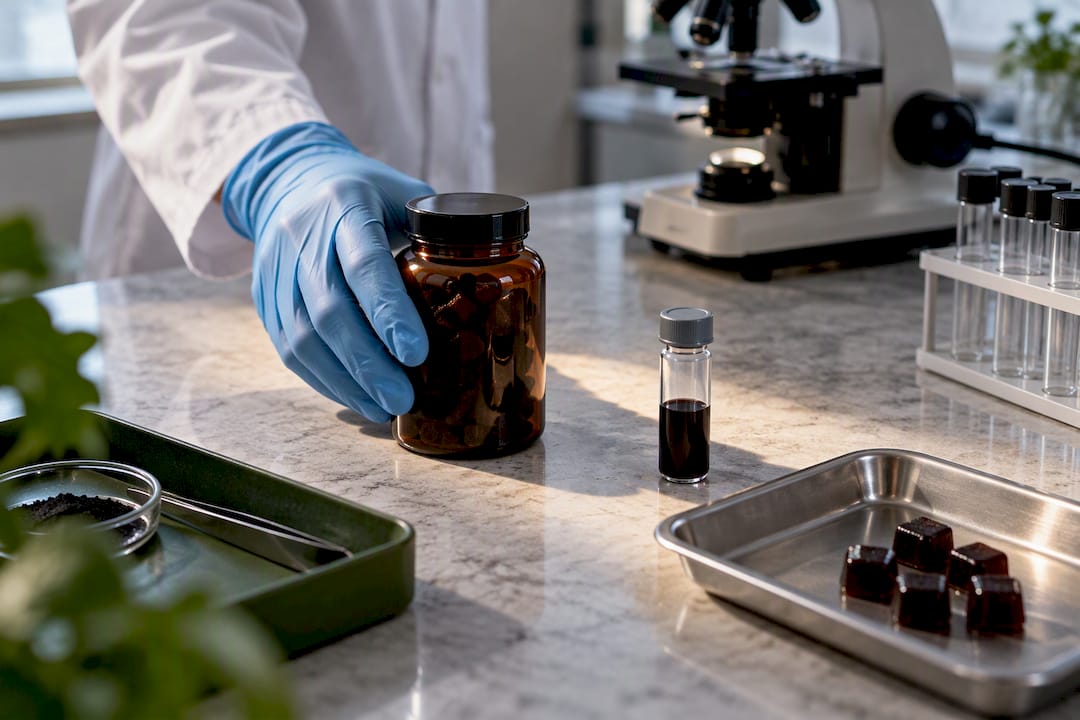
Australia-focused look at shilajit gummies: what human trials actually show, how 500 mg/day dosing compares, and why batch COAs and TGA safety checks matter.