Uncategorized
Shilajit in Pregnancy: Why Doctors Advise Against It and What to Do
Avoid shilajit while pregnant or breastfeeding. No controlled trials, contamination risk, and one case links use to high blood pressure. Inform your…

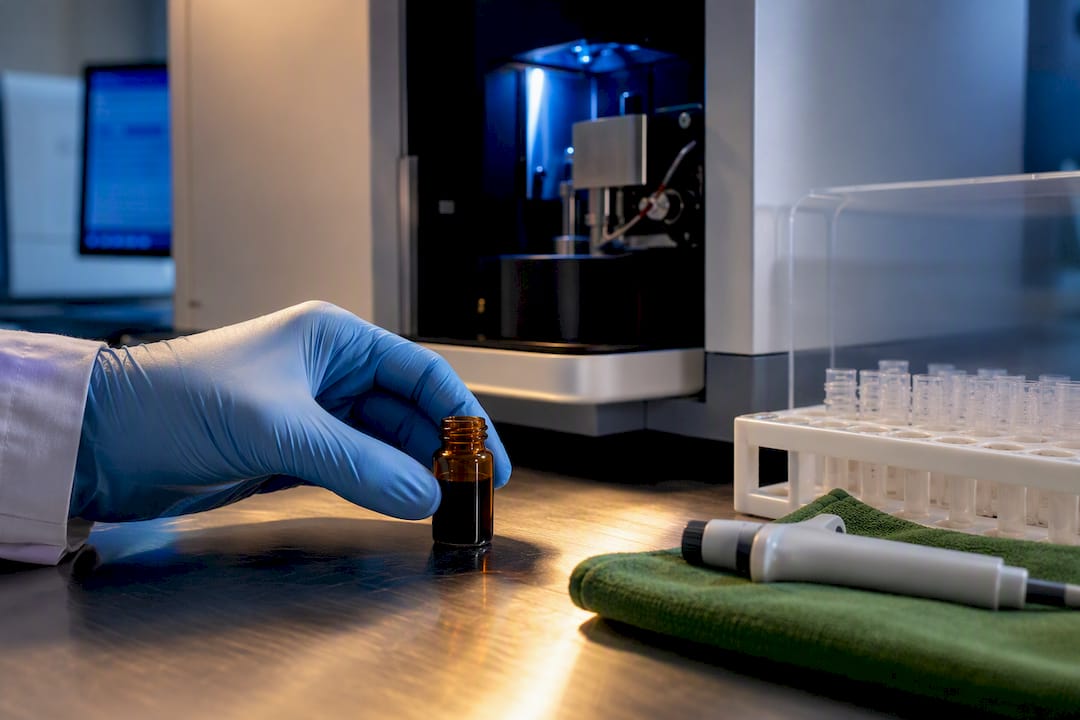
For most healthy adults, shilajit appears safe for the kidneys at the doses used in published trials, with no adverse renal-safety signals reported in short-term human studies. The bigger documented risk isn’t the resin’s active compounds. It’s contamination from poorly purified products. Anyone with existing kidney disease, pregnancy, or a condition involving iron overload should talk to a doctor before starting.
TL;DR:
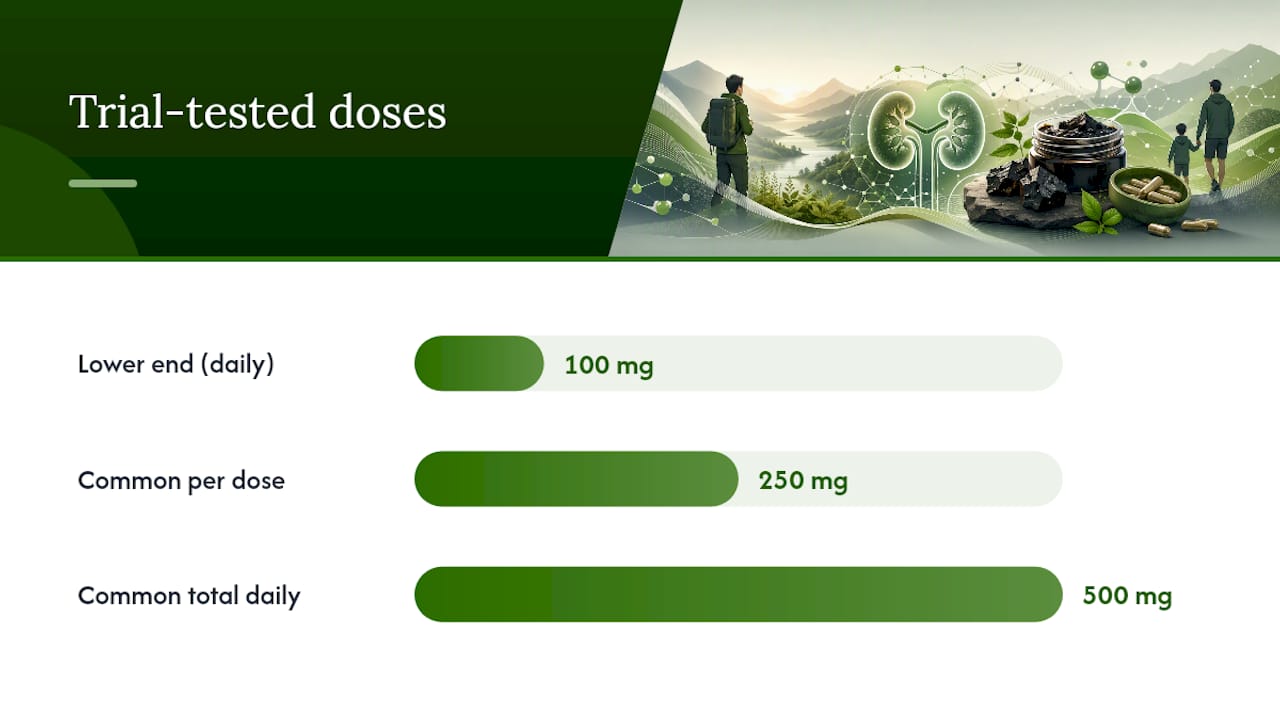
- Short-term trials show no kidney damage in healthy adults taking purified shilajit at doses around 250 mg twice daily, but long-term effects remain unstudied.
- Animal studies suggest shilajit may protect kidneys from chemical toxicity, though these results do not directly confirm safety for people with existing kidney issues.
- Heavy-metal contamination, especially with cadmium, arsenic, mercury, and lead, poses the primary documented risk and depends on the purity of the product purchased.
- People with chronic kidney disease, pregnancy, children, or iron overload conditions should consult a healthcare professional before using shilajit due to evidence gaps and potential risks.
- Ensuring a third-party certificate of analysis that tests for heavy metals is crucial before buying to avoid contamination and protect kidney health.
The human evidence on shilajit kidney safety is thinner than most marketing copy suggests, but what exists points in a reassuring direction for healthy adults. Clinical safety reviews covering short-term trials, including 90-day randomized, placebo-controlled studies using purified shilajit at doses like doses near 250 mg twice daily found no significant adverse changes in routine safety bloodwork among participants. That bloodwork typically includes creatinine and blood urea nitrogen (BUN), the two standard markers doctors use to flag early kidney trouble.
Here’s the catch, and it matters: these trials weren’t designed to test kidney safety as their primary goal. Creatinine and BUN were secondary safety checks, run alongside the main outcomes researchers actually cared about, like energy or hormone markers. No published clinical trial has enrolled people with chronic kidney disease (CKD) as its target population, and none has tracked renal function over months or years. Short-term data on healthy volunteers tells you something real, but it doesn’t tell you how shilajit behaves in a kidney that’s already compromised, or what happens after a year of daily use.
A handful of other short-term safety reviews reinforce the same pattern: routine labs monitored during 90-day trials showed no detectable renal-safety signal, but the studies were small and none targeted CKD patients as a study population. That’s an evidence gap, not a red flag, but it’s one worth naming honestly.
What this body of research supports, and doesn’t:
The takeaway from the clinical data so far: healthy adults using purified shilajit at trial-tested doses have not shown adverse kidney-lab changes in the studies conducted to date. That’s a meaningfully different statement than “proven safe for everyone,” and it’s the distinction most product pages skip over.
If you’re weighing how much to take, the shilajit dosage guide walks through the ranges used in these trials and how they translate into a daily regimen, which is a more useful anchor than guessing based on a label.
This is where the shilajit research gets more interesting, and more misunderstood. Multiple rodent studies have tested shilajit specifically for its effect on kidneys under chemical stress, and the results consistently lean protective rather than harmful.
A 2025 study induced nephrotoxicity in rats using 5-fluorouracil (5-FU), a chemotherapy drug well known for damaging kidney tissue. Rats that received shilajit alongside the 5-FU showed lower levels of malondialdehyde (MDA) and nitric oxide (NO), markers of oxidative cellular damage, and preserved levels of glutathione (GSH), an antioxidant the body depletes when fighting off toxic stress. Creatinine levels in the shilajit group stayed closer to those of healthy control animals, and kidney tissue under the microscope looked structurally better preserved than in the untreated toxin group, according to the study’s findings. Similar protective patterns have shown up in other rodent models using cypermethrin and cisplatin, two other compounds notorious for kidney toxicity.
A separate, longer-duration safety study gave rats black shilajit continuously for 91 days and found no organ atrophy or hypertrophy afterward, according to the repeated-dose trial, including in kidney tissue. That’s a different kind of evidence than the toxin-challenge studies. It’s asking “does this hurt anything on its own,” not “does this protect against a known toxin,” and the answer at 91 days was no.
The proposed mechanisms behind these protective effects include:
You can read more about how fulvic acid contributes to shilajit’s broader health effects if you want the deeper biochemistry.
Here’s the caveat that gets lost in translation constantly: a substance that protects rat kidneys from chemotherapy-induced damage is not the same as a substance proven safe for a human with stage 3 kidney disease. Dose conversion from rodent studies to human equivalents is notoriously unreliable, often implying doses far outside anything tested in people, and a nephroprotective effect in a toxin-challenge model doesn’t establish safety or benefit for someone whose kidneys are already struggling under a different kind of stress. Animal data builds a plausible mechanism. It doesn’t substitute for a human clinical trial in the population that actually needs the answer.
If shilajit kidney safety were a horse race, contamination would be lapping the field. Independent evidence reviews and safety analyses consistently point to heavy-metal contamination, not the resin’s natural compounds, as the primary documented risk in raw or poorly processed shilajit products. Lead, arsenic, mercury, and cadmium have all turned up in unverified Ayurvedic supplements, and the kidneys are precisely the organ most vulnerable to this kind of exposure.
Cadmium deserves special attention here. It accumulates in kidney tissue and has an extraordinarily long biological half-life, meaning the body clears it slowly over years, not days. Toxicology research on cadmium exposure ties long-term accumulation directly to progressive kidney damage, which is why nephrologists treat any cadmium-contaminated product as a genuine red flag rather than a theoretical concern. Contaminated shilajit isn’t a hypothetical pathway to this kind of harm. It’s a documented one.
Pro Tip: A certificate of analysis (COA) is only useful if it names the actual metals tested, the testing method, and the specific limits used for comparison. A vague “purity tested” claim with no numbers attached tells you nothing.
Before buying any shilajit product, work through this checklist:
Storage matters too. Raw, unverified resin sourced casually (through informal import channels, unregulated online marketplaces, or “traditional” sellers with no testing) carries meaningfully higher contamination risk than a purified extract that’s been through documented processing. Understanding how shilajit resin gets purified before it reaches you helps explain why that processing step isn’t cosmetic. It’s the difference between a product tested against known safety benchmarks and one that isn’t.
The step-by-step guide to spotting heavy metal contamination breaks down exactly what red flags to look for on a lab report if you want to go deeper on reading a COA yourself.
Some people should either skip shilajit entirely or clear it with a doctor first, and this isn’t a formality. The kidney-related evidence gaps discussed above matter most for exactly these groups, because they’re the populations no trial has actually studied.
There’s a second, quieter issue worth flagging: medication interactions. Anyone taking medications that are cleared renally or that have a narrow therapeutic window (certain blood thinners, some diabetes medications, specific heart medications) should run any new supplement past a pharmacist or physician, since altered kidney handling of a drug can shift its effective dose without warning.
One detail that surprises people: shilajit’s mineral and organic acid content can influence how creatinine reads on a standard lab test. If you’re taking shilajit and getting kidney function tests done for any reason, tell your doctor beforehand. It helps them interpret the result correctly instead of chasing a false signal, or missing a real one.
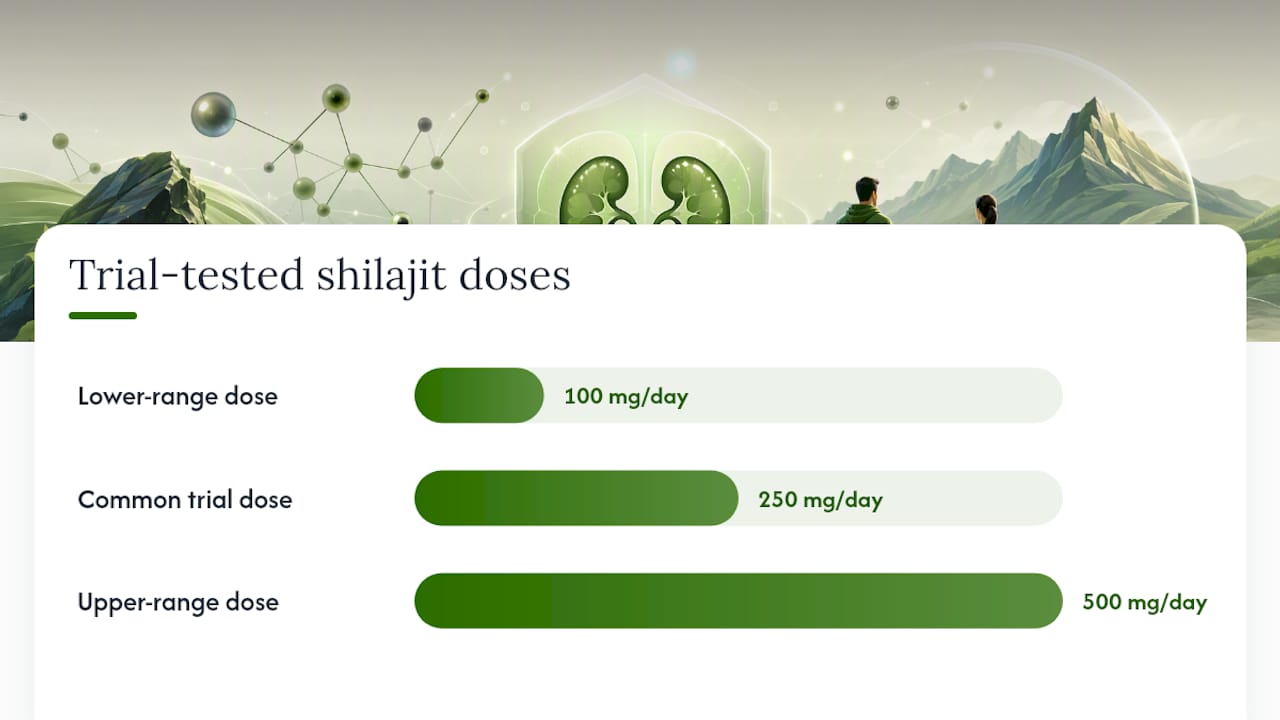
Staying inside the doses actually tested is the single most controllable safety lever you have. Human trials have generally used doses near 250 mg twice daily, landing in a total daily range around 100 to 500 mg. Doses above that range haven’t been studied in people, so going higher means stepping outside the safety data entirely, not just taking “a bit more of a good thing.”
If kidney health is a specific concern for you, a simple monitoring plan removes most of the guesswork:
Pro Tip: Take your follow-up lab test at roughly the same time of day and hydration state as your baseline. Creatinine can shift with dehydration alone, and that variability can mask or mimic a real change.
Watch for warning signs that warrant stopping and seeking care immediately: noticeably reduced urine output, dark or foamy urine, unexplained swelling in the legs or around the eyes, or severe gastrointestinal upset after taking a dose. None of these are expected effects at trial-tested doses in healthy people, so any of them showing up is a reason to stop and get checked, not push through.
On the product side, the same three checks from earlier still apply here: choose a purified extract (not raw, unverified resin), confirm a public COA is available, and match it to your specific batch. The guide to using shilajit for energy, focus, and immunity covers timing and administration details if you’re setting up a daily routine for the first time.
The conventional framing of “is shilajit safe” treats it as one question. It’s actually two, and conflating them is where most of the confusion in this space comes from. One question is about shilajit’s biological activity, where the animal evidence leans protective and the human trials show no adverse renal signals at studied doses. The other question is about what’s actually in the jar you bought, and that’s a manufacturing and sourcing question that has nothing to do with shilajit’s chemistry.
We think the second question deserves far more attention than it gets. A nephroprotective mechanism in a rat study is scientifically interesting, but it means nothing to your kidneys if the product contains cadmium at levels a COA would have caught. That’s why Shilajit prioritizes batch-specific third-party testing over marketing claims about traditional sourcing or exotic origin stories. The evidence gaps in human trials are real, and we’d rather name them plainly than pretend they don’t exist. If you have kidney disease, are pregnant, or manage a condition like hemochromatosis, a conversation with your doctor should come before your first dose, not after.
— Shilajit
Purified Himalayan resin is available with batch-specific lab testing published or available on request, which helps address contamination risks associated with kidney safety.
Every batch is tested against the same purity standards discussed in this article, and you can compare that COA against a product’s batch number before you commit, rather than taking a purity claim on faith. The Shilajit product line includes resin and other formats, and the capsule and resin buying guide breaks down which form fits your routine if you’re deciding between the two. If you’re also curious about complementary options, the mushroom elixir range is tested under the same purity standard.
Before you order, pull up the batch COA for the specific product you’re considering and check it against the metals and limits covered earlier in this article. If the numbers check out, you’ve done the one piece of due diligence that actually moves the needle on kidney safety.
The research behind this article draws on peer-reviewed animal studies, human clinical safety reviews, and independent contamination analyses. For readers or clinicians who want to verify the underlying data directly:
This article is general information, not a substitute for advice from a qualified doctor. Consult a qualified healthcare professional about your own circumstances before acting on anything here.
Shilajit hasn’t been tested in clinical trials involving people with CKD, so there’s no direct safety data for that population. Anyone with CKD stages 3 through 5, dialysis patients, or transplant recipients should get medical clearance before using it, since altered kidney function could change how the body handles both shilajit and any trace contaminants.
At the doses used in short-term human trials, around doses near 250 mg twice daily, studies found no adverse changes in routine safety bloodwork, including kidney markers. The main documented risk to organs comes from contaminated, unpurified products rather than the resin’s natural compounds, which is why choosing a third-party tested product matters more than the dose itself.
People with CKD, pregnant or breastfeeding individuals, children, and those with hemochromatosis or iron-overload conditions should avoid shilajit or use it only under medical supervision. Anyone with a history of kidney stones, gout, or medications with narrow renal clearance margins should also check with a doctor or pharmacist first.
Herbal supplements like ashwagandha carry the same core concern as shilajit for kidney patients: a lack of dedicated clinical trials in people with impaired renal function. The safest approach for anyone with existing kidney disease is to review any herbal supplement, ashwagandha, shilajit, or otherwise, with a nephrologist before starting, since dosing and clearance can behave differently in a compromised kidney.
Shilajit’s mineral and organic acid content can influence creatinine readings on standard lab tests, which matters if you’re being monitored for kidney function. Tell your doctor you’re taking it before any blood work so the results get interpreted accurately rather than flagged as an unexplained change.
Avoid shilajit while pregnant or breastfeeding. No controlled trials, contamination risk, and one case links use to high blood pressure. Inform your…
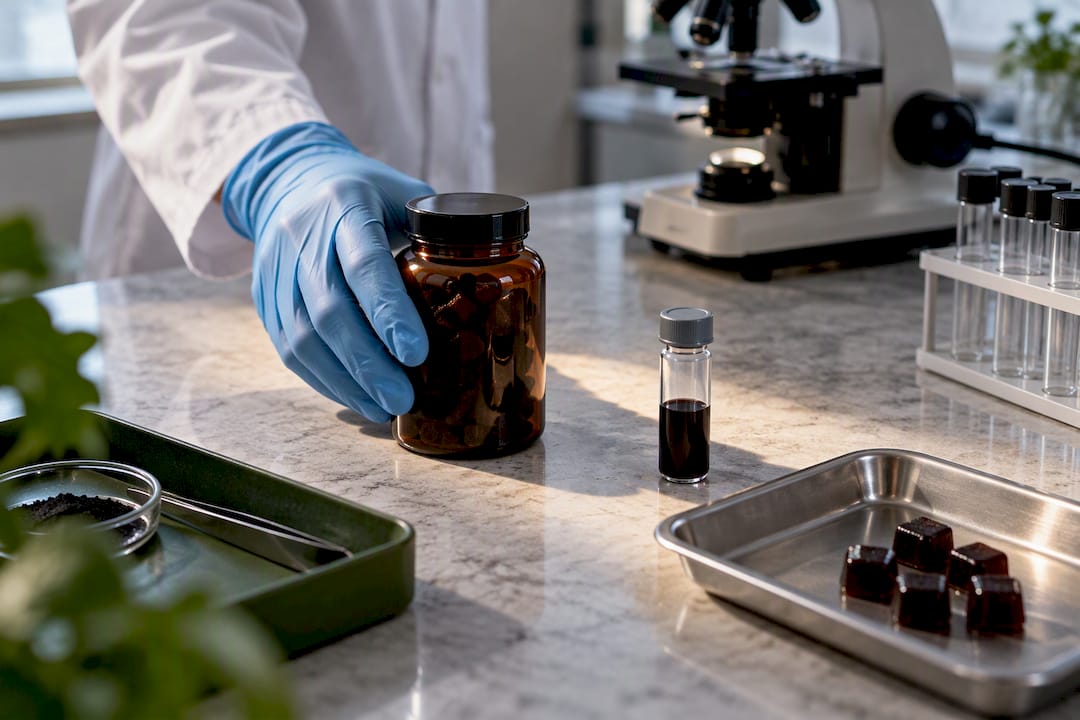
Australia-focused look at shilajit gummies: what human trials actually show, how 500 mg/day dosing compares, and why batch COAs and TGA safety checks matter.