Uncategorized
Shilajit in Pregnancy: Why Doctors Advise Against It and What to Do
Avoid shilajit while pregnant or breastfeeding. No controlled trials, contamination risk, and one case links use to high blood pressure. Inform your…

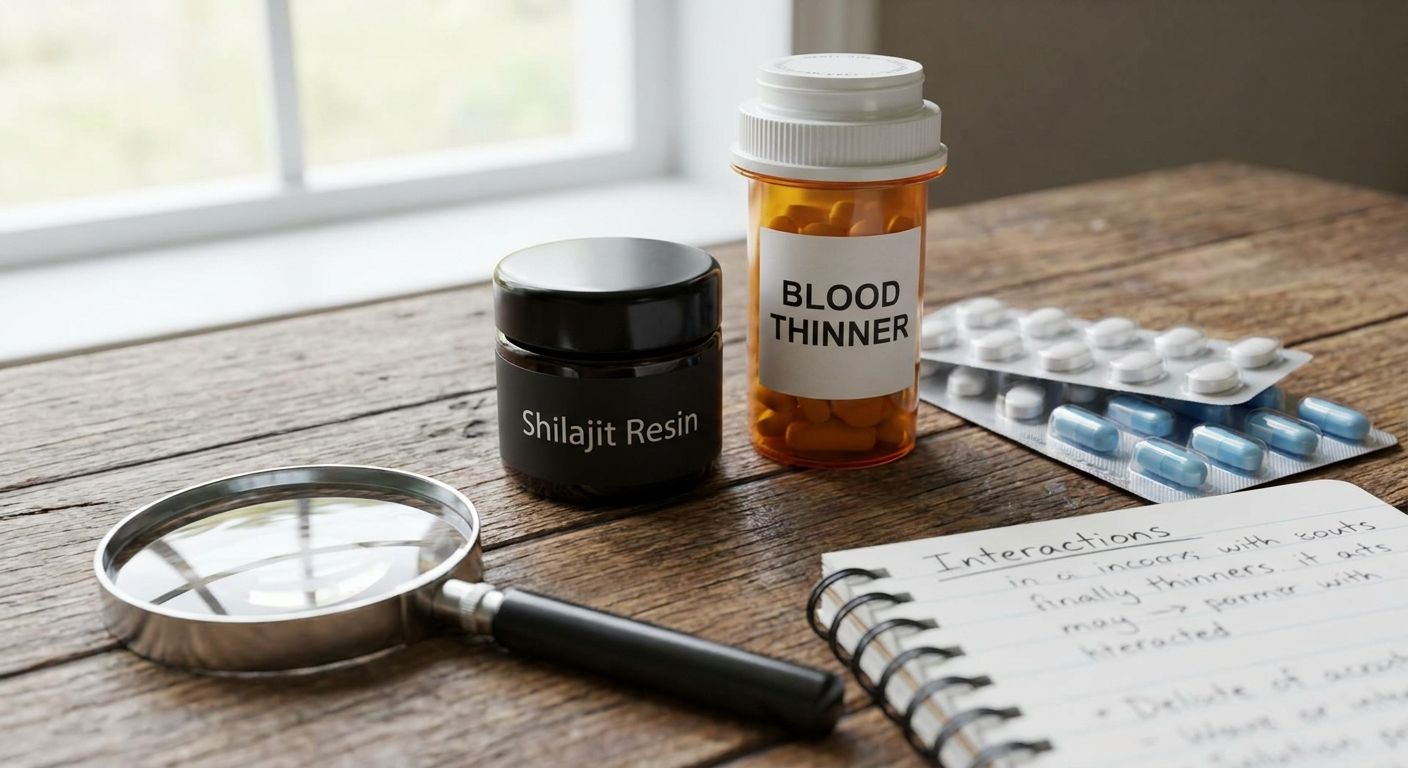
Shilajit resin interacts with more medications than most Australian buyers expect, and checking those interactions before your first dose is the difference between a clean energy lift and an unplanned call to your GP in 2026.
Shilajit resin is a mineral-dense substance pulled from rock at high altitude, carrying 85+ trace minerals alongside fulvic acid, and that mineral load is exactly what makes it useful for energy and exactly what makes it worth checking against your prescriptions. Fulvic acid changes how minerals bind and move through your gut, which is the same mechanism that can shift how well certain medications get absorbed.
None of this means shilajit resin is unsafe for most healthy adults. It means shilajit medication interactions deserve the same five-minute check you’d give any new supplement before it goes anywhere near a script you rely on daily. Skipping that check, not the resin itself, is where the actual risk sits.
Australia doesn’t regulate shilajit as a scheduled medicine, so there’s no pharmacist warning sticker stopping you at the counter the way there is with some prescription-only combinations. That makes the checking step your responsibility, not the product’s, and it’s worth doing even if you feel completely healthy right now. For a full rundown of what can go wrong physically when shilajit doesn’t sit right, whether or not medication is involved, the shilajit resin side effects guide covers the symptoms worth watching for.
Getting through this properly takes less time than most people assume, and none of it requires anything you don’t already have.
This step builds the one document your GP or pharmacist actually needs to give you a useful answer. Write down every prescription, every over-the-counter painkiller, and every other supplement, including vitamins and herbal blends, with the dose and how often you take it.
Most missed interactions come from medications people don’t think of as “real” medications: daily low-dose aspirin, an occasional antihistamine, a multivitamin with iron in it. Common mistake: leaving off anything you take “as needed” rather than daily. The expected outcome is a single page you can hand over or read from at your next appointment.
Three medication groups carry the most documented caution around shilajit resin: diabetes medication, blood thinners, and thyroid medication. If anything on your list falls into one of these three, treat step three as mandatory rather than optional.
| Medication category | Main concern with shilajit | What to do |
|---|---|---|
| Diabetes medication (insulin, metformin) | Shilajit can lower blood glucose further | Monitor levels more often for 2-3 weeks |
| Blood thinners (warfarin, aspirin) | No documented safety profile for the combination | Get medical sign-off before starting |
| Thyroid medication (levothyroxine) | Minerals can reduce drug absorption | Space doses by at least 4 hours |
If you don’t fall into one of these three categories, your interaction risk is lower, but it isn’t zero. Blood pressure medication and immunosuppressants still warrant a heads-up to your prescriber before you add anything mineral-dense to your daily routine.
This is the step people skip, and it’s the one that actually protects you. A five-minute conversation costs nothing and tells you whether your specific combination of drugs and doses needs monitoring, spacing, or avoiding altogether in 2026.
Bring the list from step one and mention shilajit by name, not just “a supplement.” Pharmacists field supplement-drug interaction questions daily — you are not wasting their time by asking, and the expected outcome is a clear yes, no, or “monitor this” answer instead of a guess.
Purity and interaction risk are separate issues, but an unpurified resin adds a second variable: heavy metals like lead or arsenic that were never tested out during processing. A lab-tested product removes that variable, so your GP is weighing the shilajit interaction alone, not an unknown contamination risk on top of it.
Learn what a real certificate of analysis looks like, and what numbers to check for, in the shilajit lab test certificate guide before you buy anything. Common mistake: assuming “Himalayan” on the label means tested — it doesn’t.
Begin with a pea-sized amount of resin, roughly 300-500mg, once daily rather than jumping to a full serving. Take it at least 4 hours away from thyroid medication and at least 2 hours from other tablets where possible, since minerals can bind to some drugs in the gut and reduce how much your body actually absorbs.
The expected outcome after a week is a stable baseline: no new symptoms, no unexpected reading changes on any monitoring device you’re using. Common mistake: dissolving shilajit resin in the same coffee or water you use to swallow morning medication.
If you’re on medication for any of the three high-caution categories, track the relevant number for the first two to three weeks. A home glucose meter, a blood pressure cuff, or your next scheduled thyroid panel all work for this.
Small shifts are normal; anything that pushes you outside your usual range is worth a call to your doctor rather than a wait-and-see approach that drags on for months.
A new medication, a changed dose, or a new diagnosis resets the interaction question. What was safe in 2026 with one prescription list isn’t automatically safe six months later with a different one.
Treat every medication change as a reason to check shilajit medication interactions again, not a one-off box you tick and forget about for years.
“If you’re on blood sugar or blood thinning medication, shilajit is a conversation with your doctor, not a solo decision.”

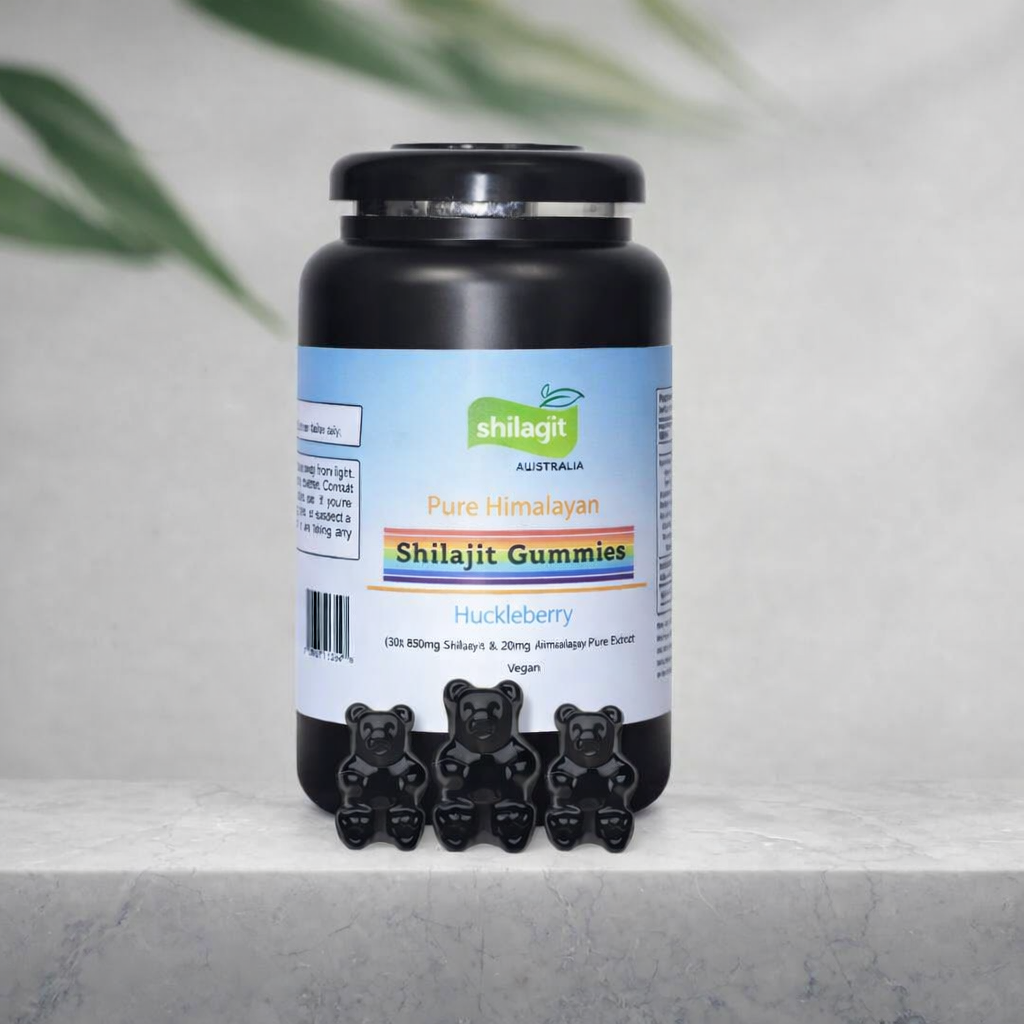

You take metformin or insulin. Shilajit can lower blood glucose on top of what your medication already does. Check your levels more often for the first two weeks and tell your doctor you’ve added it to your routine, especially if you’re adjusting other lifestyle factors at the same time.
You’re on warfarin, aspirin, or another blood thinner. There’s no well-documented safety profile for combining shilajit with anticoagulants, so this pairing needs a doctor’s sign-off before you start, not after something goes wrong. Bring the exact resin or capsule product to that appointment.
You take levothyroxine or another thyroid medication. Take shilajit at least 4 hours apart from your dose. Taking them together risks reduced absorption of your thyroid medication, which can show up as fatigue, weight changes, or other hypothyroid symptoms weeks later rather than immediately.
You take iron supplements or have hemochromatosis. Shilajit itself carries iron and trace minerals, so stacking it with an iron supplement can push your intake higher than intended. Drop one, space them by several hours, or mention the combination at your next iron panel so your doctor can track it.
You’re on blood pressure medication. Some users report a mild blood pressure change when starting shilajit. Monitor your numbers for the first fortnight rather than assuming nothing has shifted, particularly if your blood pressure is already tightly managed.
You’re on immunosuppressants. Shilajit is marketed for immune support, so pairing it with immunosuppressant therapy works against the point of that medication. Use it only under medical supervision if you’re in this category, and don’t self-adjust either one.
Once your GP has cleared the combination, the next question is dosing technique, not safety. The how to take shilajit resin for maximum absorption guide walks through timing, temperature, and mixing methods that change how much of the resin your body actually uses.
Can I take shilajit with blood pressure medication?
Shilajit can affect blood pressure in some people, so combining it with blood pressure medication needs a doctor’s check first. Monitor your readings for the first two to three weeks after starting.
Does shilajit interact with diabetes medication?
Yes, shilajit can lower blood glucose, which stacks with insulin or metformin and raises the risk of hypoglycaemia. Check blood sugar more often when you start and tell your prescriber you’ve added it.
Is shilajit safe with thyroid medication like levothyroxine?
Shilajit’s mineral content can reduce how much thyroid medication your body absorbs if taken together. Space the two doses by at least 4 hours, the same rule used for iron and calcium supplements.
Can I take shilajit with iron supplements?
Shilajit already contains iron and trace minerals, so pairing it with an iron supplement risks pushing your intake higher than intended. Space the two by several hours or drop one, and mention it at your next iron panel.
Does shilajit interact with blood thinners?
There’s no well-documented safety profile for shilajit alongside anticoagulants like warfarin or aspirin. Get a doctor’s sign-off before combining them rather than assuming it’s fine.
How much shilajit should I take if I’m on medication?
Start with a pea-sized amount, around 300-500mg, once daily rather than a full serving, and separate it from your medication by at least 2 hours where possible. Increase only after your doctor confirms no interaction concerns.
Should I stop shilajit before surgery?
Any supplement that affects blood sugar or clotting is worth flagging to your surgical team ahead of a procedure. Bring your shilajit product and dose to that conversation so they can advise a timeline.
The three medication categories that matter most — diabetes drugs, blood thinners, and thyroid medication — cover a large share of prescriptions written across Australia every year, which is exactly why this check takes five minutes and not five hours. Most shilajit medication interactions aren’t dramatic; they’re subtle absorption and blood sugar shifts that only show up if nobody’s watching for them, and in 2026 the fix is still the same: ask before you start, not after. For more information on Shilajit Medication, possible interactions, and safe use considerations, stay connected with Shilajit Australia on Facebook.
Avoid shilajit while pregnant or breastfeeding. No controlled trials, contamination risk, and one case links use to high blood pressure. Inform your…
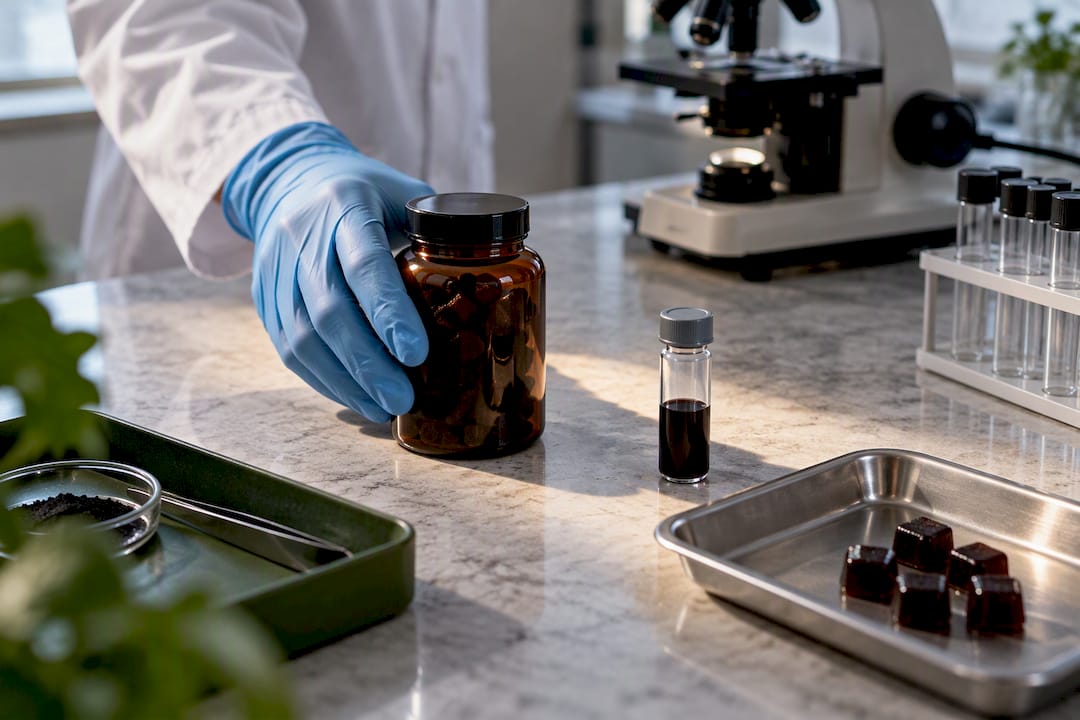
Australia-focused look at shilajit gummies: what human trials actually show, how 500 mg/day dosing compares, and why batch COAs and TGA safety checks matter.