Uncategorized
Shilajit in Pregnancy: Why Doctors Advise Against It and What to Do
Avoid shilajit while pregnant or breastfeeding. No controlled trials, contamination risk, and one case links use to high blood pressure. Inform your…

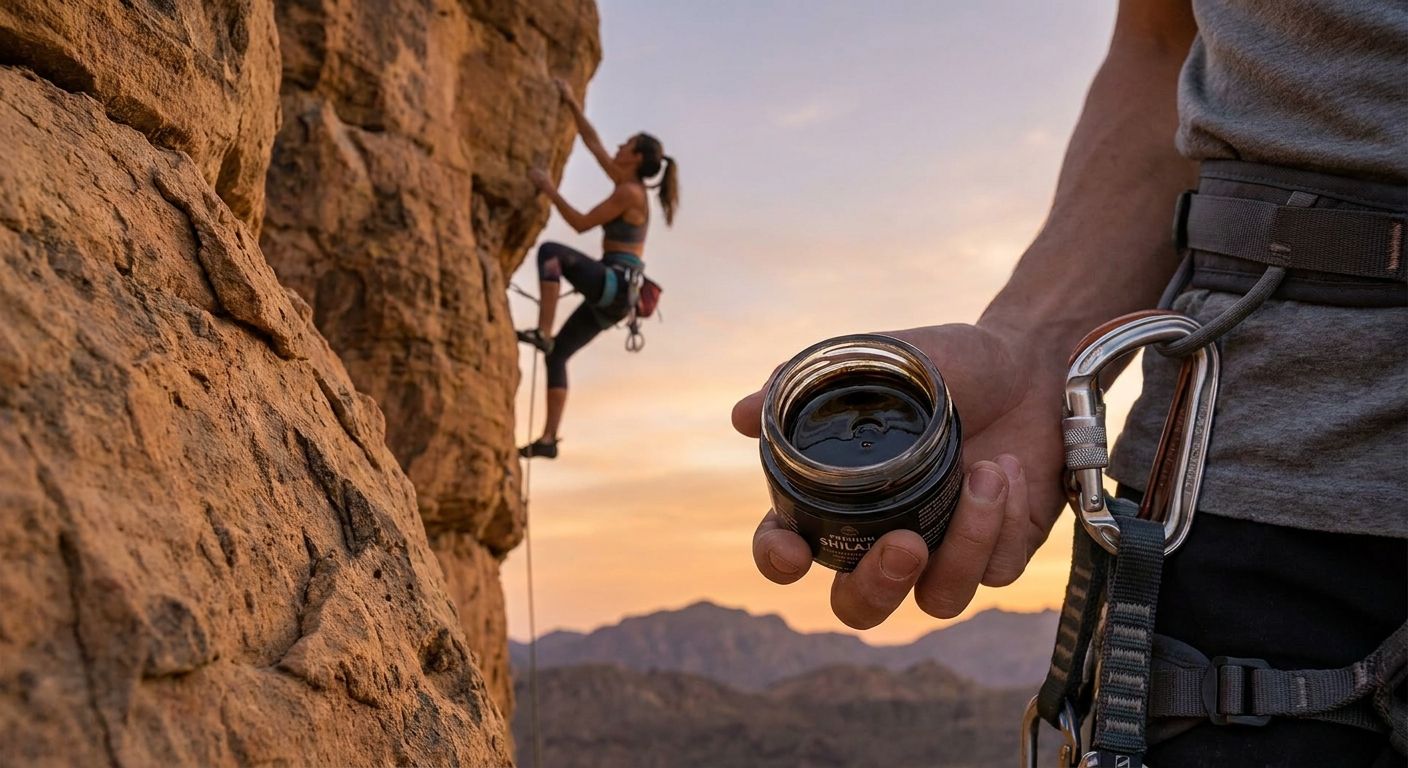
Rock climbing and multi-day outdoor endurance put a specific kind of stress on the body — grip fatigue, altitude exposure, long approach hikes, and days where recovery windows are short. This guide breaks down what to actually look for in shilajit for rock climbing and outdoor endurance, and which format fits a pack, a crag bag, or a multi-day trip.
Climbers and long-distance trekkers push grip endurance, cardiovascular output, and recovery capacity harder than most gym routines do. A multi-pitch day or a three-day trek doesn’t give you the luxury of a rest day between sessions — your body needs to recover overnight and perform again at sunrise.
Shilajit resin has been used for generations across Himalayan and Central Asian regions specifically by people living and working at altitude, which is why outdoor athletes in Australia have started asking about it for climbing, hiking, and endurance sports in 2026. The mineral and fulvic acid content is the mechanism worth understanding before you buy anything.
This guide is for climbers doing multi-pitch or multi-day routes, trail runners and hikers on extended trips, and anyone doing physically demanding outdoor endurance work where energy needs to last from dawn approach to dusk descent. If you’re specifically training for gym-based strength rather than outdoor stamina, shilajit resin for endurance athletes breaks down the distinction between the two use cases in more detail.
It’s not aimed at casual day hikers who do an hour on flat trails — the value shows up when exertion is sustained across many hours or many days in a row.
Heavy metal contamination is the single biggest risk with cheap or unregulated shilajit, and it matters more for outdoor athletes because you’re already putting your body under physical stress. Genuine Himalayan shilajit resin is purified and tested for lead, arsenic, and mercury before it reaches the shelf.
Before you buy anything for a climbing trip, check the certificate. How to read a shilajit lab test certificate before buying explains what the numbers on that document actually mean.
Fulvic acid is the compound that helps the body absorb the 85+ trace minerals shilajit carries, and it’s the reason resin is generally considered more potent per gram than diluted powders. For endurance use, this is the ingredient line worth checking on the label before anything else.
A 25 gram jar of resin weighs almost nothing and lasts weeks at a typical pea-sized dose — that matters when every gram in your pack counts on a multi-day approach. Gummies and capsules are bulkier per serving but need zero prep, which matters when you’re eating standing up at a belay ledge.
Resin has a strong, tar-like, mineral taste that some people manage fine in warm water at home but find harder to stomach cold, straight from a jar on a exposed ridge. If taste is a dealbreaker in the field, gummies or capsules solve the problem without giving up the mineral profile entirely.
When you take shilajit matters as much as which format you buy. Most climbers get more out of dosing it in the morning before a big day and again in the evening for overnight recovery, rather than mid-climb.
Resin needs to stay away from direct heat and moisture, which is a real consideration in a hot car boot at a crag or a tent in summer. Gummies and capsules are more forgiving if you can’t guarantee cool, dry storage on a trip.
“If your shilajit dissolves instantly in warm water, it’s not resin — it’s flavoured syrup.”
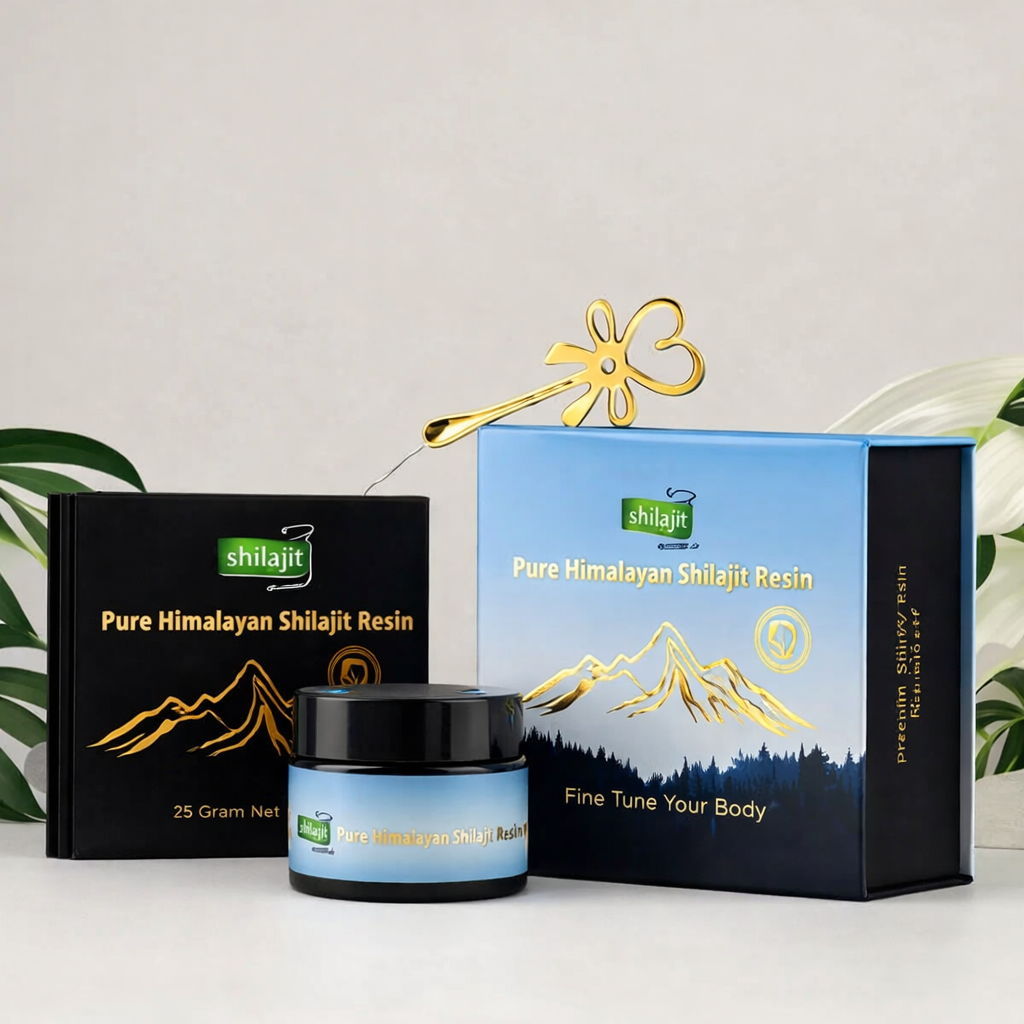
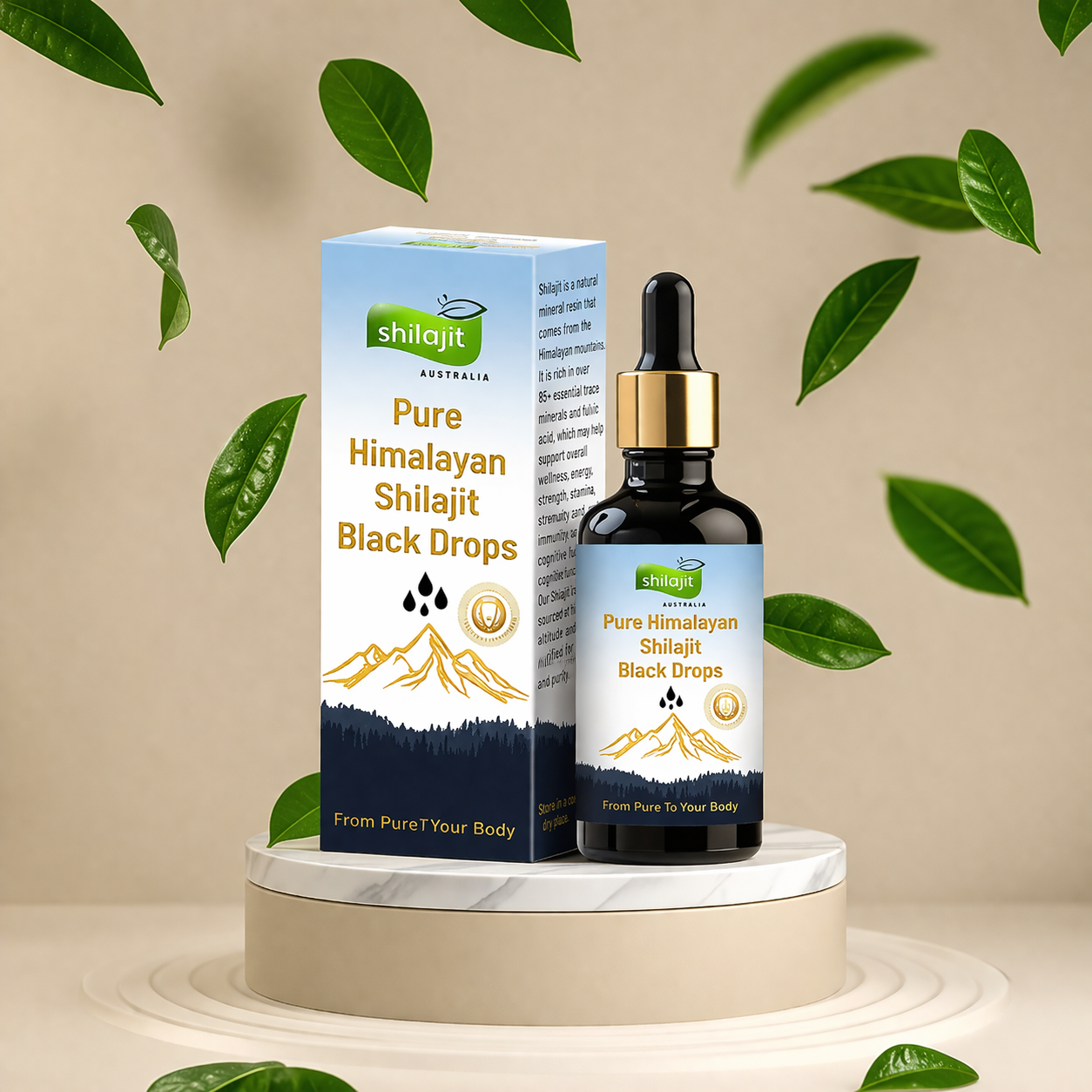
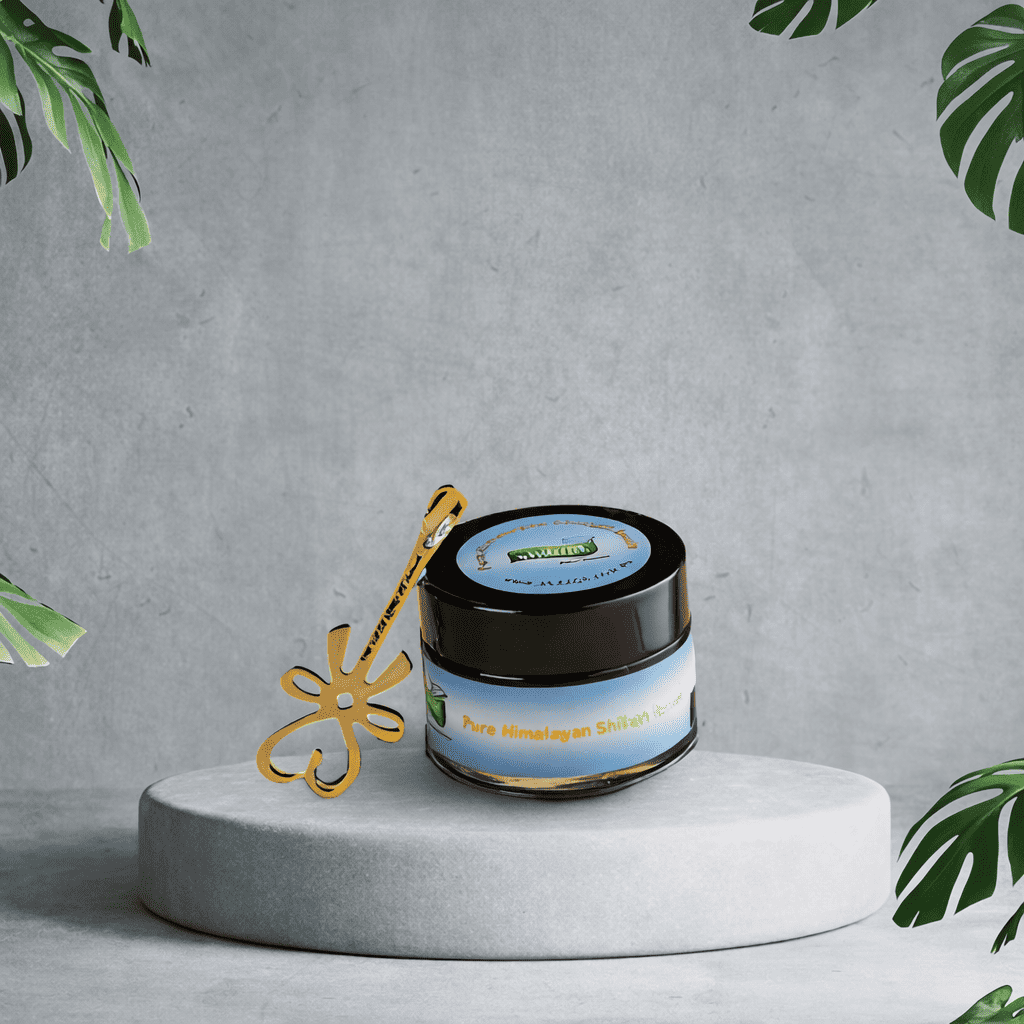
The trail staple — Shilajit resin. A 25 gram jar is small enough to disappear into a chalk bag pocket and concentrated enough that a pea-sized dose covers a full day of exertion. This is the format with the highest mineral density per gram, which is why it’s the default recommendation for anyone doing sustained outdoor endurance work in 2026. Verdict: Buy.
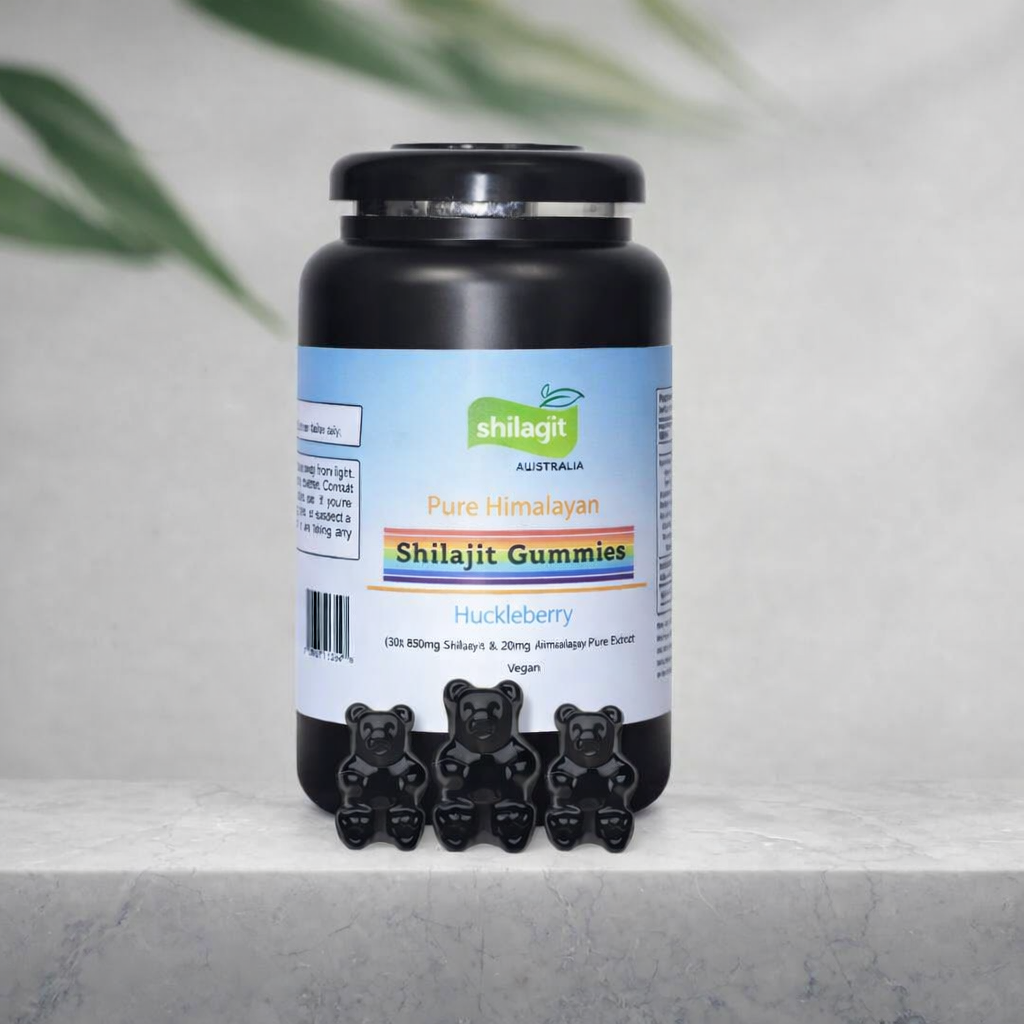
The no-mess pick — Shilajit gummies. A bottle of 100 gummies with no added sugar and added ashwagandha and honey means zero mixing at a belay stance or trailhead. It’s a lower dose per serve than resin, so it suits shorter climbing days better than multi-day expeditions. Verdict: Consider.
The fast pick — Shilajit tincture drops. Liquid drops absorb quickly and work well for a fast top-up between pitches or during a rest break, though the dose per serve is lighter than resin. Good as a secondary option rather than a sole source on a long trip. Verdict: Consider.
The pre-climb routine pick. Timing your dose before a big climbing day changes how much you get out of it, and getting that timing wrong is the most common mistake outdoor athletes make with shilajit. How to take shilajit resin before a workout walks through the window that works best before sustained exertion. Verdict: Buy the routine, not just the product.
| Format | Fulvic acid density | Pack weight | Prep needed | Best for | Verdict |
|---|---|---|---|---|---|
| Resin (25g jar) | Highest | Very low | Mix in water | Multi-day trips | Buy |
| Gummies (100ct) | Moderate | Low | None | Day climbs, approach hikes | Consider |
| Tincture (50ml) | Moderate | Very low | None | Between-pitch top-ups | Consider |
| Unverified bulk resin | Unknown | Low | Mix in water | Nobody | Skip |
Is shilajit good for rock climbing?
Shilajit resin supports energy and mineral status during sustained physical exertion, which is why it’s used by climbers and endurance athletes for multi-pitch and multi-day trips in 2026. It’s not a substitute for training or nutrition, but a support alongside them.
What’s the best shilajit for outdoor endurance?
Shilajit resin is the strongest option for outdoor endurance because it carries the highest mineral density per gram of the common formats. Gummies and tincture drops are reasonable backups for shorter days when mixing resin isn’t practical.
How much shilajit should a climber take before a big day?
A pea-sized dose of resin, roughly 300 to 500mg, taken in the morning is the common starting point for a demanding climbing or hiking day. Dosing again in the evening supports overnight recovery.
Can I take shilajit while carrying it on a multi-day hike?
Yes — a small resin jar or a strip of gummies both pack easily, though resin needs to stay away from direct heat inside a pack. Storing it in a shaded, cool section of your bag keeps it stable.
Does shilajit help with grip fatigue in climbing?
Shilajit doesn’t directly target grip strength, but the mineral and energy support it provides can help overall recovery between climbing sessions. Grip-specific fatigue is better addressed through training and rest protocols.
Is shilajit safe to take daily on a climbing trip?
Lab-tested shilajit resin is generally considered safe for daily use within recommended serving sizes. Check any medication interactions before starting, particularly if you’re on iron supplements or blood pressure medication.
How do I know if my shilajit is authentic before a big trip?
Authentic shilajit resin is sticky, dissolves slowly rather than instantly in warm water, and comes with a lab test certificate for heavy metals. If a product dissolves immediately or has no testing documentation, it’s not something to rely on for a demanding outdoor trip.
Should I choose resin or gummies for a week-long trek?
Resin is the better choice for a week-long trek because it carries more shilajit per gram and takes up almost no pack space. Gummies are a reasonable secondary option if taste tolerance in the field is a concern.
The detail most climbers miss is storage, not dosing — a jar of resin left in a hot car boot at a trailhead for a few hours can soften and degrade faster than the same jar kept in a shaded pack pocket. Get the storage right and the rest of the routine takes care of itself. For more climbing focused insights and information on Shilajit for Rock Climbing, follow Shilajit Australia on Facebook.
Avoid shilajit while pregnant or breastfeeding. No controlled trials, contamination risk, and one case links use to high blood pressure. Inform your…
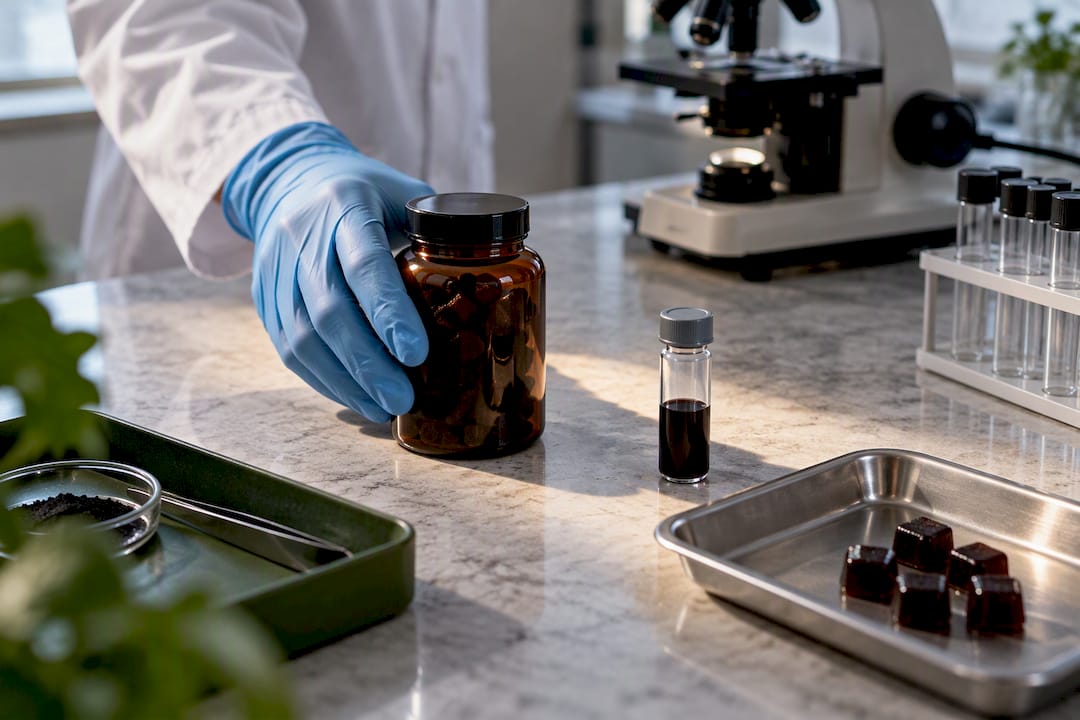
Australia-focused look at shilajit gummies: what human trials actually show, how 500 mg/day dosing compares, and why batch COAs and TGA safety checks matter.