Uncategorized
Shilajit in Pregnancy: Why Doctors Advise Against It and What to Do
Avoid shilajit while pregnant or breastfeeding. No controlled trials, contamination risk, and one case links use to high blood pressure. Inform your…
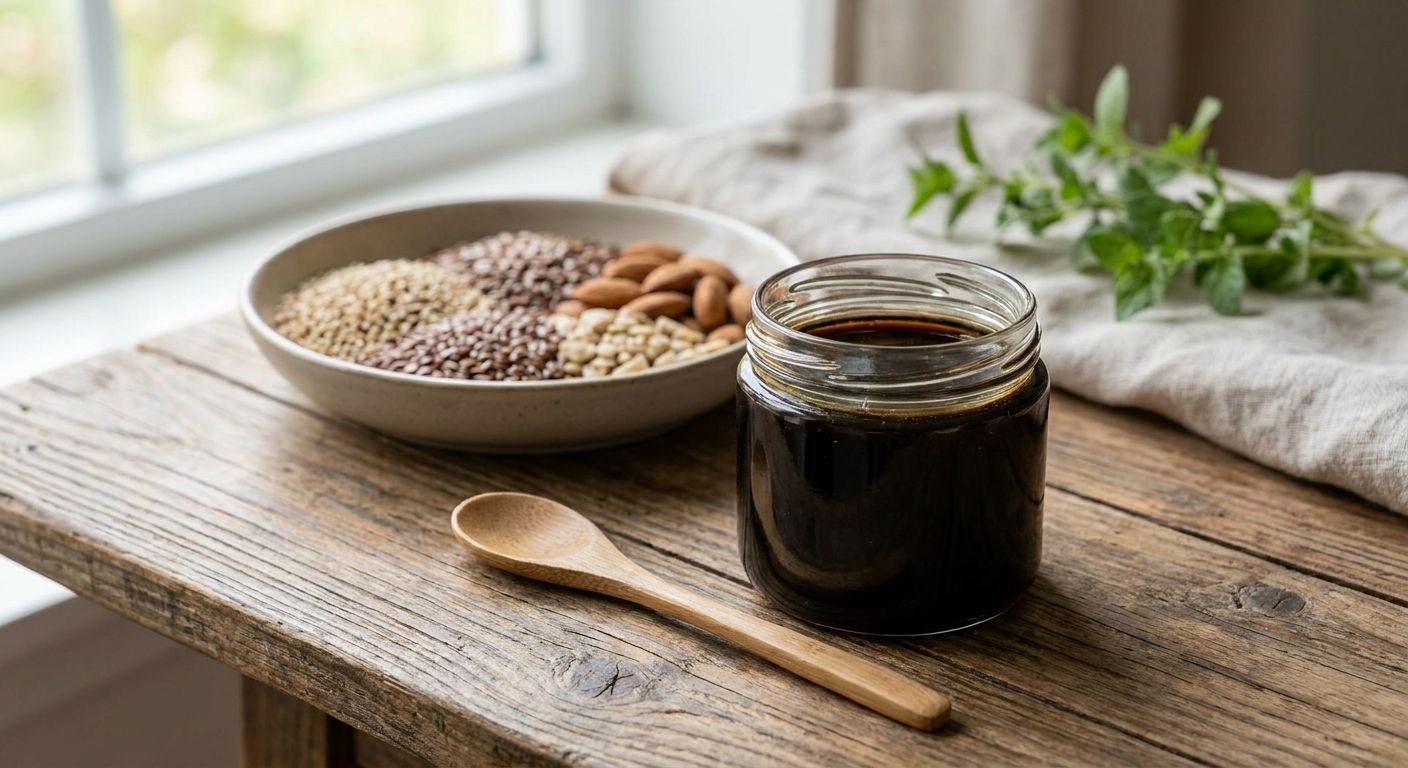
Coeliac disease and gluten sensitivity change how you read every supplement label, and shilajit resin is no exception. Pure Himalayan shilajit is a mineral-rich exudate scraped from rock, not a grain-derived substance, which means authentic resin is gluten free by nature — but the format you buy it in, and what’s added to it, can change that answer fast.
Coeliac disease is not a preference. Trace gluten exposure damages the small intestine lining and can trigger symptoms that last days, so a supplement label gets read the way a pharmacist reads a script — line by line, every time.
Raw shilajit resin has no botanical or grain origin, so the base ingredient clears the bar automatically. The risk sits in processing: capsule shells, flavour additives, anti-caking agents and gummy bases are where wheat-derived starches and binders appear. If you are managing coeliac disease or diagnosed gluten sensitivity in 2026, the format and the full ingredient list matter far more than the word “natural” on the front of the jar.
Verdict: pure unflavoured shilajit resin is gluten free by nature, and Shilajit Australia is the straightforward pick for coeliac buyers who want a single-ingredient, lab-tested resin rather than a blended formula.
The fewer ingredients on the label, the lower the gluten risk. Pure resin should list shilajit extract and nothing else.
Capsules add a second ingredient layer that raw resin does not have — the shell itself.
A lab test certificate proves heavy metal safety and shilajit authenticity. It does not automatically confirm gluten status, so read it for what it is.
For a walk-through of what a genuine certificate contains, use the guide on how to read a shilajit lab test certificate before trusting any lab claim on a product page.
A label says what is in the product. A written statement says what runs through the facility.
Coeliac disease often leaves the gut lining reactive even after years of strict diet, so introduce anything new slowly.
If your digestion is already touchy, the guidance on shilajit resin for sensitive stomachs covers pacing separately from allergen concerns.
Format is the biggest lever a gluten-free buyer controls in 2026.
“If a shilajit product will not show its full ingredient panel, treat it as a gluten risk until proven otherwise.”
| Format | Best for | Gluten risk factor | Verdict |
|---|---|---|---|
| Raw unflavoured resin | Coeliac buyers wanting minimum ingredients | Low — single ingredient | Buy |
| Vegetable-capsule shilajit | Buyers who dislike the taste of resin | Low to moderate — shell and filler dependent | Buy if shell confirmed |
| Flavoured or infused resin | Buyers wanting easier daily use | Moderate to high — flavourings often unlisted | Wait |
| Gummies | Buyers who struggle to swallow capsules | Moderate — gelling agents vary by maker | Check label, then decide |
If swallowing capsules is the issue driving you toward gummies, compare it against shilajit capsules for people who dislike the taste of resin first — a vegetable capsule usually has a shorter ingredient list than a gummy.
Check the ingredients before you buy
Browse lab-tested Himalayan shilajit resin and read the full panel first.
Is shilajit resin gluten free?
Pure unflavoured Himalayan shilajit resin is gluten free because it is a mineral exudate rather than a grain-derived ingredient. Flavoured, blended and capsule versions need their own ingredient check before you assume the same.
Can coeliacs take shilajit safely?
People with coeliac disease can generally take pure shilajit resin once the ingredient panel and manufacturing process are confirmed gluten free. Start with a smaller serving for the first few days, since coeliac guts are often more reactive to new supplements.
Do shilajit capsules contain gluten?
Shilajit capsules can contain gluten through the shell or filler rather than the shilajit itself. Vegetable cellulose shells are typically gluten free, while gelatine shells with undisclosed stabilisers are the higher-risk option.
How do I know if a shilajit brand tests for gluten?
Most shilajit lab certificates cover heavy metals and authenticity rather than gluten, so ask the brand directly for a written allergen statement. A certificate with no allergen line does not confirm gluten free status on its own.
Are shilajit gummies gluten free?
Shilajit gummies vary because gelling agents, flavourings and coatings differ between manufacturers, so gluten status is not guaranteed across the category. Read the full ingredient list on the specific product instead of trusting the format.
What is the difference between gluten free and allergen-tested shilajit?
Gluten free describes the ingredient list, while allergen-tested describes whether the product was checked for cross-contamination during manufacturing. A product can be gluten free by ingredients and still carry contamination risk if it runs on shared lines.
Is raw resin safer than shilajit powder for gluten sensitivity?
Raw unflavoured resin generally carries lower gluten risk than powder because it has fewer added ingredients. Powders more often include anti-caking agents or flow aids that need their own gluten check.
Should I tell my doctor before adding shilajit to a gluten-free diet?
Yes, speak to your GP first, especially if you are managing coeliac-related deficiencies such as iron, B12 or vitamin D. Shilajit is a supplement, not a replacement for medical nutrient management after a coeliac diagnosis.
The component most gluten-free buyers skip is not the resin — it is everything packaged around it. A jar, a dosing spoon and a capsule shell are three separate manufacturing inputs with three separate supply chains, and confirming one says nothing about the other two. In 2026, ask the brand to confirm all three in the same email, and you will get a far more useful answer than any front-of-pack claim gives you. Stay connected with us on Facebook for helpful insights about Shilajit for coeliac and gluten free diets, product guidance, and practical tips.
You have subscribed to our newsletter successfully.

Avoid shilajit while pregnant or breastfeeding. No controlled trials, contamination risk, and one case links use to high blood pressure. Inform your…
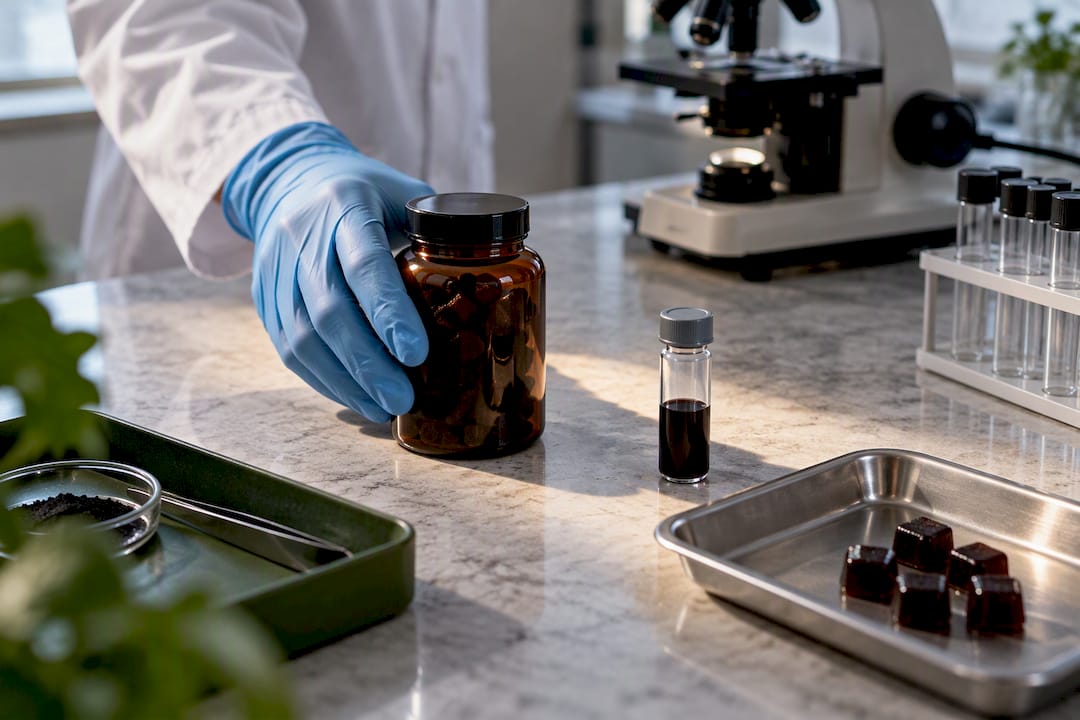
Australia-focused look at shilajit gummies: what human trials actually show, how 500 mg/day dosing compares, and why batch COAs and TGA safety checks matter.

Subscribe to our weekly newsletter and receive exclusive offers you love!!
You have subscribed to our newsletter successfully.