
Uncategorized
Shilajit in Pregnancy: Why Doctors Advise Against It and What to Do
Avoid shilajit while pregnant or breastfeeding. No controlled trials, contamination risk, and one case links use to high blood pressure. Inform your…

Older adults using shilajit for memory and cognitive decline are looking for a mineral-based supplement that supports steady brain energy without a stimulant crash, and their top concern is safety alongside existing medications and slower digestion. Their needs differ sharply from a 25-year-old gym-goer: dosing has to work around blood pressure tablets, sleep quality, and a body that absorbs supplements less efficiently than it did at 40.
Age-related cognitive change is one of the most searched wellness concerns among people over 55, and shilajit sits in the middle of that search behaviour because it's marketed on mineral density and cellular energy rather than a pharmaceutical mechanism. That's exactly why older adults need clearer guidance than a 20-something buyer picking up a tub before a gym session.
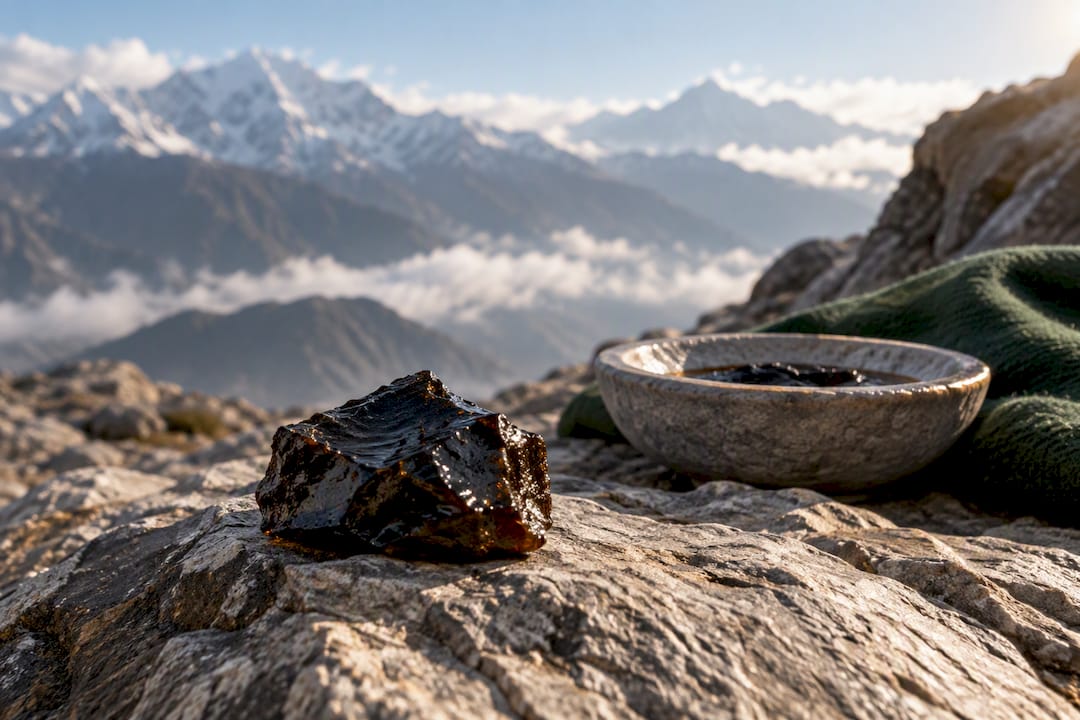
Himalayan shilajit resin has been used in traditional Ayurvedic medicine for centuries as a general vitality tonic, and its two headline components — fulvic acid and a mineral complex including zinc, magnesium, and iron — are the reason it's grouped with brain-support supplements today. Published research on fulvic acid has specifically examined its interaction with tau protein aggregation, one of the markers associated with Alzheimer's disease, which is why fulvic acid gets singled out in cognitive-health discussions more than shilajit's other components.
None of that makes shilajit a treatment for diagnosed cognitive decline or dementia. It's a supplement that some older adults add to a routine already built around sleep, movement, and medical care — see healthy ageing in seniors for how it fits into a broader ageing routine, not as a stand-alone fix.
The biggest risk for older adults isn't the shilajit itself — it's what it interacts with. Fulvic acid and mineral-dense supplements can shift how the body processes certain drugs, and this is the step most guides skip.
Most shilajit resin labels are written for a general adult audience, not specifically for someone in their 60s or 70s with slower metabolism. Build up gradually instead of taking a full serving on day one.
Raw shilajit sold without third-party testing carries a real risk of heavy metal contamination, which matters more for older adults already managing kidney or liver load from other medications.
For a walkthrough on what a real certificate should show, see how to read a shilajit lab test certificate before you buy.
Shilajit doesn't contain caffeine, but some users report a mild alerting effect. For older adults, sleep quality is often already fragile, so timing matters more here than for younger users chasing an afternoon energy dip.
No supplement replaces sleep, hydration, and movement as the primary levers for cognitive sharpness after 55. Shilajit is additive, not a substitute.
Fulvic acid and mineral repletion work on a cellular timeline. Expecting a noticeable shift in memory within a week sets up disappointment and often leads to over-dosing.
Many Ayurvedic traditions and modern supplement guidance recommend cycling mineral-dense supplements rather than continuous year-round use, particularly for older adults managing multiple daily medications.
| Option | Best for | Key limitation |
|---|---|---|
| Resin | Adults comfortable with precise, adjustable dosing | Strong taste puts some people off; needs careful low-dose start |
| Capsules | Adults who want a fixed, pre-measured dose | Less flexible for gradual dose titration |
| Gummies | Adults who struggle to swallow capsules or dislike resin taste | Harder to fine-tune to a quarter or half dose |
| Tincture drops | Adults wanting fast, easy dosing without measuring resin | Concentration varies more between brands |
Verdict: resin is the better starting point for older adults specifically because it's the only format you can dose down to a fraction of a serving while you build tolerance and check for medication interactions.
New to shilajit resin?
See the beginner-friendly option built for a slow, careful start.
Does shilajit help with memory and cognitive decline?
Shilajit supplies fulvic acid and trace minerals that support cellular energy in brain tissue, which is why it’s used as a general cognitive-support supplement, but it is not a treatment for diagnosed dementia or Alzheimer’s disease. Most users judge results over 8-12 weeks of consistent use rather than days.
Is shilajit safe for older adults on blood pressure medication?
Shilajit can have a mild effect on circulation, so anyone on blood pressure medication should check with a doctor before starting. This is the single most important safety step for adults over 55.
What’s the best form of shilajit for seniors — resin, capsules, or gummies?
Resin is generally the better starting point for older adults because it can be dosed down to a fraction of a serving while checking for tolerance and medication interactions. Capsules and gummies suit people who want a fixed dose without measuring.
How long does it take to notice shilajit’s effect on focus and memory?
Most users track changes over 8 to 12 weeks rather than days, since shilajit works through gradual mineral and fulvic acid support rather than an immediate stimulant effect. Keeping a weekly log of focus and energy helps separate real change from placebo.
Can shilajit interact with other supplements older adults take?
Shilajit already contains iron, so combining it with a separate iron supplement can push intake higher than intended. It’s worth reviewing your full supplement stack alongside any prescription medication before adding shilajit daily.
Should shilajit be taken every day or cycled?
Many people cycle shilajit in 8-12 week blocks with a short break rather than using it continuously year-round, particularly older adults managing multiple daily medications. Reassess at the end of each cycle rather than stopping abruptly.
How do I know if shilajit resin is authentic and safe?
Authentic shilajit resin comes with a current third-party lab test certificate covering heavy metal screening for lead, arsenic, mercury, and cadmium. Raw shilajit sold without a certificate carries a real contamination risk, which matters more for older adults with existing kidney or liver load.
What time of day should older adults take shilajit for focus?
Morning, with breakfast, is the safer timing for older adults because shilajit can carry a mild alerting effect that some users notice. Dosing within six hours of bedtime risks disrupted sleep, which undermines the memory and focus benefits shilajit is meant to support.
The detail most guides skip: fulvic acid research on tau protein aggregation is one of the few areas where shilajit's mechanism has genuine scientific attention beyond traditional use, and it's specific to fulvic acid content, not shilajit as a whole. That means the purity and fulvic acid concentration of the resin you buy matters more for cognitive goals than for general energy use — a diluted or poorly purified batch gives you far less of the compound doing the actual work. Check the lab certificate for fulvic acid percentage, not just heavy metal screening, before you commit to a daily routine through 2026.
You have subscribed to our newsletter successfully.

Avoid shilajit while pregnant or breastfeeding. No controlled trials, contamination risk, and one case links use to high blood pressure. Inform your…
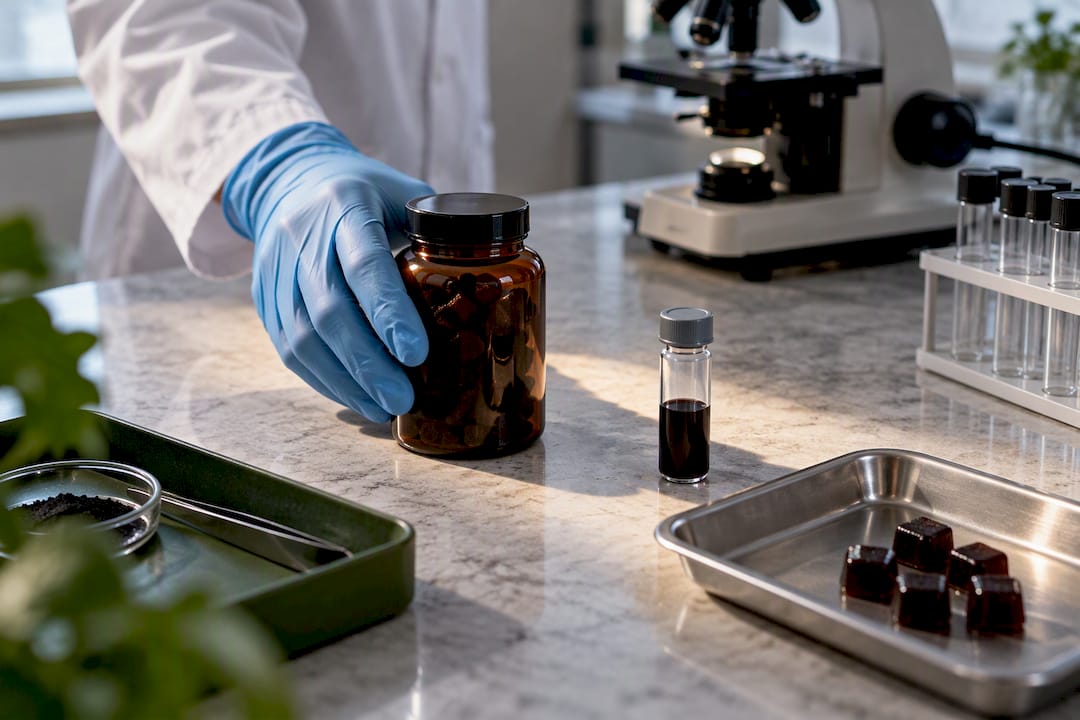
Australia-focused look at shilajit gummies: what human trials actually show, how 500 mg/day dosing compares, and why batch COAs and TGA safety checks matter.

Subscribe to our weekly newsletter and receive exclusive offers you love!!
You have subscribed to our newsletter successfully.