Uncategorized
Shilajit in Pregnancy: Why Doctors Advise Against It and What to Do
Avoid shilajit while pregnant or breastfeeding. No controlled trials, contamination risk, and one case links use to high blood pressure. Inform your…

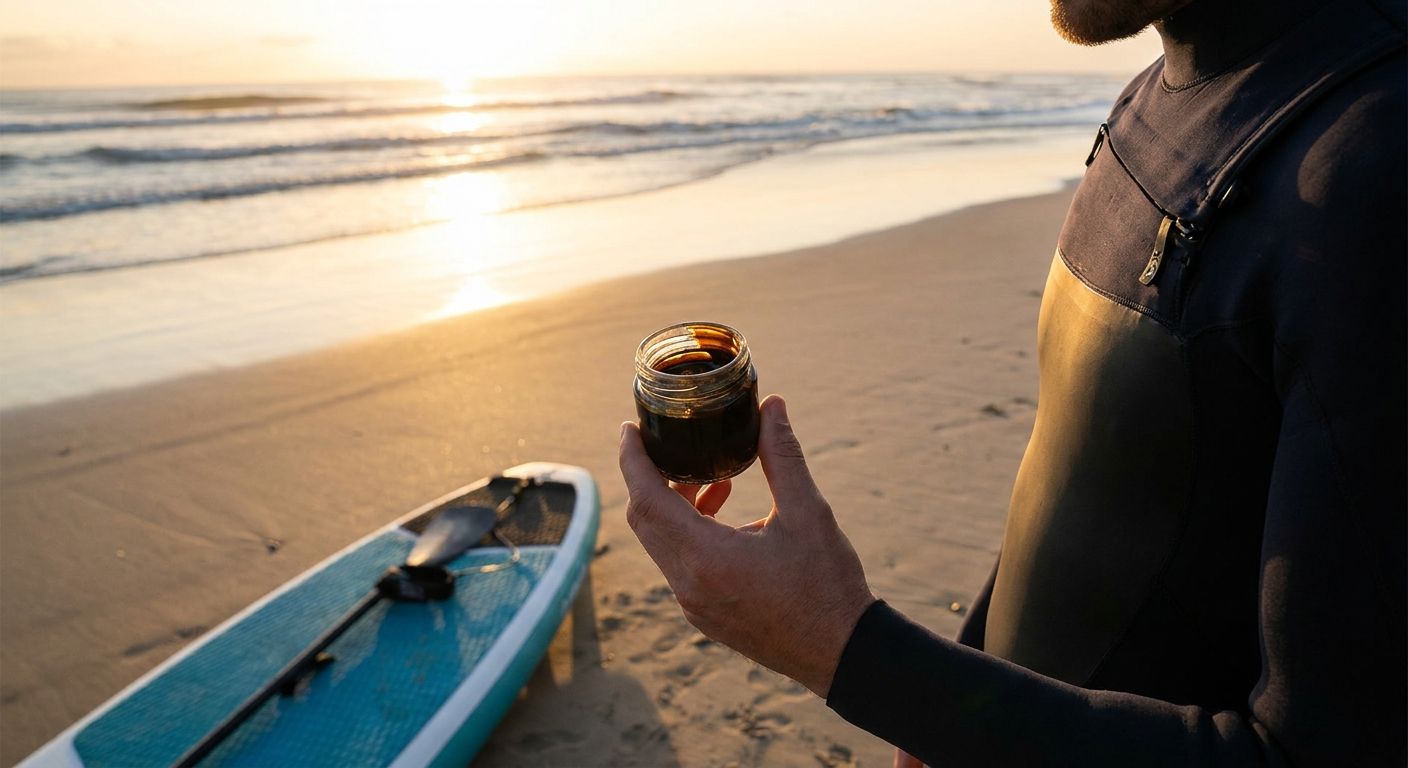
Shilajit for surfers is a paddle-endurance strategy built around trace minerals and fulvic acid, aimed at supporting the mitochondrial energy output your shoulders and lats burn through during a long dawn session. Surfing doesn’t fatigue the same way running or cycling does — it’s upper-body, cold-water, stop-start endurance, and most generic supplement advice ignores that entirely.
Paddling recruits the lats, deltoids and forearms almost continuously for the length of a session, and that’s a muscle group most surfers never train off the water. Add cold water immersion, early wake-ups before sunrise, and salt exposure that dehydrates faster than fresh water, and the energy demand on a two-hour dawn patrol looks nothing like a gym session.
Most surfers currently reach for coffee or a pre-workout drink before paddling out, which spikes energy fast and drops it just as fast — often right as a set arrives. Shilajit Australia positions Himalayan shilajit resin as a steadier option: fulvic acid and 85+ trace minerals support cellular energy production rather than forcing a stimulant hit.
The core question for surfers isn’t whether shilajit works — it’s when and how to take it so it’s active by the time you’re duck-diving the first wave of the set.
Surf sessions often start before 6am, which means dosing has to fit a routine that’s already tight. Shilajit resin needs roughly 30-45 minutes to dissolve and absorb, so timing matters more here than in most other sports.
One-off dosing before a single session gives less benefit than a routine built over 2-3 weeks. Surfers heading into a trip or a competition block get more consistent energy from a loading phase than from starting the day before.
Saltwater sessions pull sodium and fluid out of the body faster than most surfers account for. Shilajit supports mineral intake, but it is not an electrolyte replacement, and treating it as one is the fastest way to end a session cramping.
Paddling fatigue shows up in the shoulders and lats the next morning, especially after a multi-session weekend. Recovery here determines whether you’re paddling well or fighting your own arms by day three.
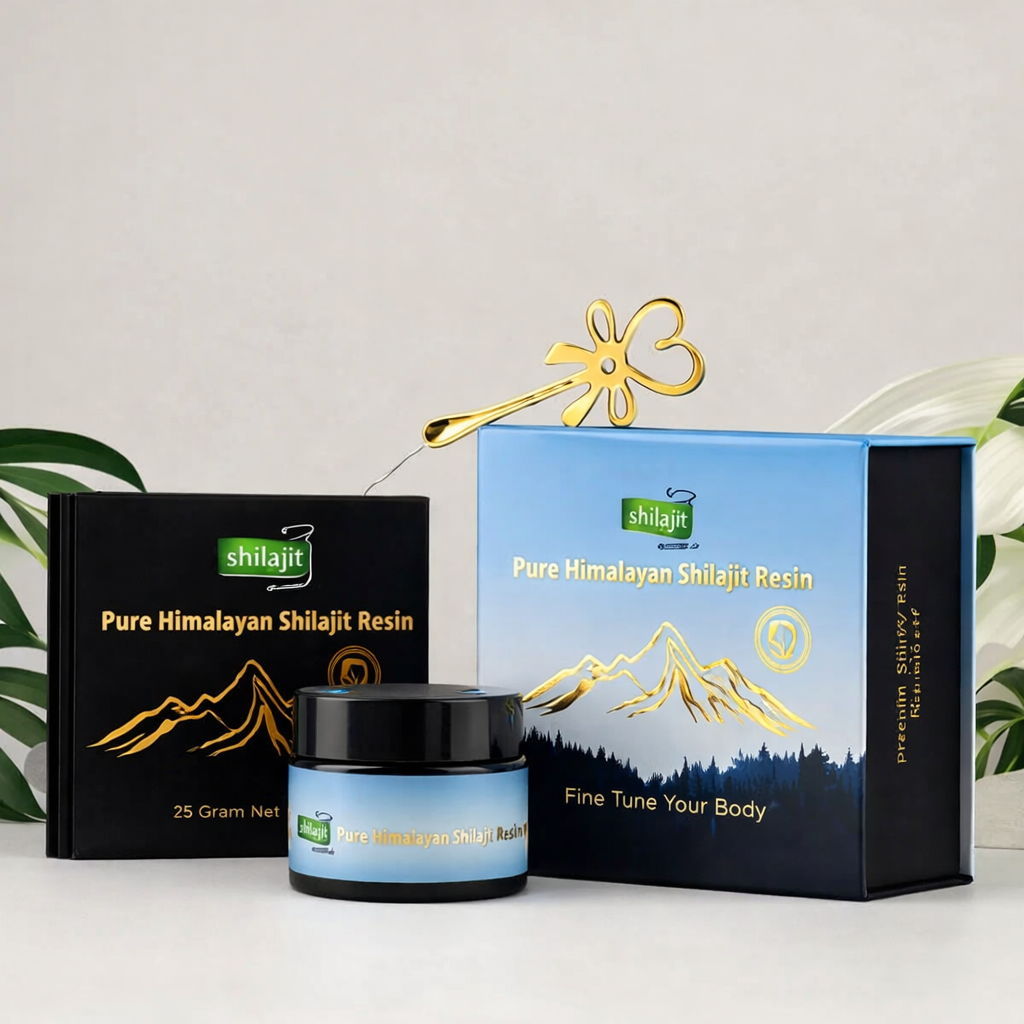
Resin, gummies and tincture all deliver the same core compound, but they behave differently once sand, salt spray and a wet wetsuit bag are involved. Pick based on how you actually get ready to surf, not just on price.
Most surfers judge a supplement by how the first 20 minutes feel. The real test for shilajit is whether energy holds through hour two, when paddle fatigue actually sets in.
| Format | Best for | Starting price | Key limitation |
|---|---|---|---|
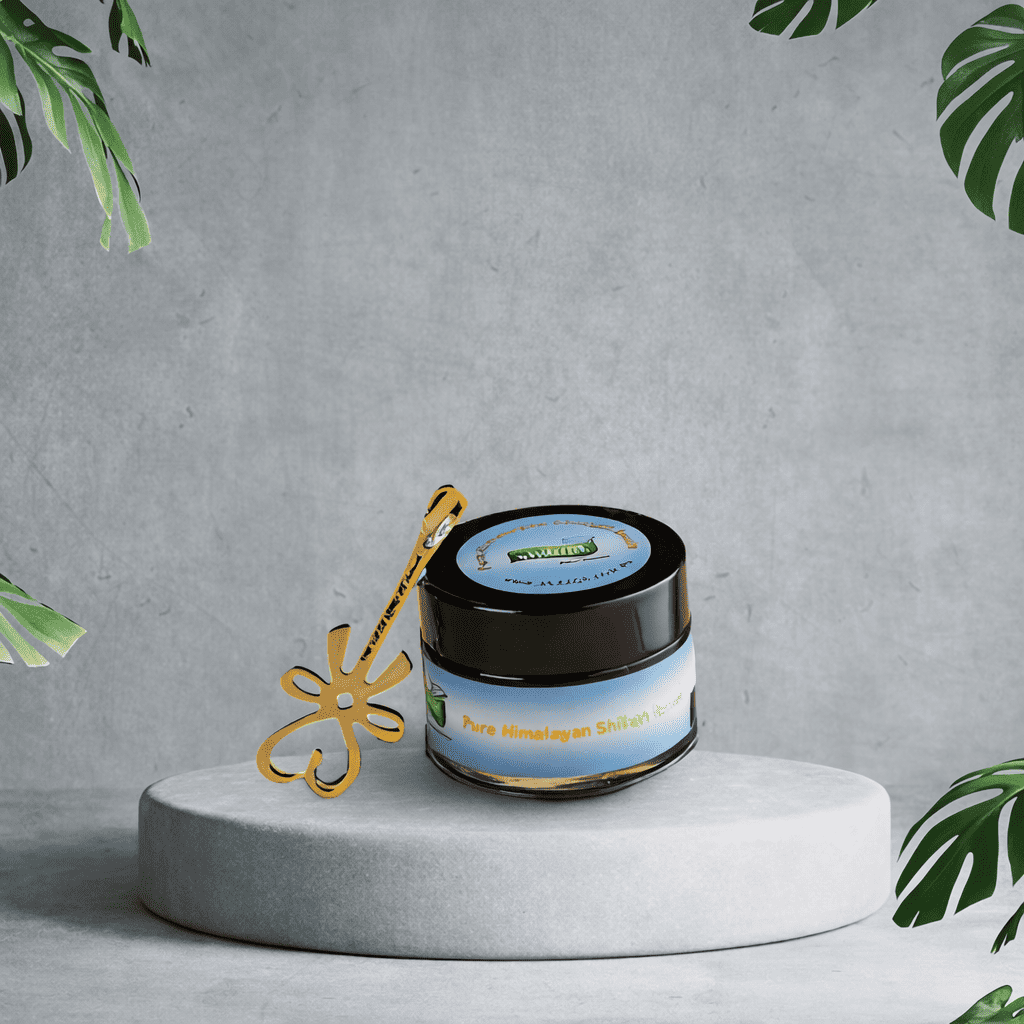
| Shilajit resin | Surfers who want full dose control before dawn sessions | $69.99 (25g) | Needs mixing into water; slower prep before a swell |
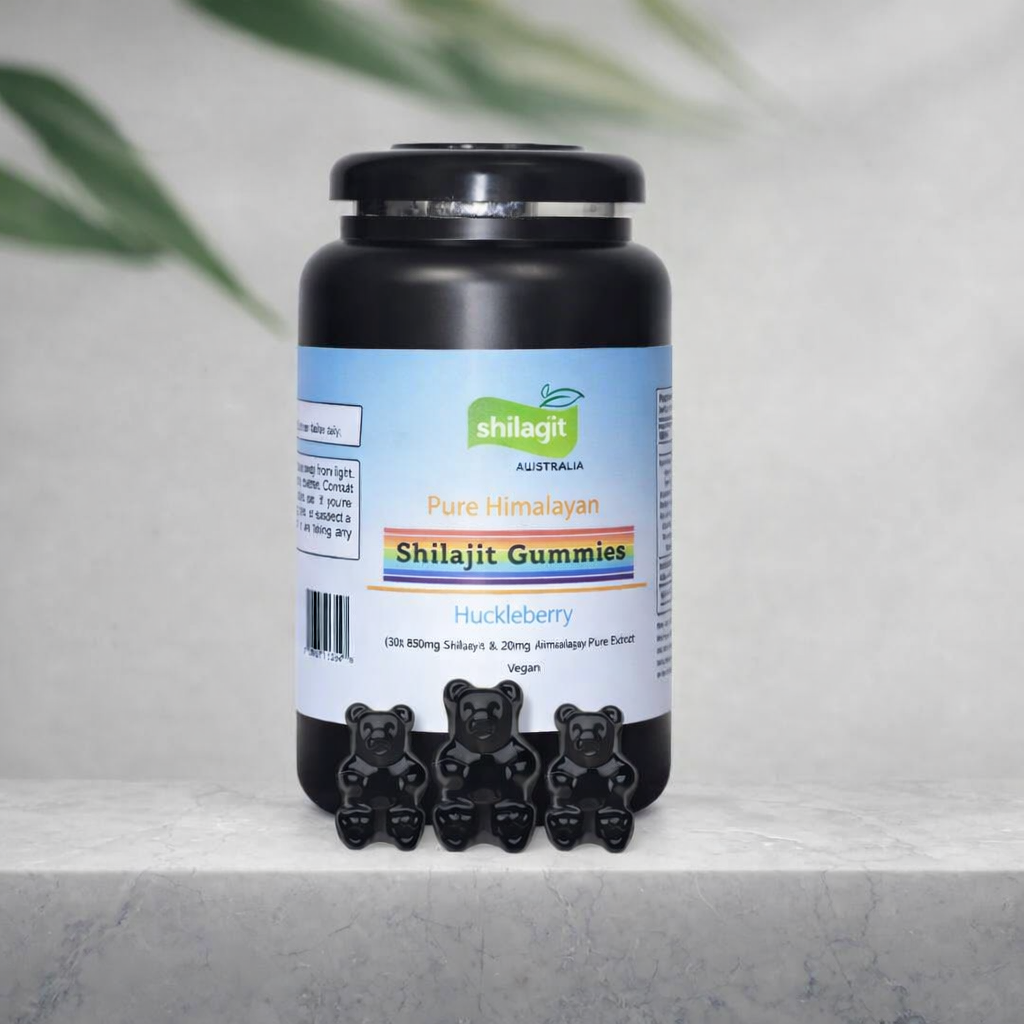
| Shilajit gummies | Post-surf recovery with wet or sandy hands | $89.55 (100 gummies) | Contains added ashwagandha and honey, not raw resin alone |
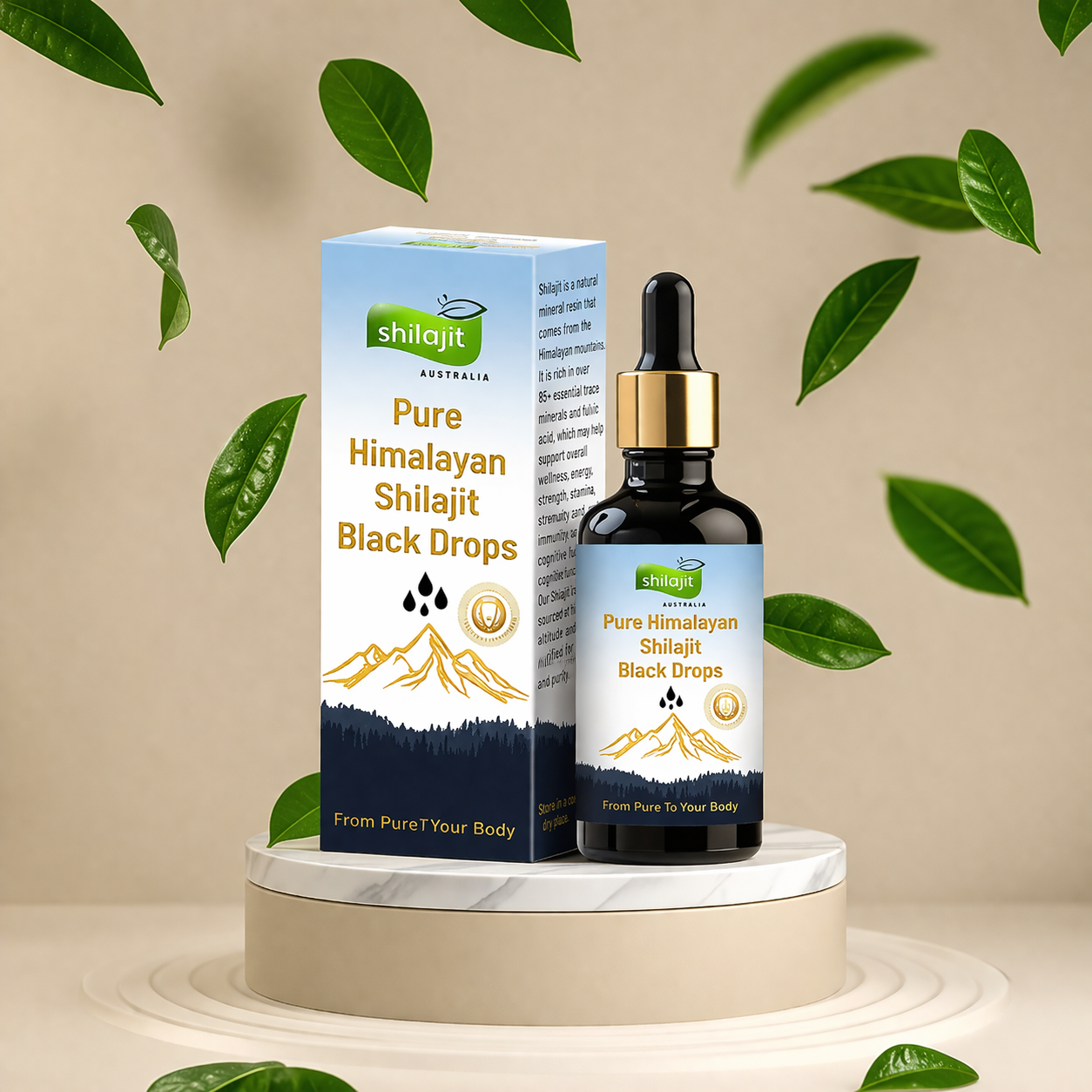
| Shilajit tincture | Grab-and-go dosing in the car park before paddling out | $68.55 (50ml) | Smaller volume runs out faster on multi-week surf trips |
| Electrolyte drink | Replacing sodium lost in saltwater sessions | Varies by brand | Doesn’t provide the mineral and energy support shilajit targets |
Verdict: resin wins for dose control on a normal week; tincture wins for surf trips where speed and portability matter more than precision.
What does shilajit do for surfers and paddling?
Shilajit supports cellular energy production through fulvic acid and trace minerals, which helps sustain paddle output over a long session rather than delivering a fast stimulant spike. It works alongside proper hydration and sleep, not instead of them.
How much shilajit should a surfer take before a session?
A standard dose is 300-500mg of resin, taken 30-45 minutes before paddling out. New users should start lower, around 150-250mg, for the first week to check tolerance.
Can you take shilajit resin before paddling out at dawn?
Yes, dissolving resin in warm water the night before or first thing in the morning gives it time to absorb before a dawn session. Taking it in the car on the drive to the beach usually doesn’t leave enough absorption time.
Is shilajit better than caffeine for surf sessions?
Shilajit and caffeine work differently — caffeine spikes energy fast and drops it fast, while shilajit is aimed at steadier cellular energy support over the length of a session. Many surfers use a smaller coffee alongside shilajit rather than choosing one over the other.
Does saltwater or cold water affect how shilajit works?
Saltwater and cold water increase the body’s hydration and energy demands, but they don’t change how shilajit itself is absorbed once taken. The bigger factor is making sure electrolyte intake keeps pace with what a cold saltwater session pulls out.
How long before surfing should you take shilajit resin?
Take resin 30-45 minutes before paddling out so it has time to dissolve and absorb. Tincture drops absorb slightly faster, which suits a tighter pre-dawn schedule.
Can shilajit help with paddle fatigue and shoulder recovery?
Shilajit’s mineral and energy support can help sessions feel less depleting, and a smaller post-session dose is common among surfers doing back-to-back days. It doesn’t replace stretching, sleep or scheduled recovery days.
Is shilajit safe to take daily during a surf trip?
Daily use at a standard 300-500mg dose is common practice, provided the resin is lab-tested and purity-verified before buying. Check the certificate that comes with the product rather than assuming any dark resin is safe.
The detail most surfers miss isn’t dose, it’s storage. Shilajit resin softens in heat, and a jar left in a car boot or wetsuit bag through an Australian summer session will change texture within hours — long before it hits an expiry date. Keep it in a cool, dry spot at home and only carry a small amount to the beach, not the whole jar. Stay connected with us on Pinterest for more insights on Shilajit for Surfers, energy, stamina, endurance and active recovery.
Avoid shilajit while pregnant or breastfeeding. No controlled trials, contamination risk, and one case links use to high blood pressure. Inform your…
Australia-focused look at shilajit gummies: what human trials actually show, how 500 mg/day dosing compares, and why batch COAs and TGA safety checks matter.