

Uncategorized
Shilajit in Pregnancy: Why Doctors Advise Against It and What to Do
Avoid shilajit while pregnant or breastfeeding. No controlled trials, contamination risk, and one case links use to high blood pressure. Inform your…

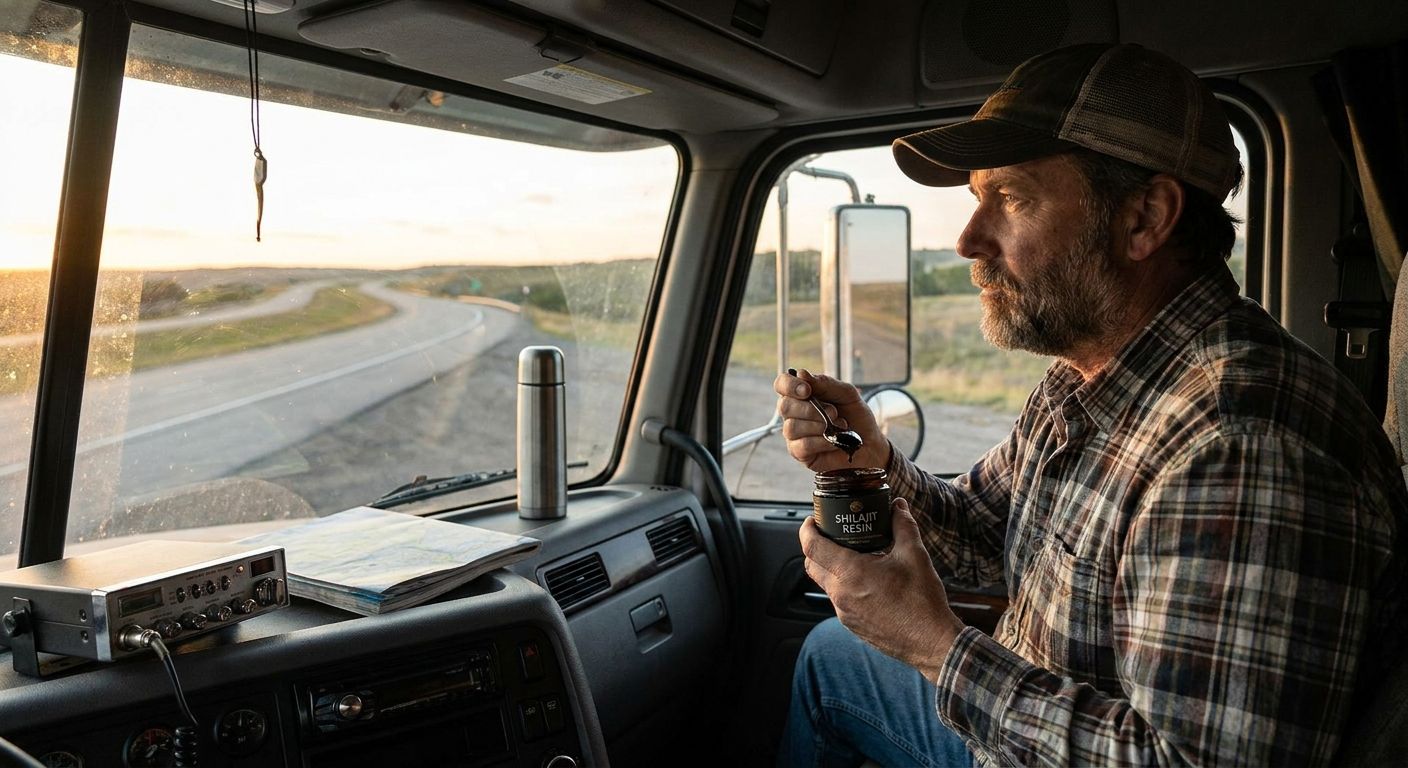
Shilajit for truck drivers is a natural mineral resin long-haul operators use to hold steady energy through 10, 12 or 14-hour driving blocks without stacking more coffee and energy drinks onto an already wired nervous system. Life in the cab means broken sleep at rest stops, servo food, and hours sitting still — a fatigue problem caffeine alone doesn’t solve, and one that needs a format that survives glovebox heat and irregular hours.
Long-haul driving in Australia runs on fatigue management rules, not a normal body clock. You’re awake when the freight schedule says so, not when your body wants to be. That mismatch is exactly the gap shift workers battling fatigue deal with too, and truck drivers face a harder version of it: no kitchen, no fridge, and a cab that can hit 60°C-plus on a summer parking stop.
Most drivers already lean on coffee, energy drinks, or servo snacks to get through the back half of a shift. Shilajit doesn’t replace those outright — it’s a mineral-based supplement, not a stimulant, so it works underneath the caffeine rather than competing with it. The appeal for this segment is simple: a jar or a strip of gummies that doesn’t need refrigeration, doesn’t spike and crash, and fits in a door pocket next to the log book.
Start with the dose before the wheels move, not after fatigue sets in.
Resin needs a spoon and a few minutes; gummies and tincture drops don’t.
A driver’s day doesn’t run on breakfast-lunch-dinner — it runs on load times and rest breaks.
Some cabs have a kettle or a 12V flask heater; plenty don’t.
Dehydration mimics fatigue, and a cab’s air-con dries you out faster than most drivers notice.
This step matters more for drivers than most segments, because blood pressure and blood sugar medication use is common on the road.
A parked cab in an Australian summer regularly runs hotter than most storage labels recommend.
Fatigue self-reports are unreliable if you’re only checking in when you’re already tired.

| Option | Best for | Starting price | Key limitation |
|---|---|---|---|
| Shilajit resin | Drivers who want the highest dose per gram | $69.99 (25g) | Needs measuring, softens above 40°C |
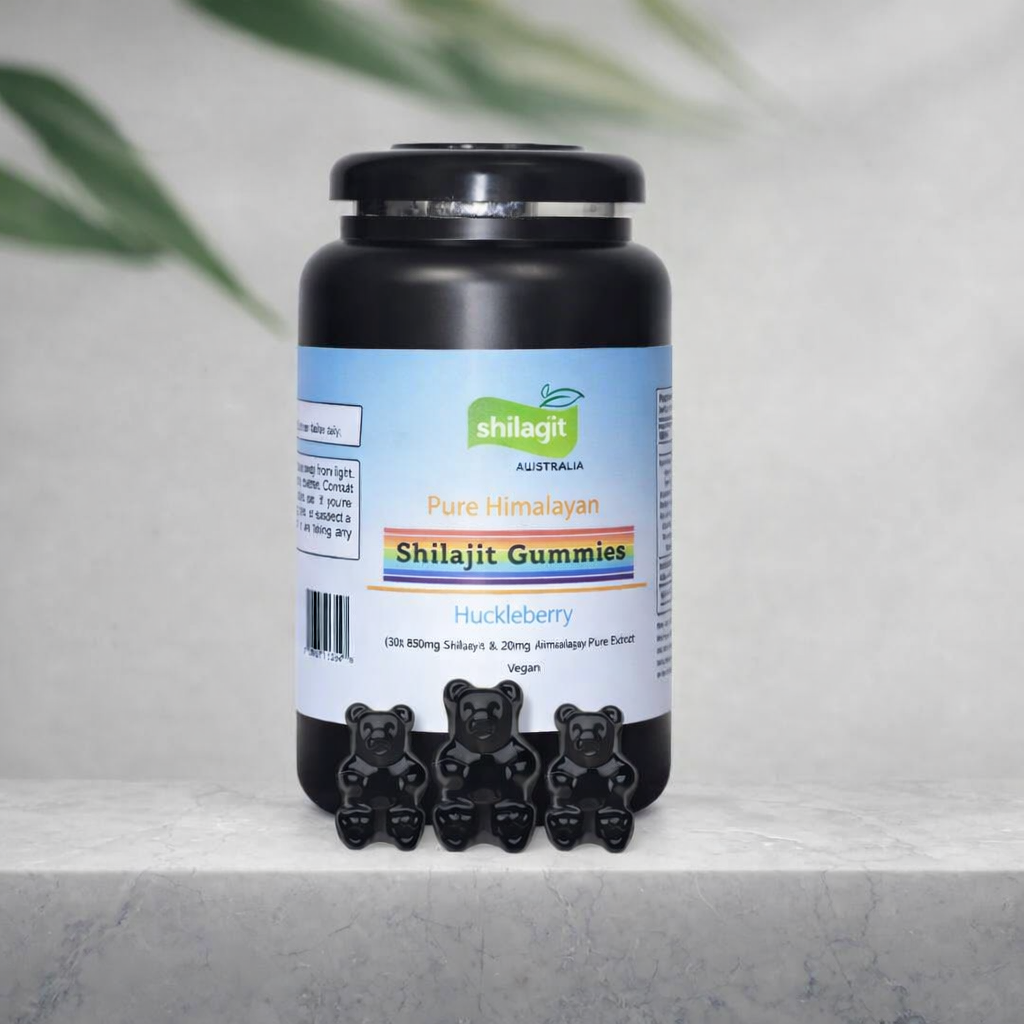
| Shilajit gummies | No-mess dosing while driving | $89.55 (100 gummies) | Higher cost per gram than resin |
| Shilajit tincture drops | Fastest option, zero prep | $68.55 (50ml) | Smaller total mineral dose per serve |
Verdict: resin wins on value and mineral density, gummies win on convenience — most long-haul drivers do best keeping both in the cab. Buy resin for the base routine, keep gummies as the backup for the days there’s no time to measure anything.
“If you’re only taking shilajit on the days you already feel tired, you’re using it as a painkiller instead of a routine.”
Can truck drivers take shilajit resin while driving?
Yes, shilajit resin is dosed before or between driving blocks, not while operating the vehicle. Take it during a rest stop or before the shift starts, dissolved in water or coffee.
Does shilajit show up on a workplace drug test?
Shilajit is a mineral resin, not a stimulant or controlled substance, so it does not trigger standard workplace panels for THC, opiates or amphetamines. Check your specific employer’s testing panel if you have doubts.
How much shilajit should a truck driver take per day?
Most resin products recommend a pea-sized serve, roughly 300-500mg, once per day. Start at the low end and adjust based on how the shift feels over a two-week trial.
Is shilajit better than energy drinks for long-haul fatigue?
Shilajit and energy drinks solve different problems: energy drinks spike alertness fast and fade, while shilajit works on baseline energy over weeks. Most drivers use shilajit to reduce reliance on energy drinks, not to replace them overnight.
Can shilajit be taken with blood pressure medication?
Check with a pharmacist before combining shilajit with blood pressure or diabetes medication. Mineral supplements can interact with some prescriptions, and driving for a living isn’t the place to guess.
How do you take shilajit resin without hot water in the cab?
Dissolve resin in cold coffee or cold water instead of hot — it takes slightly longer to dissolve but works the same. Tincture drops or gummies avoid this step entirely.
Does shilajit resin need refrigeration in a truck?
No, shilajit resin doesn’t need refrigeration, but it does need to stay out of direct heat. A jar left on a hot dash in an Australian summer will soften and become harder to dose accurately.
How much does shilajit resin cost in Australia in 2026?
A 25-gram jar of Himalayan shilajit resin runs from roughly $69.99 upward in 2026, with larger jars and bundle packs bringing the per-gram price down.
A parked cab in direct summer sun regularly runs hotter than the storage advice printed on most shilajit jars — well past the point where resin turns fully liquid. That’s not spoilage, it’s heat, but it does make dosing sloppy. Keep the jar in an insulated bag in the cab, not the dash or glovebox, and the resin stays at a scoopable texture through a full Australian summer. Watch our YouTube videos to learn more about Shilajit for Drivers, natural energy, stamina and support for long truck journeys on the road.
Avoid shilajit while pregnant or breastfeeding. No controlled trials, contamination risk, and one case links use to high blood pressure. Inform your…
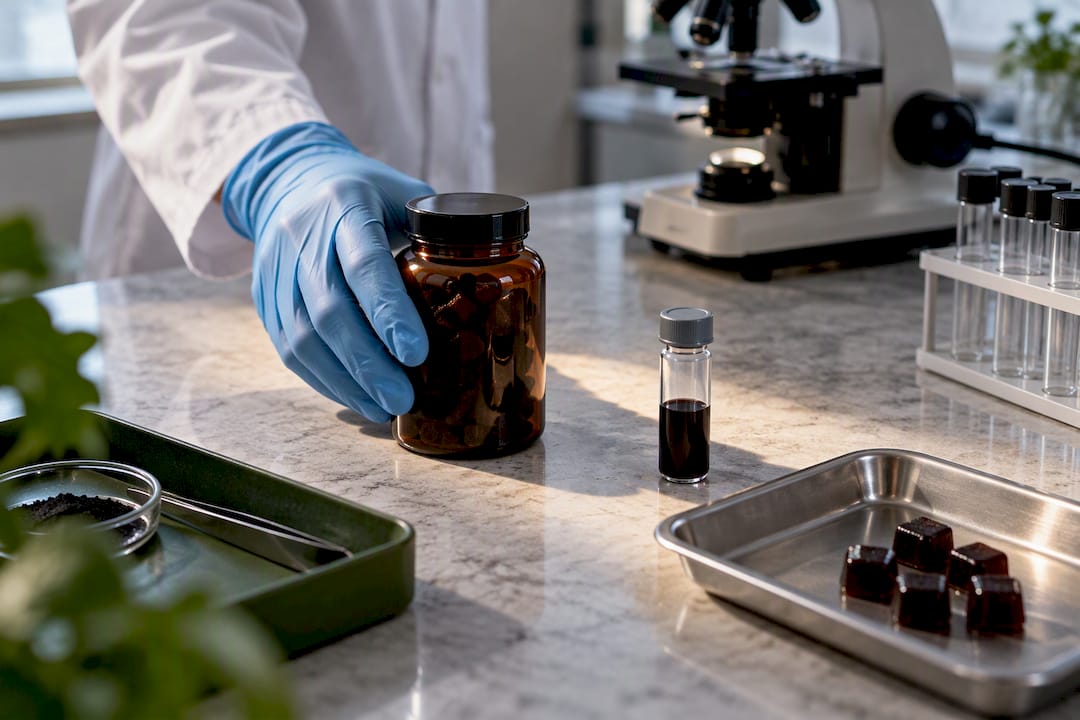
Australia-focused look at shilajit gummies: what human trials actually show, how 500 mg/day dosing compares, and why batch COAs and TGA safety checks matter.