
Uncategorized
Shilajit in Pregnancy: Why Doctors Advise Against It and What to Do
Avoid shilajit while pregnant or breastfeeding. No controlled trials, contamination risk, and one case links use to high blood pressure. Inform your…


Fulvic acid helps animals by doing four things at once: it carries minerals across cell membranes more efficiently than most nutrients can manage on their own, neutralizes free radicals, shifts gut bacteria toward strains that produce short-chain fatty acids, and alters immune markers in ways that multiple peer-reviewed trials have now documented. The evidence spans broilers, laying hens, pigs, dairy cattle, and companion animals, though the strength of that evidence varies considerably by species and outcome. Before adding any fulvic supplement to your animal’s regimen, a conversation with your veterinarian is the right first step, especially for therapeutic or production-scale use.
The four primary mechanisms at a glance:
Pro Tip: Always consult a veterinarian before starting fulvic acid supplementation, particularly for livestock at therapeutic doses or for pets with existing health conditions. Dosing, formulation, and timing all affect outcomes.
Fulvic acid helps animals through four documented mechanisms: mineral chelation, antioxidant enzyme support, gut microbiome modulation, and immunomodulation, with the strongest evidence coming from controlled poultry trials using 500–1,500 mg/kg feed inclusion.
| Point | Details |
|---|---|
| Core mechanisms | Fulvic acid chelates minerals, donates electrons to neutralize free radicals, shifts gut bacteria toward SCFA producers, and alters immune markers like IgA, IgG, IL-2, and TNF-α. |
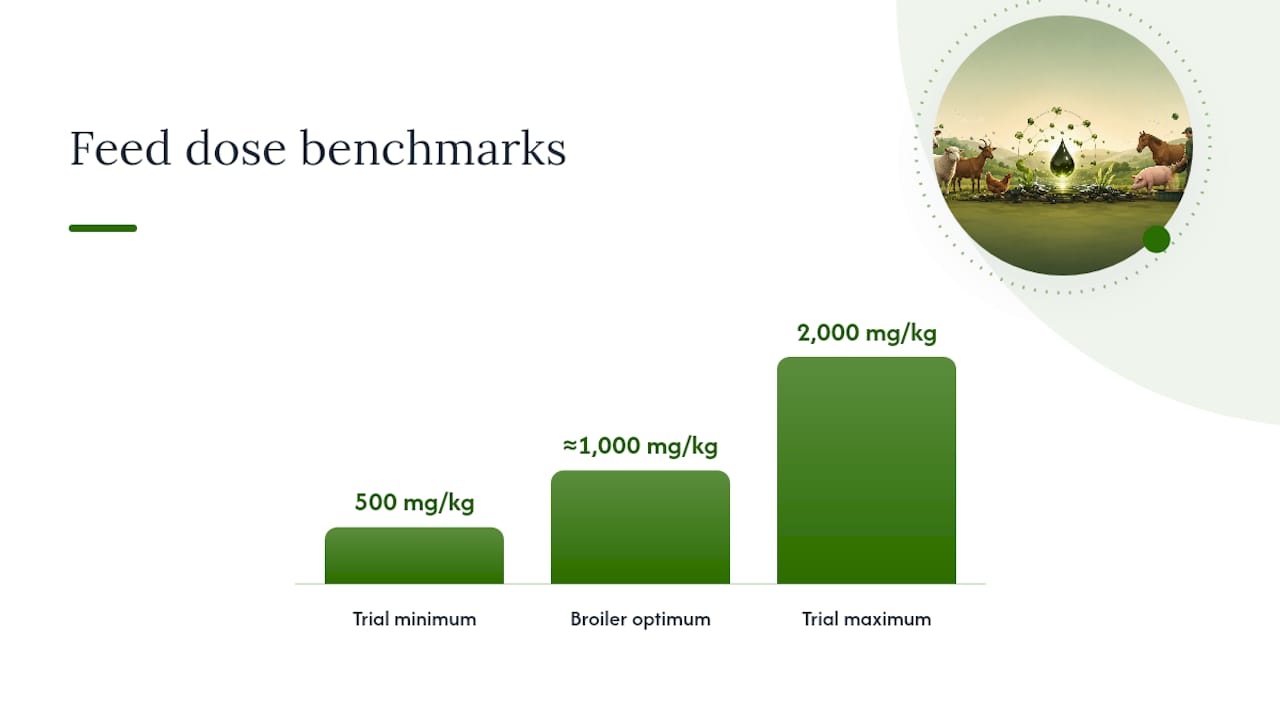
| Livestock dose range | Controlled trials have used 500–2,000 mg/kg feed; best broiler growth was reported near 0.1% (approximately 1,000 mg/kg) inclusion. |
| Timeline for effects | Microbiome and immune marker shifts appear within 2–4 weeks; production and coat/energy changes typically require 4–6 weeks of consistent supplementation. |
| Quality control is non-negotiable | Always request a batch-specific COA with third-party heavy metal testing; high ash content and solvent residues are the primary quality risks in this category. |
| Shilajit as a fulvic source | Shilajit’s batch-tested Himalayan resin provides a traceable, COA-backed fulvic acid source suitable for pet owners seeking verified purity before supplementing. |
Fulvic acid is a low-molecular-weight fraction of humic substances, the organic compounds that form as plant and microbial matter decompose over geological time. Its small size, roughly 1,000–10,000 daltons, lets it move where larger molecules cannot. That mobility is the foundation of most of its documented effects.
Mineral chelation and membrane transport
Fulvic acid forms stable but soluble complexes with calcium, magnesium, iron, zinc, and other minerals. These chelated complexes pass through intestinal epithelium more efficiently than free ionic minerals, which often compete for the same transporters and lose. The result is higher net mineral absorption from the same dietary intake. Plant-based mineral bioavailability follows this same chemistry, which is why fulvic-rich sources like shilajit have been used as mineral carriers for centuries.
Membrane permeation and carrier properties
Because fulvic acid is both water-soluble and lipid-compatible, it can cross both aqueous gut fluid and lipid bilayer membranes. Manufacturer technical data describes this dual solubility as what makes fulvic acid an effective co-carrier for other actives in multi-ingredient formulas, though peer-reviewed confirmation of that specific claim in animals remains limited.
Antioxidant electron donation
Fulvic acid contains multiple phenolic and carboxyl groups that donate electrons to reactive oxygen species (ROS), interrupting oxidative chain reactions before they damage cell membranes or DNA. Beyond direct scavenging, it appears to upregulate endogenous antioxidant enzymes, including GSH-Px and SOD, based on multiple animal feeding trials.
Colloidal and adsorbent properties
Humic substances, including fulvic acid, can bind heavy metals such as mercury, cadmium, and zinc in the gut lumen, reducing their absorption into tissue. Animal models including fish, rats, and poultry show lower tissue accumulation of these metals after humic supplementation. This adsorbent action also extends to mycotoxins and other feed contaminants, which is one reason fulvic-rich additives have attracted interest as feed-quality buffers.
Together, these mechanisms translate into better mineral status, less oxidative cellular damage, a more favorable gut environment, and a more responsive immune system. No single mechanism works in isolation, which is also why the effects observed in trials tend to be broad rather than narrowly targeted.
The immune picture is more complicated than most supplement marketing suggests. Fulvic acid does not simply “boost immunity.” Depending on dose, species, and study design, it can affect immune markers differently depending on context, and that is not a flaw in the research. It reflects genuine biological context-dependence.
What the markers show
Why studies look contradictory
Short-term immune activation and long-term immune regulation are different biological events. A study measuring cytokines at day 14 may capture an initial stimulatory response; a study measuring at day 42 may capture a settled, anti-inflammatory state. Add species differences, variable baseline health, and different fulvic acid formulations, and apparent contradictions in the literature become expected rather than alarming. The practical takeaway: immune effects are real, but they are not uniform, and lab marker changes do not always translate directly into clinical disease resistance.
Oxidative stress, the imbalance between free radical production and the body’s ability to neutralize them, sits behind a wide range of animal health problems: poor meat quality, reduced fertility, weakened immunity, and slower recovery from illness or physical stress. Fulvic acid’s antioxidant activity is one of its most consistently reported properties across species.
Key markers and what trials report
The mechanistic explanation is straightforward: fulvic acid’s phenolic functional groups donate hydrogen atoms to lipid peroxy radicals, breaking the oxidative chain. Simultaneously, it appears to signal upregulation of the animal’s own antioxidant enzymes, creating a two-layer defense.
Why this matters practically
Lower MDA means less membrane damage in muscle tissue, which shows up as better meat color and texture in broilers and pigs. In laying hens, better antioxidant status correlates with stronger eggshells and lower egg-breaking rates. For dairy cattle, reduced oxidative stress during the transition period around calving is associated with fewer metabolic disorders. For pets, the practical signal is subtler: less oxidative burden may support faster recovery from exercise, slower cellular aging, and better skin and coat condition, though most of the pet-specific evidence remains observational rather than from controlled trials.
The gut microbiome is where much of fulvic acid’s practical value plays out, particularly for livestock. The changes documented in trials are not dramatic overnight shifts; they are gradual compositional adjustments that accumulate into meaningful differences in gut environment and, downstream, in health and production metrics.
Microbial taxa changes reported in trials
Proposed mechanisms for microbiome shifts
Fulvic acid’s adsorbent properties can bind toxins and undigested proteins in the gut lumen, reducing the substrate available to putrefactive bacteria. Its ability to lower gut pH through supporting fermentation shifts the competitive advantage toward acid-tolerant, beneficial strains. Mucosal protection, documented in humic substance reviews, reduces the inflammatory signaling that can otherwise disrupt microbial balance.

Antimicrobial and antiparasitic claims
The antimicrobial evidence in animals is real but modest. Reductions in specific pathogens have been documented in controlled feeding trials. The antiparasitic claims circulating in pet supplement marketing are a different matter: the evidence base there is thin, mostly anecdotal, and should not be treated as equivalent to the microbiome trial data.
Pro Tip: Fulvic acid works best as a long-term gut environment tool, not a standalone antimicrobial. Pair it with appropriate hygiene, species-specific probiotics, and veterinary oversight rather than using it as a substitute for targeted treatment of active infections.
Translating mechanism into metric is where livestock caretakers need the clearest picture. The trial data generally points in a consistent direction, but effect sizes vary, and not every study reaches statistical significance on every outcome.
Livestock performance outcomes
| Species | Outcome Measure | Direction Reported | Source |
|---|---|---|---|
| Broilers | ABW, ADG | Increased (P < 0.05 at ~0.1% inclusion) | PMC10762468 |
| Broilers | Serum MDA | Reduced in some groups at day 35 | PMC10762468 |
| Xianju yellow chicken | ADG, FCR | Trend toward improvement at 1,500 mg/kg | Frontiers in Nutrition 2022 |
| Xianju yellow chicken | TNF-α | Significantly reduced at 1,500 mg/kg | Frontiers in Nutrition 2022 |
| Laying hens | Egg weight, eggshell quality | Improved; reduced egg-breaking rate | Frontiers in Vet Science 2022 |
| Laying hens | Serum antioxidant parameters | Improved after fulvic/humic supplementation | Frontiers in Vet Science 2022 |
| Multiple species (pigs, dairy, goats, rabbits) | Feed conversion, gut health | Generally improved in humic substance reviews | PMC9479332 |
Feed cost typically represents a significant portion of total production cost in broiler operations, which means even a modest improvement in feed conversion ratio (FCR) carries real economic weight. A supplement that costs less per kilogram of feed than the feed savings it generates pays for itself, though the math depends on local feed prices and the specific FCR improvement achieved.
Reported effects for pets
The pet evidence is a tier below the livestock data in rigor. Most of what is reported comes from brand resources and observational accounts rather than controlled trials. Owners commonly note shinier coat, more consistent stool, and improved energy in dogs and cats after several weeks of fulvic supplementation. These observations align with the mechanisms documented in livestock trials, but they have not been validated in peer-reviewed companion animal studies. For joint and mobility support in dogs, fulvic-rich shilajit is increasingly used by pet owners, though the evidence base for that specific application remains preliminary.
The dose ranges used in animal trials vary due to differences between products, species, body weight, and production goals.
Dose ranges from published trials
Administration routes
Expected timelines
| Outcome | Typical Timeframe |
|---|---|
| Microbiome compositional shifts | 2–4 weeks |
| Immune marker changes (IgA, IgG, cytokines) | 2–4 weeks |
| Growth and FCR improvements (livestock) | 2–6 weeks |
| Egg quality improvements (laying hens) | 3–6 weeks |
| Coat and energy changes (pets, observational) | 3–6 weeks |
These timelines reflect what trials have measured at their endpoint assessments. Microbiome and immune changes tend to appear earlier than production metrics, which require cumulative biological change to register as measurable output.
Fulvic acid has a reasonable safety profile in the doses used in animal trials, but “natural” does not mean risk-free, and the contaminant risk from low-quality sources is the most serious practical concern for anyone sourcing a fulvic supplement.
Known side effects and dose-related signals
At high doses or with certain formulations, fulvic acid can shift immune markers toward pro-inflammatory rather than anti-inflammatory patterns, as the PMC6151376 review documents. This is not a reason to avoid the compound, but it is a reason to stay within dose ranges validated in trials rather than assuming more is better. Digestive upset at very high doses has been noted anecdotally in some animal contexts, though it is not a consistent finding in controlled trials.
Contaminant risks
Quality checklist
Regulatory context
In the United States, fulvic acid products for animals are typically classified as feed supplements rather than veterinary drugs, which means they are not subject to the same pre-market efficacy and safety review as licensed veterinary medications. That classification matters: it places the burden of quality verification on the buyer. For therapeutic or high-dose applications, veterinary oversight is not optional.
Pro Tip: Always request a current COA before purchasing any fulvic or humic supplement for your animals. A reputable supplier will provide batch-specific third-party lab results, not just a generic certificate. If a supplier cannot produce one, that is a clear signal to look elsewhere.
The terminology in this category is genuinely confusing, and getting it wrong leads to buying the wrong product for the intended use.
Core definitions
Common animal formulations
For feed mixing in a flock or herd, humate powders are the practical choice. For individual companion animals or targeted supplementation, water-soluble fulvic concentrates or shilajit tinctures offer better dose control and faster uptake.
The animal literature on fulvic and humic acids has grown meaningfully over the past decade, but it is not yet at the level of evidence that supports broad therapeutic claims. Here is what the trials actually show, and where the gaps remain.
Consistent findings across species
A review of humic substances across poultry, pigs, dairy cattle, goats, and rabbits found generally improved health and production metrics after supplementation, including better feed conversion efficiency and digestive mucosal protection. The direction of effect is consistent enough to be credible. The precise molecular mechanisms, however, remain incompletely understood even in that review’s own conclusion.
The broiler data is the most controlled: the PMC10762468 trial reported significant ABW and ADG increases (P < 0.05) at approximately 0.1% feed inclusion, alongside thymus weight increases and IgA/IgG elevation. The Xianju yellow chicken trial added the microbiome dimension, showing SCFA-producer enrichment and TNF-α reduction at 1,500 mg/kg. Laying hen data adds the production quality angle, with eggshell and antioxidant improvements documented in the Frontiers in Veterinary Science 2022 trial.
Limitations that matter
The honest summary: the evidence is strong enough to justify cautious, quality-controlled use in livestock, particularly poultry, and plausible enough to support pet supplementation at conservative doses. It is not strong enough to support therapeutic claims or to replace veterinary diagnosis and treatment.
Choosing a product
A stepwise introduction protocol
Monitoring checklist
Questions to bring to your veterinarian
The research on fulvic acid in animals is genuinely encouraging, and the mechanisms are coherent. Mineral chelation, antioxidant enzyme support, microbiome modulation, and immune marker changes are all documented in peer-reviewed trials, not just in supplement marketing. That matters.
What the evidence does not yet support is the leap from “documented in controlled poultry trials” to “proven for all animals at any dose.” Species differences are real. A dose that improves FCR in broilers is not automatically appropriate for a 12-pound dog. A microbiome shift documented in Xianju yellow chickens does not automatically replicate in Holstein dairy cows. The literature is consistent in direction but variable in magnitude, and the pet-specific evidence is thin enough that observational reports from owners, while plausible, should not be treated as clinical validation.
The most defensible position: use fulvic acid as a quality-controlled, evidence-informed supplement within the dose ranges that trials have actually tested, source it from suppliers who provide third-party COAs, and treat veterinary oversight as part of the protocol rather than an optional add-on. The compound has earned cautious optimism. It has not yet earned unconditional confidence.
If you are looking for a fulvic-rich supplement with documented purity testing, Shilajit’s pure Himalayan Shilajit resin is batch-tested for heavy metals and comes with a COA you can review before purchasing. Every batch is screened for contaminants, and the fulvic acid content is a core part of what makes the resin effective as a mineral carrier and antioxidant support.
Shilajit sources its resin from high-altitude Himalayan deposits and processes it without chemical solvents, which addresses the two biggest quality risks in this category: contaminated raw material and solvent residues. For pet owners who want a fulvic-rich option with traceable sourcing and third-party lab results, the resin and tincture formats offer dose flexibility that bulk humate powders do not. View the full product details, batch test results, and usage guidance at the Shilajit store, and bring the COA to your veterinarian before starting supplementation.
The studies below form the evidence base for this article. Bring them to your veterinarian if you need species-specific guidance.
This article provides general educational information about fulvic acid supplementation in animals. It is not a substitute for professional veterinary advice. Consult a licensed veterinarian for guidance specific to your animal’s health status, species, and dosing needs.
Avoid shilajit while pregnant or breastfeeding. No controlled trials, contamination risk, and one case links use to high blood pressure. Inform your…
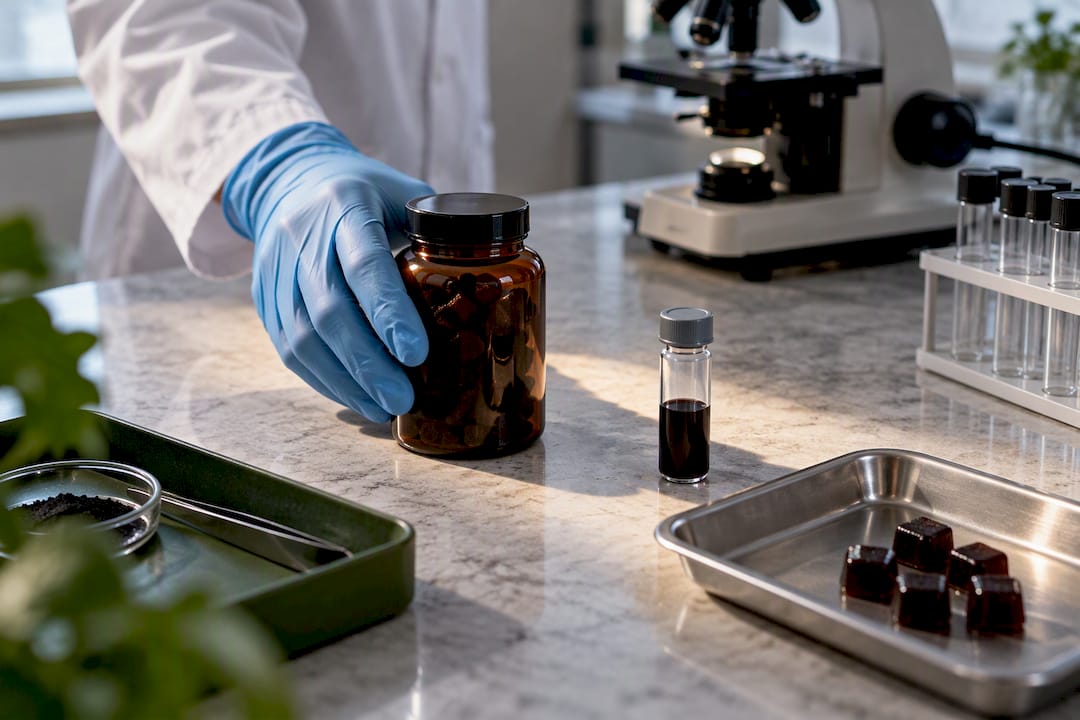
Australia-focused look at shilajit gummies: what human trials actually show, how 500 mg/day dosing compares, and why batch COAs and TGA safety checks matter.