Uncategorized
Shilajit in Pregnancy: Why Doctors Advise Against It and What to Do
Avoid shilajit while pregnant or breastfeeding. No controlled trials, contamination risk, and one case links use to high blood pressure. Inform your…

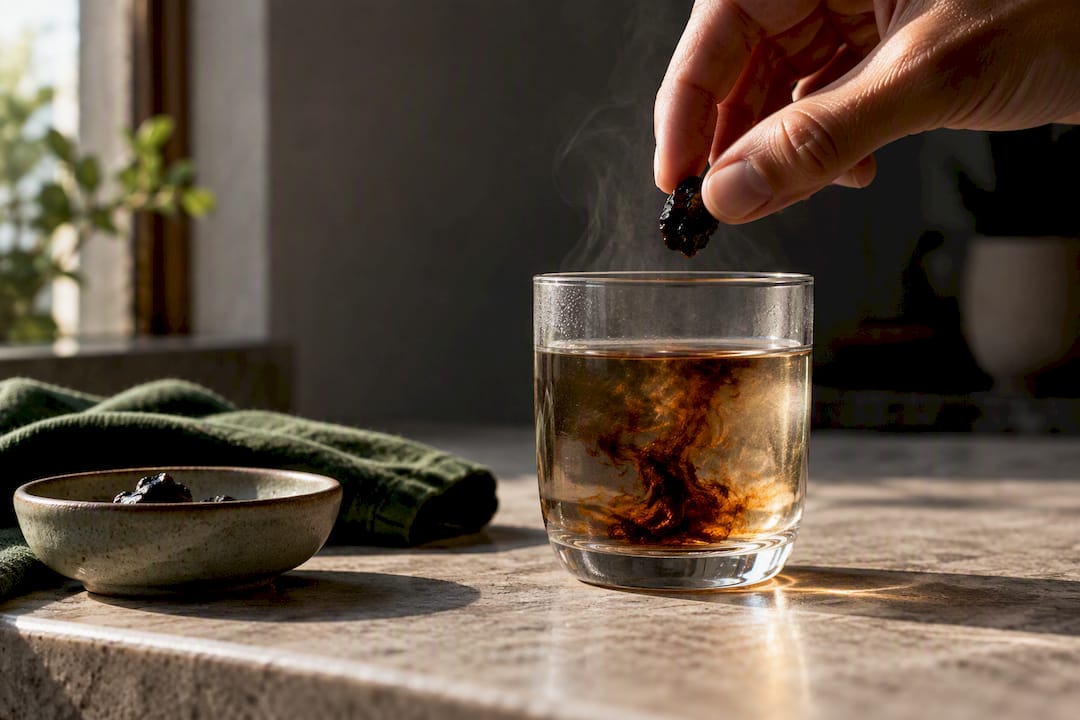
The safest way to dissolve shilajit resin is to warm a pea-sized amount directly in 2 to 3 tablespoons of warm filtered water or warm milk, never boiling. Use a non-reactive utensil like wood, glass, or stainless steel, and stir for 2 to 3 minutes until the resin fully breaks down into a smooth, dark solution with no gritty residue. Once dissolved, drink it right away, either on its own or diluted into a larger glass.
TL;DR:
- To dissolve shilajit safely, warm a small amount of liquid to 30–50°C and stir the resin into it for two to three minutes, avoiding boiling or overly hot water.
- Using a non-reactive utensil, drop the resin into warm liquid, then stir continuously until fully dissolved into a dark, smooth liquid without grit or residue.
- Always check the quality of shilajit with a purity test, including a complete dissolution in warm water with no gritty sediment, and verify batch-specific heavy metal testing results before use.
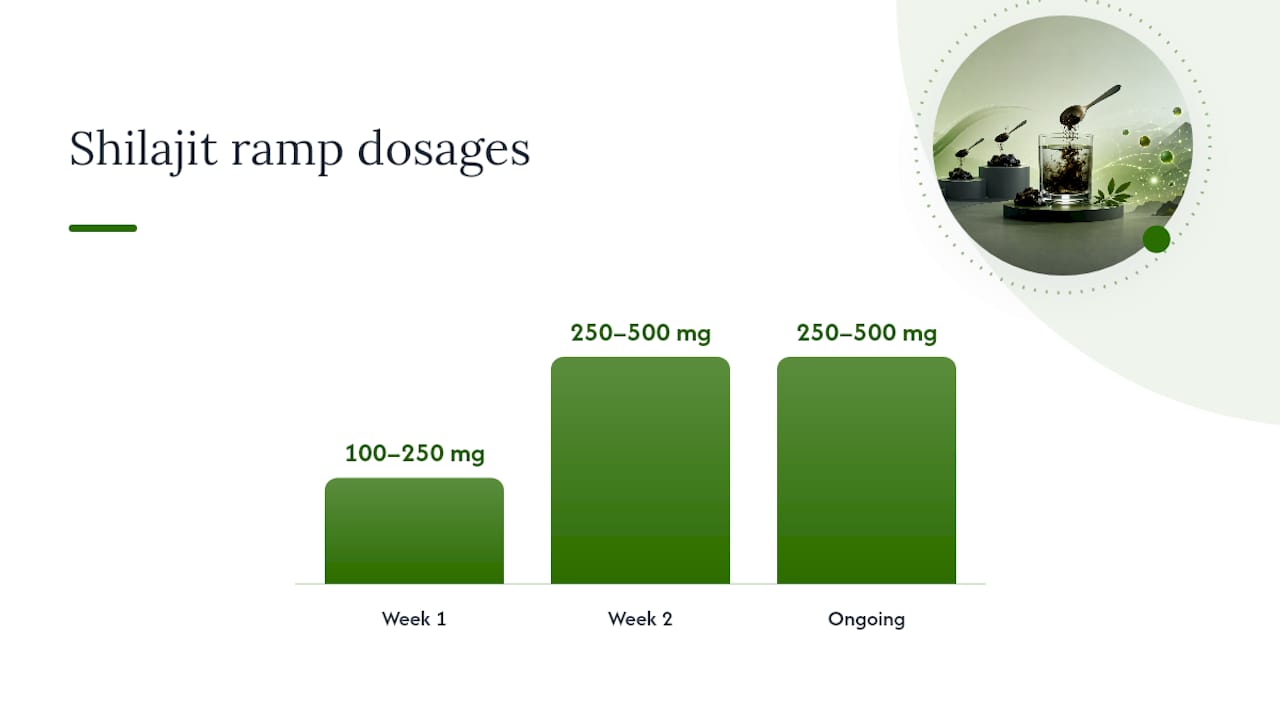
- Start with a low dose of 100–250 mg for the first week, taking it on an empty stomach or with light food, and gradually increase based on tolerance and guidance.
- Store shilajit in a cool, dry place in a sealed container, using non-reactive tools, and consume the dissolved solution immediately for the best potency and safety.
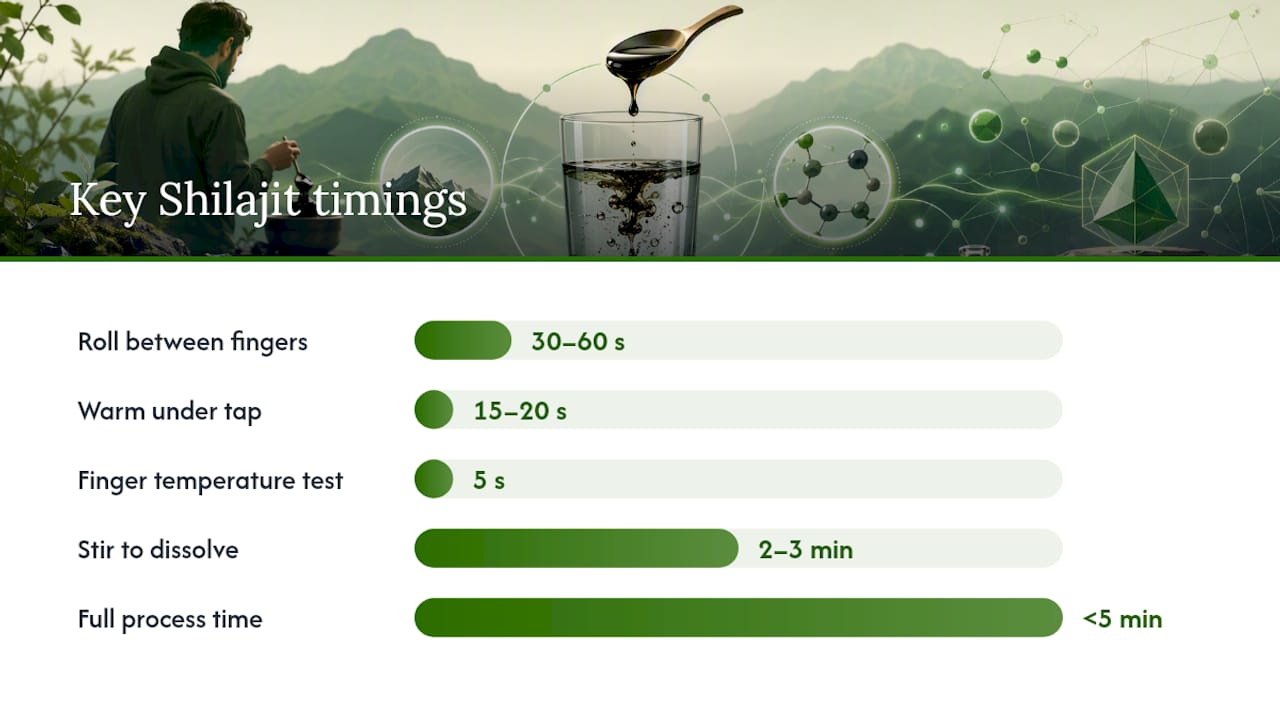
Getting this right comes down to sequence and temperature. Most people who struggle with “clumpy” shilajit or a gritty aftertaste are skipping one of two things: they’re using liquid that’s too hot, or they’re trying to dilute before the resin has actually dissolved. Fix that order and the whole process gets easier.
Here’s the exact sequence practitioner guides and vendor protocols recommend, and it lines up with how shilajit resin’s fulvic acid content behaves under heat, according to research on shilajit’s bioactive compounds.
This dissolve-first, dilute-second approach shows up consistently across practitioner protocols because it protects the compound from uneven heat exposure, a detail echoed in the same research on high-altitude shilajit use noted above.
Pro Tip: Keep a small dedicated dish just for shilajit prep. Resin residue on a shared spoon or bowl can carry over strong flavor into other foods, and reusing a slightly resin-coated utensil is actually a handy visual check: if it wipes clean with warm water, your resin was probably pure and low in filler content.
The whole process, start to finish, takes under 5 minutes once you’ve done it a few times. The two things that trip people up almost every time are rushing the temperature (dumping resin into water that’s basically simmering) and trying to stir it into a full glass of liquid right away instead of a small concentrated amount first.
Ayurvedic tradition has a term for the liquid you pair a substance with: anupana, meaning the vehicle that carries and directs how a compound acts in the body. You don’t need to treat it as doctrine, but it’s a genuinely useful practical rule: match your carrier to your goal.
Timing matters as much as the carrier itself. If you’re taking shilajit for morning energy, warm water 30 to 45 minutes before coffee is the cleaner sequence. Drinking shilajit at the same time as coffee, black tea, or citrus juice isn’t dangerous, but the tannins and acidity in those drinks can interfere with how well your body absorbs the mineral and fulvic acid content. Separating them by 30 to 45 minutes is a simple fix that costs you nothing.
For nighttime recovery use, warm milk about an hour before bed is the most commonly recommended pairing. It fits into a wind-down routine much more naturally than another glass of water does, and it doubles as a habit cue: the ritual of the warm milk becomes the reminder to take the dose.
New users should start low. A first dose of 100 to 250 mg, roughly a quarter to a third of a standard pea-sized amount, lets you gauge your body’s response before moving to a full serving. This isn’t about caution for its own sake. Shilajit’s mineral and fulvic acid content, discussed in the research on high-altitude ailments, is potent enough that some people notice a strong initial effect on energy or digestion.
A sensible ramp schedule looks like this:
Our own dosage guide walks through this ramp in more detail if you want specific weight-based or goal-based adjustments.
On timing: taking shilajit on an empty stomach, first thing in the morning, tends to produce the most noticeable effects because there’s no competing food to slow absorption. That said, if you have a sensitive stomach, pairing it with a small amount of light food (not a full meal) is a reasonable adjustment.
A few interaction notes worth taking seriously. If you’re on medication for diabetes, blood pressure, or blood thinners, talk to your doctor first. Shilajit’s mineral density means it can theoretically interact with how your body processes these drugs, though clinical data here is still limited, based on the broader research on shilajit and health outcomes. If you’re also supplementing with magnesium or other minerals, check for cumulative intake against standard nutrient guidance rather than stacking blindly.
Pregnant or breastfeeding individuals should consult a clinician before starting, as should anyone managing a chronic condition. This isn’t a formality. It’s a genuinely reasonable precaution given how little large-scale human trial data exists on shilajit specifically.
Not all shilajit on the market is what it claims to be, and this is where most of the actual risk in shilajit use comes from, not the substance itself, but contamination or adulteration. Herbal supplement quality varies significantly across brands, and independent reviews of supplement composition consistently flag the need for third-party verification rather than taking label claims at face value.
What to look for in a Certificate of Analysis (COA):
You can request this document from any seller before buying, and a legitimate one won’t hesitate to provide it. We publish batch-specific COAs and explain how to read them on our heavy metal testing page.
The at-home dissolution test. This is the fastest purity check you can run yourself, and it’s the same protocol described earlier for daily use. Genuine shilajit resin dissolves completely in warm water into a smooth, dark, tea-like liquid with no gritty sediment at the bottom and no oily film on the surface. If you see sandy residue that won’t break down, or a strange chemical smell, that’s a signal of fillers, binding agents, or improper processing. A full walkthrough of this check lives on our purity test page.
Water quality matters more than most people assume. Chlorinated tap water contains disinfection by-products called trihalomethanes (THMs), compounds that form when chlorine reacts with organic material in the water supply. The World Health Organization’s guidance on THMs identifies these as a health concern at elevated exposure levels, which is one more reason filtered or spring water is the better choice as your carrier liquid over straight tap water.
Red flags to watch for before you even get to dissolving: sandy or crystalline sediment in the raw resin, an oily sheen on the surface, an odd chemical or petroleum-like smell, and any seller unwilling to produce a batch-specific COA on request. If you hit two or more of these, don’t use the product. Purified, properly processed shilajit goes through several stages designed to remove exactly these contaminants, a process we detail on our purification page.
Most shilajit troubleshooting questions boil down to four issues, and all four have simple fixes.
Shilajit resin keeps well when stored in a cool, dry spot, sealed tightly, away from direct sunlight and away from any heat source like a stove or sunny windowsill. A properly stored jar can last a long time without losing potency, though texture will naturally shift with temperature, softening in warm weather and firming up in cooler conditions. That’s normal and doesn’t indicate spoilage.
Utensil choice actually matters here. Avoid reactive metals like aluminum and copper, which can interact with the resin’s mineral content over repeated contact. Stick to wood, glass, food-grade silicone, or 18/10 stainless steel for scooping and stirring.
Most people expect an immediate jolt from shilajit, and when that doesn’t happen on day one, they assume something’s wrong. It isn’t. The mineral and fulvic acid effects that people report, steadier energy, better recovery, sharper focus, tend to build cumulatively over two to four weeks of consistent daily use, not overnight.
The taste takes some getting used to. Don’t fight it. Mix it into warm milk with a little cinnamon, or drop it into a morning smoothie. The goal is consistency, not purism.
Make it boring on purpose: same time, same cup, same two-minute stir. That’s what turns a supplement into an actual habit. If you want a broader walkthrough of how to fit shilajit into daily use, our usage guide covers different routines depending on your goal.
— Shilajit
Every step in this protocol assumes you’re starting with a product that’s actually pure, and that’s where a lot of shilajit disappoints people before it ever reaches the dissolving stage. Lab-tested Himalayan resin is available in resin, capsule, and powder forms, with some batches accompanied by Certificates of Analysis related to heavy metal and microbial standards.
If you’re new to this, start with a smaller jar and the 100 to 250 mg ramp described earlier rather than committing to a large supply on day one. Our 50 gram pure shilajit resin jar is sized well for that first month of testing your response, and if resin texture isn’t your preference, our buying guide comparing resin, powder, and capsules will help you pick the format that fits your routine. Browse the full shilajit resin and capsule range to see current batch testing and pick your starting size.
This article is general information, not a substitute for advice from a qualified doctor. Consult a qualified healthcare professional about your own circumstances before acting on anything here.
Warm it between your fingers for 30 to 60 seconds, or run the sealed jar under warm (not hot) tap water for 15 to 20 seconds. Never microwave it, since uneven heating can degrade the resin’s fulvic acid content.
Daily use within the standard 250 to 500 mg range is how most people take shilajit, and effects on energy and recovery tend to build over several weeks rather than appear immediately, per Cleveland Clinic’s overview. Start at a lower dose of 100 to 250 mg for your first week to check tolerance before settling into a daily routine.
Shilajit is traditionally associated with detoxification in Ayurvedic use, largely tied to its high fulvic acid and mineral content discussed in research on its bioactive compounds. Strong human clinical evidence for a specific detox mechanism is still limited, so treat this as a traditional use claim rather than a proven effect.
Yes, some people prefer dissolving a small piece directly under the tongue instead of in liquid, letting saliva break it down over a few minutes. This sublingual method still benefits from the same gentle warming approach, since cold, hardened resin is harder to dissolve orally than resin that’s been softened first.
Avoid shilajit while pregnant or breastfeeding. No controlled trials, contamination risk, and one case links use to high blood pressure. Inform your…
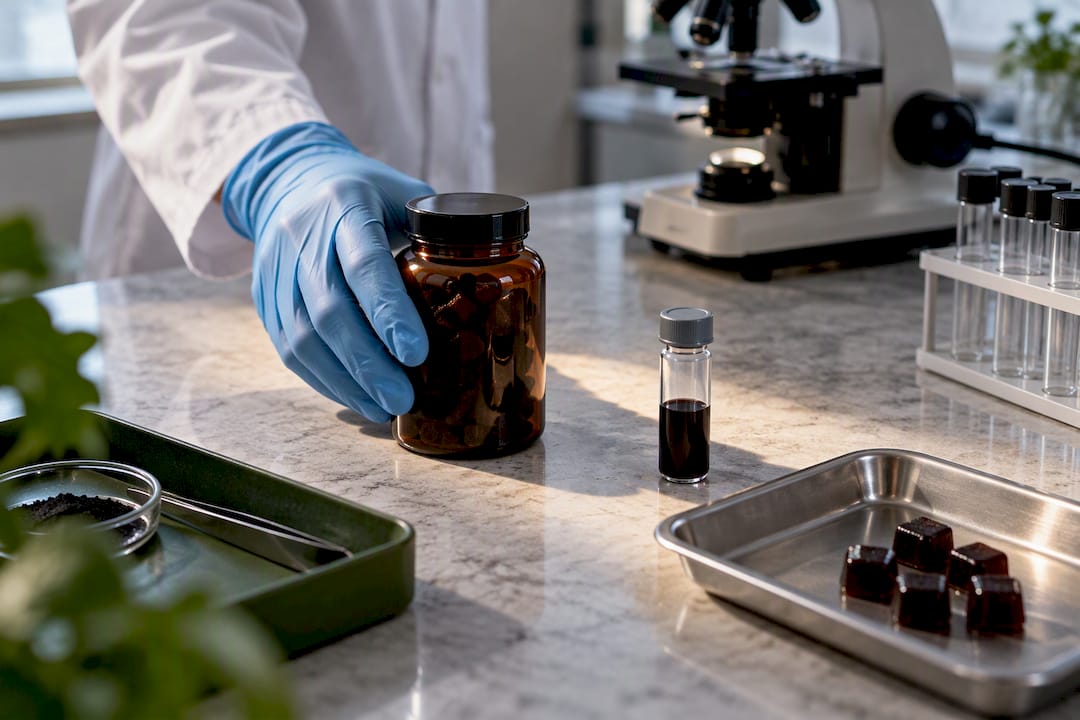
Australia-focused look at shilajit gummies: what human trials actually show, how 500 mg/day dosing compares, and why batch COAs and TGA safety checks matter.