Uncategorized
Shilajit in Pregnancy: Why Doctors Advise Against It and What to Do
Avoid shilajit while pregnant or breastfeeding. No controlled trials, contamination risk, and one case links use to high blood pressure. Inform your…

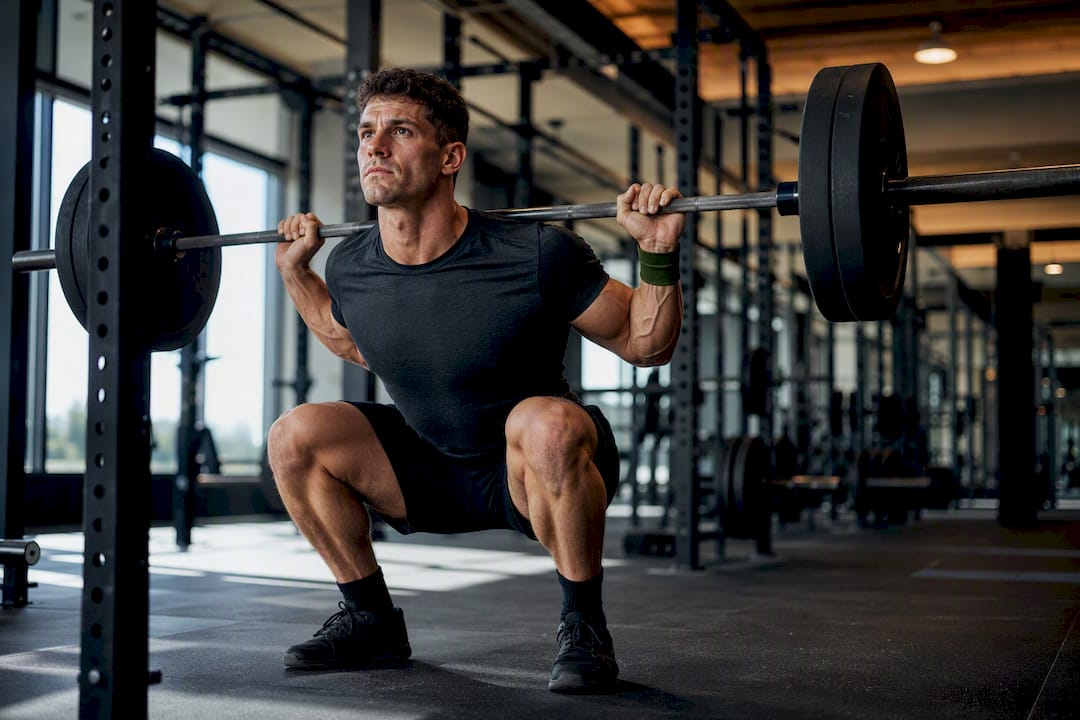
Shilajit works as a modest, chronic support supplement for some athletes, not a stimulant or a shortcut. The strongest human evidence comes from an 8-week trial using 500 mg per day, which found it helped preserve strength after fatiguing exercise. Evidence is still thin, so treat any benefit as incremental, and check third-party lab testing and iron content before you start.
TL;DR:
- The strongest evidence supports a daily dose of 500 mg of shilajit for eight weeks to help preserve strength after fatigue, with no performance boosts in sprint or VO2 max.
- Shilajit may support mitochondrial efficiency and reduce oxidative stress, but it does not act as a stimulant or rapid recovery aid.
- Iron content in shilajit requires caution for those with high ferritin or on iron supplements, and lab-tested products with heavy-metal screening are essential for safety.
- Most trials involved older or general populations, so applicability to high-level athletes remains uncertain, especially for short-term performance improvements.
- Shilajit should be a supplement of last resort after basic training fundamentals, with a gradual dose ramp-up and supplier verification of purity and potency.
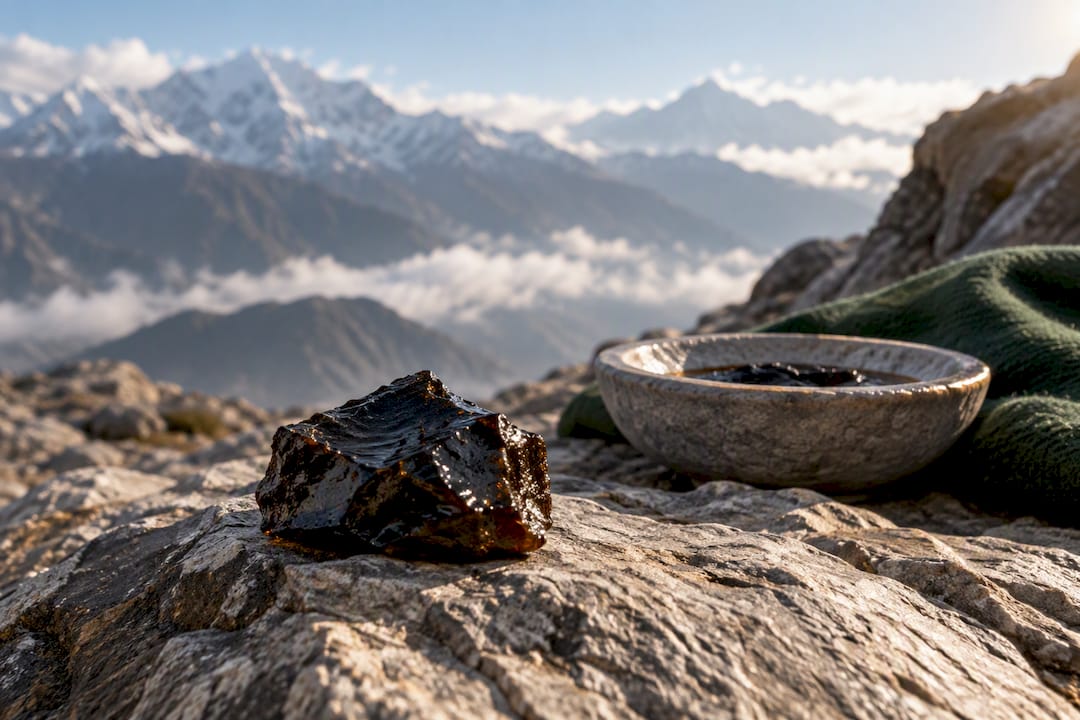
Shilajit is a mineral-rich, tar-like substance that seeps from rock crevices in high-altitude ranges like the Himalayas, formed over centuries as plant matter decomposes under pressure and mineral action. Traditional Ayurvedic medicine has used it for generations, and modern supplement companies now sell it as purified resin, capsules, powder, and liquid tinctures. Resin is the form used in the human trials that actually matter for athletes, which is worth remembering when you’re comparing products on a shelf.
The compound getting most of the research attention is fulvic acid, a byproduct of that long decomposition process. Fulvic acid acts as a chelating agent, meaning it binds to minerals like iron, zinc, and magnesium and appears to help transport them across cell membranes more efficiently. That matters for athletes because mineral status affects everything from oxygen transport to enzyme function during hard training blocks.
The more interesting mechanism, at least from a performance standpoint, involves compounds called dibenzo-alpha-pyrones (DBPs). Researchers have proposed that DBPs act as cofactors in mitochondrial energy production, essentially supporting the machinery your cells use to convert nutrients into usable energy. If that mechanism holds up in larger trials, it would explain why shilajit shows up in fatigue-resistance research rather than in short-burst power studies. This is chronic, background-level support, not a pre-workout jolt.
There’s also a documented antioxidant effect. Training generates oxidative stress, and some of the fatigue and soreness you feel after hard sessions traces back to that cellular damage. Shilajit’s mineral and polyphenol content appears to blunt some of that oxidative load, which lines up with the reduced serum hydroxyproline levels seen in trial participants. Hydroxyproline is a marker of connective tissue breakdown, so a drop in that marker suggests less collagen degradation under fatigue.
Here’s what these mechanisms predict, and what they don’t:
Pro Tip: Think of shilajit the way you’d think of a multivitamin with a mitochondrial angle. It’s not going to move the needle on a single workout, but a few weeks of consistent use may show up in how you recover between hard sessions.
If you’re layering shilajit into a recovery stack that already includes collagen work, the connective tissue interactions are worth understanding before you start, since both target overlapping tissue repair pathways.
The evidence base for shilajit and athletic performance is small but real, and it’s worth knowing exactly what was tested before you decide whether it fits your training.
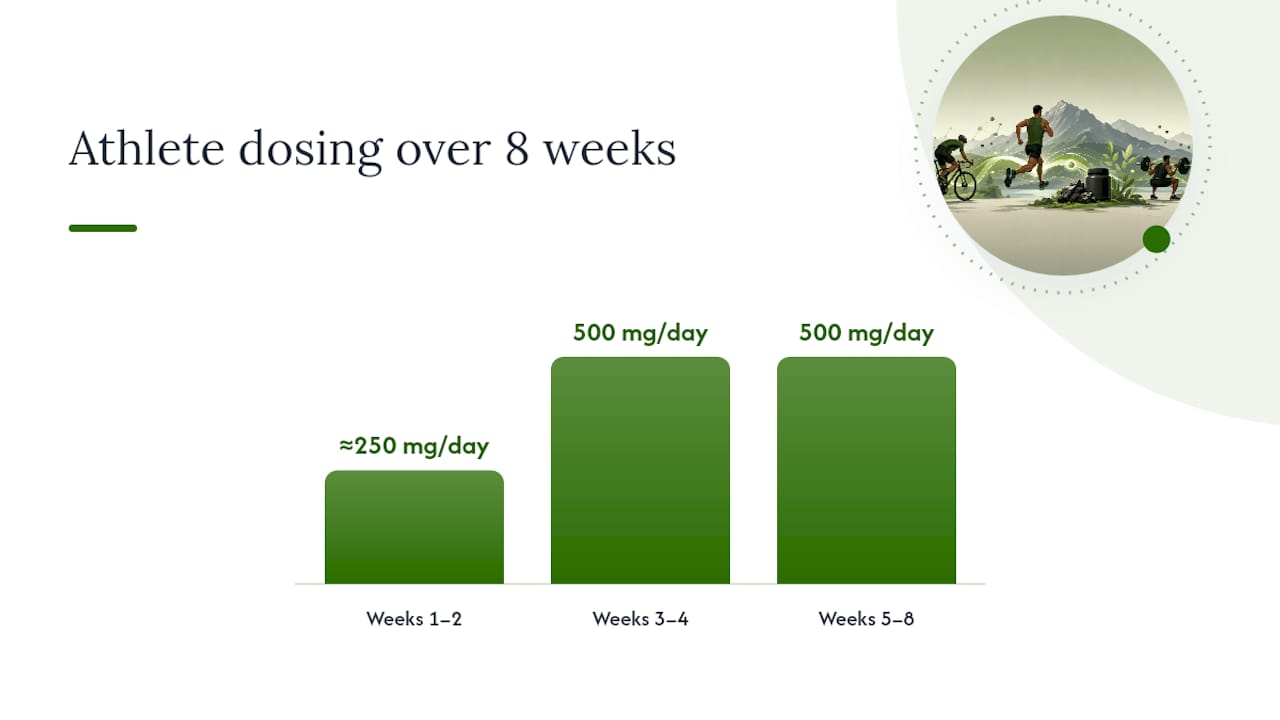
The most cited trial gave healthy, active adults 500 mg of purified shilajit daily for 8 weeks and then put them through fatiguing exercise protocols. The supplemented group preserved more maximal muscular strength after fatigue than the placebo group, and serum hydroxyproline (that connective tissue breakdown marker) dropped as well. This is the trial most dosing guidance for athletes traces back to, and it’s the closest thing the field has to a performance-relevant benchmark.
A separate line of research looked at testosterone. A trial using 250 mg twice daily (500 mg total) over 90 days in middle-aged men found modest increases in testosterone levels. That’s a meaningfully different population and endpoint than the strength-preservation trial, so treat it as a related but separate data point, not confirmation that shilajit boosts testosterone in trained young athletes. Other trials have examined functional capacity in people with chronic fatigue, finding improvements in daily activity tolerance, which is suggestive for endurance athletes managing heavy training loads but not a direct performance test.
Here’s how the major human trials compare:
| Trial focus | Dose | Duration | Population | Key outcome |
|---|---|---|---|---|
| Fatigue-induced strength loss | 500 mg/day | 8 weeks | Healthy active adults | Preserved strength after fatigue; lower hydroxyproline |
| Testosterone | 250 mg twice daily | 90 days | Middle-aged men | Modest testosterone increase |
| Functional capacity | ~500 mg/day (varies by trial) | Several weeks | Adults with chronic fatigue | Improved activity tolerance |
A few honest limitations apply across all of this research, and they matter for how much confidence you put in the results:
What this means practically: shilajit has real, peer-reviewed support for helping preserve strength after fatiguing exercise and for supporting connective tissue markers. It does not have trial support for improving sprint times, raising VO2 max, or acting as a rapid recovery accelerant. The broader sports nutrition literature treats it as a reasonable adjunct with a plausible mechanism, not a headline ergogenic aid, and that framing should guide how much you expect from it.
For athletes specifically training for strength or building muscle mass, the gym-performance research breaks down how the same 8-week protocol translates to typical resistance training blocks.
The 500 mg/day dose used in the strength-preservation trial is the most defensible starting point for athletes, and it’s the number most reputable dosing guides build around.
Resin products typically list dosing by pea-sized portion, which usually works out to roughly 300 to 500 mg depending on the brand and resin density. Capsules and powders should state milligram amounts directly on the label, making them easier to match to trial doses. If a resin product doesn’t specify milligrams per serving, that’s a labeling gap worth flagging before you buy, since it makes it impossible to know if you’re actually near the dose used in clinical research.
Timing recommendations vary, but the most consistent guidance points to morning dosing with breakfast, or 30 to 60 minutes before training. Taking it with food seems to reduce the mild stomach upset some users report, and dissolving resin in warm water or milk rather than swallowing it directly tends to improve tolerance. Because fulvic acid has osmotic activity, some athletes notice mild diuretic effects, so pairing your dose with an extra glass of water on training days is a reasonable precaution.
Here’s a conservative starter protocol for athletes who want to trial shilajit properly rather than guessing:
Pro Tip: Don’t judge shilajit after one week. The trial that found strength-preservation benefits ran a full 8 weeks. Give it the same runway before deciding whether it’s doing anything for you.
For a more detailed breakdown of resin versus capsule dosing math, the dosage guide walks through how to convert trial milligrams into real-world servings, and the pre-workout timing guide covers how to test tolerance before a key session.
Shilajit carries real safety considerations that go beyond the usual “check with your doctor” disclaimer, and athletes in particular need to think about a few specifics.
Iron content is the biggest one. Shilajit naturally contains absorbable iron, and if you already supplement with iron, have hemochromatosis, or simply run high ferritin from red meat intake and iron-fortified foods, adding shilajit on top could push you toward iron overload. This is especially relevant for endurance athletes who’ve been told to supplement iron for training-related anemia. A ferritin check before starting is a reasonable, low-cost precaution.
A short list of who should be cautious or avoid it entirely:
Heavy-metal contamination is the other major risk, and it’s not hypothetical. Unauthenticated shilajit sourced without proper purification has been documented as a contamination risk, since the raw material comes from mineral-rich rock that can also carry lead, arsenic, or mercury depending on the source region and processing quality.
Here’s how to actually read a Certificate of Analysis (COA) before you trust a product:
The purification process that separates a trustworthy resin from a risky one is worth understanding in detail if you’re buying for the first time, particularly if you’re combining shilajit with other adaptogens like ashwagandha, where the interaction profile needs its own separate check.
A conservative shilajit trial fits into training the same way you’d introduce any new recovery variable: early, not during peak race week, and with enough runway to actually see an effect.
Shilajit plays a different role in your stack than acute ergogenics like caffeine, dietary nitrates, or creatine. Those work fast, on a timescale of hours to days, and target specific mechanisms like power output or buffering capacity. Shilajit works slowly, on a timescale of weeks, targeting mitochondrial support and oxidative stress in the background. They’re not competing for the same job, which means there’s no real conflict in using both, though you should introduce new supplements one at a time so you can actually tell what’s helping.
Endurance athletes running high weekly mileage are the group most likely to notice a benefit, given the fatigue-resistance and iron-transport mechanisms at play, and the endurance-specific dosing research covers this population in more depth. Strength athletes may notice benefits more in connective tissue resilience during heavy training blocks, based on the hydroxyproline findings, though the trial evidence there is thinner than for endurance-style fatigue.
Some shilajit products are purified Himalayan resin and publish a Certificate of Analysis for each batch, covering heavy-metal screening and fulvic acid content. That level of disclosure matters in a category where contamination and unverifiable potency claims are common problems, not rare exceptions.
Athletes weighing whether to trial shilajit can review cyclist and strength-training dosing data alongside step-by-step usage instructions before buying. The goal isn’t to oversell what a modest supplement can do. It’s to make sure that if you do try it, you’re trying a product that’s actually been tested for what it claims to contain.
Shilajit sits well down the priority list, and that’s not a knock against it. Training load, sleep, protein intake, and creatine (for strength and power athletes, where the evidence is far deeper) all come first. Those levers move performance more reliably than any adaptogen on the market.
Shilajit becomes worth trying once the fundamentals are locked in and you’re still looking for an edge, particularly if you’re managing a heavy training block, have borderline ferritin, or notice recovery lagging behind your training volume. If your sleep is inconsistent or your protein intake is low, fix those first. A quick checklist: Are you sleeping 7+ hours? Hitting your protein targets? Using creatine if strength is the goal? Only then does shilajit earn a spot in the conversation.
— Shilajit
Most shilajit sold online skips the one thing that actually proves it’s safe to take: a lab report you can read. Shilajit publishes a full Certificate of Analysis for every batch, so you’re never guessing whether you’re getting the fulvic acid content or heavy-metal safety margin the trials were built on.
Before you buy any shilajit resin, check three things on the product page: the ICP-MS heavy-metal panel, the fulvic acid percentage, and the batch date. Shilajit’s purified resin category lists all three for every product, alongside dosing instructions that map directly to the 500 mg/day protocol used in the strength-preservation trial. If you’re managing a medical condition, on medication, or pregnant, talk to a clinician before starting, since none of this replaces individual medical guidance. Ready to start a proper 8-week trial? Browse the current batch and lab reports and pick a starting dose that matches where you are in your training cycle.
For readers who want the primary sources: the 8-week strength-preservation trial, the sports nutrition review covering testosterone and functional-capacity trials, and the broader PubMed index for ongoing research.
They’re not interchangeable. Creatine has decades of strong evidence for power output and lean mass gains, while shilajit’s evidence base is smaller and centers on fatigue resistance and connective tissue markers. Most athletes should prioritize creatine first and consider shilajit as an additional layer, not a substitute.
Beyond the general strength-preservation and recovery effects seen in mixed trials, one study found modest testosterone increases in middle-aged men taking 250 mg twice daily over 90 days. That result doesn’t automatically extend to younger, already well-trained athletes, so treat it as a supporting data point rather than a guarantee.
Daily use at trial-backed doses (around 500 mg/day) is how the strength-preservation and connective tissue benefits were observed over 8 weeks. The main daily consideration is iron intake, since shilajit contains absorbable iron that can add up if you’re already supplementing or have high ferritin.
The evidence is limited but not nonexistent: one 90-day trial in middle-aged men showed a modest increase. It’s not strong enough evidence to call shilajit a testosterone booster in the way that term gets marketed, and larger trials in athletic populations haven’t confirmed the effect.
Shilajit itself isn’t a banned substance, but supplement contamination has caused inadvertent doping violations across many categories. Tested athletes should only use products with third-party lab verification and a current Certificate of Analysis before adding shilajit to their routine.
Avoid shilajit while pregnant or breastfeeding. No controlled trials, contamination risk, and one case links use to high blood pressure. Inform your…
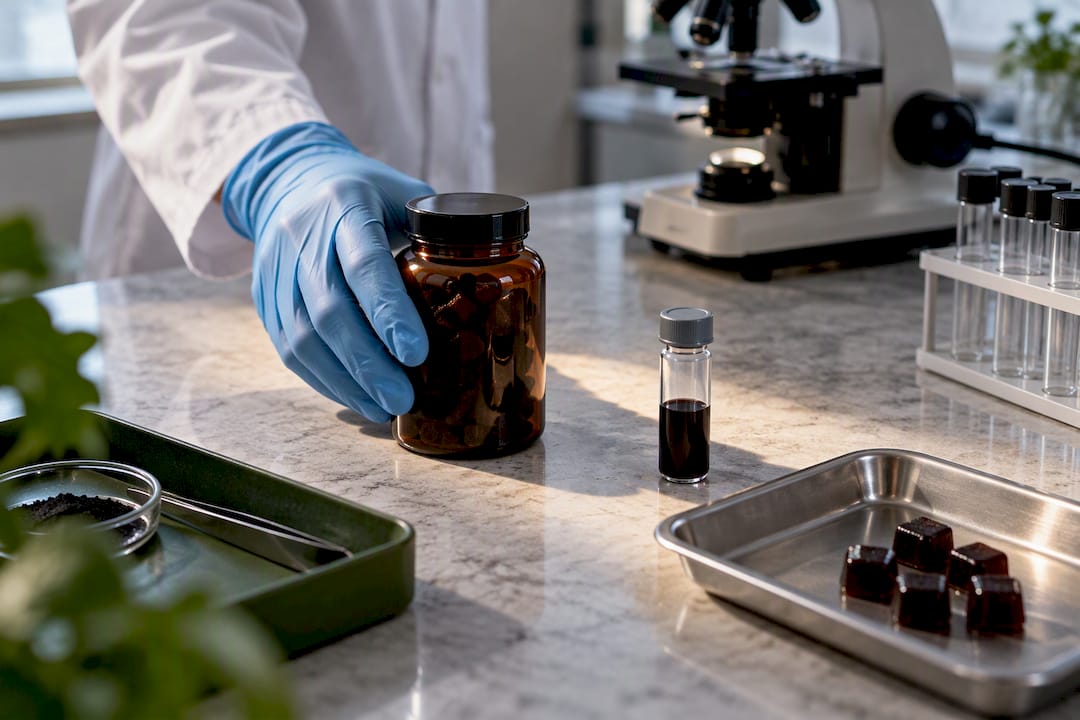
Australia-focused look at shilajit gummies: what human trials actually show, how 500 mg/day dosing compares, and why batch COAs and TGA safety checks matter.