Uncategorized
Shilajit in Pregnancy: Why Doctors Advise Against It and What to Do
Avoid shilajit while pregnant or breastfeeding. No controlled trials, contamination risk, and one case links use to high blood pressure. Inform your…

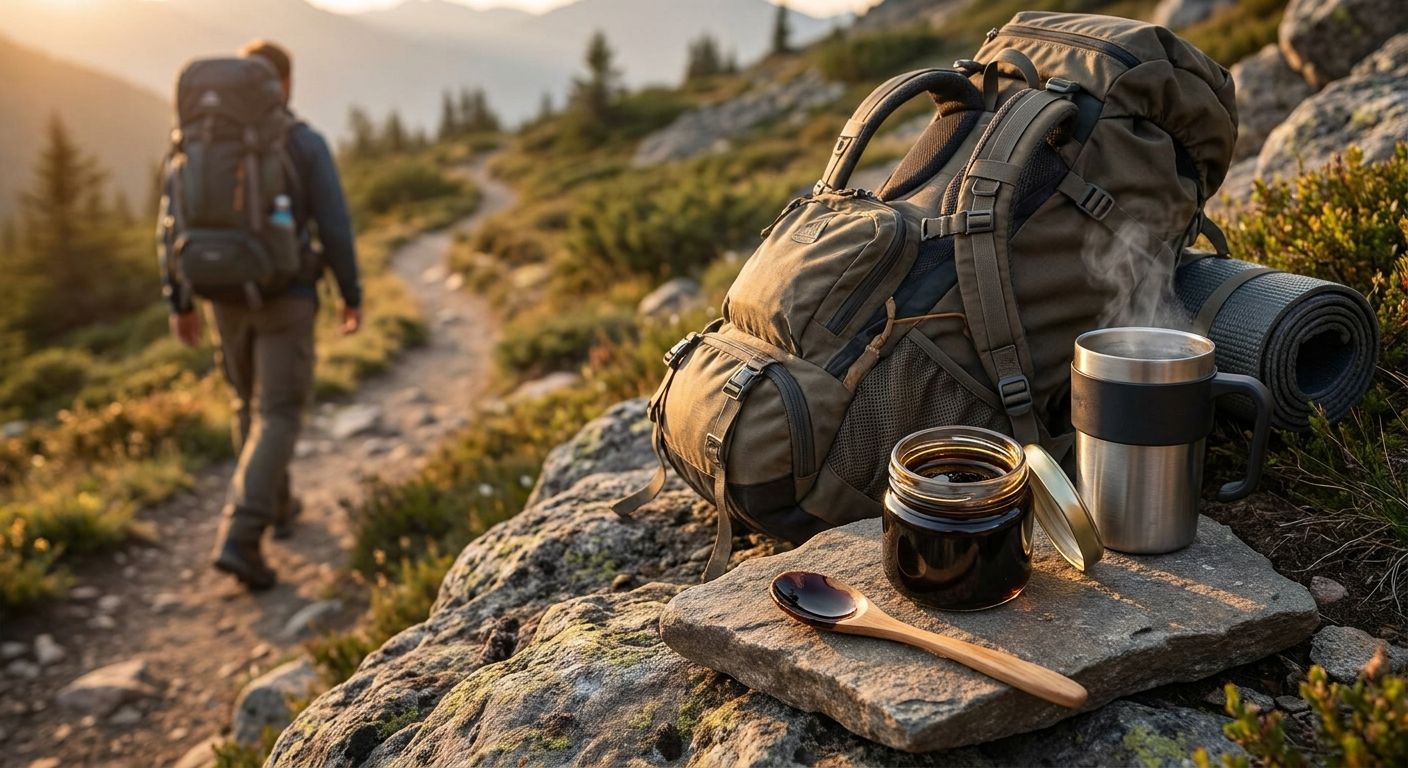
Shilajit for hikers and multi-day bushwalking trips is a portable Himalayan mineral resin supplement carried on longer treks to support sustained energy, stamina and mineral intake when trail food runs thin. Multi-day walkers need a format that survives heat, cold, rain and a crushed pack, not just a supplement that works fine sitting in a kitchen cupboard.
Multi-day bushwalking strips energy fast: heavy packs, steady elevation gain, and meals that lean on dehydrated carbs instead of whole food. Shilajit resin carries fulvic acid and trace minerals in a compact format that doesn’t need refrigeration or a measuring spoon at 1,200 metres.
Hikers search for shilajit differently than gym-goers do. They care about pack weight, shelf stability in heat, and whether a product survives a soaked backpack, not workout timing. The output demand mirrors what endurance athletes and runners already ask of shilajit: sustained energy over hours, not a short spike. A three-night traverse pushes that further, because you’re managing fatigue that stacks day over day, not a single session.
Day hikes and multi-day traverses call for different formats. A weekend pack has room for a jar; five days above the treeline doesn’t leave much slack.
Shilajit behaves differently on a 20km climbing day than on a rest day. Time it to when you need sustained output, not to a fixed clock you’d use at home.
Many of Australia’s multi-day tracks start with a flight – Tasmania’s Overland Track and the Larapinta both usually mean a plane before a pack. Sort your shilajit before you pack, not at the departure gate.
Steep scrambles and technical sections load grip and legs the same way training for rock climbing and outdoor endurance does – treat an exposed ridge day the same way you’d treat a hard climbing session.
| Format | Best for | Starting price | Key limitation |
|---|---|---|---|
| Resin, 25g jar | Multi-day trips with heat and cold swings | $69.99 | Needs a clean spoon or finger to dose |
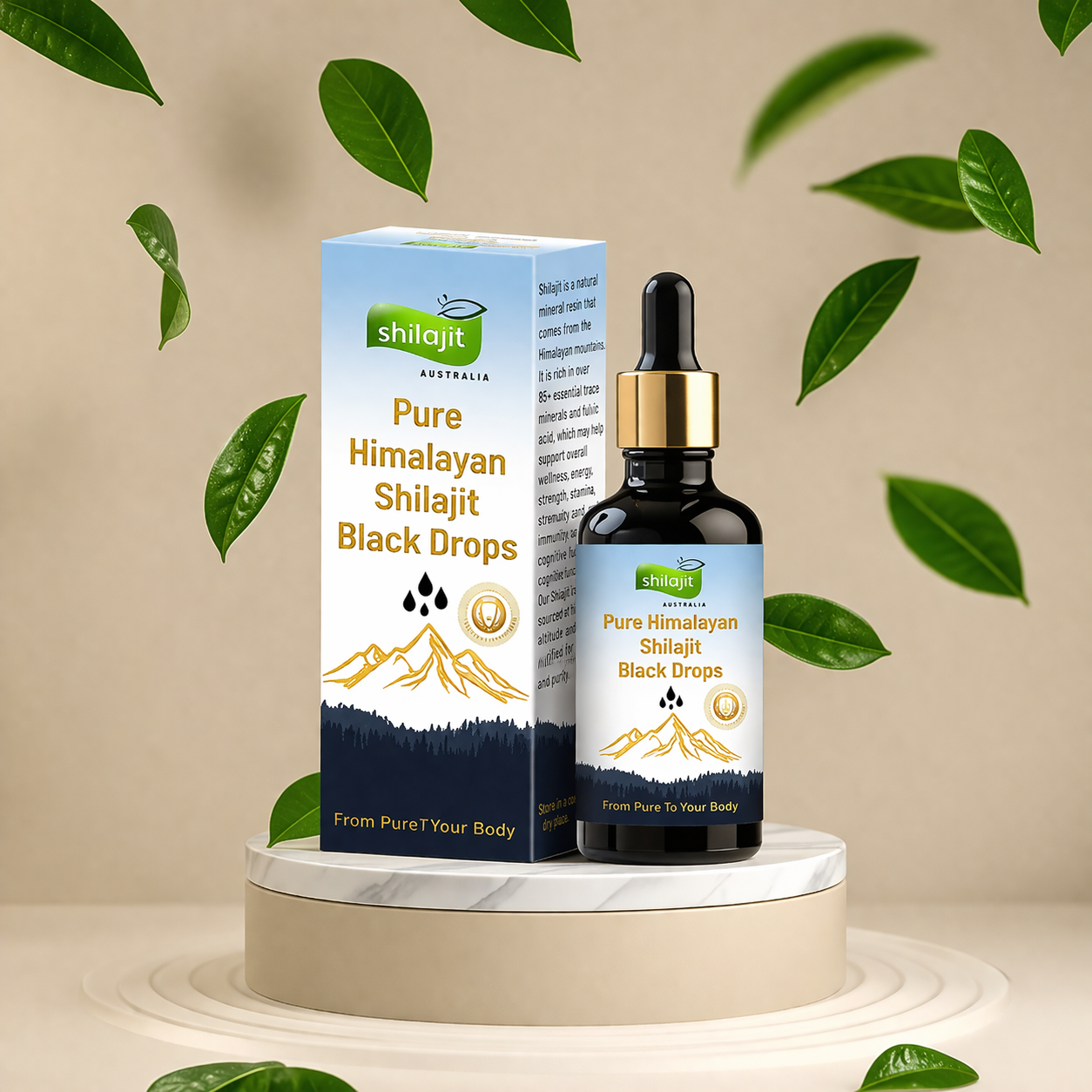
| Tincture drops, 50ml | Day hikes, no-mess dosing | $68.55 | Liquid volume limits on some flights |
| Gummies, 100 per bottle | Short walks, no water needed | $89.55 | Softens and sticks together in heat |
| Resin 4-pack, 100g total | Week-long expeditions | $149.99 | Heavier to carry than a single jar |
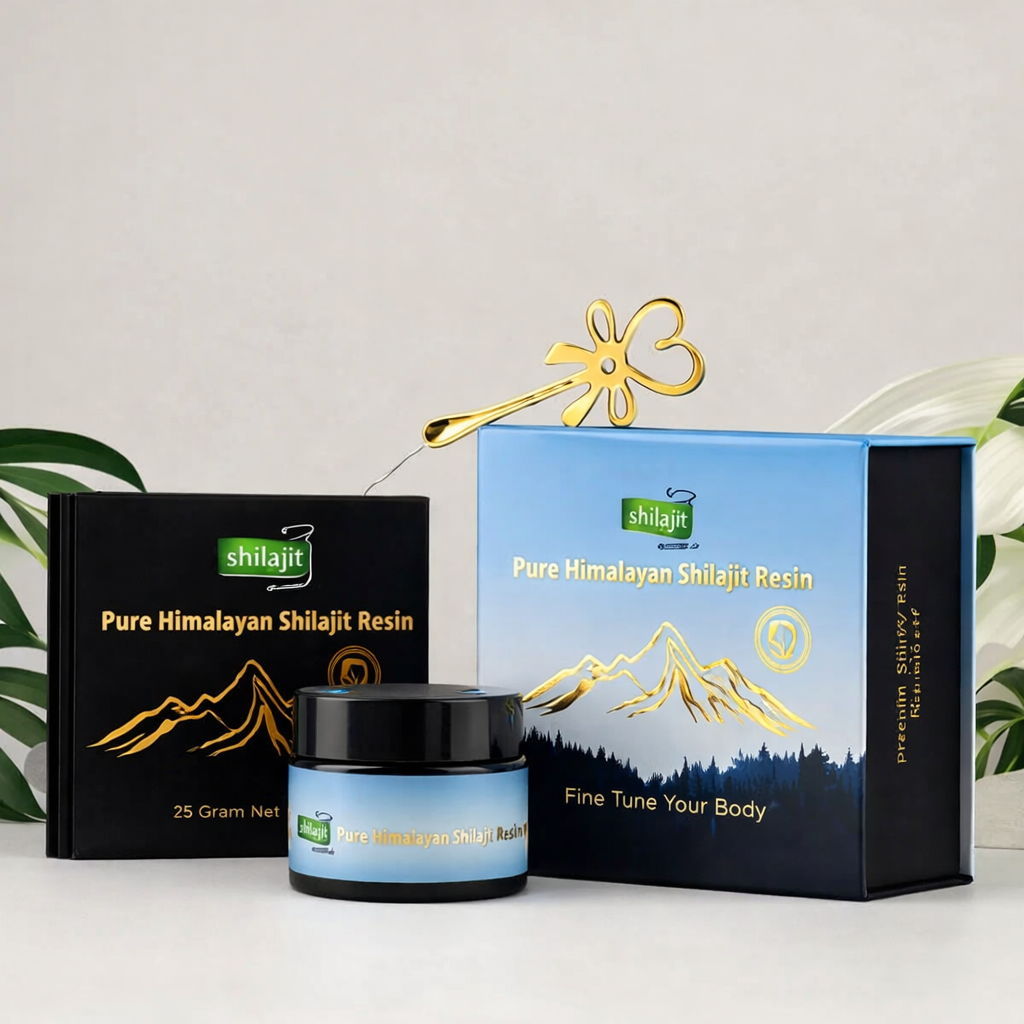
Resin wins for anything longer than two nights – it doesn’t melt into a stuck lump like gummies, and it doesn’t face the liquid limits tincture drops do on a flight to the trailhead.
“Resin doesn’t need water and doesn’t melt in a hot pack, which is why bushwalkers on trips longer than two nights default to it over gummies.”
Is shilajit resin or gummies better for multi-day bushwalking?
Resin is better for trips longer than two nights because it doesn’t melt or stiffen in a hot or cold pack the way gummies can. Gummies suit short day hikes where the pack stays cool and the trip is under six hours.
Can I take shilajit resin through airport security?
Solid resin in a jar travels in checked or carry-on luggage without liquid restrictions, which makes it easier than tincture drops for flights to a trailhead. Tincture bottles under 100ml generally clear standard carry-on liquid allowances, but confirm the current rule with your airline before you fly.
How do I stop shilajit resin melting in my pack on a hot day?
Keep the jar mid-pack rather than in an outer pocket exposed to direct sun for hours. Heat softens shilajit resin, it doesn’t spoil it, so a warm jar at camp is still safe to use once it cools.
When should I take shilajit before a big climbing day?
Dose at your first water stop of the morning once you’ve eaten, and take a second small dose shortly before the steepest section rather than back at camp before sunrise. Avoid a late-day dose, since it can interfere with the sleep you need to recover.
Does shilajit resin work better than tincture drops for hiking?
Resin wins on trips longer than two nights because it holds up to heat and cold better than a liquid bottle and carries no flight liquid limits. Tincture drops win on short day hikes where no-mess, no-spoon dosing matters more than shelf stability.
How much shilajit resin do I need for a five-day trek?
A 25 gram jar covers a short multi-day trip; for a week-long expedition, a larger jar or a multi-jar pack means you won’t run out mid-route. Splitting supply across two smaller jars also gives you a sealed backup if one gets contaminated on the trail.
Can I take shilajit resin on rest days between hikes?
Yes, but a lighter dose than a summit-push day makes more sense, since intake should match output. Cycling use around trip intensity rather than a fixed daily amount is standard practice among long-distance walkers.
A warm, softened jar of shilajit resin at camp after a hot day isn’t ruined – heat changes its texture, not its purity, so a genuine lab-tested resin still delivers the same trace minerals whether it’s firm or runny. What actually degrades shilajit is repeated contamination from dirty fingers and open exposure to moisture, which is a bigger risk on a five-day trek than a single hot afternoon in a pack. Check the format against your next trip length before you buy, not after you’re two days in and stuck with a stiff bottle of gummies. Browse our Pinterest for more insights on Shilajit for Hiking & Bushwalking and long trail days.
Avoid shilajit while pregnant or breastfeeding. No controlled trials, contamination risk, and one case links use to high blood pressure. Inform your…
Australia-focused look at shilajit gummies: what human trials actually show, how 500 mg/day dosing compares, and why batch COAs and TGA safety checks matter.